Here’s who really has my daughter excited about a $200,000 purchase decision.

My daughter Ava is about to start her senior year of high school. So this spring and summer we have toured college campuses like Goldilocks, trying to find one that is just right.

Choosing your college can be as life-altering as deciding who to marry. And as expensive as buying a house. I am expecting our costs to be between $160,000 and $200,000 for 4 years. That’s assuming Ava isn’t inspired to get a fancy pants graduate degree, which could double the cost of college, without doubling the fun.

We have taken actual tours at 6 schools. And we have done window shopping tours at 6 others. All of the campuses we have visited are roughly the same size. They are all beautiful. And they all have strong national reputations. However, one of the schools stands above the rest on Ava’s list.

But what is really driving her strong brand preference on this purchase of a potential $200,000 education is interesting.

She is not attracted to her favorite school because of the university President. Or the Chancellor. Or the Provost. (Whatever that is.) She didn’t buy the school’s t-shirt because of the Dean or because of a world-renowned professor. It’s not even the athletic director, football, basketball or track & field coach, or the politically inert mascot that excites her about this particular school.

Then Who Was It?

Ava has a strong brand preference for a specific university despite the fact that she has only met 3 people at the school.

The first is the person from the recruitment office that gave the welcome presentation. She was phenomenal. She sold me too. I wanted my daughter to go to this school to turn out like her. And I’m considering enrolling at the school myself if I find an extra quarter of a million dollars in my couch cushions.

The other 2 people that had a major impact on Ava’s brand preference were the 2 students who led her campus tour. The 2 guys, Drew and Drew (seriously), were fun and funny and friendly, and knowledgable. They ran a great 2-hour walking tour. Not only did they show us around, but they also showed us what the students on campus are like. And they were excellent ambassadors for the institution.

Who Are Your Real Brand Ambassadors?

If 2 students and the assistant director of admissions were the people who made Ava (and her parents) love one college more than the others, it begs the question, who are the real brand ambassadors in your organization?

  • Who are the people in your business that really attract or repel customers?
  • Who are the people in your association that make others want to join?
  • Who are the members of your team that really recruit great new teammates?
  • Who attracts new residents to your community?
  • Who draws attendees to your event?
  • Who put the ram in the rama lama ding dong?

Sometimes it is a strong leader that sells an organization. But it is often a store associate, a customer service rep, a receptionist, a call center employee, or the greeter at church that makes the most important impression.

The Happy Factor.

A happy team member attracts more great teammates. The smiling face draws people to an organization, regardless of wear that face falls in the pecking order.

Pay attention to your public-facing roles. They are your magnets, your money makers, and your brand builders. They will directly impact more purchase decisions than your top dog.

But if you are the top dog, recognize that the tone you set, the expectations you bring, the system you install and the processes you preside over influence the type of people you have on the front line, their happiness, and the impressions they make on others. Your job is important. But it is most important because of its impact on the way the front line represents your brand to your most important audience.

Key Takeaway

Know who your most important brand ambassadors are. Recruit for those positions well. Train them well. Empower them to do their jobs well. And treat them right. They are the lifeblood of your business development program.

*If you know someone who could benefit from this message, please share it with them.

+For more of the best life lessons I have learned check out my book, What Does Your Fortune Cookie Say? from Ripples Media.
Want to be great at marketing and sales? Think like a college coach.

I was recently invited to speak at a Metro Milwaukee Chamber of Commerce event about storytelling. As the 3rd of 3 speakers on the same topic of storytelling, I knew I better take a unique angle on the topic in order to cover some new ground. I reframed storytelling in a different, perhaps more approachable or understandable context for business owners, small marketing teams and generalists. Here is the story I presented.


The Story on Storytelling

I have spent over 2 decades in marketing and advertising. About 10 years ago people started talking about ‘Storytelling’ like it was the hot new thing in marketing communications. But as the author of 23 years of ad campaigns and marketing programs, I’ll tell you that I don’t think about marketing in terms of storytelling. 

The term ‘storytelling’ is weird for adults. If conjures images of fairytales, campfires, ghost stories, and once-upon-a-time-ness. It can be hard to connect the dots back to business and marketing. Unless, of course, you are Mother Goose, work at Disney, or are one of the Brothers Grimm.

selective focus photography of woman wearing crown
This is the kind of image the word ‘storytelling’ often conjures. And it is not very businessy. Unless you are in a really weird business.

Reframing Storytelling

If you are struggling with the idea of incorporating storytelling into your work, I want you to think about storytelling another way. I want you to think of business-related storytelling as Recruiting. Because marketing, advertising and sales is really just recruiting:

  • Recruiting customers to your store, show or restaurant.
  • Recruiting shoppers to your shelf.
  • Recruiting clients to your firm or agency.
  • Recruiting voters to the polls to vote for you or your agenda.
  • Recruiting attendees to an event.
  • Recruiting employees to work for you.

Where I learned this

Let’s go back in time to where I learned about marketing as recruiting. It wasn’t at my first advertising job. Or in my college classes. I learned about selling, marketing and advertising from an unexpected teacher: my college track coach.

Mark Napier

Mark Napier, my coach at the University of Wisconsin, was a great track coach. But Mark Napier, was a world class recruiter. To be successful in college athletics you need to be able to recruit great athletic talent. And Coach Napes was masterful at it.

IMG_7489 2
My college track and field coach, Mark Napier. 

I have bachelor’s degrees in both journalism and psychology. But I earned a master’s degree in selling by studying how Professor Napier recruited. (He wasn’t really a professor. He didn’t even own any elbow patches). 

The Essential Recruiting Technique

You know how Napes recruited top track and field athletes from across the country, the Caribbean, and Europe to come to Wisconsin? Where it snows from October through May?

He told stories. Stories that sold people. The most important lesson I learned from Napes was, know your audience. What do they want? What do they need? Because if you know what they want and what they need you know what to tell them to sell them.

It’s not you. It’s them.

But remember, don’t tell the story you want to tell. It is all about the story they want to hear. When it came to recruiting high school track and field athletes there were many different wants and needs. You had to do your homework to understand their hot buttons. You have to do your own research. You have to observe the athlete. Ask questions. And listen to what they say.

Jeremy Fischer.png
I helped Coach Napes recruit my teammate Jeremy ‘Shakes’ Fischer, from Los Angeles. Shakes was a 7’4″ high jumper in high school. He is now one of the world’s best jump coaches.

The Prospective College Athlete Hot Buttons May Include:

  • Academic quality and reputation
  • Facilities
  • Proximity to home
  • The athletic program
  • Proximity to Aunt Deanie (my Aunt Deanie lived in Madison and was a draw for me. But many other kids have their own version of Aunt Deanie).
  • The town itself
  • National reputation
  • School size
  • Proximity to stupid high school girlfriends or boyfriends.
  • A particular major or program
  • Family tradition
  • The conference you compete in.
  • Good looking girls
  • Spring training trips
  • Travel schedule
  • The coaches track record of success
  • Ass-Kicking-Ness  (You can tell this by smelling their shoes) 
  • Someone just like them in the program
  • Acceptance/Belonging

IMG_7488 2
I recruited Napes to have dinner with me in Punta Gorda, Florida.

Pushing The Hot Button

Coach Napes was masterful at discovering the hot buttons of each athlete we were recruiting, and telling them the story they wanted to hear. Or demonstrating it. Or making them experience it.

The Results

As a result were able to successfully recruit national champions from Southern California and from Florida to join our track team in Madison, Wisconsin.

In fact, my junior and senior years we were Big 10 Champions in both indoor and outdoor track. My senior year our team was 6th in the nation. I had 6 teammates who were Division 1 National Champs in their events.

College-Basketball-Recruiting
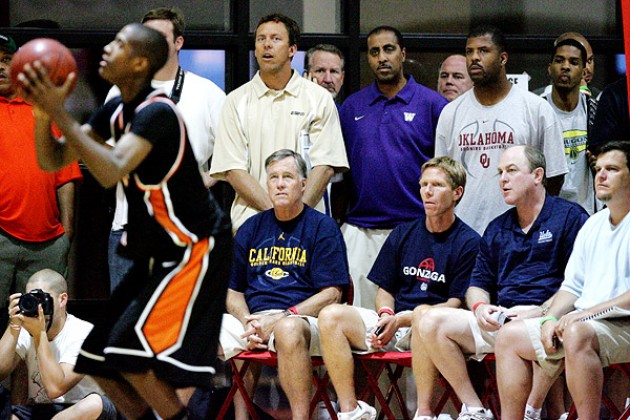
A bunch of college basketball coaches, all trying to figure out what they are going to tell some 17- year old kid to make him want to come to their school. #UmmWeHaveGreatPizza

Putting Recruiting To Work At Work

You can use the same approach to recruiting in your business. I want you to think of yourself like a Division 1 coach who is trying to attract 5 Star Recruits. For those of you who are sports illiterates, that means you are coaching at the highest level, and recruiting the very best athletes.

Departments or roles that should be recruiting for you:

  • Advertising
  • Marketing
  • Sales
  • Human Resources

We All Have Needs

It all starts with understanding your potential customer’s wants and needs. Know this and you will know what story to tell. Because in business the only thing that matters is what your audience wants or needs. And whether they think they can get it from you.

All Rights Reserved
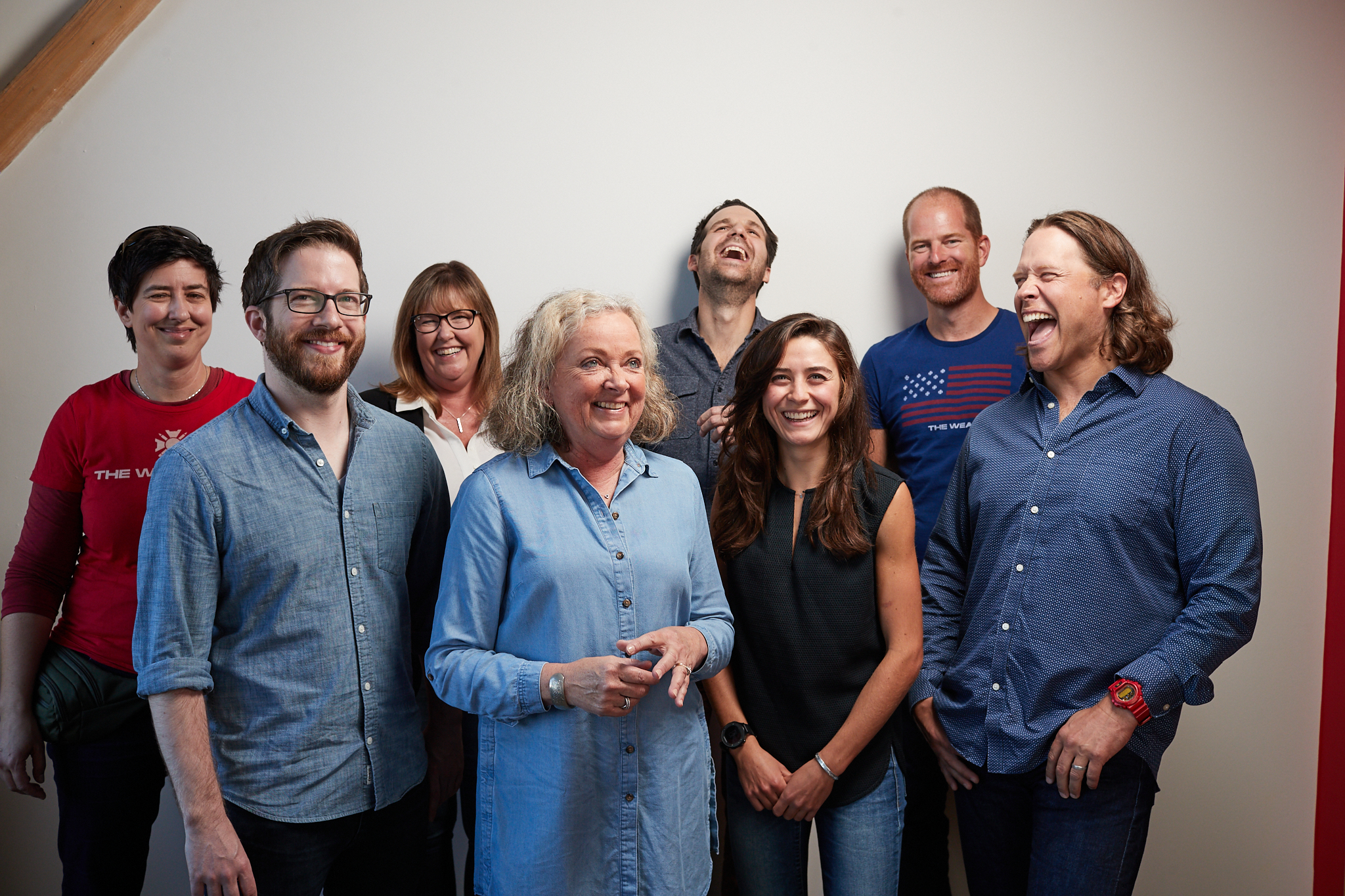
I recruit to my team at The Weaponry by telling people they will smile a lot at work.

This is where the story starts.

Create a persona of the target audience you want to recruit. Understand them in detail.

  • Age
  • Occupation
  • Education
  • Geography
  • Hot Buttons
  • Pain points
  • Needs
  • Wants

Once you know who you are trying to reach, you talk to them about the things they want to hear.

  • Price
  • Quality
  • Value
  • Style
  • Quantity
  • Fun
  • Innovation
  • Service
  • Community Member
  • Organic
  • Cool Kids
  • Smarter
  • Money Making
  • Satisfaction
  • Track record of Success
  • Happy Customers
  • Ease of Use

Strategy

Find the most compelling story you can tell to make people buy into you and your offering. That is your strategy. Then tell the stories that make you appear more attractive to those you are trying to recruit.

IMG_2149
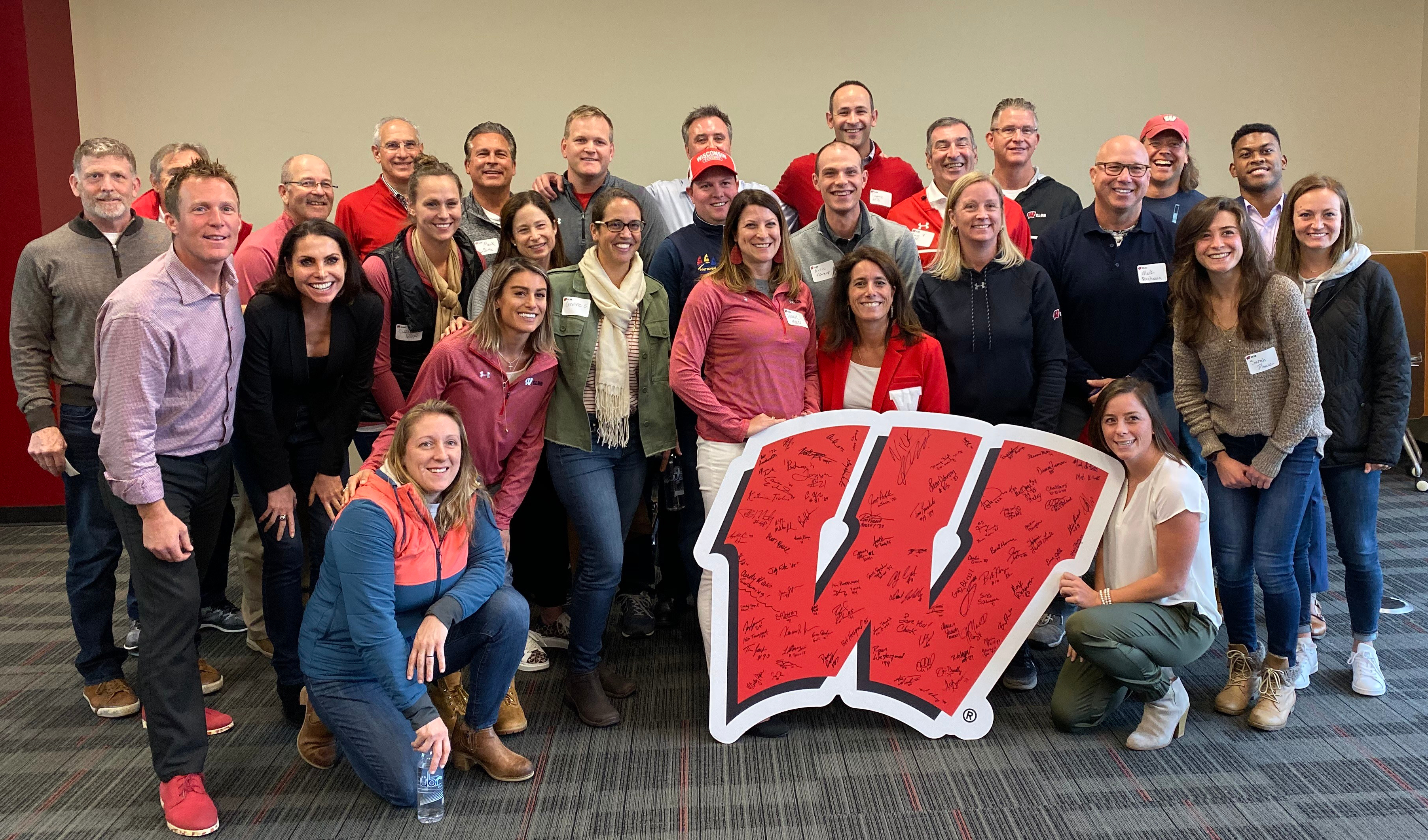
I still hang with a bunch of impressive Badgers who apply what they learned about college recruiting in their professional careers.


Key Takeaways:

Storytelling in business is simply recruiting. It is sharing the great things about you, your organization, your products, and your services, with those you want to attract. Know your audience and what they want. And then show and tell them how you can deliver against their wants and needs. The End.

*If you know someone who could benefit from this story, please share it with them.