There is more than one way to win.

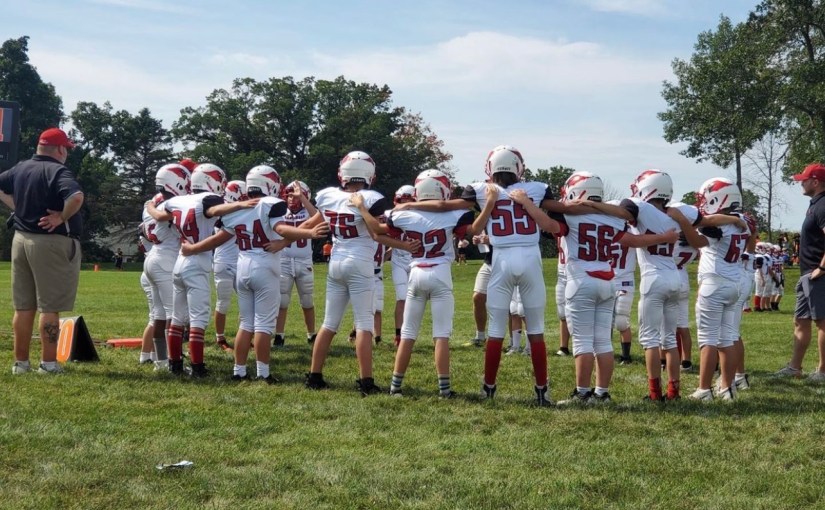
Yesterday I coached my son Magnus’ 6th-grade football team against a really strong opponent. I am the defensive coordinator. Which means that I spent many hours this week preparing for the game.

Here’s a breakdown of my efforts:

  1. I watched game film of our win last week. Then I went all John Madden, and telestrated the game film on Hudl to show our team things they did really well. And things they need to improve. There was plenty of both.
  2. I watched game film of our upcoming opponent to understand their offense. I documented every play and every formation they ran in their past 2 games. Then I strategized a game plan to defend them. I even considered cutting off the sleeves of my hoodie to help me channel my inner Bill Belichick.
  3. I created our 3 different defensive lineups (Black, Red and White) that would ensure everyone on the team got to play defense.
  4. I worked with my fellow coaches Josh Hunt, Jon Eippert, Paul Lillyroot, Scott Steger and Ryan Smith at practice for 2 hours on Monday, Wednesday and Friday to prepare our boys for the Saturday game.

I was confident that we had a great game plan and that our team was talented enough to win the game.

But we got beaten badly.

35-0.

I was frustrated and disappointed with the outcome. But I didn’t throw any chairs, clipboards, or hissy fits. I knew that we were playing a great team. And I saw them do the same thing they did to us to their previous 2 opponents. I realized that sometimes you can have a good plan, feel prepared, and still get beat.

But something interesting happened on my drive home from the game.

In the car, Magnus shared with me and my wife Dawn that the football players on his team sit together at lunch at school. I asked who sat together. He replied, ‘Everybody.’

He continued. ‘It’s really fun. We sit at a table that is supposed to sit like 6 people. But we crowd everybody in. There are probably 15 guys who all pack together at lunch.’

Stunned, I asked Magnus who specifically sat together. He again, said, ‘Everybody.’ Then he listed them by name. And sure enough, he included everyone on his team that attends Steffen Middle School in Mequon. (There are other kids on his team at 2 other schools in town.)

The kids he listed included the stars of the team and kids who are just happy to participate. It included kids who were born and raised in Mequon and new kids who just moved in from other towns and states. All of these 6th graders are in their first month of middle school. Which can be a challenging and lonely time.

As I drove the last couple of miles home after our loss I couldn’t help but think that while we lost the game that day, our team was winning at life. That the team culture we were creating at practice and through the broader Mequon-Thiensville Cardinal football program, and indeed the Homestead High School program, was translating to a winning team culture at school and in our community. The boys have developed strong bonds of friendship and a team identity. And just as importantly, they have someone to sit, talk and laugh with at lunch.

Key Takeaway

Not all of your wins show up on the scoreboard. Focus on developing a team culture where everyone feels included, and everyone feels important. Focus on the goals of unity, support, and continuous improvement. If you do, the wins will surely come. Often in unexpected ways.

*If you know someone who could benefit from this message, please share it with them.

+For more of the best life lessons I have learned check out my new book, What Does Your Fortune Cookie Say? from Ripples Media. For more ideas on team culture, look for my next book, The Culture Turnaround that I co-authored with Jeff Hilimire. The book is scheduled for publication in November.
Entrepreneurship taught me I can create my own friend groups.

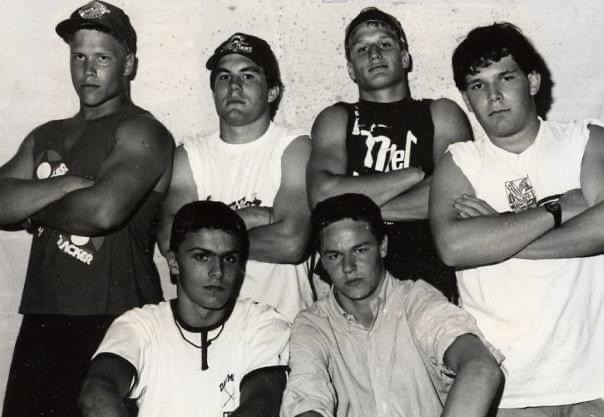
When I was in high school I was part of a few natural groups. I played football and felt like part of the team. I participated in track & field and I felt like I was part of that team too. The track team was far bigger and was co-ed. Which was cool. Both teams offered me a great sense of belonging and contributed to my identity. Although I discovered neither was an acceptable form of identity for the TSA or for most college bars.

College

When I attended the University of Wisconsin I continued my track and field career. The track team gave me a sense of belonging to a special group. It hit that Goldilocks sweet spot of being bigger than I was alone, which is key, but much smaller than the full student population at UW Madison of 43,000. The track team gave me a social group, an identity, and a support system that prevented me from ever feeling lost in the sea of studentia.

This was the 1995 Big 10 Championship team. We won again in 1996. And yes, we did have color photography back then. Just not colored media guides.

Work Work Work Work Work Like Rihanna.

After college, I joined the workforce. I felt a sense of belonging at each of the advertising agencies that employed me. Those included Cramer Krasselt, Engauge, and Moxie. Interestingly, I also felt a sense of belonging within many of my clients’ organizations. I’m not sure if that was a result of my strong personal relationships or my delusional thinking.

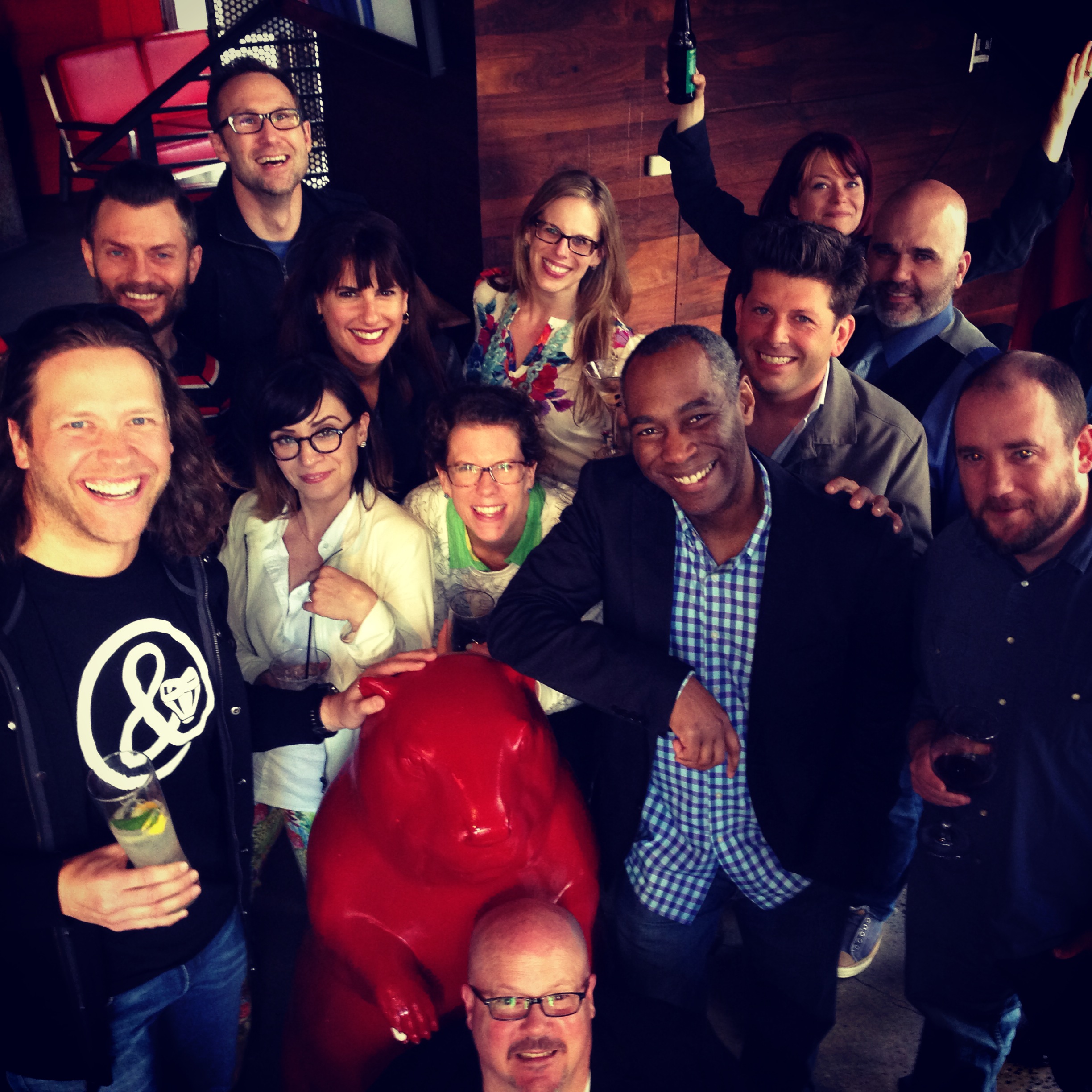
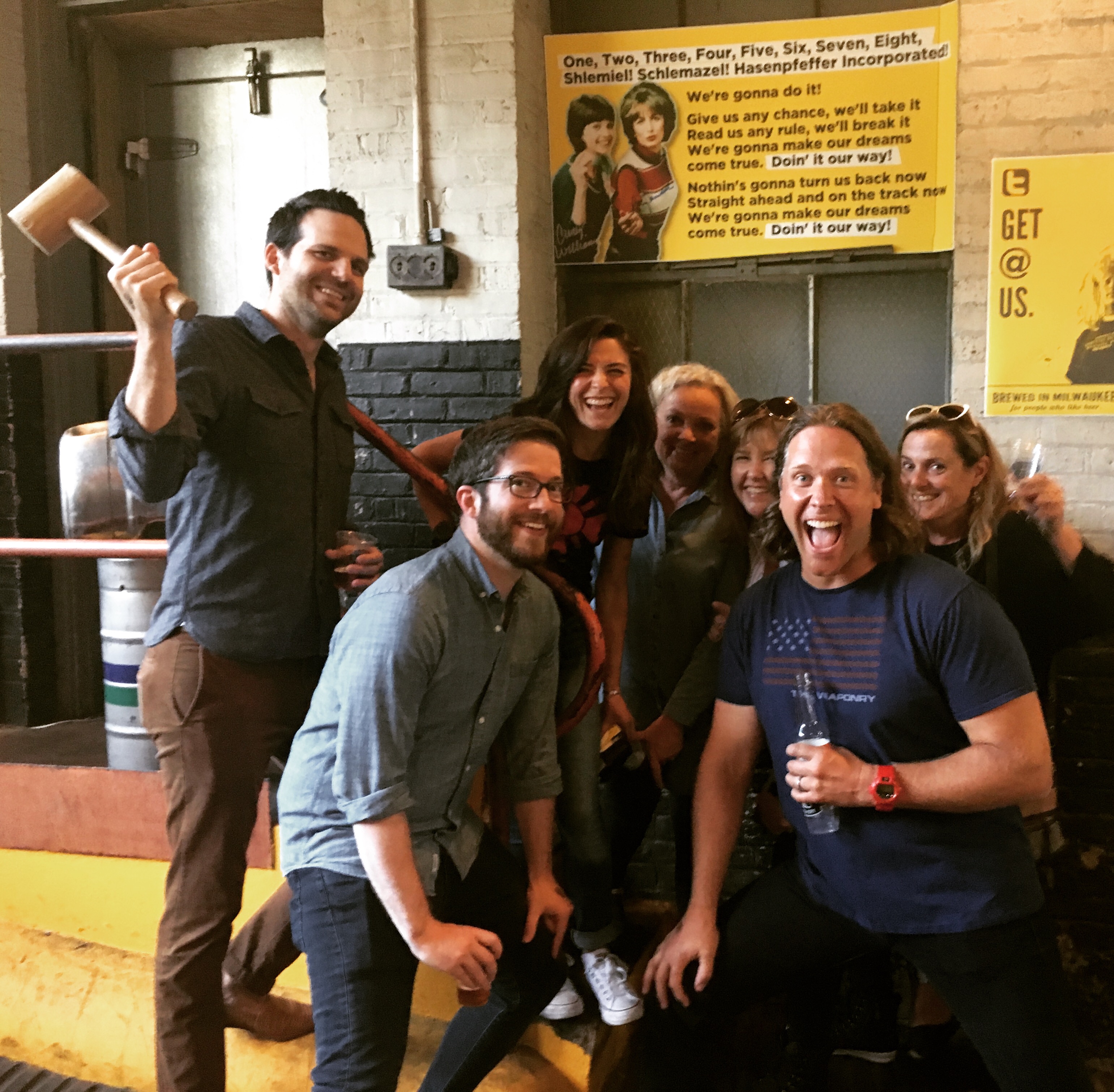
Coworker friends from NYC, Columbus, Pittsburgh and Atlanta.

Entrepreneurship

When I started my own advertising and idea agency, The Weaponry, I felt an extreme sense of belonging. Because I created the agency itself, the organization was born with a place for me. But thanks to Thomas Edison, this created a lightbulb moment for me.

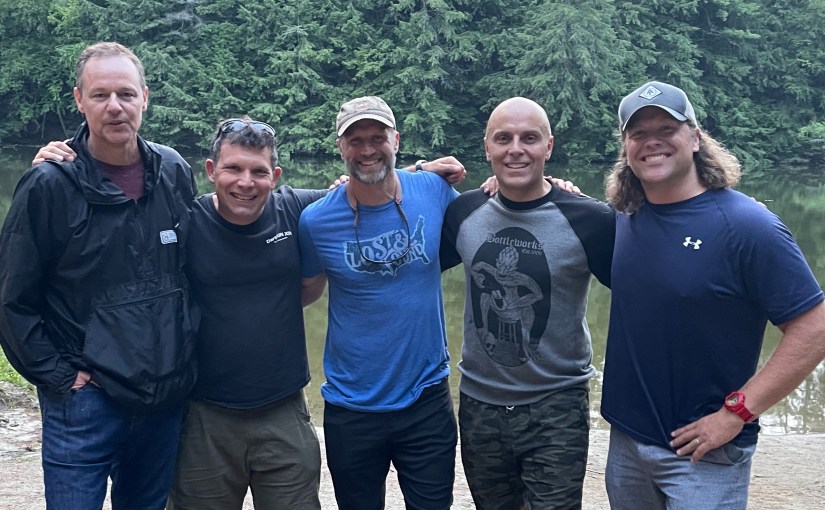
The Weaponry Friends.

What happened as a result of creating The Weaponry was that I realized that I had the power to create my own groups to be part of. So I started reforming social groups from my past that had disbanded because of the time and space continuum.

Getting The Band Back Together

I started with my original peer groups. I helped re-organize my high school football team. I helped pull together the guys from my class who played together. We now have a text group that chirps regularly with hilarity. We have Zoom calls to catch up. Thanks to our re-strengthened connections, we make real efforts to connect in person whenever we can. In fact, I have seen 6 of the guys in person this summer alone. (By alone I mean just during the summer. We weren’t alone. We were actually together.)

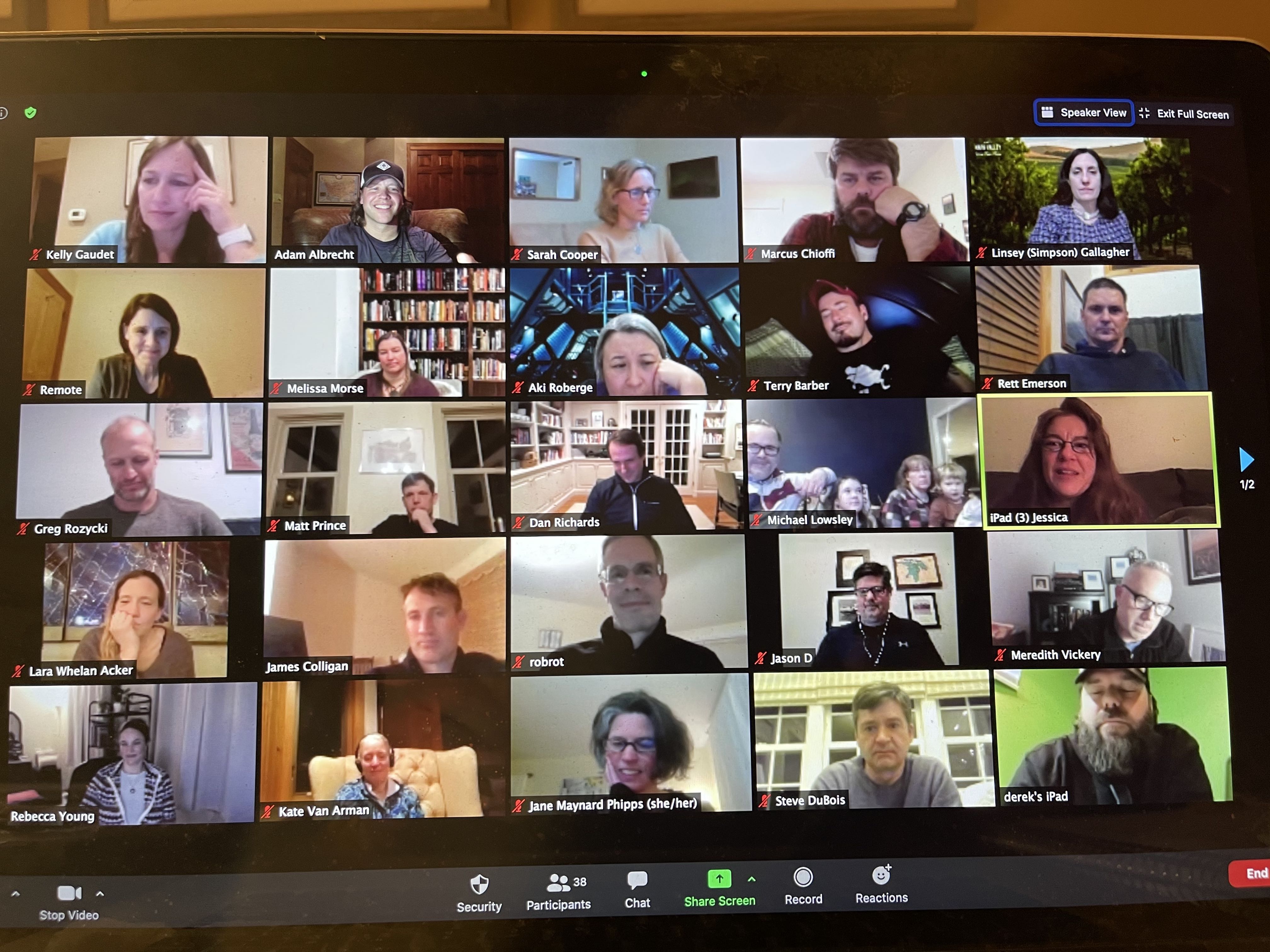
I helped my high school class get together via Zoom in February and in person in July.

Like adding water to orange juice concentrate, I also helped reconstitute my college track team. We now gather every couple of months on Zoom. Those relationships were a huge help in 2020 as we navigated health, financial, racial, and political craziness. Our team offered a trusted and safe space for a diverse family of brothers to discuss important but sensitive topics. We are also jonesing to gather again in person once our latest health crisis is behind us. (Oh, you didn’t know we had a health crisis?)

New Kids On The Block

However, I didn’t simply reform groups I had been part of in the past. I envisioned groups I wished existed. Then I started to create them too. Today, I regularly think about new and nuanced groups to create. Just as a chef considers recipes with new and novel combinations of ingredients, I think about how various people would form an interesting new social group. Then I make it happen. You can do it too. It’s easier and more rewarding than you think.

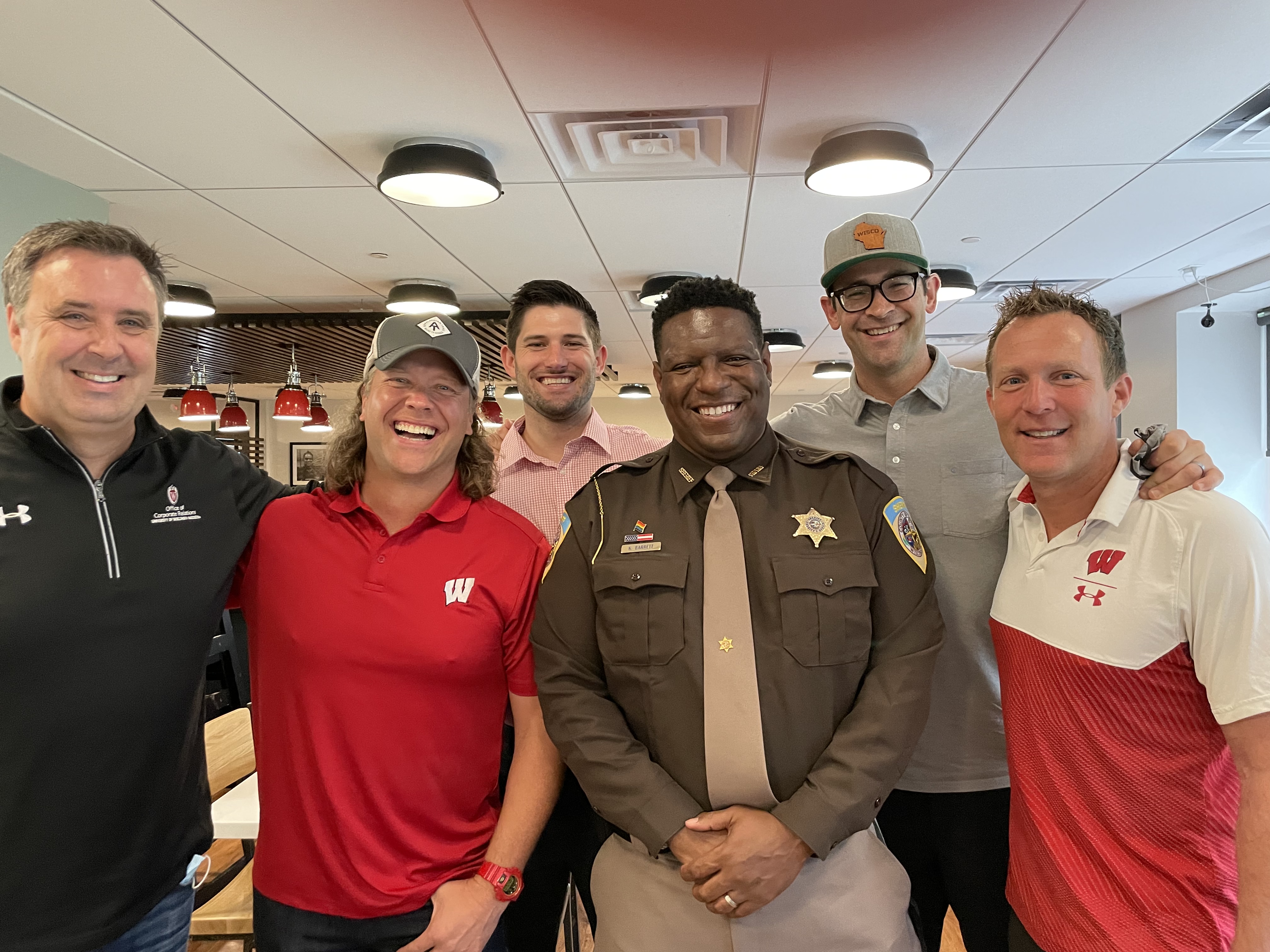
An original collection of former UW Badger varsity athletes.

Key Takeaway

Social groups are human creations. So create and maintain the groups you want to be part of. If you envision a great new group of humans, make it happen. If you want to recreate a group from the past, reform it. You will be surprised at how interested others are in being included in a social group, new or old. Most people simply don’t know they have the power to make it happen. Now you do.

*If you know someone who could benefit from this message, please share it with them.