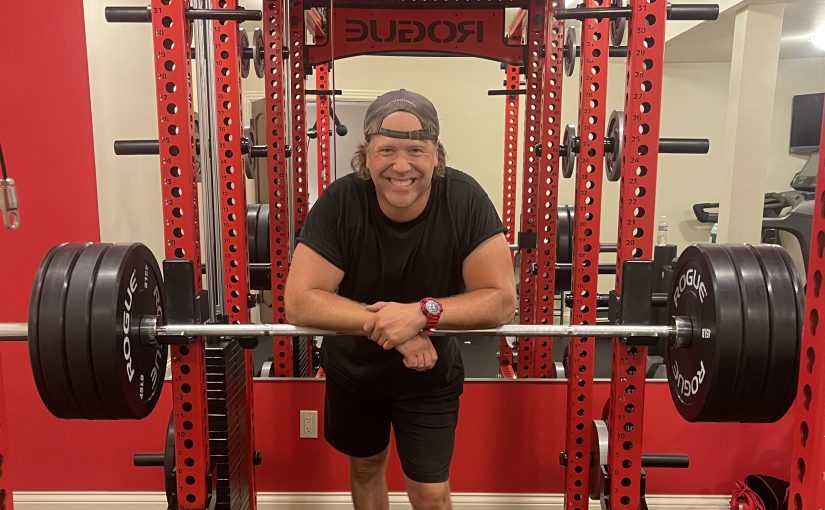
This spring, I began a Misogi Challenge. These are demanding personal challenges that push your limits in order to develop character, confidence and self-reliance. Win or lose, they create great stories that make your obituary a more interesting read.
Such challenges are meant to push your outer limits, with a high likelihood of failure. The 2 basic rules for a Misogi Challenge are that they should be really, really hard. But you are not supposed to die. I have found that there is plenty of room for suffering within those boundaries.
I first wrote about my Misogi bench press challenge back in early July in My Misogi Challenge 2025.
In my challenge I had 4 goals.
- To bench press 300 pounds. Because it is hard. And it’s a nice round number. Especially the two zeros at the end.
- To bench press 315 pounds. Because this is three 45 lb plates on each side of the bar, and it looks freaking awesome.
- To bench press 335 pounds. Because this was my maximum bench press when I was an 18-year-old high school student. Today, I am 52 years old, and have a white collar job that requires practically no physical labor beyond keyboard tickling.
- To live to fight another day. Because I also want to be smart and not push myself to an injury.
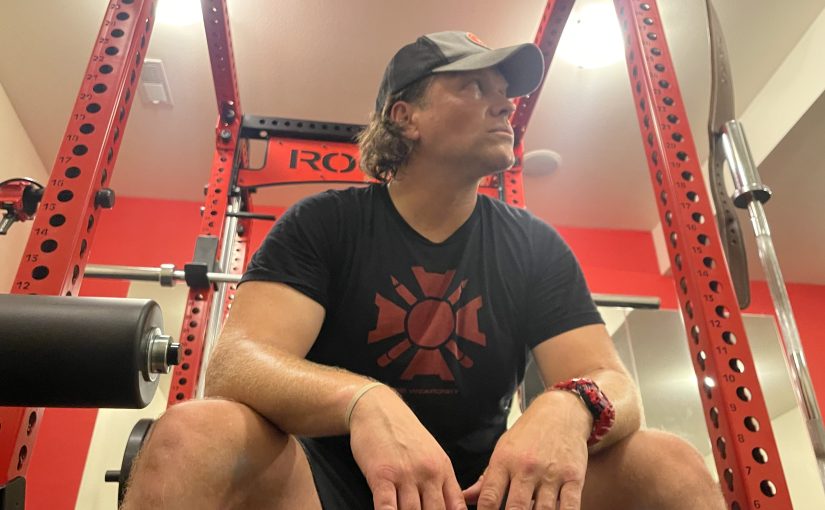
This past Sunday, I made my final push to complete my Misogi Bench Press Challenge. #punalwaysintended
I took on the final challenge in my home gym, with my 3 teenage mutant children Ava, Johann and Magnus as witnesses. Not only did I want them with me to spot me, but I knew that having my kids in the room watching would provide additional motivation. And I needed all I could get.
If I succeeded, I would be setting a great example of hard work, determination and personal accomplishment for my kids. If I failed, I would be showing my kids that sometimes we set lofty goals for ourselves, and we fall short. But it’s the attempt that matters. It is Man In The Arena stuff. Which is also Woman In The Arena stuff.
I started with a 10-minute warmup on my Matrix elliptical machine. Then I stretched well. I believe that my commitment to warming up and stretching before my workouts has been key to my performance, injury prevention and longevity. My body still works and feels mostly the way it should. And I still have most of my original factory parts.
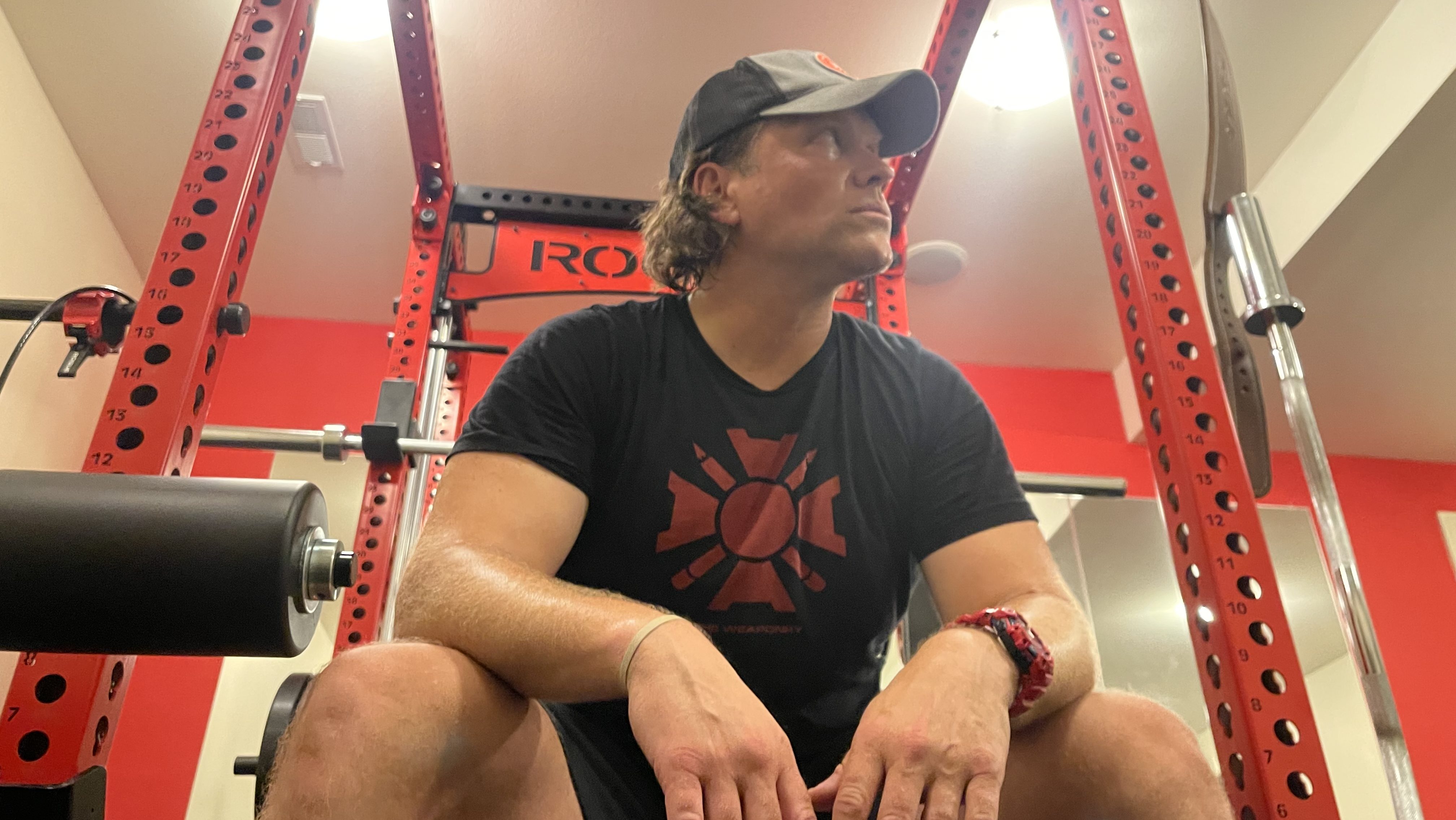
I listened to my Led Zeppelin, Get The Led Out playlist on Spotify as I warmed up:
- Tangerine
- Immigrant Song
- Gallows Pole
- When the Levee Breaks
- Kashmir
Here is my bench press workout progression:
135 lbs for 12 reps.
185 lbs for 6 reps.
225 lbs for 1 rep.
275 lbs for 1 rep.
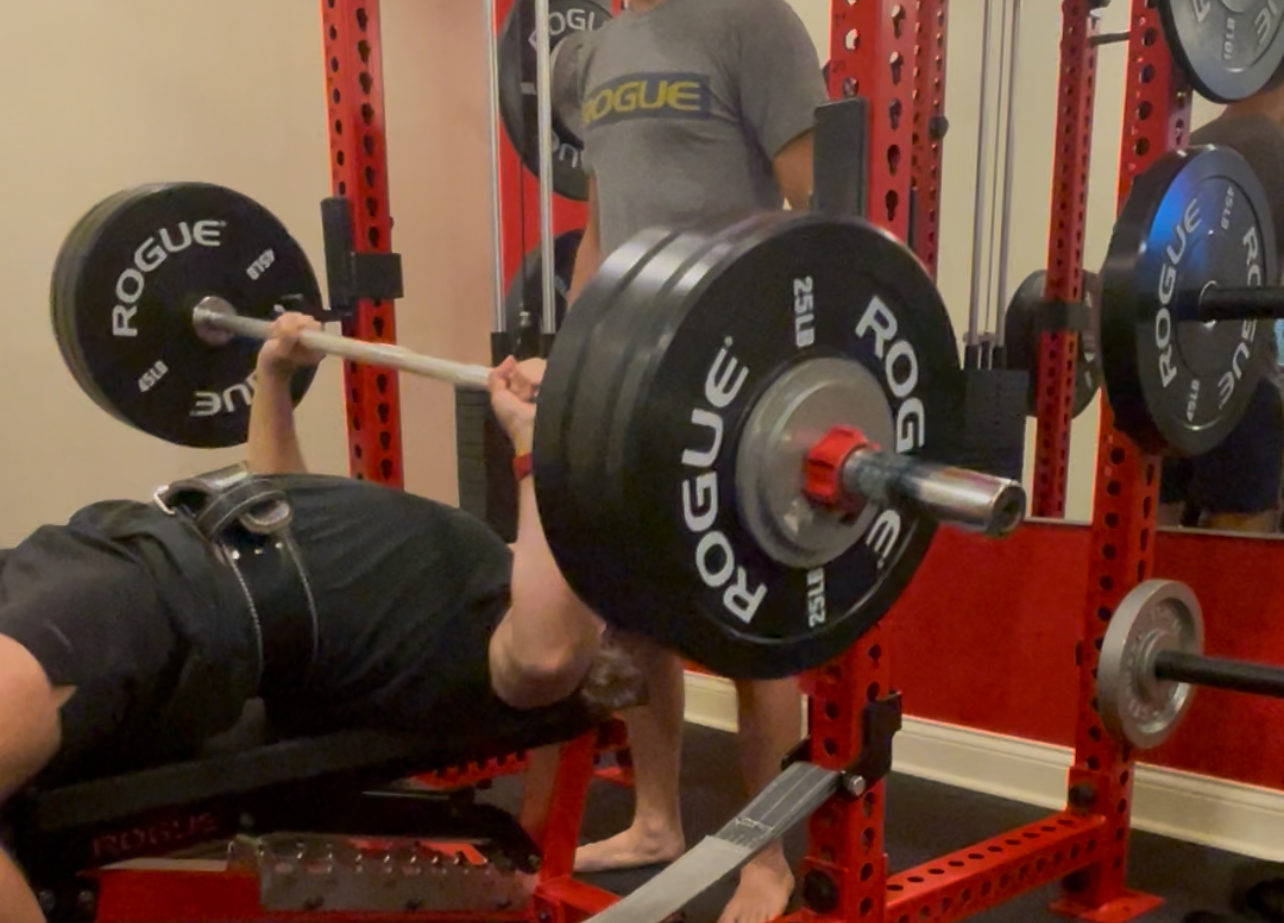
Then I called in my 18-year-old son Johann to spot me.
I hit 300 lbs for 1 rep. I have hit 300 lbs several times over the last 2 months. And the weight moved well.
Then I got to the meat of my final push.
I called Ava (19) and Magnus (15) into the room for both safety and additional motivation.
With 325 lbs on the bar, I cranked up AC/DC’s Back In Black on my AirPods. And I moved the bar easily.
I bumped up the weight to the penultimate weight of 330 lbs. I cranked up Renegades of Funk by Rage Against The Machine on my AirPods. Again, the weight moved smoothly.
So I readied myself for the goal weight of 335 pounds. This was the weight that I had been focused on for months. It would answer the question, ‘Can you be as strong at 52 years old as you were when you were a high school kid, training during the peak of your high school career?’ I was a strong 18-year-old kid. I was the state champ in the shot put. I was the New England Champion in the discus. And I never saw another kid in my high school bench 335 lbs or more.
To hit that same weight 34 years later was a daunting task. But a major win if I could do it. Because coming up just 5 lbs short of the mark would mean that I wasn’t quite as strong as I was at 18. Certainly understandable. But also a bummer to lose the competition with my 18-year-old Zubaz-wearing self.
I prowled around the room, yelling motivation to myself. I have always been my own best hype man. I worked myself into a lather in a process I call Summoning. The basic premise is that we all have some maximum physical capability. The key to acheiving the maximum physical performance is to summon as much of your capacity as you can. So I summon as much energy, focus and fury as I can. It may be a little embarrassing to see on film, but it has always driven results. So I go with it.
I had Limp Bizkit’s Rollin’ (Air Raid Vehicle) on 11 in my AirPods. This is my go-to bench press song. Something about the lyrics (Breathe In now Breathe out, Hands up now Hands down…) feels highly appropriate for bench pressing. Plus, swear words get me hyped. (Sorry, Mom.)
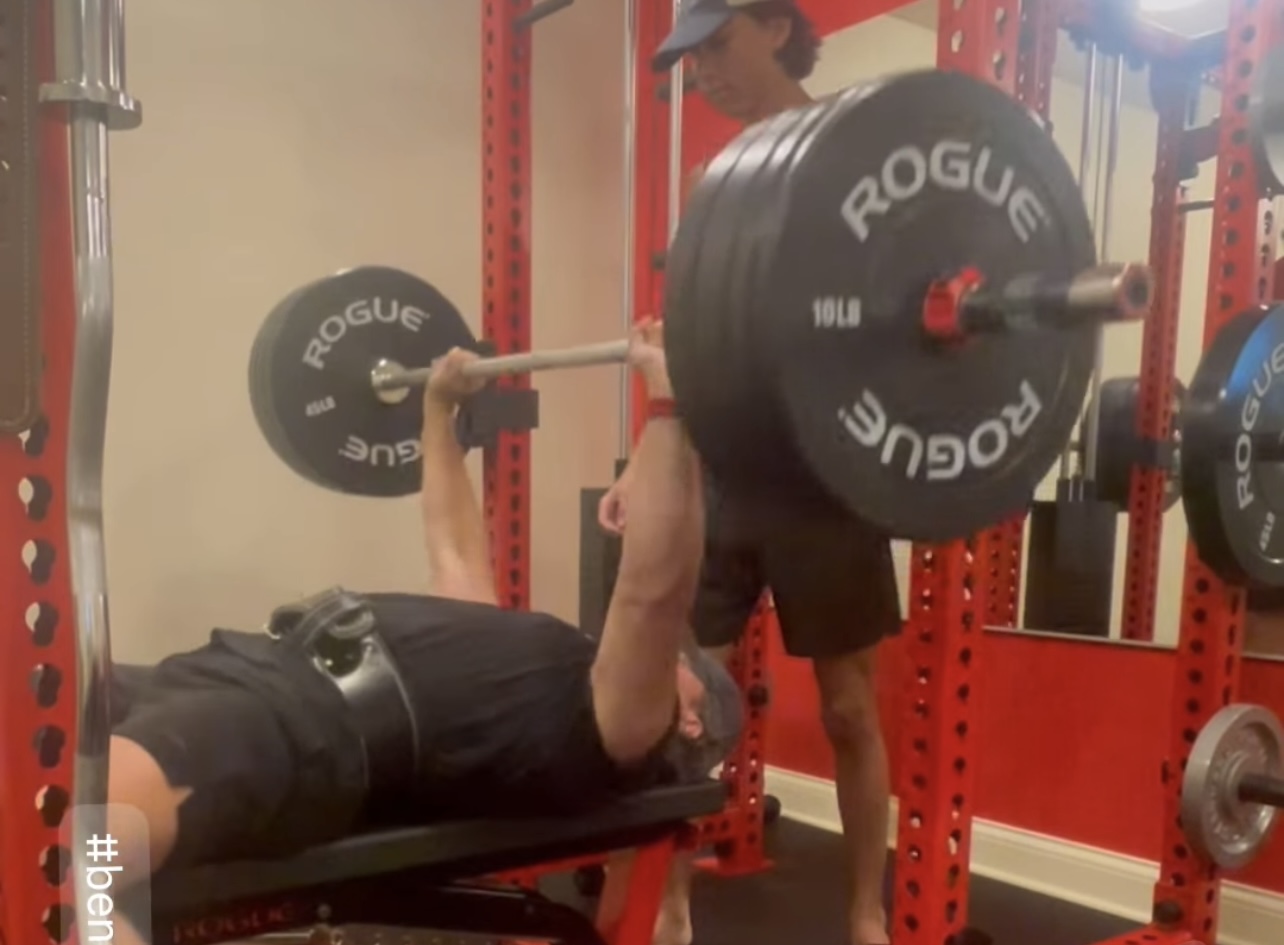
I lay down on the bench, gripped the bar, and twisted it until it felt just right. I counted aloud, 1…2…3! And hoisted the bar off the red Rogue rack. I lowered the fully-loaded bar down to my chest and pushed with everything I had.
And the bar began to rise off my chest.
I knew I had it.
I began to yell as I pushed the bar through the full range of motion.
My kids didn’t even get a chance to yell encouragement at me, because I was yelling at myself. And the bar was obviously moving north.
I locked out the top position, re-racked the bar, and went freaking nutz-o!
I was so hyped I just kept yelling, and celebrating. I grabbed the hands of each of my 3 kids who were spotting me. Johann, then Magnus then Ava.
Then I turned and yelled at the camera. It was a Seven-Yeah Celebration. Like Usher would do.
I was so freaking hyped!
I had set a high bar for this Misogi Challenge.
And I met it.
With all 3 of my kids as witnesses.
And 2 cameras rolling, to catch the result, win or lose.
But I knew I hadn’t hit my limit. So I decided to try one more attempt. This would be above my goal weight. So I turned to Ava, my most experienced offspring in the iron arts, and asked, ‘Should I go for 340 or 345 lbs?’
Without hesitating, she said, ‘340. You always tell me to make sure I get the lift, rather than stretching too far.’
So she served up the good advice I had been dishing out. And I took it.
Now I was playing with house money. Plus, at that point, I had happy-hype coursing through my system.
5 minutes later, with Black Sabbath’s Iron Man sawing through my AirPods, I lay down under the bar, again. I un-racked the bar, lowered it and pressed. The weight moved. My kids blasted me with encouragement. I pushed at full strength until I had locked out the weight. Then I re-racked the bar.
I was instantly flooded with my favorite feeling: MaxHap. It’s the term I use for maximum happiness. It’s my version of self-actualization. Or flow. Or euphoria. It’s the drug that Huey Lewis was seeking. And I still haven’t found a negative side effect.
Everything had gone right. I set and met a hard goal, with a high chance of failure. Then I exceeded it. Which meant that I can say definitively that I am stronger at 52 than I was at 18. And I was 6 feet tall and 215 pounds back then. And headed to the University of Wisconsin to throw for the Badgers. Yet somehow, 34 years later, I was still pushing myself. That’s some crazy train stuff, Ozzy!
But even better, I experienced this with my kids. They were all in the room where it happened. They saw me attempt something hard and succeed. They saw me working towards my goal for months. They saw me fail reps along the way, but I kept on going. They saw the focus, determination and craziness that I tapped into to rise to the occasion. They were there to encourage me. And to catch me if I failed.
That was an amazing experience.
Now I am done with this challenge. I have banked the results in my list of life experiences. It has bolstered my confidence and my belief that I can handle hard things. So I move forward, mentally stronger than I was before I started. Which is the whole point of the challenge.
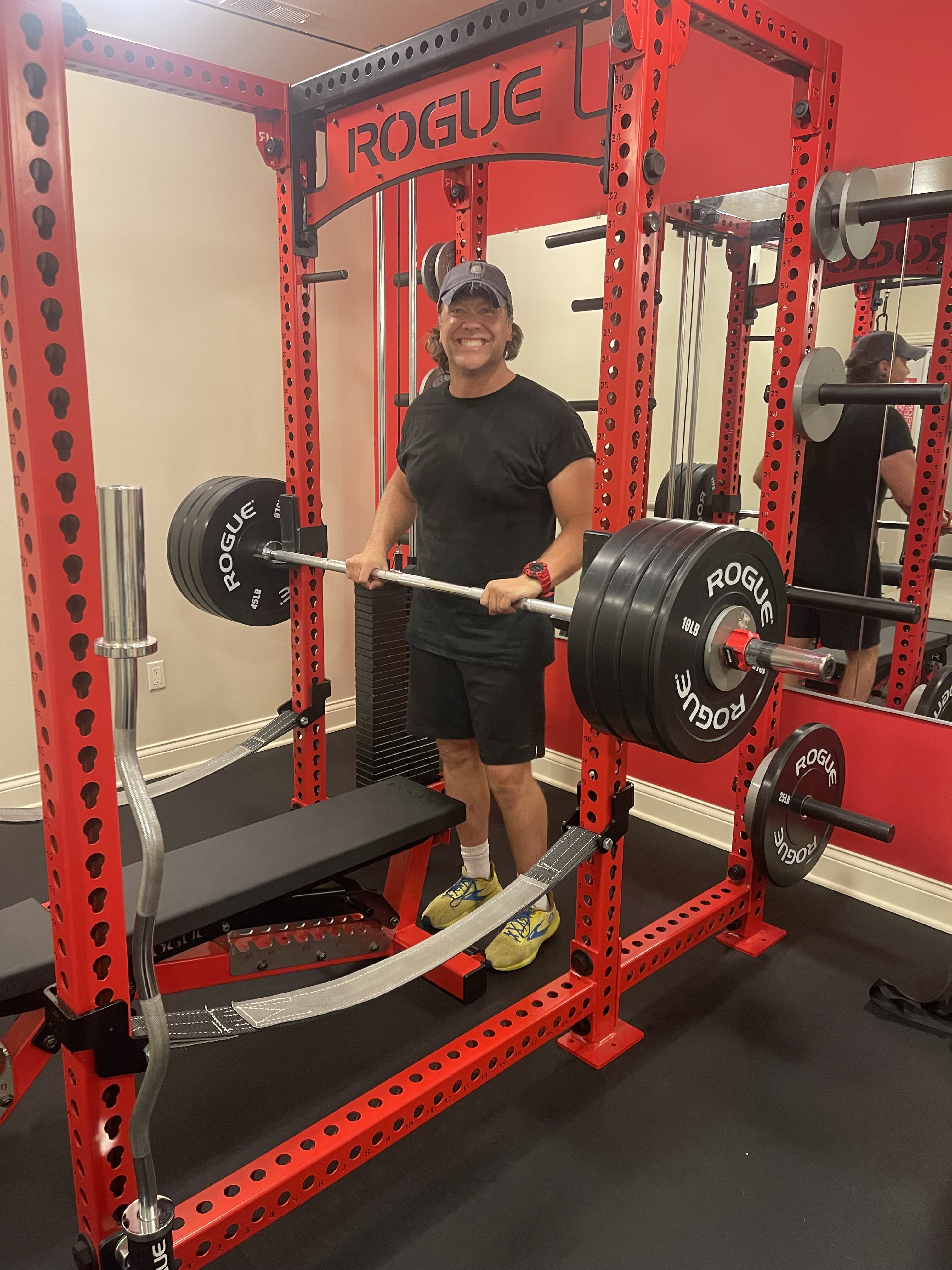
Key Takeaway
Push yourself to do hard things. Stretch your limits. Test yourself. Make commitments to yourself that are hard to keep. Then keep them anyway. It will build your confidence and self-reliance. It will toughen you up. The work and the suffering and pushing past your past limits make you feel alive and ready for anything. Give yourself a Misogi Challenge. Because when the world becomes too comfortable, you need to seek out discomfort to grow and experience life more deeply. Make it a regular part of your life. It will help you live a life worth talking about. Which means that whether or not you win or lose your self-challenge, you win at life.
*If you know someone who could benefit from this message, please share it with them.
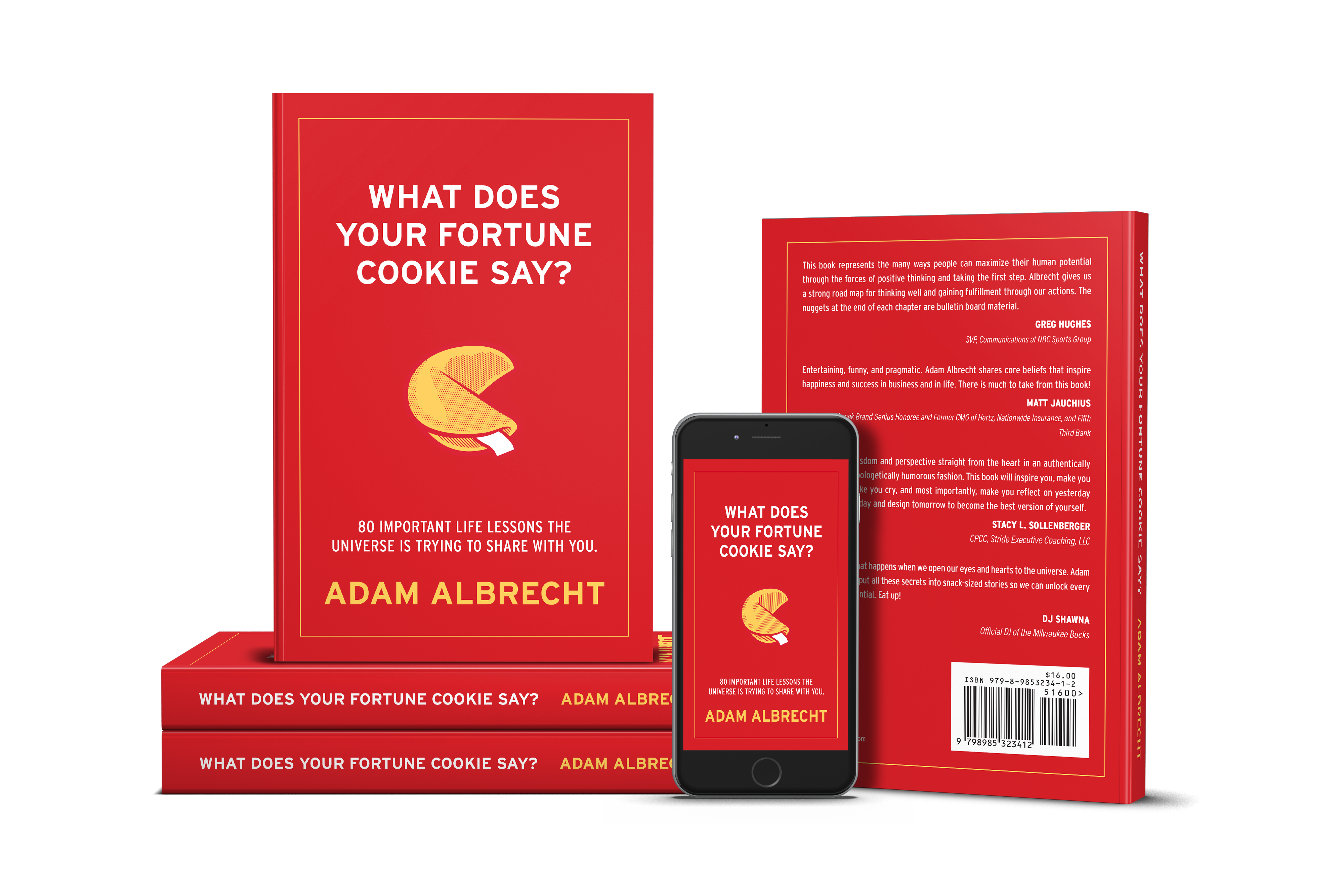
+For more of the best life lessons I have learned check out my book, What Does Your Fortune Cookie Say? from Ripples Media.And consider subscribing to Adam’s Good Newsletter.

 Adam Albrecht Blog