There is always more work to do.

When I wrote my first book What Does Your Fortune Cookie Say? I quickly recognized that writing a book is like running 3 marathons.

  1. The Writing Marathon
  2. The Publishing Marathon.
  3. The Promotional Marathon.

The writing and publishing marathons are finite. You complete them and move on. (You should also shower and rehydrate.)

But the promotional marathon only ends when you stop. And when you stop promoting your book your book stops selling.

It’s a good reminder that when you have products or services to sell, you should never stop promoting them. Otherwise, they lose awareness and, in turn, lose value. Because they only have value when people see them, think about them, and value them.

Which means that more exposure leads to greater appreciation. Which leads to preference, desire and demand.

This is how you generate value for your organization.

It’s also how you generate more value for your personal brand.

People have to know you to know your value.

They have to desire what you have in order to give you their money, honey.

If you are unknown, you are also uncompensated.

If your offerings are invisible, they are inconsequential.

If potential customers and clients don’t see you, they won’t see value in you. Unless you sell Invisibility Cloaks. In which case, the opposite is true.

This is why advertising is so valuable.

It’s why trade shows are valuable.

And public relations.

And talking about your offering on social media.

And promotions of all sorts. Even the wacky stuff.

We created The Weaponry to help our clients with all of these activities.

Because the more people who know you, the more they help grow you.

Key Takeaway

Create products worthy of promotion. Offer services that people want. Then talk about them as much as you can. There are always more people who should know about you, your products and your services. You will reap the rewards until the talking stops. Which is why advertising is a never-ending discipline.

*If you know someone who could benefit from this message, please share it with them.

+For more of the best life lessons I have learned check out my book, What Does Your Fortune Cookie Say? from Ripples Media. And consider subscribing to Adam’s Good Newsletter.
Why you need to have a need for speed.

If there is one defining factor of how the world works today versus any other time in history it is speed.

Today, everything happens faster. Not just Jimmy John’s. And Tinactin.

Communication technology has advanced from mail, to email to Slack and texting. Information arrives instantly.

News can be reported with a tweet, just seconds after it occurs.

You can stream practically anything you want to watch on demand, anytime.

AI has squeezed the gestational period of our research, discovery, query and analysis down to a mere burp.

So Why All The Slow Motion?

Yet, with all of the technology enabling us to move at Lightning McQueen-speed, I am constantly surprised by how slow many organizations move.

Nearly all technological friction has been taken out of our systems, yet human friction is still ubiquitous. K, why is that?

Human decision making, prioritization and hesitation still kill momentum, push deadlines and slow progress to a snail-mail’s pace.

The Weaponry, the advertising and ideas agency I lead, was launched 9 years ago, and the urgency of the social era was baked into our DNA. Because in the social era, opportunities come and go in a flash. In the social era, you must harvest social opportunities during the very short season when the opportunities are ripe. This can be as short as a few seconds, but never longer than a couple of days.

One of the mandates for our organization is to operate with the urgency of social media. Move quickly. Jump on opportunities. Thwart threats quickly. Move faster than other organizations. It was programmed into our genomic code from the start.

When we present timelines in our proposals, we share aggressive timelines, and note that this timeline only works if the client can keep up, and turn approvals around within our reasonable, but not generous, turnaround periods.

Yet as much as we hear about how important the work we do is to our clients’ success and how they want to get it done quickly, organizations can rarely keep up with their own ambitions. They are simply not built for speed and urgency.

While not all windows of opportunity close as quickly as social media does, all opportunities are finite.

When you fail to get your advertising in market in time, you also fail to drive sales during that time. For seasonal businesses, that is revenue lost forever. For non-seasonal businesses, it means your sales slide later in the year or into the next year. When you delay decisions, your overall revenue numbers for the current month, quarter or year are lower than they should be. That’s a loss. And an avoidable one.

My friend and client Bob Monnat, Senior Partner at Mandel Group Inc, shared some insights with me about one of his organization’s best partners. He revealed that they are great partners because they are always pushing them to move faster, to decide quicker, to get the work done so that they can ultimately turn their projects into cash-flowing assets.

Never lose sight of the reason businesses exist. They are created to make money. And time is money. The quicker you move, the more money you are likely to make.

Key Takeaway

Move faster. Today, advanced technology means that the slowest part of the process is the humans who have the most to gain. Slow actions and slow decisions cause wasteful delays. Identify the bottlenecks and pinch points in your process. Then attack them. Address your delays to help move your organization faster so that everyone can enjoy the success of speed. It is today’s competitive advantage.

*If you know someone who could benefit from this message, please share it with them.

+For more of the best life lessons I have learned check out my book, What Does Your Fortune Cookie Say? from Ripples Media. And consider subscribing to Adam’s Good Newsletter.

You vs You: The Ultimate Battle for Success.

When you think about the people standing between you and your hopes and dreams, you probably think about your competitors.

Or criminals.

Or cheaters.

You know, the people willing to harm you for their own self-interest.

But do you recognize that the person most likely to prevent you from meeting your goals in every area of your life is you?

The simple, undeniable truth is that you are your own worst enemy.

Your life’s greatest battles will be You vs You.

You are the one who decides not to do the things you said you would do.

You are the one who doesn’t live up to your commitments.

You are the one that cuts corners.

Who sleeps in.

Who mails it in.

Who opts out.

Who half-asses it when a full ass is required.

You are the one who gets too tired.

Or thinks it’s too late.

You are the one who will want rest more than you want reward.

You are the one who gives in to short-term thinking instead of long-term benefits.

You are the only one who can violate your own code of conduct.

You are the person most likely to talk yourself out of action.

Remember, to be great, happy and fulfilled, you have to overcome yourself.

You have to defend yourself from negative self talk.

You have to deny your own excuses.

You have to constantly argue against the valid arguments you present to yourself that would make it rational to quit.

You have to build self-defense systems against yourself.

You have to prioritize your long-term vision, your mission, your purpose and your goals over every excuse you come up with not to do what you know you have to do to be successful.

You have to decide that when you don’t feel like doing the thing, you do the thing anyway.

You have to be a badass today so you are not a sadass tomorrow.

You have to continuously prove to yourself that you do hard things.

In fact, you love to do hard things.

You don’t accept excuses. Not even really good ones, with whipped cream on top.

You have to do everything you can to make future you happier, healthier, wealthier, fitter, and closer to your heavenly ideal than current you.

You have to deny that first fucking marshmallow every time.

Always hold out for the bigger prize.

For the magical power of compound interest.

Focus on the long-term benefits of exercise.

Keep your weight in your acceptable zone.

Getting to the church on time. Like David Bowie said.

Never forget that you are your greatest ally.

You are your own bodyguard. Your own Frank Farmer.

You are your dream defender.

You are the person you can rely on most.

You are the one who writes your own rule book. So you know how to respond when tempted by the fruit of another other.

You are your own best armor.

You are your own biggest cheerleader.

You are the one who says I am not giving in yet.

You are the person who decided to hold on for ten more minutes.

Or to hold out for another day.

You are the one who reminds yourself that the couch and the TV will be there when you are done.

You are the one who sets the alarm. And gets up early. Even on vacation. Even on Holidays.

You do your things, even when the rest of the world doesn’t care if you don’t.

You are the one who sets your own deadlines. And hits your own deadlines.

You are the one who tells yourself that you don’t do what everyone else does.

Your rules are tougher.

Your requirements are harder.

Your standards are higher.

Because in the greatest battles you will ever fight, you have to beat you.

And when you do, you win at life.


*If you know someone who could benefit from this message, please share it with them.

+For more of the best life lessons I have learned check out my book, What Does Your Fortune Cookie Say? from Ripples Media.

11 Essential Truths About Great Advertising.

Advertising is typically thought of as a creative endeavor. More Art Garfunkel than science. But here are 11 simple truths about making great and effective advertising that every marketer, businessperson and communications professional should know. At The Weaponry, these truths drive everything we do. Here they are in a particular order.

11 Truths About Great Advertising.

1. It stems from great strategy: All great advertising and marketing begins with a great strategy. You have to know how you win. You need to know which of your advantages to leverage. You need to know who your audience is. And what they need to hear from you in order to give you their money, their vote, or their blood.

2. It differentiates. Great advertising sets you apart from the crowd. You are no longer a commodity. You are special. Like that little girl from The Help. This is the power we build into strong brands. It makes you irreplaceable. You want to be seen as a special exception. Be the option that sparkles and calls your customer’s name. They have to think, This is the brand that gets me.

3. You haven’t seen or heard it before. Great advertising feels new. It tickles a part of the brain that has never been tickled before. It offers phrases, imagery, design, or attitude that you have never encountered before. Which helps your advertising land in a new place on the perceptual map. Like new art. Or Chipotle. Which is why so many new food concepts are now described as the Chipotle of their cuisine type. You also know that Chipotle has built a strong brand because when people tell you they are going to grab Chipotle, you don’t imagine them grabbing a smoke-dried jalapeno.

4. You have to earn a longer leash to create it. Great advertising often represents a perceived risk. Because it feels different than what you’ve seen from the brand or the category before. Which means that the client-approver needs to trust the creators. The client approvers must trust that the creators have their best interest at heart. They must trust that this is a smart and calculated departure from the past, or from a norm. (Norm!!!) They must trust that you know what you are doing. This type of trust, which I call earning rope, or earning leash, takes time. Sometimes this is earned through a handful of interactions, like during the new business pitch process. Sometimes this is earned over years of working together. But without first earning trust, advertisers are less likely to jump the gap with you. (Which has nothing to do with mugging people at The Gap. Or minding the gap. Or Michael Strahan.)

5. It avoids layers of approval. Great advertising doesn’t get approved by an army of approvers. The more approvers that are involved, the more likely the work gets pushed right back to the center of the expected range from your category. The people who will be approving the great work should all be in the room or on the Zoom when the great work is presented. They should be exposed to the strategic thinking and the insights that birthed the idea. And they should be able to compare the work in question to the other ideas presented and their relative merits. (Not the merits of their relatives.)

6. It can not be evaluated devoid of the strategy. To judge great creative work you need to know the strategy. This is critical. If you don’t know the strategy the work can’t be right and it can’t be wrong. The strategy represents the aim of the work. Without knowing the aim, you can’t know if it hit the target. Armchair quarterbacks don’t know what the insiders know. You have to know the insider information to judge the idea and the execution.

7. A great idea gets better partners than your budget deserves. Creative people love creative ideas. They are more interested in bringing a creative idea to life than making money. Which means they will often slash their rates or even do work for free to be involved in great creative work that they can add to their portfolio, reel, or website. As a result, a great creative idea attracts talent and resources beyond what you can afford. So great ideas often get favorable treatment and privileges that ordinary work does not. In turn, it gets even greater at each step in the process.

8. You have to sweat the details. To make great advertising, you have to start with a great idea. But then you have to pay attention to all of the details throughout the process. You have to set high standards for every aspect of the work, and then be vigilant, and critical, to ensure that every element is done right. The words, colors, imagery, size of everything, performances, sound, casting, announcer, kerning, leading editing, graphics, photography, and retouching all have to be right. A flaw in any of those areas can ruin the whole thing. Like the pea under the mattress, the fly in the soup, or the toothy grin on Mona Lisa.

9. It causes envy. Great work may seem subjective. And in some ways it is. Supreme Court Justice Potter Steward once remarked that hardcore pornography may be hard to define, but “I know it when I see it.’ The same holds true for great advertising. The measure I always use is that it creates envy. When I see great advertising, I wish I had created it. I wish I had it in more portfolio. I wish I could brag about it. In fact, when I am hiring creative talent that is my requirement. The candidate must have work in their portfolio that makes me jealous. That’s what great advertising does. And indeed, great work of any type should create envy. (Side note: Don’t you wonder just how much hardcore porn Justice Steward has seen?)

10. It drives results. Great advertising can’t be great without driving results. Results don’t just mean sales. Because there are other factors that advertising can’t overcome that impact a final sale. But great advertising must drive interest, or engagement, inquiries, calls, store visits, website traffic, leads, votes or whatever it was intended to do. Ultimately, this is the measure that trumps everything else. (That was not a political sentence.) Agencies and marketers alike win when the work works.

11. It makes people look forward to your next idea. Great advertising flips the dynamics in the favor of the advertiser. The audience no longer sees you as an interrupter. They see you as interesting, entertaining, smart, or funny. They see you as adding value to their lives. And when you do that, the world looks forward to what you do next. They want to know what great idea you will share next. Whether it’s your funny Super Bowl commercials, your engaging content, your frame-worthy print ads, your stunning billboards, or your crazy stunts, great advertising means you are no longer interrupting. You are anticipated. You are sought out. This is the ultimate benefit of great advertising. The gatekeeper is keeping an eye out for you. And when you appear, they invite you to cut the line and make your way inside.

Key Takeaway

Great advertising is fundamentally different than technically sound advertising. It is created differently. It is approved differently. It triggers a different and more valuable response from your audience. Great advertising offers tremendous value and creates advantages that help you win your unfair share of the pie. If your advertising is not great, revisit this list to understand why and where it may have gone wrong. Then fix it. You always have the ability to get it right.

*If you know someone who could benefit from this message, please share it with them.

+For more of the best life lessons I have learned check out my book, What Does Your Fortune Cookie Say? from Ripples Media.

The Super Bowl commercials that I loved.

So the game might not have been as good as people predicted. But the commercials were great. I thought this was one of the best overall crop of Super Bowl commercials since the dot com era when companies were burning money on clapping monkeys.

I know you have work to do today, so let’s get right to the things I loved.

And if you need links to see all the Super Bowl ads you can find them here.

Now, on to the Super Bowl commercials I liked!

Skechers. Martha Stewart Glide Stepping in her Skechers was both funny and surprising. And it’s not just surprising because she once went to jail for glide-stepping past insider trading laws.

YouTube TV: Their spot focused on how we miss important moments when watching sports on TV. Ironically, I had to rewind the commercial twice to hear what it was about because people in my Super Bowl viewing center were being too loud for me to hear. (It has to be annoying to watch the game with someone who is actually studying the commercials and taking notes. Sorry, Fam.)

Pfizer: The boy boxer fighting cancer to L.L. Cool J’s ‘Mama Said Knock You Out’ was arresting, interesting, epic and important. The message at the end, that Pfizer is on a mission to cure 8 cancers by the year 2030 was big. Go Pfizer. I hope you win!

T-Mobile: Introducing Starklink for everyone, everywhere was an attention-getting announcement. If I can see the sky, I can connect to the Starlink network. They went big, not funny. And it made me pay attention. Because my travels and adventures take me to the middle of nowhere. Time will tell whether this was an announcement of a huge shift, or a beta max moment.

Little Caesars: The Eyebrow gag was wacky and very in line with the Little Caesars brand I knew in my twenties. I always like it when a brand gets back to what has worked for it in the past. Especially a brand that sells Pizza Pizza.

Homes.com: The 2 spots about their legal inability to claim that they are the best were funny, well-written, well-directed and well-acted. Like Baby Jessica. They did a good job of simply telling us they are the best. (Or that they think they are the best.) I have sat in many meetings with buzz-killing lawyers who were trying to shoot down all of the crafty ways I came up with to write around their objections. So this spot really hit homes.com for me.

Budweiser: The Clydesdales never disappoint. That little fella has a bright future. It was good to see Budweiser doing Budweiser things.

Ray-Ban Meta: The 2 commercials I saw were both really funny and clearly conveyed how the Ray-Ban Meta glasses benefit you. They made me like the idea of the glasses and what they can do for me. Plus, the glasses look like the Ray-Bans I already wear. So I assume they studied me to determine what the world would wear. Which would mean they thought I was the most average human. Hmmm.

IndyCar: was among the very best advertisers of the night. Their interesting, if not over-the-top micro biographies of some of their top drivers was well played. I have spent a lot of time marketing racing. And it is all about the connection to the driver. Formula-1 has done a great job with this. NASCAR has always had an every-man, or every-Danica appeal. Good to see IndyCar figuring out the formula. Because once you know a bit about the drivers you should care about, you find yourself following the storyline of the sport, even casually. Plus, they showed the really, really good looking drivers, that even the ladies who aren’t into racing will find interesting. It’s the law of attractive.

Doritos: Sure, I’m down for aliens and earthlings both loving Doritos and fighting over them in a death match. Plus, the UFO blows up. And that’s good television. When in doubt, lean on extreme consequences.

Mountain Dew Baja Blast: The spot featuring the singer Seal as a real seal was super silly. (But he was not playing the Real Seal that certifies that a product is made with real dairy ingredients.) I loved this commercial. And I love lime. I am big on silly. And this was ridiculously silly. (If you are going silly, go all the way. No one wants somewhat silly, Billy.)

Instacart: This spot was big and entertaining. And I realized I could get all my favorite brands through Instacart. Not to be confused with IndyCar. Although they both have drivers. And milk.

Coors Light: The slothy Case of The Mondays spot was fun to watch. Sloths doing most things that require swift action is funny. And this was done well. And slow. While insightfully reflecting how football fans feel the day after enjoying a lot of NFL football. Especially after watching the Sunday night game from the East Coast. Which is why I live on the Midwest Coast.

Uber Eats: We’ve seen the brand highlight the football and food connection before. But this went deeper, broader and funnier than ever. It was kinda like the 1883 and 1923 of Yellowstone. But funnier. And with less death. Good work Uber Eats and Matthew McAlrightAlrightAlright. You really delivered.

WeatherTech: I love wild older women. And the WeatherTech women were like a pack of wild honey badgers who didn’t give an eff. Because they were using protection. WeatherTech protection.

Google Pixel Gemini: The story of the stay-at-home Dad who had raised his daughter, or daughters, or kids, and was now getting some help interviewing to get back into the outside the home workspace was very touching. Even for this stay-at-work Dad.

Rocket: These people created a great spot selling the importance, value and comfort of home, using John Denver’s Take Me Home, Country Road as the songtrack. It was interesting, memorable and emotional. They were smart to focus on the love for home, not on the mortgage rates at a time when all mortgage rates are Rocky Mountain High. But then they took a great spot and improved it by cutting to the entire Superdome singing Take Me Home Country Road, while the Rocket signage lit up the stadium, and the broadcasters called out the fact that this special moment was brought to you by Rocket. They crushed it with the live broadcast integration. Side Note: I couldn’t help but think that song must have been what people were singing at the Superdome during Hurricane Katrina.

He Gets Us/Jesus: This spot was powerful. It was beautiful and human. I loved it. It was very touching. It was one of the top 3 spots I was most jealous of. (I will be attaching this evaluation to the application I submit at the Pearly Gates.)

Liquid Death: I liked this spot with people singing about drinking on the job. It is very in line with the brand. After all, they portray interesting misdirection in everything they do. Because Liquid Death is basically well-marketed water, and a tiny bit of tea. But it sounds badass. So good-on you for leaning into that misdirection on a massive stage and recruiting more pseudo-rebels to the brand.

ChatGPT: This spot was beautiful and intriguing. I loved the graphics and animation. I would need to watch it again to follow the storyline of the evolution of human innovation. I am not sure I could have held out until the last couple of seconds of this 60 second/$16 million spot to reveal my logo.

NFL: The ‘I am Somebody’ spot and the spot about getting flag football for girls into high school sports in all 50 states were interesting and positive, and they shined a very positive light on the NFL. I don’t think they needed Mullet Brad to be the enemy of girls’ flag football. I know several of those guys, and I think they would think it was cool for girls, including their daughters, to play football.

Ram: The Goldilocks spot featuring The Golden Boy Glen Powell was epic, funny and badass. It was a fun twist on a classic story we all know. Not only was it really fun to watch, it highlighted the new products in the Ram lineup, which included a lot of electricity. (I also wish I had created this spot.)

Hellmann’s: The reprisal of the classic fake orgasm scene from When Harry Met Sally was fun and funny. And it made a clear point about how Hellmann’s makes a sandwich taste mindblowing. It would have been easy to overdo or underdo this scene. Clearly, they hit the right spot.

Pringles: The flying mustaches delivering Pringles cans to those facing a Pringles outage was interesting and memorable. I don’t love a recipe that includes both hair and food for appetite appeal reasons. But I get that the super stache is part of Pringles’ brand iconography. Plus, it provided for some memorable gags that weren’t related to grossness.

Nike: The Nike women in sports spot was huge. Building on the insight that women often feel as if they can’t win no matter what they do is a strong approach. The line, ‘You can’t win. So win.’ creates a great rallying cry and motivator for female athletes to say screw it, just do it. The spot was beautiful to watch, really well shot, and featured a broad range of world-class athletes. Plus Led Zepplin’s Whole Lotta Love was a killer tune to play under the action.

YourAttentionPlease.com: The focus on the breast was a great attention trap. It got us to lean in and then punched us right in the face with a critical message about the need for more attention to breast care so we can knock out breast cancer and save lives. Great spot!

Angel Soft: Sponsoring the bathroom break was smart, cute and timely. I didn’t go. But I appreciated the moment and the reminder. Plus, I liked the term potty-tunity.

Reese’s: This was a fun spot, full of visual gags and shock. The spot also made me aware that Reese’s has a chocolate lava product. And because of the connection with real volcanic lava in the commercial, I will remember the name when I am at the store. (And I hope I don’t accidentally buy that hard-working man soap.) Good marketing basics, well executed.

Nerds Gummy Clusters: This spot, featuring Shaboozey, was shabeautiful and interesting to watch. It was eye candy for candy. Which I loved.

Lays: The spot with the little girl growing her own potato plant on her family’s potato farm told a beautiful and heartwarming story. It helped position the Lay’s brand as a brand that starts with a wholesome agricultural product grown on family farms for generations. It’s a great way to reposition potato chips. Which are not traditionally seen as healthy or wholesome. So it’s good to get on RFK Jr’s good side.

Taco Bell: I saw the promotional commercials calling for non-famous people to be featured in their Super Bowl commercial. The end result came together really nicely. Plus, it featured famous people, like LeBron James, while saying the spot can’t have famous people. So they played it both ways, and won both ways. Kinda like the Eagles.

Bud Light: The big men of the cul-de-sac spot was my favorite commercial of the Super Bowl. I liked it so much I instantly rewound it to watch it again. The spot, featuring Shane ‘Whatchu Talk’n Bout’ Gillis, Post Malone and the Manning who can’t kick field goals, was great in every way a funny spot can be great. Starting with my favorite line of any commercial during the game, ‘I accidentally threw a lame party.’ Then Malone and Gillis become neighborhood heroes, getting the party started right. There was too much to love to mention it all here. I look forward to watching more from these suburban heroes.

Poppi: I totally relate to the problem raised in this spot. I sometimes want a soda pop, but the sugar can be too much to be worth it. I have tried Poppi and like it as an interesting alternative. And I would order it at a restaurant if it was on the menu. (So get on the menu.)

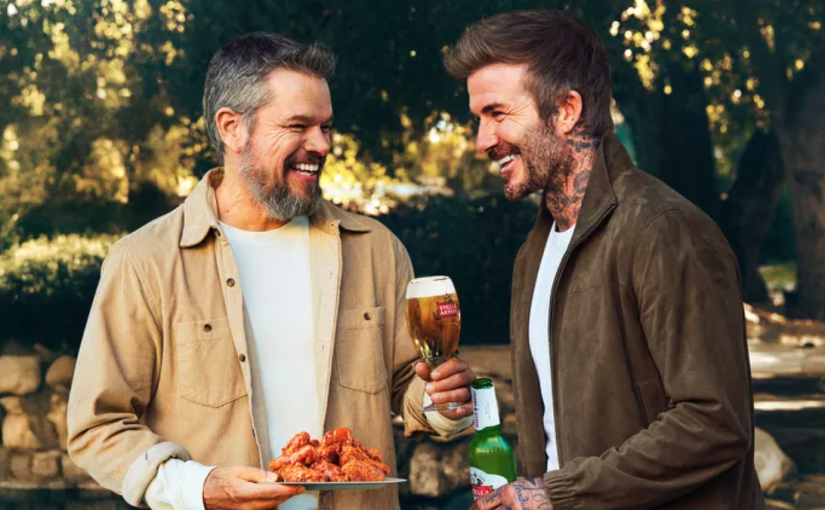
Stella Artois: The David Beckham twin thing was fun, funny and engaging. Good story telling. Good gags. Good writing. And they both loved the same beer. That’s how you know they were really brothers.

Dove: The little girl running in the spot was a great setup to the real problem of negative female body image issues. Let’s stop that. This was a great example of how a strong, insightful idea doesn’t need a lot of window dressing to be powerful. It just needs to be shared.

Bosch: This was a nice way to make sure people knew about both the great appliances and power tools that Bosch makes. Because if you love one, you will likely love the other too.

Totino Pizza Rolls: This spot was killer. Litterally. They killed an alien. And nobody really felt that bad. Which was both surprising and funny.

GoDaddy: I loved this spot. GoDaddy really does help you when you don’t know what you are doing. They help you look like you do know what you are doing through great website stuff.

Fetch: I liked that they were giving away a ton of money to generate interest and engagement, Mr Beast-style. However, the production value made the brand feel low-rent. So next time, spend a little more on your production value and give a little less away.

Ritz: The saltiness thing played well for me. Good casting. Good insight.

Haagen-Dazs: The Not So Fast, Not So Furious twist was a fun way to remind people to slow down and chill with some super premium ice cream.

Thanks for reading!

*If you know someone who could benefit from this message, or who loves to talk Super Bowl commercials, please share this with them.

+For more of the best life lessons I have learned check out my book, What Does Your Fortune Cookie Say? from Ripples Media.

Keys to a Successful Marriage or Business Relationship: Lessons from My Grandfather.

Marriage is a fascinating human experience. It’s both highly rewarding and challenging. Yet while most couples put a lot of preparation into the wedding day, few put much, if any effort into preparing for the marriage itself. Which is why half of marriages end in I don’t. And a healthy percentage of the other half of marriages aren’t as healthy as they could be.

The Program

To help prepare for our marriage, my wife Dawn and I listened to an audio program called Marathon Marriage. We learned the many lessons and philosophies of the program and did all of the exercises shared in the 4 CD set. (At least it wasn’t on 8-track cassettes.) It was a good reminder that just as you need to prepare to run a successful marathon, you need to prepare for a long and successful marriage. So we stocked up on plenty of Gatorade and snacks. And we felt like we had a good game plan.

The Mentors

Then, on our wedding day I wanted to cram in one last bit of preparation. So I scheduled breakfast with my three marriage mentors, which included my dad and my two grandfathers (who would all laugh me off the family tree for calling them my marriage mentors). At the time, my parents had been married 32 years. My two sets of grandparents had been hitched for 61 and 63 years.

After we sat down at Emma Krumbees in Wausau, Wisconsin and worked through some Northwoods pancakes and sausage, I decided it was time for the knowledge share. I asked The Paternity Council, ‘What is the key to making a marriage great?’  With 156 years of experience at the table, I was about to get the fatherlode of great advice.

Then my 86-year-old maternal grandfather, Kenny Sprau, crossed his arms, leaned back in his chair and shared,

‘Keep doing what you’re doing.’

Um… WTF Grampy?  61 years of trial and error, nine kids and a World War, and that’s all you’ve got?  I wanted to give him a mulligan and see if he could hit it past the ladies’ tee this time. But he went on. ‘You have to keep doing the things that got you to this point.’

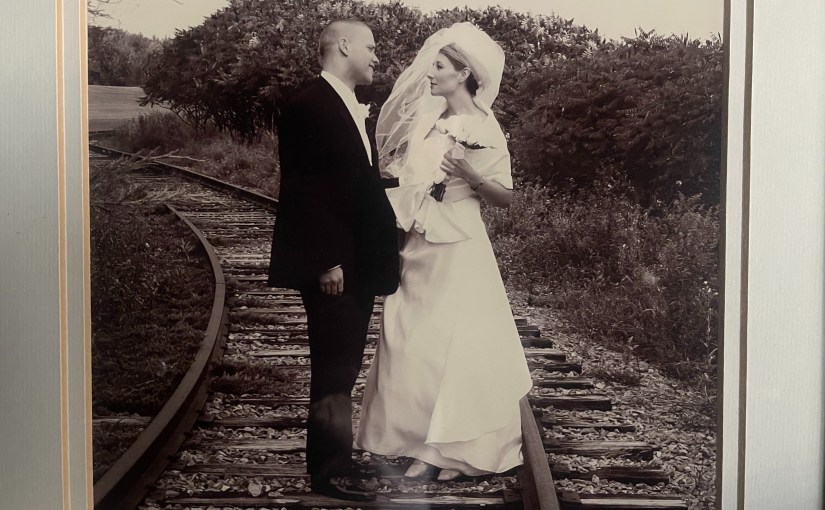
My Grampy, Kenneth Adam Sprau. (Thanks for the hair.)

Perspective On The Advice

While at the time the 29-year-old me was totally underwhelmed by the advice, over the past 22 years I have developed a deep appreciation for what Grampy Sprau said. Because when we are dating, we are at our best. The unfortunate tendency is to drop the hard work, energy, attention, and charm we put into the relationship after the contract is signed. Without pouring that effort, care and prioritization into the relationship, the relationship isn’t as healthy and strong as it was during your courtship and engagement. Which is kind of like leaving the cap off a bottle of soda-pop, only to realize that it’s the cap that keeps the soda popping.

Over our 22 years of marriage, I have recognized plenty of times when I was not putting in the same kind of attention and prioritization into our relationship as I did when we were just kids in the heartland, like in that little ditty ’bout Jack and Diane. It gets much harder alongside the demands of raising children, building a successful career, growing a business, and the effort required to fend off the Dad bod creep. But whenever I find that my attention to my bride has slipped (or I am reminded by my bride that my attention to my bride has slipped), I use Grampy Sprau’s advice, to help make the appropriate adjustments and corrections.

Applying The Advice To Business

Eight years after launching the advertising and ideas agency, The Weaponry, I have discovered that Grampy Sprau’s advice holds true in business as well as marriage.  You need to treat your potential clients and partners well. Act as if you would like nothing more than to spend the rest of your time together. Listen. Make them laugh. Show them you are interesting, kind and thoughtful. And then after you get the contract signed, keep doing what you’ve been doing.

In business, as in marriage, listening and collaborating are valuable approaches to your growth strategy. Clients and spouses alike really like that stuff. (Crazy right?)  When you respond favorably to a client’s request, they generate something called ‘good feelings’ about you.  And these ‘good feelings’ make them want to see you more and work with you more. And the result is business growth.

The opposite is also true.  If you are the all-time best seller at The Jerk Store, no one wants to be around you. This is true of both the individual and the organization.

If you recognize complacency, apathy or combativeness between your organization and your clients or between you and your spouse, stamp that out like a flaming bag of dog poo on your front porch. The behavior may feel justified today. But you’ll regret the justice leveled tomorrow when you’re trading the offspring in the McDonald’s parking lot.

Key Takeaway

Treat your spouse the way you did when you were dating. Treat your current business like new business. Never take either of them for granted. Work to re-win them every day. Even after you put a ring on it.

Thanks for the wise advice, Grampy.

*If you know someone who could benefit from this message, please share it with them.

+For more of the best life lessons I have learned check out my book, What Does Your Fortune Cookie Say? from Ripples Media.
Are you willing to trade a good life right now for a great life later?

I don’t believe in work-life balance. I never have. It’s just a nice mythical idea. Kinda like The Fountain of Youth. Or a happy Kardashian marriage. You can’t divide your life into 3 neat 8-hour blocks of work, personal time and sleep and become rich, successful and fulfilled. To have a wildly successful career you have to throw things out of balance. You need chapters of your life when you put a disproportionate amount of time and energy into your career. That’s what all of the most accomplished people you’ve never met do. It’s why they don’t have time to meet you.

Sometimes this means days of extreme dedication and focus. Sometimes it means weeks. But more likely, there will be many months and years where your career is the thing, Stephen King. You don’t have to ignore the rest of your life the way Michael Douglas ignored Glenn Close in Fatal Attraction. But your career demands to be your priority during certain seasons. Just as farmers must put all their attention into harvesting when it is time to get the crop in, you must pay attention to the opportunity seasons of your career, and make all the progress you can before the window closes.

In the movie about your life, this part of your career would be the montage. You know, the part where they show quick clips of all your hard work, focus, skill development, late night sessions, early morning sessions, and burning-the-candle-at-both-ends kind of work. (You can learn everything you need to know about your montage in this 1-minute video from Team America, World Police.) If you are not willing to have your movie montage chapter (or two or three) you will not be dedicating enough focus and energy to your career to pull away from the pack.

Focusing your time and energy on your career instead of your personal life is like investing your money for greater compounded gains tomorrow rather than spending it on yourself today. That time invested in your professional development and in developing career capital will pay out in massive ways in the future if you don’t scarf your marshmallow today.

The sacrifice is worth it. But you have to keep the primary goal in mind to remember why you are not buying that timeshare in Gatlinburg or knocking off early to meet your friends at Applebee’s. And if you have a family, you and your spouse need to focus on the long-term payoff and be willing to sacrifice whatever nights, weekends, holidays, birthdays, anniversaries and vacations need to be traded now, for better versions of all of those things in the years to come.

One of the great regrets people have in life is that they didn’t do the foundational work they should have done to achieve their dreams. It is important to know about this widespread regret while you still have time to do the foundational work. The work is more than a fair trade. The payout is so handsome, (like George Clooney handsome) that is feels like a small price to pay.

I have experienced enough chapters of significant sacrifice in my advertising career to fill a forthcoming book. In the first chapter of career sacrifice, I wanted to become a stronger writer. So I spent considerable time working on and improving my craft. I read all the time. I wrote far more than my professional peers. I studied other great writers in all John Rahs. (And I learned the word is actually genres.) I read great writers’ writings on writing. I experimented with words, style, structure, tone and humor. Through that focus, my writing got sharper, smarter, and more interesting.

Then I focused a disproportionate amount of time and energy on developing my presentation skills. Because girls only want boyfriends who have great skills. I took courses. I read books. I became a student again. I practiced and applied all that I was learning. This helped make me a strong and entertaining performer in business development meetings, sales pitches and client presentations. Which led to promotions and more responsibility. Because sometimes your hard work gets you more hard work.

Next, I focused heavily on creative direction skills, leadership and management. And within a four year span I motored from my first creative director position to executive creative director to Chief Creative Officer. The only position in my industry left was CEO. And I wanted that job too.

So I began focusing on what it took to run the entire business. I learned as much as I could about accounting and finance. I learned about human resources and non-surgical operations. I learned systems and processes. Project management and IT. I learned stuff that most writers and art directors in advertising never learn anything about. But then again, they get to go to Applebee’s and eat good in the neighborhood.

I didn’t want to wait for a CEO job to open or to wait in line for the CEO in front of me to leave, or die. So I decided to grab the role for myself by starting my own agency called The Weaponry.

As an entrepreneur you not only need to know a bit about all areas of a business, you need to create the whole business from dust. That takes more time, energy, focus, learning, sacrifice and work, work, work, work, work. Like Rihanna said.

Again, I sacrificed other opportunities in my personal life to make this happen. It’s the only way to make big dreams a reality. It’s not easy. But it has been both immensely fun and rewarding.

To share what I was learning through my entrepreneurial journey, I also started this blog. This is the 1023rd blog post I have written in the past 9 years. This too requires sacrifice. I write first thing every morning. I write 5 to 7 days every week. By 6:10 am I am in my office hammering away at another post, another story, another idea. While other people are still in bed or enjoying a cup of coffee and a good social media scroll.

By dedicating so much time to writing I further developed my storytelling skills. And I found my own unique writing style. Which sounds exactly like the way I talk. Now, I write books too. And writing books takes yet another level of dedication and sacrifice. Which is a sacrifice I am willing to make, because I understand the compounding benefits that come from that investment.

Key Takeaway

The great achievements in your career don’t come easy. They don’t come at a natural pace. They come by throwing your life out of balance. By heavying your load. By gorging on learning. And by giving more time, attention and energy to your work than others are willing to give. But by unbalancing your career early your life balance will flip later, and you will receive far more financial and career capital by becoming uncommonly great at what you do. Today, I have no foundational regrets. Instead, I have the rewards of a lot of hard work and sacrifice. And not only can you take that to the bank, you can take it on long, well-deserved vacations with your family and friends.

*If you know someone who could benefit from this message, please share it with them.

+For more of the best life lessons I have learned check out my book, What Does Your Fortune Cookie Say? from Ripples Media.
The one thing all college athletes should do to become better brand endorsers.

Once upon a time, college athletics was where amateur athletes competed for bragging rights, trophies, t-shirts and gaudy championship rings. But today, college athletics has been deamateurified in a major way thanks to the rules changes related to NIL.

As the Founder & CEO of the advertising and idea agency The Weaponry, and as a former college athlete at the University of Wisconsin athlete, I love working with both athletes and marketers on endorsement deals. Throughout my advertising career, I have spent a great deal of time working with athletes including:

  • NFL All-Pros
  • MLB All-Stars
  • Olympic Gold Medalists
  • PGA Championship Golfers
  • Top NASCAR Drivers
  • College Athletes and Teams

Today, in the NIL era, I see one specific mistake made repeatedly by college athletes. And, no, it’s not getting arrested. (Which might land you a sweet deal endorsing handcuffs or mugshot makeup.)

What the NIL is NIL?

NIL is shorthand for the NCAA rule change related to Name, Image and Likeness. The rule change is not about athletes actually having a name, image or likeness. University athletes have always had those things. (Except maybe athletes who play for the Nevada College No-Names, the Florida Tech Phantoms, or the Delaware Institute Dislikes.)

The real change to college athletics in the NIL era is about NCAA athletes’ rights. And the right that is right at the heart of the issue is the Athletes’ Right of Publicity. This is a particularly interesting topic because universities have always loved using athletes to get publicity for the school itself.

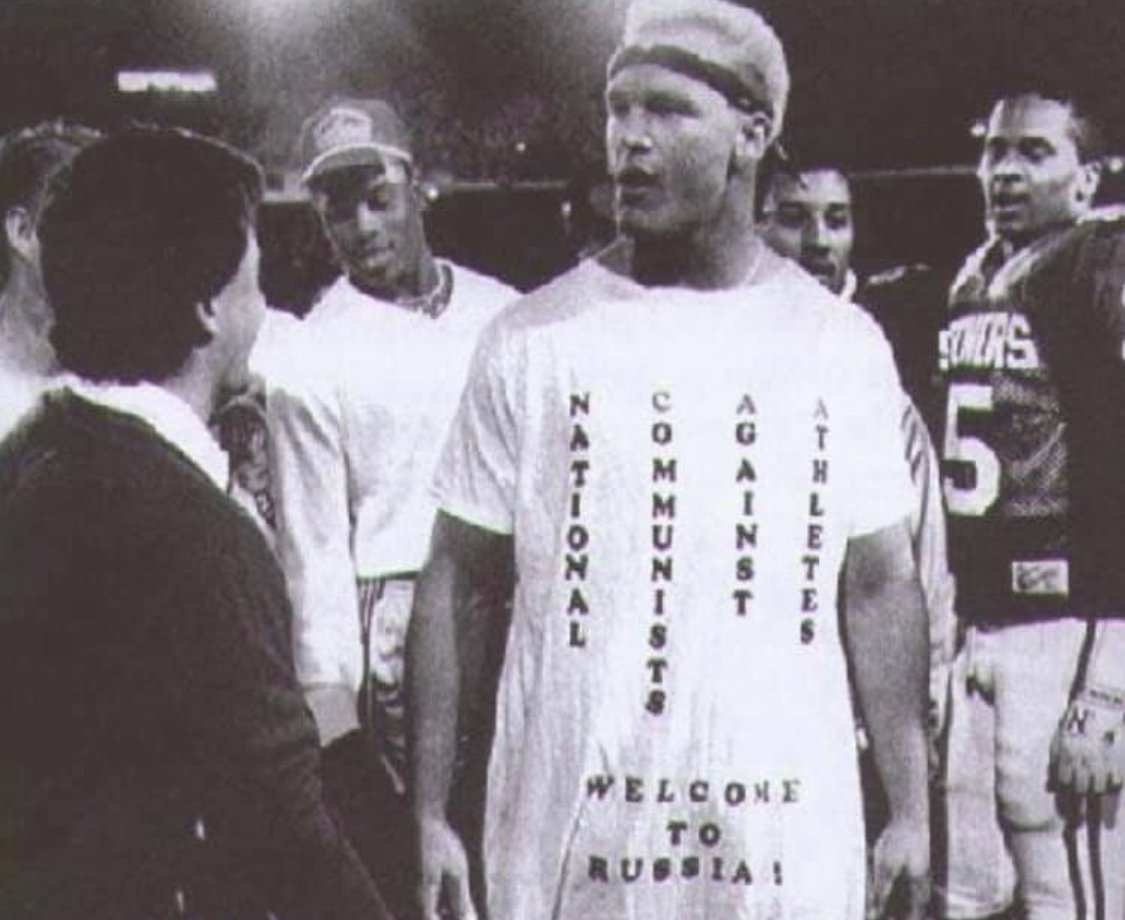
Before 2021 the NCAA ruled that athletes did not have a right of publicity to promote a product or a service and get paid in the process. Which is a pretty crazy thing to declare in a free-market society. That is probably why Brian Bosworth wore that National Communists Against Athletes t-shirt at the 1987 Orange Bowl. But as of 2021, the world has decided that college athletes do have the right of publicity, which allows them to promote products and services.

Name, image and likeness (NIL) are simply the three elements that make up “Right of Publicity” and allow NCAA athletes to be compensated. They are like the Earth, Wind and Fire of ROP. They just aren’t as much fun to dance to at weddings. #DoYouRemember

Boz, before he got his endorsement deal with Dr. Pepper as the Sheriff of Fansville.

The NIL Problem

The rule is intended to allow college athletes to cash in on their well-knownness.

The problem is that many college athletes refer to their engagements publicly as NIL deals.

NIL is simply the name of the rule that allows you to work with brands that, in theory, you love, use and endorse.

When you say you have an NIL deal, it is kind of like saying you have a ‘Freedom of speech’ deal. Or a ‘I have legal rights’ deal. Or a ‘I get paid to talk about this stuff’ deal. Or a ‘You can’t stop me’ deal.

Advice to College Athletes

Don’t reference NIL when you talk about your opportunities. No one other than NCAA athletes talk about opportunities this way. It’s an amateur way to think about being a paid Spokesathlete. Talking about a relationship as a NIL deal cheapens the work you are doing.

When a brand pays you to endorse a product, place or service, you have a job. That job is as a promoter, endorser, representative or spokesperson.

The audience you are paid to help influence doesn’t want to hear you have an NIL deal. They want authentic partnerships and collaborations.

They like ambassadors. They like relationships.

They like a good old-fashioned endorsement. In fact, the widely accepted ratings and review system that is so popular on the interwebs is an endorsement system. We all gravitate toward products, places and services that are endorsed by the people who have tried them.

So college athletes, tell us that you use, endorse and recommend products, services and brands. Tell us that you are collaborating with your favorite fill-in-the-blank because it is your favorite fill-in-the-blank in the whole fill-in-the-blank-ing world, and you want everyone to know.

But remember, endorsement relationships are most impactful when the compensation element is not discussed. The more you highlight the compensation the less credible and convincing the endorsement is.

LSU celebrity spokes-gymnast Livvy Dunne, loving her some Vuori.

What To Do Instead

Partner with brands, products and services that you really use, like and recommend. Focus on your positive feelings about the brand. Focus on promoting the brand, not on the fact that you are a paid promoter.

As athletes you want to feel like you are winning. And it is easy to think that you are winning by telling the world you won an NIL deal. Or that you are getting paid because you are such a good athlete. Or because you are cute and have a nice body.

But don’t.

You win by having the brands you work with want to do more work together. You win by having other brands recognize the great job you do as a promoter, which makes them want to work with you too. Just keep the compensation behind the scenes.

Key Takeaway

If you have the opportunity to promote brands, products or services as a college athlete the best thing you can do is think like a professional athlete. Enthusiastically promote, support and endorse the things you like, but keep the compensation part low-key. Professionals recognize the importance of the marketing work they do as a key part of their livelihood, so they approach the work as professionals. College athletes need to do the same thing. It’s the best way to keep your opportunities going long after your college days are over.


**Yes, you can add ‘Paid Partnership’ to your social posts when you feel it is necessary to be transparent. Just don’t add NIL-deal. Deal?

*If you know a college athlete who could benefit from this message, please share it with them.

+For more of the best life lessons I have learned check out my book, What Does Your Fortune Cookie Say? from Ripples Media.

7 Sentence Sunday: What is art?

Today, art can be anything.

Which is the problem with art today.

That’s why I have 2 rules that govern my expectations of art.

1. It must have a strong conceptual idea.

or

2. It must have taken a lot of time or effort to create.

This means a simple glass of water sitting on a desk is not art.

Unless that glass of water is filled with your own tears.


This has been a 7 Sentence Sunday Post. Just 7 sentences. (At least just 7 sentences before the little 3-dot divider thingie.) These are quick thoughts before church. Or after church. Or before football if you don’t mark your Sundays with church. Or, if you don’t do church or football, it’s simply 7 sentences before Monday. (Plus this rambling descriptor of how simple the post was supposed to be before I overcomplicated it.)

+For more of the best lessons I have learned check out my book, What Does Your Fortune Cookie Say? from Ripples Media.
The latest lesson I have learned as an entrepreneur is an expensive one.

Since I first launched The Weaponry, the advertising and idea agency I lead, I have learned a lot of interesting lessons. I didn’t become an entrepreneur for the life lessons. But entrepreneurship has a funny way of teaching you new things, whether you want to learn or not.

The Learnin’

Over the past few months, we have had to replace several computers. The Weaponry’s computers are not cheap. We are all Macs all the time. Like Roni and Cheese.

Many of our computers are supped-up machines built for high-end design, art, and video work. The kind of creative work we do requires serious machinery and significantly more storage than your garden-variety Apples. (Or would that be orchard-variety?)

But with all the computers we have had to replace lately I am not mad, frustrated, or worried. After all, this isn’t a quality problem. The computers were not stolen. And they did not run away to join the circus. (Do computers still do that?)

The reason we are replacing so many machines is the best reason of all.

We simply wore our computers out. We worked them hard. Our Weapons have kept our machines busy with demanding work for a long time. We have been slinging advertising, branding, videos, logos, design and illustration work for 8 years.

Many of our team members have been with us for 6 to 8 years now. All that work has been crushing our equipment. And like that popular TV show from the 70s with those classic hairstyles, it seems that when it comes to computer hardware and software, eight is enough.

Replacing our computers is a sign of success, demand and longevity.

And I am grateful for it all.

Key Takeaway

Businesses require investments in equipment and resources. One great reward of success is staying in business long enough to wear out your stuff. Don’t lament the new expenses. Recognize them as a sign of demand and longevity. You have earned the privilege of replacing your resources because you are still here. Still needed. Still sought after. The same is true in our personal lives. When you have to replace equipment it means you have outlived your stuff. That is a blessing not to be taken for granted.

*If you know someone who could benefit from this message, please share it with them.

+For more of the best life lessons I have learned check out my book, What Does Your Fortune Cookie Say? from Ripples Media.