There is always more work to do.

When I wrote my first book What Does Your Fortune Cookie Say? I quickly recognized that writing a book is like running 3 marathons.

  1. The Writing Marathon
  2. The Publishing Marathon.
  3. The Promotional Marathon.

The writing and publishing marathons are finite. You complete them and move on. (You should also shower and rehydrate.)

But the promotional marathon only ends when you stop. And when you stop promoting your book your book stops selling.

It’s a good reminder that when you have products or services to sell, you should never stop promoting them. Otherwise, they lose awareness and, in turn, lose value. Because they only have value when people see them, think about them, and value them.

Which means that more exposure leads to greater appreciation. Which leads to preference, desire and demand.

This is how you generate value for your organization.

It’s also how you generate more value for your personal brand.

People have to know you to know your value.

They have to desire what you have in order to give you their money, honey.

If you are unknown, you are also uncompensated.

If your offerings are invisible, they are inconsequential.

If potential customers and clients don’t see you, they won’t see value in you. Unless you sell Invisibility Cloaks. In which case, the opposite is true.

This is why advertising is so valuable.

It’s why trade shows are valuable.

And public relations.

And talking about your offering on social media.

And promotions of all sorts. Even the wacky stuff.

We created The Weaponry to help our clients with all of these activities.

Because the more people who know you, the more they help grow you.

Key Takeaway

Create products worthy of promotion. Offer services that people want. Then talk about them as much as you can. There are always more people who should know about you, your products and your services. You will reap the rewards until the talking stops. Which is why advertising is a never-ending discipline.

*If you know someone who could benefit from this message, please share it with them.

+For more of the best life lessons I have learned check out my book, What Does Your Fortune Cookie Say? from Ripples Media. And consider subscribing to Adam’s Good Newsletter.
Would people stand in long lines to get to you?

Over the 4th of July weekend, I completed a circle tour of Lake Michigan. My wife Dawn, sons Johann and Magnus, and I took 4 and a half days to circumnavigate the lake clockwise, starting in Milwaukee. Which is on the southwestern shore of the Great Lake, 90 miles north of Chicago. But a world away in terms of traffic, cost of living and pizza.

On our adventure, we saw a lot of new things. New cities and towns. New parks and National Lakeshores. We took new ferries and boat tours. We crossed new bridges. We explored new islands. Who knew there was so much new to know?

We also needed to eat, drink and do a little shopping. In the process we found many establishments that were mostly empty and easily accessible.

But we found other establishments with long lines out the door and down the sidewalk.

The places with the long lines still have my attention as I return to work at The Weaponry, the advertising and ideas agency I lead. Because generating long lines of eager customers should be the goal of those who create, run or contribute to successful businesses. And it should be the goal of every brand that offers products or services.

Today, I encourage you to think about creating lines out the door for your offerings. Here are the 6 things that help create long lines that people are happy to stand in.

6 Factors That Create Lines Out The Door.

1. Quality products. Offer products that really work. Things that are well-made and do their jobs well. Products that take care of business will take care of your business. Like Bachman-Turner Overdrive.

2. Great Service: Take care of your customers. Make them feel that their needs and expectations are met, their questions are answered, and their time is respected. Treat them like that boyfriend or girlfriend you really want to keep. But don’t make out with them. Unless that’s part of your service. (I hope it’s not.)

3. Great Value: Make your customers feel like they get more than they paid for. Or more than they would get for the same dollar spent somewhere else. This does not mean your offering is cheap or inexpensive. It means every penny is well worth the investment.

4. Great Experience: You want your customers to feel that the whole experience was interesting, fun, worthwhile, memorable, and story-worthy. It wasn’t just a transaction. There was something more to it. It felt different than other seemingly similar transactions or purchases. It was worth doing again. It was worth telling others about. It was something you are proud to have done. Even if you can’t fully articulate why it was so great. Even if you are a fully articulate human.

5. Scarcity: This means that what you offer isn’t easy to find. There is no easy substitute. It means that people are willing to make additional sacrifices for your offering. They will wait and trade more of their time in order to get what you are offering. They are ok suffering inconveniences like standing in line. Or sitting in a waiting area for their opportunity to enjoy your offering. Because nothing compares to you. Like Sinead O’Connor said.

6. Esteem: Some offerings are so good that they transcend mere preference and become part of what can be considered esteem experiences. This means that you get additional social credit for having experienced the offering.

Examples:

  • People who saw the play Hamilton in its first year.
  • Consumer space travel
    • Eating a Cronut in 2013
    • Attending a Taylor Swift, Coldplay or Noah Kahan concert in 2025.
    • Owning American Giant hoodies when there was a waiting list.

Cue the Queue

Consider these 6 factors when crafting your offers. They will push you to develop things that are beyond compare. Beyond substitute. Things that are rewarding to experience. Things that are hard or impossible to find anywhere else. They lead to offerings that command a higher price and are still worth every penny, Marshall. And they leave customers feeling like you did a great job taking care of them.

It’s a winning recipe. It is how brands thrive. It is how startups become stalwarts. It is how you grow revenue, profits and envy. It is how you create momentum. And competitive advantages. It is how you build a moat around your business. It is how you generate talk value, word of mouth advertising, referrals, 5-star ratings, and repeat customers.

That’s how you create lines out the door.

Key Takeaway

Never settle for good enough. Push for greatness. Continually look for opportunities to improve your offering, your experience, your value and your uniqueness. If others copy you, innovate again. You can’t create advantages or envy with commodity and parody offerings. Your goal should always be to create lines out the door, and be able to charge a premium to your competitors. Better yet, innovate your offering to the point where there are no competitors. There are just customers lined up out the door.

*If you know someone who could benefit from this message, please share it with them.

+For more of the best life lessons I have learned check out my book, What Does Your Fortune Cookie Say? from Ripples Media.And consider subscribing to Adam’s Good Newsletter.

11 Essential Truths About Great Advertising.

Advertising is typically thought of as a creative endeavor. More Art Garfunkel than science. But here are 11 simple truths about making great and effective advertising that every marketer, businessperson and communications professional should know. At The Weaponry, these truths drive everything we do. Here they are in a particular order.

11 Truths About Great Advertising.

1. It stems from great strategy: All great advertising and marketing begins with a great strategy. You have to know how you win. You need to know which of your advantages to leverage. You need to know who your audience is. And what they need to hear from you in order to give you their money, their vote, or their blood.

2. It differentiates. Great advertising sets you apart from the crowd. You are no longer a commodity. You are special. Like that little girl from The Help. This is the power we build into strong brands. It makes you irreplaceable. You want to be seen as a special exception. Be the option that sparkles and calls your customer’s name. They have to think, This is the brand that gets me.

3. You haven’t seen or heard it before. Great advertising feels new. It tickles a part of the brain that has never been tickled before. It offers phrases, imagery, design, or attitude that you have never encountered before. Which helps your advertising land in a new place on the perceptual map. Like new art. Or Chipotle. Which is why so many new food concepts are now described as the Chipotle of their cuisine type. You also know that Chipotle has built a strong brand because when people tell you they are going to grab Chipotle, you don’t imagine them grabbing a smoke-dried jalapeno.

4. You have to earn a longer leash to create it. Great advertising often represents a perceived risk. Because it feels different than what you’ve seen from the brand or the category before. Which means that the client-approver needs to trust the creators. The client approvers must trust that the creators have their best interest at heart. They must trust that this is a smart and calculated departure from the past, or from a norm. (Norm!!!) They must trust that you know what you are doing. This type of trust, which I call earning rope, or earning leash, takes time. Sometimes this is earned through a handful of interactions, like during the new business pitch process. Sometimes this is earned over years of working together. But without first earning trust, advertisers are less likely to jump the gap with you. (Which has nothing to do with mugging people at The Gap. Or minding the gap. Or Michael Strahan.)

5. It avoids layers of approval. Great advertising doesn’t get approved by an army of approvers. The more approvers that are involved, the more likely the work gets pushed right back to the center of the expected range from your category. The people who will be approving the great work should all be in the room or on the Zoom when the great work is presented. They should be exposed to the strategic thinking and the insights that birthed the idea. And they should be able to compare the work in question to the other ideas presented and their relative merits. (Not the merits of their relatives.)

6. It can not be evaluated devoid of the strategy. To judge great creative work you need to know the strategy. This is critical. If you don’t know the strategy the work can’t be right and it can’t be wrong. The strategy represents the aim of the work. Without knowing the aim, you can’t know if it hit the target. Armchair quarterbacks don’t know what the insiders know. You have to know the insider information to judge the idea and the execution.

7. A great idea gets better partners than your budget deserves. Creative people love creative ideas. They are more interested in bringing a creative idea to life than making money. Which means they will often slash their rates or even do work for free to be involved in great creative work that they can add to their portfolio, reel, or website. As a result, a great creative idea attracts talent and resources beyond what you can afford. So great ideas often get favorable treatment and privileges that ordinary work does not. In turn, it gets even greater at each step in the process.

8. You have to sweat the details. To make great advertising, you have to start with a great idea. But then you have to pay attention to all of the details throughout the process. You have to set high standards for every aspect of the work, and then be vigilant, and critical, to ensure that every element is done right. The words, colors, imagery, size of everything, performances, sound, casting, announcer, kerning, leading editing, graphics, photography, and retouching all have to be right. A flaw in any of those areas can ruin the whole thing. Like the pea under the mattress, the fly in the soup, or the toothy grin on Mona Lisa.

9. It causes envy. Great work may seem subjective. And in some ways it is. Supreme Court Justice Potter Steward once remarked that hardcore pornography may be hard to define, but “I know it when I see it.’ The same holds true for great advertising. The measure I always use is that it creates envy. When I see great advertising, I wish I had created it. I wish I had it in more portfolio. I wish I could brag about it. In fact, when I am hiring creative talent that is my requirement. The candidate must have work in their portfolio that makes me jealous. That’s what great advertising does. And indeed, great work of any type should create envy. (Side note: Don’t you wonder just how much hardcore porn Justice Steward has seen?)

10. It drives results. Great advertising can’t be great without driving results. Results don’t just mean sales. Because there are other factors that advertising can’t overcome that impact a final sale. But great advertising must drive interest, or engagement, inquiries, calls, store visits, website traffic, leads, votes or whatever it was intended to do. Ultimately, this is the measure that trumps everything else. (That was not a political sentence.) Agencies and marketers alike win when the work works.

11. It makes people look forward to your next idea. Great advertising flips the dynamics in the favor of the advertiser. The audience no longer sees you as an interrupter. They see you as interesting, entertaining, smart, or funny. They see you as adding value to their lives. And when you do that, the world looks forward to what you do next. They want to know what great idea you will share next. Whether it’s your funny Super Bowl commercials, your engaging content, your frame-worthy print ads, your stunning billboards, or your crazy stunts, great advertising means you are no longer interrupting. You are anticipated. You are sought out. This is the ultimate benefit of great advertising. The gatekeeper is keeping an eye out for you. And when you appear, they invite you to cut the line and make your way inside.

Key Takeaway

Great advertising is fundamentally different than technically sound advertising. It is created differently. It is approved differently. It triggers a different and more valuable response from your audience. Great advertising offers tremendous value and creates advantages that help you win your unfair share of the pie. If your advertising is not great, revisit this list to understand why and where it may have gone wrong. Then fix it. You always have the ability to get it right.

*If you know someone who could benefit from this message, please share it with them.

+For more of the best life lessons I have learned check out my book, What Does Your Fortune Cookie Say? from Ripples Media.

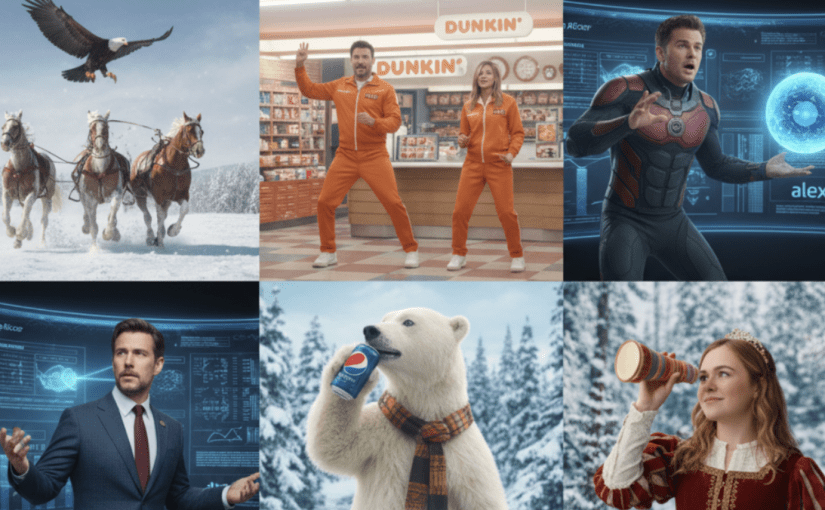
The Super Bowl commercials that I loved.

So the game might not have been as good as people predicted. But the commercials were great. I thought this was one of the best overall crop of Super Bowl commercials since the dot com era when companies were burning money on clapping monkeys.

I know you have work to do today, so let’s get right to the things I loved.

And if you need links to see all the Super Bowl ads you can find them here.

Now, on to the Super Bowl commercials I liked!

Skechers. Martha Stewart Glide Stepping in her Skechers was both funny and surprising. And it’s not just surprising because she once went to jail for glide-stepping past insider trading laws.

YouTube TV: Their spot focused on how we miss important moments when watching sports on TV. Ironically, I had to rewind the commercial twice to hear what it was about because people in my Super Bowl viewing center were being too loud for me to hear. (It has to be annoying to watch the game with someone who is actually studying the commercials and taking notes. Sorry, Fam.)

Pfizer: The boy boxer fighting cancer to L.L. Cool J’s ‘Mama Said Knock You Out’ was arresting, interesting, epic and important. The message at the end, that Pfizer is on a mission to cure 8 cancers by the year 2030 was big. Go Pfizer. I hope you win!

T-Mobile: Introducing Starklink for everyone, everywhere was an attention-getting announcement. If I can see the sky, I can connect to the Starlink network. They went big, not funny. And it made me pay attention. Because my travels and adventures take me to the middle of nowhere. Time will tell whether this was an announcement of a huge shift, or a beta max moment.

Little Caesars: The Eyebrow gag was wacky and very in line with the Little Caesars brand I knew in my twenties. I always like it when a brand gets back to what has worked for it in the past. Especially a brand that sells Pizza Pizza.

Homes.com: The 2 spots about their legal inability to claim that they are the best were funny, well-written, well-directed and well-acted. Like Baby Jessica. They did a good job of simply telling us they are the best. (Or that they think they are the best.) I have sat in many meetings with buzz-killing lawyers who were trying to shoot down all of the crafty ways I came up with to write around their objections. So this spot really hit homes.com for me.

Budweiser: The Clydesdales never disappoint. That little fella has a bright future. It was good to see Budweiser doing Budweiser things.

Ray-Ban Meta: The 2 commercials I saw were both really funny and clearly conveyed how the Ray-Ban Meta glasses benefit you. They made me like the idea of the glasses and what they can do for me. Plus, the glasses look like the Ray-Bans I already wear. So I assume they studied me to determine what the world would wear. Which would mean they thought I was the most average human. Hmmm.

IndyCar: was among the very best advertisers of the night. Their interesting, if not over-the-top micro biographies of some of their top drivers was well played. I have spent a lot of time marketing racing. And it is all about the connection to the driver. Formula-1 has done a great job with this. NASCAR has always had an every-man, or every-Danica appeal. Good to see IndyCar figuring out the formula. Because once you know a bit about the drivers you should care about, you find yourself following the storyline of the sport, even casually. Plus, they showed the really, really good looking drivers, that even the ladies who aren’t into racing will find interesting. It’s the law of attractive.

Doritos: Sure, I’m down for aliens and earthlings both loving Doritos and fighting over them in a death match. Plus, the UFO blows up. And that’s good television. When in doubt, lean on extreme consequences.

Mountain Dew Baja Blast: The spot featuring the singer Seal as a real seal was super silly. (But he was not playing the Real Seal that certifies that a product is made with real dairy ingredients.) I loved this commercial. And I love lime. I am big on silly. And this was ridiculously silly. (If you are going silly, go all the way. No one wants somewhat silly, Billy.)

Instacart: This spot was big and entertaining. And I realized I could get all my favorite brands through Instacart. Not to be confused with IndyCar. Although they both have drivers. And milk.

Coors Light: The slothy Case of The Mondays spot was fun to watch. Sloths doing most things that require swift action is funny. And this was done well. And slow. While insightfully reflecting how football fans feel the day after enjoying a lot of NFL football. Especially after watching the Sunday night game from the East Coast. Which is why I live on the Midwest Coast.

Uber Eats: We’ve seen the brand highlight the football and food connection before. But this went deeper, broader and funnier than ever. It was kinda like the 1883 and 1923 of Yellowstone. But funnier. And with less death. Good work Uber Eats and Matthew McAlrightAlrightAlright. You really delivered.

WeatherTech: I love wild older women. And the WeatherTech women were like a pack of wild honey badgers who didn’t give an eff. Because they were using protection. WeatherTech protection.

Google Pixel Gemini: The story of the stay-at-home Dad who had raised his daughter, or daughters, or kids, and was now getting some help interviewing to get back into the outside the home workspace was very touching. Even for this stay-at-work Dad.

Rocket: These people created a great spot selling the importance, value and comfort of home, using John Denver’s Take Me Home, Country Road as the songtrack. It was interesting, memorable and emotional. They were smart to focus on the love for home, not on the mortgage rates at a time when all mortgage rates are Rocky Mountain High. But then they took a great spot and improved it by cutting to the entire Superdome singing Take Me Home Country Road, while the Rocket signage lit up the stadium, and the broadcasters called out the fact that this special moment was brought to you by Rocket. They crushed it with the live broadcast integration. Side Note: I couldn’t help but think that song must have been what people were singing at the Superdome during Hurricane Katrina.

He Gets Us/Jesus: This spot was powerful. It was beautiful and human. I loved it. It was very touching. It was one of the top 3 spots I was most jealous of. (I will be attaching this evaluation to the application I submit at the Pearly Gates.)

Liquid Death: I liked this spot with people singing about drinking on the job. It is very in line with the brand. After all, they portray interesting misdirection in everything they do. Because Liquid Death is basically well-marketed water, and a tiny bit of tea. But it sounds badass. So good-on you for leaning into that misdirection on a massive stage and recruiting more pseudo-rebels to the brand.

ChatGPT: This spot was beautiful and intriguing. I loved the graphics and animation. I would need to watch it again to follow the storyline of the evolution of human innovation. I am not sure I could have held out until the last couple of seconds of this 60 second/$16 million spot to reveal my logo.

NFL: The ‘I am Somebody’ spot and the spot about getting flag football for girls into high school sports in all 50 states were interesting and positive, and they shined a very positive light on the NFL. I don’t think they needed Mullet Brad to be the enemy of girls’ flag football. I know several of those guys, and I think they would think it was cool for girls, including their daughters, to play football.

Ram: The Goldilocks spot featuring The Golden Boy Glen Powell was epic, funny and badass. It was a fun twist on a classic story we all know. Not only was it really fun to watch, it highlighted the new products in the Ram lineup, which included a lot of electricity. (I also wish I had created this spot.)

Hellmann’s: The reprisal of the classic fake orgasm scene from When Harry Met Sally was fun and funny. And it made a clear point about how Hellmann’s makes a sandwich taste mindblowing. It would have been easy to overdo or underdo this scene. Clearly, they hit the right spot.

Pringles: The flying mustaches delivering Pringles cans to those facing a Pringles outage was interesting and memorable. I don’t love a recipe that includes both hair and food for appetite appeal reasons. But I get that the super stache is part of Pringles’ brand iconography. Plus, it provided for some memorable gags that weren’t related to grossness.

Nike: The Nike women in sports spot was huge. Building on the insight that women often feel as if they can’t win no matter what they do is a strong approach. The line, ‘You can’t win. So win.’ creates a great rallying cry and motivator for female athletes to say screw it, just do it. The spot was beautiful to watch, really well shot, and featured a broad range of world-class athletes. Plus Led Zepplin’s Whole Lotta Love was a killer tune to play under the action.

YourAttentionPlease.com: The focus on the breast was a great attention trap. It got us to lean in and then punched us right in the face with a critical message about the need for more attention to breast care so we can knock out breast cancer and save lives. Great spot!

Angel Soft: Sponsoring the bathroom break was smart, cute and timely. I didn’t go. But I appreciated the moment and the reminder. Plus, I liked the term potty-tunity.

Reese’s: This was a fun spot, full of visual gags and shock. The spot also made me aware that Reese’s has a chocolate lava product. And because of the connection with real volcanic lava in the commercial, I will remember the name when I am at the store. (And I hope I don’t accidentally buy that hard-working man soap.) Good marketing basics, well executed.

Nerds Gummy Clusters: This spot, featuring Shaboozey, was shabeautiful and interesting to watch. It was eye candy for candy. Which I loved.

Lays: The spot with the little girl growing her own potato plant on her family’s potato farm told a beautiful and heartwarming story. It helped position the Lay’s brand as a brand that starts with a wholesome agricultural product grown on family farms for generations. It’s a great way to reposition potato chips. Which are not traditionally seen as healthy or wholesome. So it’s good to get on RFK Jr’s good side.

Taco Bell: I saw the promotional commercials calling for non-famous people to be featured in their Super Bowl commercial. The end result came together really nicely. Plus, it featured famous people, like LeBron James, while saying the spot can’t have famous people. So they played it both ways, and won both ways. Kinda like the Eagles.

Bud Light: The big men of the cul-de-sac spot was my favorite commercial of the Super Bowl. I liked it so much I instantly rewound it to watch it again. The spot, featuring Shane ‘Whatchu Talk’n Bout’ Gillis, Post Malone and the Manning who can’t kick field goals, was great in every way a funny spot can be great. Starting with my favorite line of any commercial during the game, ‘I accidentally threw a lame party.’ Then Malone and Gillis become neighborhood heroes, getting the party started right. There was too much to love to mention it all here. I look forward to watching more from these suburban heroes.

Poppi: I totally relate to the problem raised in this spot. I sometimes want a soda pop, but the sugar can be too much to be worth it. I have tried Poppi and like it as an interesting alternative. And I would order it at a restaurant if it was on the menu. (So get on the menu.)

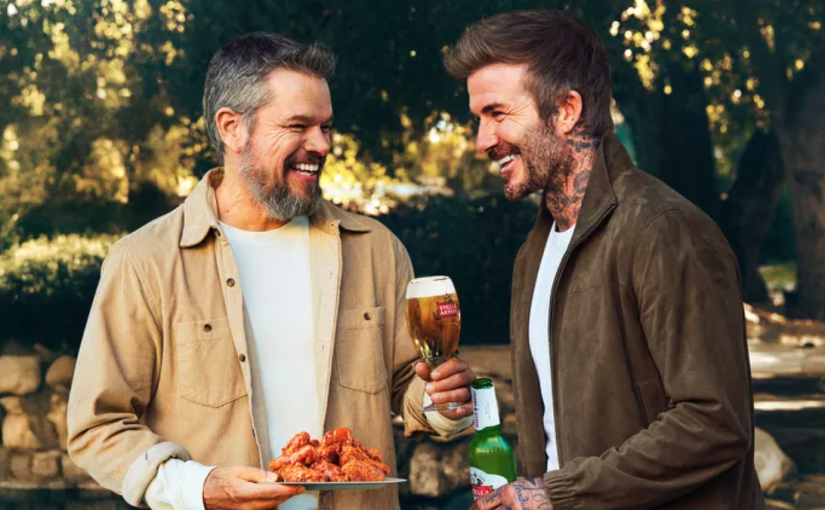
Stella Artois: The David Beckham twin thing was fun, funny and engaging. Good story telling. Good gags. Good writing. And they both loved the same beer. That’s how you know they were really brothers.

Dove: The little girl running in the spot was a great setup to the real problem of negative female body image issues. Let’s stop that. This was a great example of how a strong, insightful idea doesn’t need a lot of window dressing to be powerful. It just needs to be shared.

Bosch: This was a nice way to make sure people knew about both the great appliances and power tools that Bosch makes. Because if you love one, you will likely love the other too.

Totino Pizza Rolls: This spot was killer. Litterally. They killed an alien. And nobody really felt that bad. Which was both surprising and funny.

GoDaddy: I loved this spot. GoDaddy really does help you when you don’t know what you are doing. They help you look like you do know what you are doing through great website stuff.

Fetch: I liked that they were giving away a ton of money to generate interest and engagement, Mr Beast-style. However, the production value made the brand feel low-rent. So next time, spend a little more on your production value and give a little less away.

Ritz: The saltiness thing played well for me. Good casting. Good insight.

Haagen-Dazs: The Not So Fast, Not So Furious twist was a fun way to remind people to slow down and chill with some super premium ice cream.

Thanks for reading!

*If you know someone who could benefit from this message, or who loves to talk Super Bowl commercials, please share this with them.

+For more of the best life lessons I have learned check out my book, What Does Your Fortune Cookie Say? from Ripples Media.
The one thing all college athletes should do to become better brand endorsers.

Once upon a time, college athletics was where amateur athletes competed for bragging rights, trophies, t-shirts and gaudy championship rings. But today, college athletics has been deamateurified in a major way thanks to the rules changes related to NIL.

As the Founder & CEO of the advertising and idea agency The Weaponry, and as a former college athlete at the University of Wisconsin athlete, I love working with both athletes and marketers on endorsement deals. Throughout my advertising career, I have spent a great deal of time working with athletes including:

  • NFL All-Pros
  • MLB All-Stars
  • Olympic Gold Medalists
  • PGA Championship Golfers
  • Top NASCAR Drivers
  • College Athletes and Teams

Today, in the NIL era, I see one specific mistake made repeatedly by college athletes. And, no, it’s not getting arrested. (Which might land you a sweet deal endorsing handcuffs or mugshot makeup.)

What the NIL is NIL?

NIL is shorthand for the NCAA rule change related to Name, Image and Likeness. The rule change is not about athletes actually having a name, image or likeness. University athletes have always had those things. (Except maybe athletes who play for the Nevada College No-Names, the Florida Tech Phantoms, or the Delaware Institute Dislikes.)

The real change to college athletics in the NIL era is about NCAA athletes’ rights. And the right that is right at the heart of the issue is the Athletes’ Right of Publicity. This is a particularly interesting topic because universities have always loved using athletes to get publicity for the school itself.

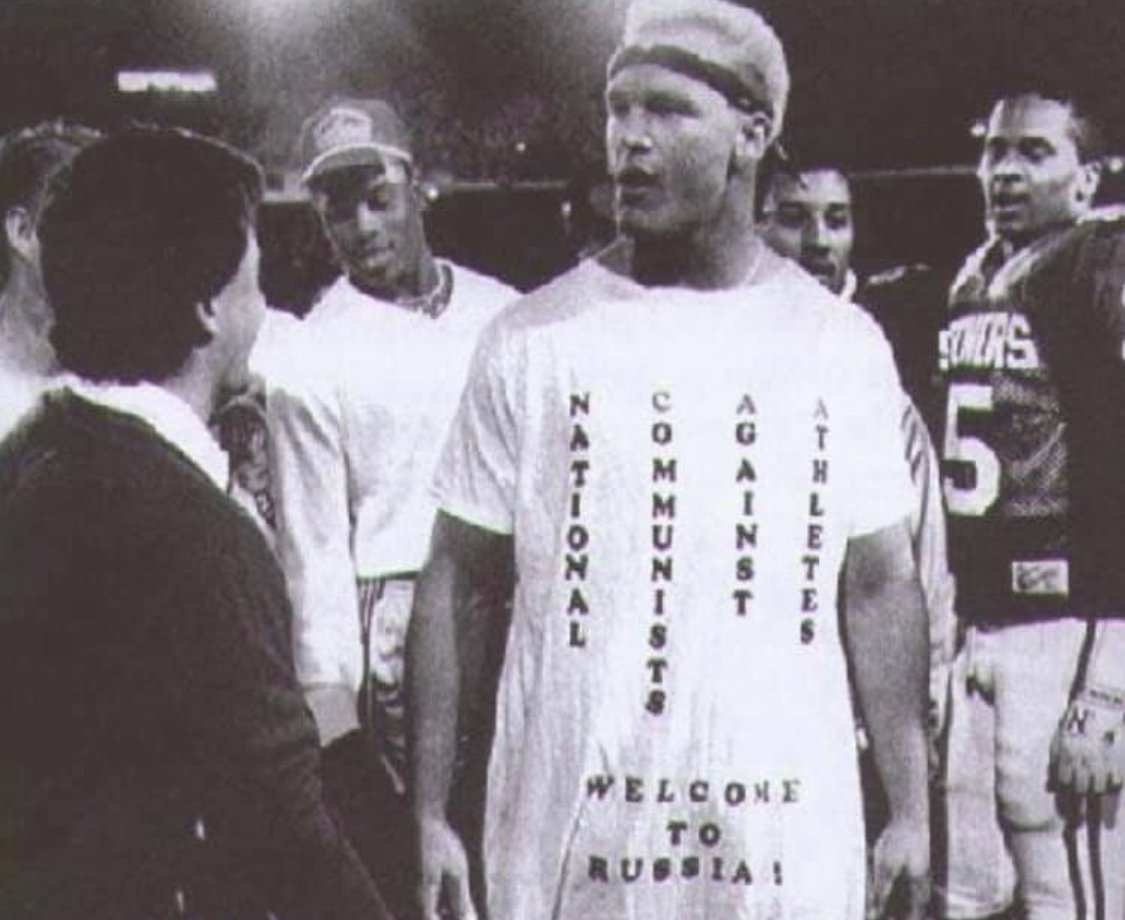
Before 2021 the NCAA ruled that athletes did not have a right of publicity to promote a product or a service and get paid in the process. Which is a pretty crazy thing to declare in a free-market society. That is probably why Brian Bosworth wore that National Communists Against Athletes t-shirt at the 1987 Orange Bowl. But as of 2021, the world has decided that college athletes do have the right of publicity, which allows them to promote products and services.

Name, image and likeness (NIL) are simply the three elements that make up “Right of Publicity” and allow NCAA athletes to be compensated. They are like the Earth, Wind and Fire of ROP. They just aren’t as much fun to dance to at weddings. #DoYouRemember

Boz, before he got his endorsement deal with Dr. Pepper as the Sheriff of Fansville.

The NIL Problem

The rule is intended to allow college athletes to cash in on their well-knownness.

The problem is that many college athletes refer to their engagements publicly as NIL deals.

NIL is simply the name of the rule that allows you to work with brands that, in theory, you love, use and endorse.

When you say you have an NIL deal, it is kind of like saying you have a ‘Freedom of speech’ deal. Or a ‘I have legal rights’ deal. Or a ‘I get paid to talk about this stuff’ deal. Or a ‘You can’t stop me’ deal.

Advice to College Athletes

Don’t reference NIL when you talk about your opportunities. No one other than NCAA athletes talk about opportunities this way. It’s an amateur way to think about being a paid Spokesathlete. Talking about a relationship as a NIL deal cheapens the work you are doing.

When a brand pays you to endorse a product, place or service, you have a job. That job is as a promoter, endorser, representative or spokesperson.

The audience you are paid to help influence doesn’t want to hear you have an NIL deal. They want authentic partnerships and collaborations.

They like ambassadors. They like relationships.

They like a good old-fashioned endorsement. In fact, the widely accepted ratings and review system that is so popular on the interwebs is an endorsement system. We all gravitate toward products, places and services that are endorsed by the people who have tried them.

So college athletes, tell us that you use, endorse and recommend products, services and brands. Tell us that you are collaborating with your favorite fill-in-the-blank because it is your favorite fill-in-the-blank in the whole fill-in-the-blank-ing world, and you want everyone to know.

But remember, endorsement relationships are most impactful when the compensation element is not discussed. The more you highlight the compensation the less credible and convincing the endorsement is.

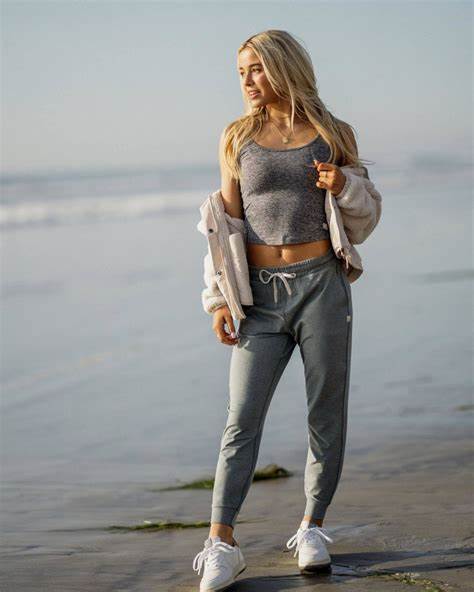
LSU celebrity spokes-gymnast Livvy Dunne, loving her some Vuori.

What To Do Instead

Partner with brands, products and services that you really use, like and recommend. Focus on your positive feelings about the brand. Focus on promoting the brand, not on the fact that you are a paid promoter.

As athletes you want to feel like you are winning. And it is easy to think that you are winning by telling the world you won an NIL deal. Or that you are getting paid because you are such a good athlete. Or because you are cute and have a nice body.

But don’t.

You win by having the brands you work with want to do more work together. You win by having other brands recognize the great job you do as a promoter, which makes them want to work with you too. Just keep the compensation behind the scenes.

Key Takeaway

If you have the opportunity to promote brands, products or services as a college athlete the best thing you can do is think like a professional athlete. Enthusiastically promote, support and endorse the things you like, but keep the compensation part low-key. Professionals recognize the importance of the marketing work they do as a key part of their livelihood, so they approach the work as professionals. College athletes need to do the same thing. It’s the best way to keep your opportunities going long after your college days are over.


**Yes, you can add ‘Paid Partnership’ to your social posts when you feel it is necessary to be transparent. Just don’t add NIL-deal. Deal?

*If you know a college athlete who could benefit from this message, please share it with them.

+For more of the best life lessons I have learned check out my book, What Does Your Fortune Cookie Say? from Ripples Media.

Why logic isn’t enough to win at marketing.

As the Founder & CEO of the advertising and idea agency, The Weaponry, I get to work on a lot of great brands with a lot of great people. But as someone passionate about great creative work it may surprise you to hear that one of my favorite brands to work on is in a historically conservative category. Yet we have developed a brand personality and creative work for our client that is full of the type of personality and wit that is more common in categories like soda pop or men’s deodorant. #ImOnAHorse.

But like most brands, our fun client also has a lot of legitimate reasons to choose it the way choosey moms choose JIF. So a while back the marketing team decided to emphasize those legitimate reasons to choose the brand in a fairly straightforward way. The personality was downplayed. Features and benefits took center stage. And the brand started feeling, well, flat. Kinda like soda pop after someone left the cap off of the bottle for a few days, in Iowa.

I could tell that we were starting to drift slowly off course. The fun brand we had built was an honest reflection of the reason customers loved the organization. The people and culture of the place were great. We simply made sure that it shined bright like a diamond in the marketing too.

So we met with our client and shared our concerns. I told the client that we were getting too logical. We were focusing on rational reasons to choose our brand. And our endearing personality, the fun, cool, the funny, was fading into the background. As we focused on our features and benefits, things that many of our competitors could also promote, we were losing our differentiation. And we were in danger of losing our emotional magnetism.

As marketers, we must never forget this fundamental law:

To be wildly successful, you need your audience to love you, not logic you.

Our superstar clients understood the problem. And we made appropriate adjustments. Starting with our next creative campaign, we put our personality front and center as we promoted the great reasons to believe in the brand.

Today, when I see our work I love everything about the brand. The personality is fun, smart and clever. It provides a smile if not a laugh. There is a clear reason to choose the brand in every marketing morsel. People comment on the work all the time. And the brand is enjoying strong growth and success across the board. Which I love most of all, Scarecrow.

Key Takeaway

Resist the temptation to focus fully on your features and benefits. Brands should have personalities, just like people. Invest time and energy in developing a great personality that grabs attention and magnetizes your audience to the brand. Make your customers and prospects love you, not logic you. Because once you win their hearts, everything else will follow.

*If you know someone who could benefit from this message, please share it with them.

+For more of the best life lessons I have learned check out my book, What Does Your Fortune Cookie Say? from Ripples Media.
Why brainstorming is a bad idea and what to do instead.

I have never liked brainstorming. Ok, that is not entirely true. At first, I loved brainstorming. You know, the classic meeting that sounds like barnstorming, but without the barns, biplanes and scarves. In brainstorming sessions, a group gathers in a conference room with markers and candy to generate a collective storm of creative ideas that come from the brain.

In the very beginning of my career, I loved these meetings because I was good at them. Brainstorming sessions allowed me to show off just how stormy my brain was. I would blast the room with my ideas. I would build on the ideas that others stormed. I felt like I was in my element. Like a hottie in a swimsuit contest in Panama City on Spring Break.

But then I started realizing what was really happening in those brainstorming sessions.

  1. A small number of people shared a large number of ideas.
  2. A large number of people shared a small number of ideas.
  3. Too many people weren’t sharing any ideas. They were just eating the candy.

Boo.

The key to valuable ideation is volume and variance. You need to generate a lot of ideas. Because great ideas are a percentage of total ideas generated. You also need variance because you want different types and styles of ideas to compare and contrast with each other to weigh the relative benefits of each approach. If your volume is low, or your variance is low, your options are low. And your creative possibilities are limited.

Social dynamics also degrade the potential power of brainstorming sessions. The loudest and most influential people tend to Boss Hogg the air time. They create a hierarchy that prevents others from wanting to share ideas or stick their neck out with contrarian ideas. Which is what brainstorming sessions must have to provide maximum value.

Once I recognized how inefficient these group thinking sessions were I became a born-again non-brainstormer. And I have never liked them since.

A Better Solution

The best way to create the most ideas is to have people think on their own and write down as many ideas as possible. By ideating independently, each person maximizes their thinking time, which leads to more ideas, and a greater range of exploration. An hour spent with 10 people generating ideas independently means everyone has 1 hour of air time. That’s 10 hours of idea generation. Which beats 10 people together sharing 1 hour of air time every time. (See the talk show The View for proof.)

For maximum effectiveness, the ideas should be collected and shared anonymously, so they are evaluated without biases towards their creators. Once all of the ideas are available it is valuable to gather, evaluate, discuss and build on the ideas as a team. And you can still serve candy and sniff markers.

At The Weaponry, the advertising and ideas agency I lead, we’ve created something we call Seed Sessions. In these sessions, we share a broad range of pre-generated ideas that we call seeds. Each seed is shared as a slide with 3 elements.

  1. The name of the idea
  2. A short paragraph summarizing the essence of the idea
  3. A visual representing the idea

In a Seed Session, we may sow anywhere from 20 to 40 seeds. We discuss the ideas and build on the favorites. Everyone in the room has the opportunity to feed and water them. We shine sun on the favorites. And by the end of the session, the seeds have grown into vibrant plants full of potential.

The Seed Session process offers a great way to maximize idea generation and utilize the collective intelligence of the group to identify and build on the best ideas. Which is exactly what brainstorming sessions are intended to do. *Unless brainstorming sessions were actually created by candy companies to sell more candy to adults. Which is a pretty sweet idea.

Key Takeaway

Great ideas create competitive advantages for organizations. To generate the best ideas you should maximize both the volume and variance of your ideas. This is best done through individual ideation, which maximizes thinking time and minimizes social inhibitors and biases. Share the generated ideas and build on them together. It’s the greatest way to harness the collective brain power of your team.

*If you know someone who could benefit from this message, please share it with them.

+For more of the best life lessons I have learned check out my book, What Does Your Fortune Cookie Say? from Ripples Media.
Have you thought about your personal curb appeal?

Everyone who has ever shopped for a home knows the term curb appeal. It refers to the immediate impression that a home makes when you pull up to it. It’s the real estate version of judging a book by its cover. Only it’s a really big book. And the cover features a circle driveway, begonias, and a couple of garden gnomes.

Brand Curb Appeal

Brands and businesses have to think about their curb appeal too. You have an opportune moment to impress your potential customers when they first encounter your brand. That first impression can either help sell or unsell customers before you even mention the advantages of your non-caloric, silicon-based kitchen lubricant on cereal. Or sledding hills.

Personal Curb Appeal

But it’s also important for us to think about our own personal curb appeal. When people encounter you for the first time what do they see? What do your clothes, shoes and hair signal? What does your posture say about you? What message is your face sharing with the world? Do you have RBF? Or PMF? (Post Malone Face)

Is there something in your personal curb appeal that helps you stand out from the crowd and makes you interesting, unique and memorable? If not, think about what that could be. What’s your signature attribute? Just as a home benefits from a beautiful door, noteworthy landscaping or remarkable lighting, you also benefit from your memorable differentiators.

If you don’t yet have any memorable differentiators, now is a great time to discover something that serves you well. It could be something about the way you dress. Hats, shirts, ties, pants, belts, socks and shoes are all great options for creating interest and distinctiveness. So are other accessories, like watches, glasses, purses, canes and monocles. And you will really stand out if you rock 2 monocles at once.

But your personal curb appeal can also be enhanced by the way you carry yourself. Your visible energy, warmth, friendliness, happiness, charisma, kindness or professionalism can make a strong first impression, even from across the room, or across the street. Those attributes help make you immediately noticeable, likable, recognizable, and several other ables that are able to create immediate and lasting advantages for you.

Key Takeaway

It is important to consider your personal curb appeal. A home’s curb appeal helps increase the perceived value of the home. Your personal curb appeal will do the same for you. It helps you get noticed. It helps people remember you. It will inspire others to seek you out. Which helps improve your network and exposes you to more and better opportunities. You’ll find that life is better when great people and great opportunities are magnetized to you.

*If you know someone who could benefit from this message, please share it with them.

+For more of the best life lessons I have learned check out my book, What Does Your Fortune Cookie Say? from Ripples Media.
The Weaponry turns 8 years old!

When I first started my career in advertising I dreamed of starting my own agency one day. And one day I did. That one day was eight years ago. Today, I can say that there is almost nothing better than to say that your one day happened in the past. That your one day has an actual date. That your one day is not a hope, dream, or wish. It is part of your permanent record. Like that suspension from high school.

How It Happened

I didn’t just dream about starting my own business. I envisioned it. I planned it. I took action. And I made it happen. I did what I told myself I would do. And because I did, I started believing that I could take on other big challenges. Like starting a blog, writing a book, or swallowing a spoonful of cinnamon without crying for my mommy.

You may have noticed there were a lot of ‘I’s in the last paragraph, eleven to big exact. That is because it takes a lot of personal action, initiative and determination to start a business. But once you’ve started, it takes a lot of weness to keep it going. I am extremely thankful to our talented team of Weapons for building The Weaponry into the organization it is today.

The Weaponry was born on April of 2016. (I know that because I checked its born-on date, like a can of Budweiser from 1996.) In the beginning, it was a huge accomplishment to get to our first birthday. In fact, it was a huge accomplishment to make it to each of our first 5 birthdays, because such a high percentage of businesses don’t last 5 years. Kinda like a Kim Kardashian marriage.

But the thing that I love most about The Weaponry turning 8 years old is that there is no real significance to it. 8 years is not a memorable milestone. The business is simply taking care of business. Like Bachman-Turner Overdrive. If we put out a press release saying The Weaponry Celebrates 8 Years of Business no media would reshare our news. Except maybe The Adam Albrecht Blog. Because I know a guy there.

No Surprise Party

The other thing I love about turning 8 years old is that it is not a surprise. No one worried when we hit 7 years that we wouldn’t be here for the 8th. We didn’t eke out another year by the skin of our teeth. (Although I have never understood that saying. And I’ve never met a dental dermatologist.) Quite to the contrary, The Weaponry has had our two best years in 2022 and 2023, growing steadily each year.

Key Takeaway

When you start a new business there is a lot of instability. Which is part of the fun. And most of the challenge. But there is a great reward in reaching stable ground. It’s important to appreciate the steadying effect of hard work, smart systems, tested processes, a strong team, and accumulated experience. They make your business more predictable. Undoubtedly, there will always be more challenges ahead. And you will be ready for them when they come.

*If you know someone who could benefit from this message, please share it with them.

+For more of the best life lessons I have learned check out my book, What Does Your Fortune Cookie Say? from Ripples Media.
The 10 Super Bowl commercials I loved!

Super Bowl LVIII is in the books. The game was good. Especially if you like overtime. And long field goals. Usher got a passing grade. But more importantly, there were plenty of good commercials for the Chiefs and 49ers to play football around.

Today there will be a lot of talk about what commercial was the best. Which is a silly debate. Because if you like a commercial you saw yesterday, remember it today, and are now considering purchasing something from that advertiser, they won. Although, it’s hard to purchase a Jesus.

So rather than pick one winner. Here is a set of 10 winning Super Bowl advertisers and their commercials that made me like their product, service or brand more today than I did before the game.

10 Commercials That Won Me OverDuring the Super Bowl

Reese’s: Yes! (Caramel)

This spot announcing that Reese’s now has peanut butter cups topped with caramel was amazing. The message was simple and compelling to people who like such things. (And I like such things.) The extreme reactions to the announcement was hilarious. At my house, we rewound the commercial to watch all of the reactions several times. We paused the spot to take in all that was happening within the featured living room. If you haven’t done the same, do it now. Great job offering a cool new SKU Reece’s. And thanks for the head through the wall, the hula-hooping dog, and the duct tape on the coffee table. I saw it all.

Google Pixel 8: Javier In Frame

This was a cool and compelling technology introduction. But it quickly became a great story about how technology can impact your life. It was a sweet love story that couldn’t have been captured on camera, until now. It’s always risky running a touching Super Bowl spot, rather than a can’t-miss football-to-the-groin commercial. But you pulled it off nicely Googs. And now I think that you are really trying to make the world a better place, not just selling me search terms.

Poppi Soda. The Future of Soda is Now

Soda pop has not been a growing market for years. Teas, waters and flavored seltzers have become more sensible replacements. But Poppi Soda has a new and refreshing take on the category. And they used the Super Bowl as a stage to say that soda pop doesn’t have to be what it once was, Pony Boy. I tried my first Poppi Soda yesterday, and I loved it. It was exactly what I wish soda pop was. Low sugar. But not no sugar. (Honey-honey.) We may look back at this Super Bowl as the catapult that launched a significant soda pop shift. If so, I hope this blog post makes it into the National Soda Pop History Museum, which I assume is in Minnesoda.

Etsy: Gift Mode

This spot looked the part of an epic period piece spoof. The commercial captured the moment when France sent The United States The Statue of Liberty. It was hilarious. The spot reveals that the recipients, Americans, now felt put out that they had to send a thank-you gift to France. But they found the perfect gift, a handmade cheeseboard, on Etsy, thanks to the new Gift Mode.They don’t fully explain how gift mode works. But I feel like I should check it out because France was sure happy with their gift.

Pluto TV: Couch Potato Farms

This commercial for Pluto TV was funny and attention-getting. It utilized the perfect Super Bowl commercial formula: simple premise + epic execution + humor = memoralikability. In this case, Pluto TV shared that they have so much great content, that they create perfect conditions for couch potatoes. Plus they dropped the line, ‘I like romantic murder.’ The writing, direction, acting and potato costumes were excellent. Pluto TV is now on my radar. 24 hours ago it wasn’t.

Verizon: Can’t B Broken with Beyoncé

This is a great message that while it is possible to break the internet, you can’t break the Verizon network. Even with Beyoncé. Or Bar Bey. And if she can’t break it, it can’t be broken. Now that’s reliabilité.

Uber Eats: Don’t Forget.

Uber Eats presents a fun and funny concept that if you want to remember that Uber Eats delivers practically anything, you need to forget something else. And when you do, hilarity ensues. But be warned, you just might forget your friends and your pants. This spot definitely helped me remember that Uber Eats can help me deliver a lotta stuff. Mission accomplished. However, now I have forgotten what punctuation I am supposed to use to end a sentence

Tacoma. Dareful Handle

The all-new 2024 Toyota Tacoma is more powerful and therefore more adventurous than ever. The Tacoma has done a good job of positioning itself as a badass truck, so that as an import, it can compete with our homegrown Chevys, Fords, GMCs and Rams. This spot does a nice job of conveying Tacoma’s performance by highlighting what I have always known as the ‘Oh Shit Handle’. The message came across loud, clear and funny: the Tacoma will really go. And you can scare the poo out of passengers with its performance. Yee Haw!

Disney Plus: Well Said.

This beautifully simple commercial didn’t cost much to make. In fact, your local insurance agent probably could have afforded to produce it. (The media buy is a whole different issue.) The spot shared the classic lines from content you will find on Disney+. It was a reminder that many of the best movies and the best lines that have become ingrained in our culture are found on Disney+. It’s also ironic that Disney, the greatest creator of epic entertainment in history, would create a Super Bowl commercial that could have been produced on a typewriter. Ding.

This clip wasn’t from the Super Bowl. But you get the idea.

Roller Skates. Usher.

While roller skates didn’t have an actual commercial during the Super Bowl, Usher rocking the rollers during the halftime show was a great ad for these icons of the 1970s and 80s. I bet Moon Boots are totally jelly right now. I’m going to look into skating next weekend. Maybe enter the limbo contest. And I’m going to couple skate with my wife Dawn under that disco ball while Madonna’s Crazy For You plays. (If you want to listen to my favorite roller skating songs of all time check out my Roller Skating Playlist on Spotify.) Thanks Usher. You remind me…

Key Takeaway

There wasn’t an individual commercial that won the Super Bowl. The win is having your commercial in front of 100 million people and having a huge part of the audience like your spot, understand what you are advertising, believe that it is relevant to them, and remember the brand the next day. That’s how advertising helps businesses grow every day. Even when your ads are not on the Super Bowl. Marketers should settle for nothing less.

*If you know someone who could benefit from this message, please share it with them.

+For more of the best life lessons I have learned check out my book, What Does Your Fortune Cookie Say? from Ripples Media.