You are an inflection point.

A few weeks ago, I attended a family reunion. It took place in the tiny but personally significant town of Elkton, Minnesota, where my mom Jill (Sprau) Albrecht was born and raised. Elkton is a town of 130 people. My mom is one of 9 kids. So the Sprau family made up a significant percentage of the town. In fact, the town was so small that the gerrymandering lines were drawn between the bedrooms in my Mom’s childhood home.

The Sprau family reunion took place at my Uncle Jerry’s farm. Which is next to my Uncle Randy’s farm, which is next to my Uncle Rod’s farm, where my Grammy’s family, The Andersons, first settled in Mower County, Minnesota. Straight outta Norway.

In addition to the typical cheek-pinching, wow-you’ve-gotten-talling, hot dog and burger eating, photo-taking, game playing and storytelling, we did something else that really got me thinking thoughty thoughts.
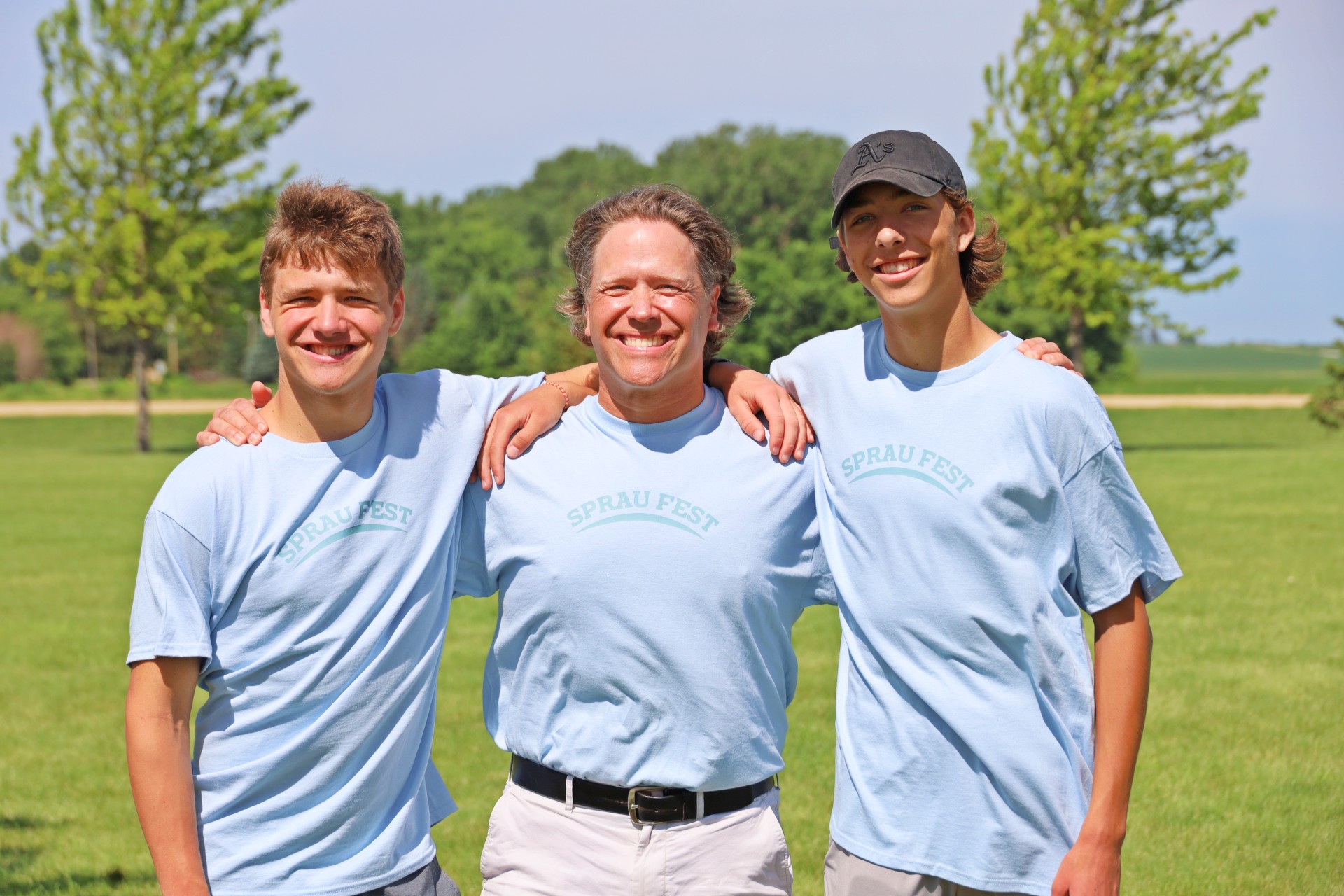
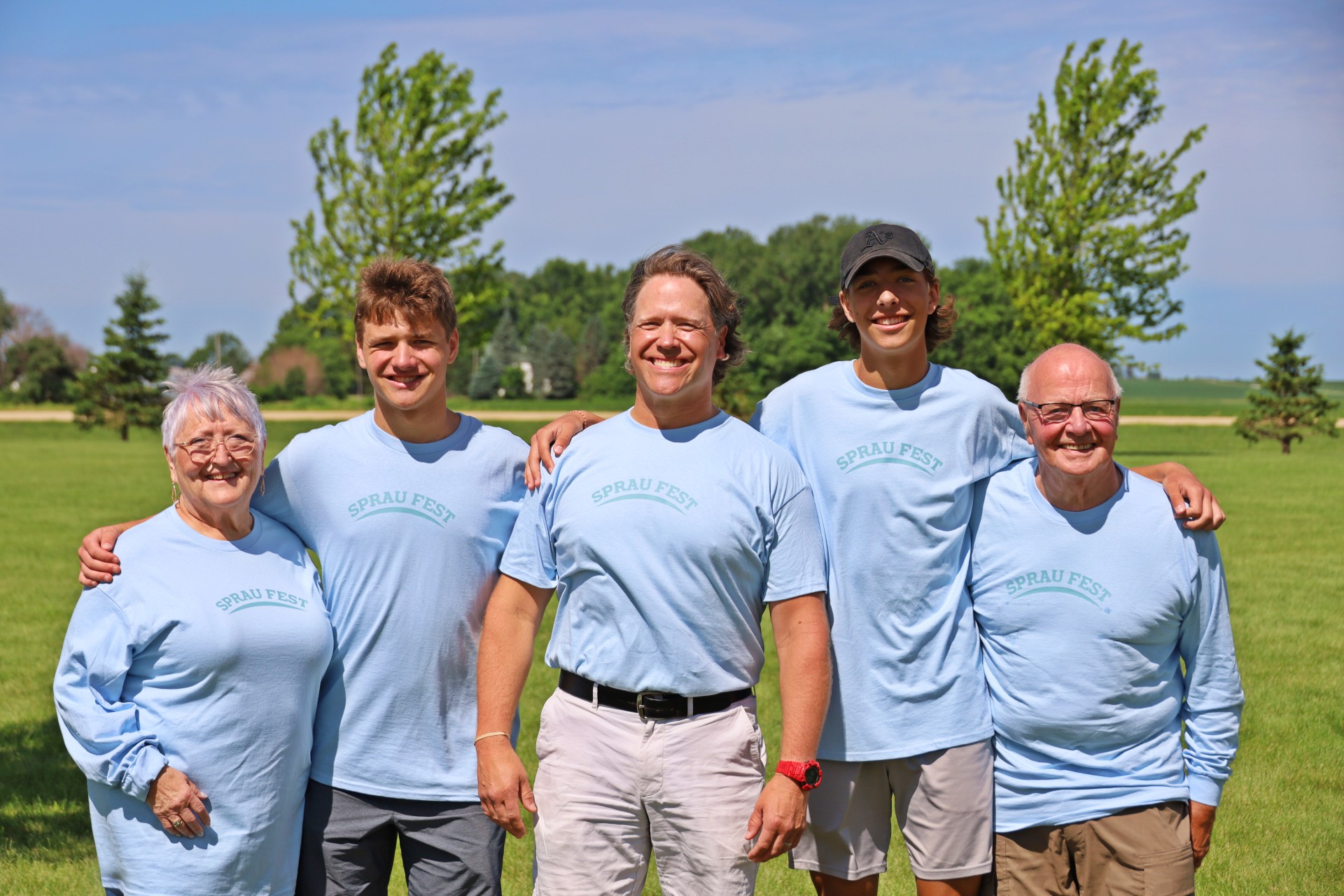
Me, my sons Johann and Magnus, and two hands growing out of my neck.

I was asked to lead a session on our Sprau and Anderson family history. I am an amateur genealogist and probably the closest thing we have to a family historian. Much of this started when I was younger and I was told how important my first name, Adam, is on my mom’s side of the family. And of course, my last name, Albrecht, is significant on my Dad’s side of the family. And my middle name, Robert, is both my dad’s first name and my maternal great grandfather, Robert Anderson’s, first name. So it’s not hard to see that I got tangled into this family history through a few well gifted names.

Following my Shed Talk on Friday, which is like a Ted Talk, but in a shed, I had an aha moment. (It was not about a black and white hand drawn music video.)

As a result of my family history talk, and the genealogical homework I did to prepare for the weekend, I started to visualize a model of my life and my place in my family history that I had never considered before.
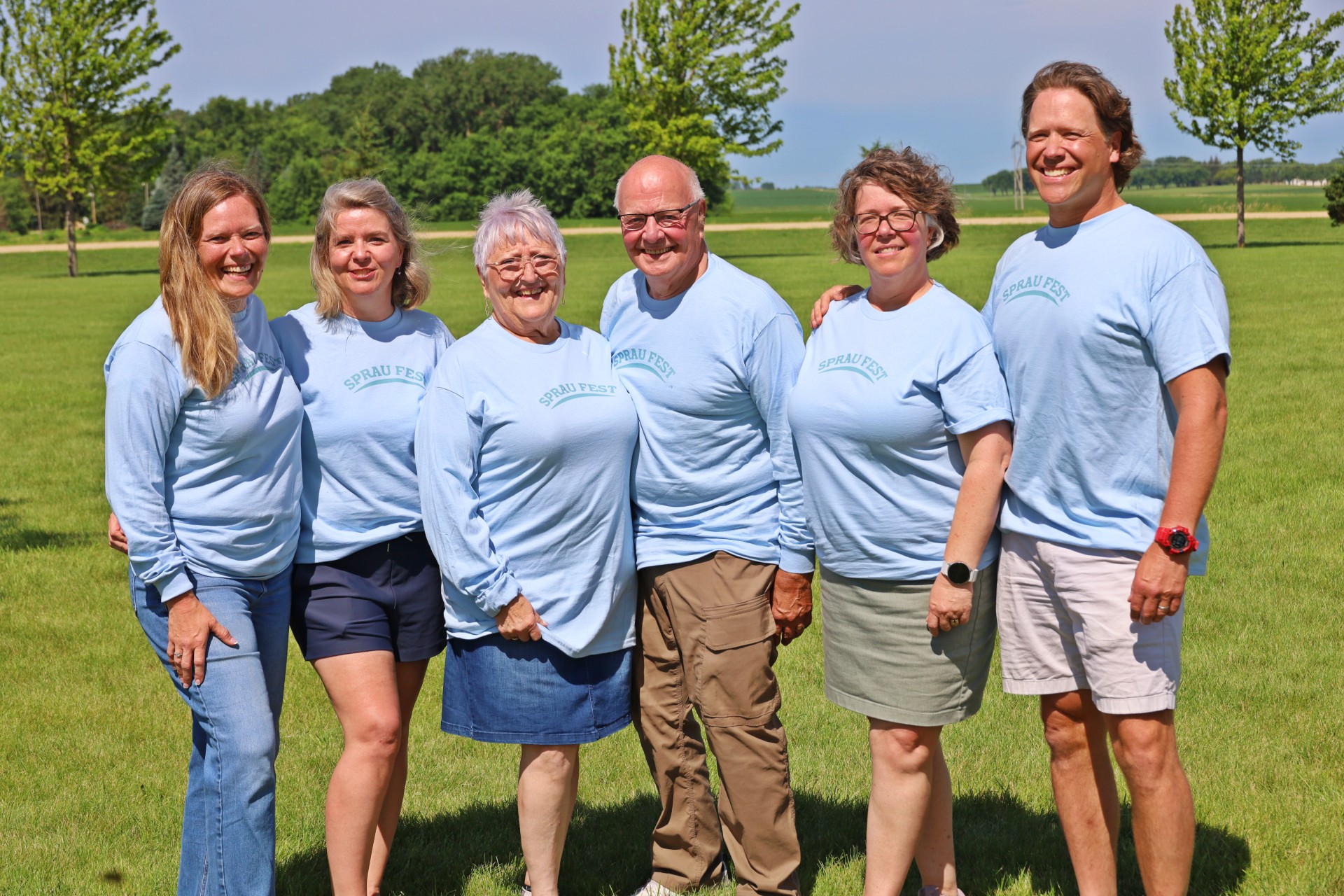
Me and my sisters, Donielle, Alison, and Heather, my Mom and Dad, and me. But none of our feet.

I imagined a simplified version of my family tree that led to me.

Here’s what I pictured:

Above me on my family tree are my 2 parents. So my simplest genealogical tree is an inverted triangle with my parents at the top, and me at the lower point. (Which makes me the low point in our family’s history.)

When you add the layer above that, you find 4 people atop my parents. Obviously, those are my 4 grandparents. And the level above them holds my 8 great-grandparents. Which makes that a pretty great level.
As you trace your family history you just keep building a taller and wider triangle. And by the time you rise 7 generations you have 128 grandparents. By 10 generations, you have 1,024 grandparents on a single level of your tree. That’s like compound interest, in reverse. And we are all a product of this construct. It’s nature’s math.

My realization over the weekend is that all of the genes and traits, skills, lessons, strengths and abilities of the generations before me have poured into me like a funnel. All of these people have been learning and teaching, improving and growing and passing along what they learned in the best way they knew how.

They also accumulated flaws and habits that didn’t serve them. But much of that got passed along too, through the bottom of the family funnel.

I got the accumulated nature and nurture of countless generations before me from as many as 3 different continents.

That is wild.

However, what happens next is just as wild.
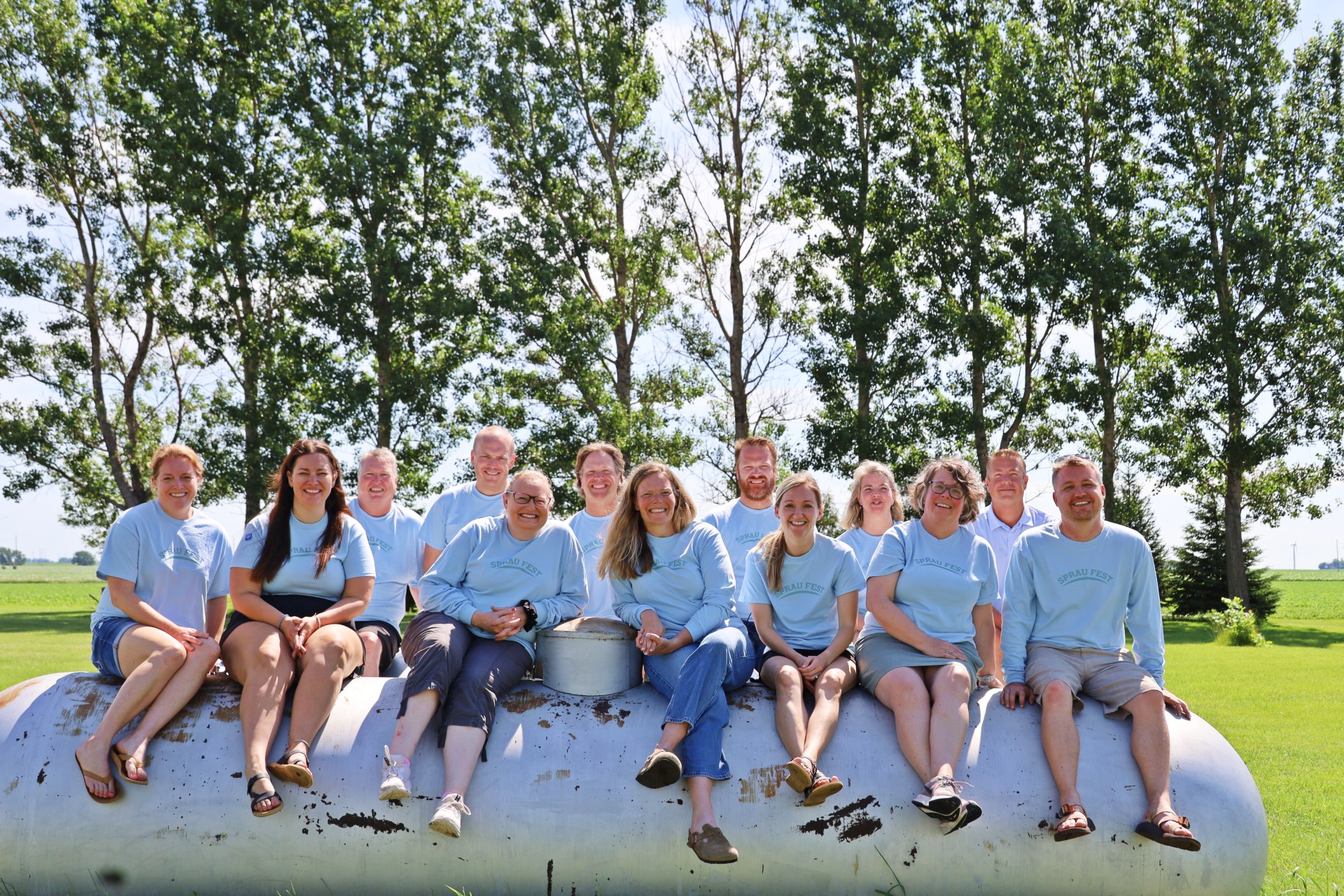
Me and my cousins and sisters getting tanked.

Because I married and decided to have children, the pyramid flips over. I am now at the top of a triangle of my own descendants.

My wife Dawn and I will forever sit at the top of a triangle of our own creation.

We know that pyramid has 3 descendants on the next level: our kids, Ava, Johann and Magnus.
The Three Generation Station

The pyramid may stop right there. Like that woman said to Meatloaf. Or it may continue until the end of time. Like Meatloaf was praying for.

But regardless of how long it builds, all of the nature and nurture that follows flows from me and Dawn.

As the next generations grow and multiply it becomes evident that our genealogy really looks like an hourglass.

There is an inverted triangle above us, that funnels down to us.

Below us is the pyramid of accumulating generations.

This means that many, many ancestors have poured not only their genetics, but their experiences, decisions, strengths and accumulated wisdom into you.

It is hard to say where the sayings, prayers, traditions, terms of affection, mannerisms or womanerisms you use today really started. But there is a strong chance they are deeply rooted in your family tree.

If you choose to have your own children, you are not only passing along your genetic traits, but you are also pouring your habits, values and lessons into the next generations.

This means that you are the center of the hourglass.

You are the filter.

You are the gate keeper.

You are the seed of all that comes after you.

Your decisions, biases, lessons, choices, habits and behaviors will influence everyone who comes after you.

Choose wisely what you pass along to the next generations.

Give them your best.

Filter out the worst. (Although, if you are Germanic, you should give them the best wurst.)

Share as much knowledge and wisdom as you can.

Pass along great habits.

Pass along strong traditions.

Eliminate the things that don’t serve you and won’t serve them.

Ensure that your offspring get the best of what is available to them.

You are the teacher.

The coach.

The prioritizer.

And the great example.

They say sex is hereditary. If your parents didn’t have it, it likely you won’t either.

But the same is true for religion.

And a love for books.

And quality time together.

And games.

And travel.

And sports, culture and music.

And love and kindness.

And generosity.

And friendship.

And braveness

And humor.

And resiliency.

And work ethic.

And grit.

Pass the good stuff along.

It’s how you can pass the best of you along deep into the future.
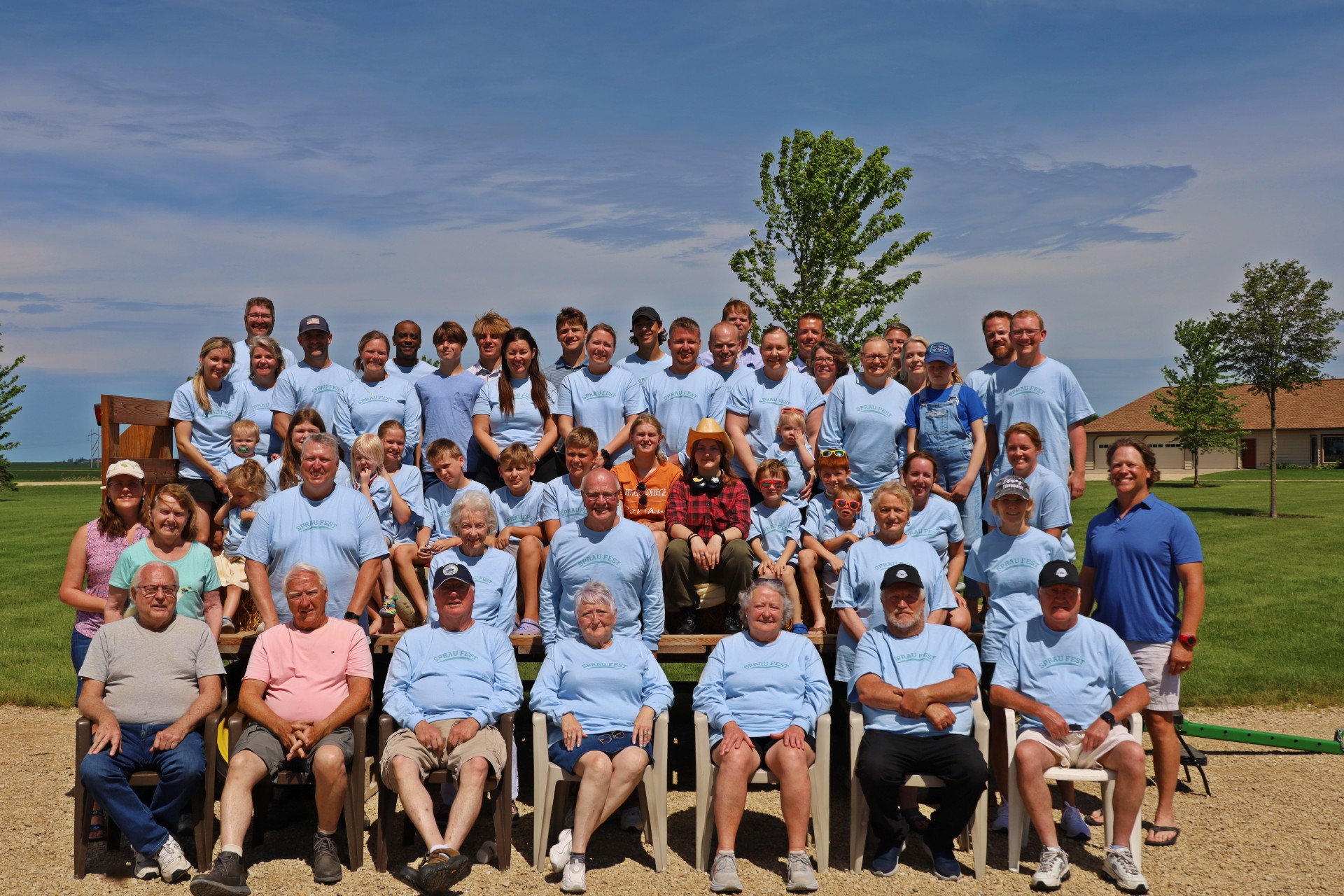
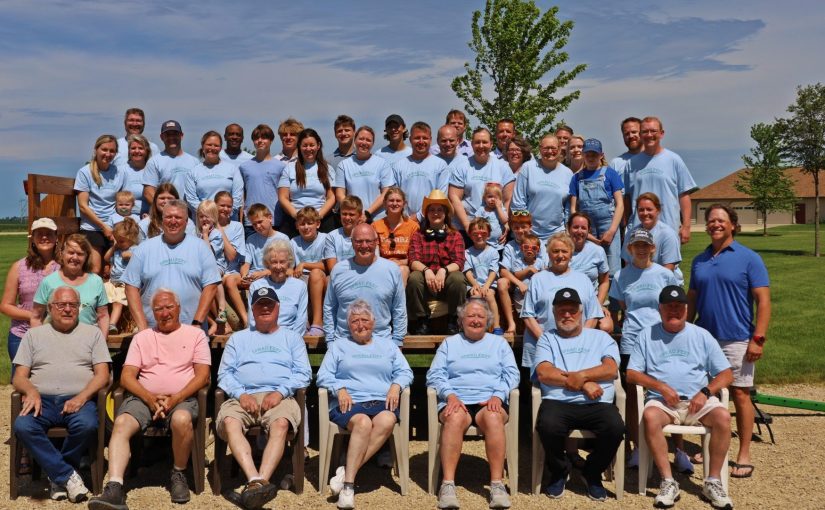
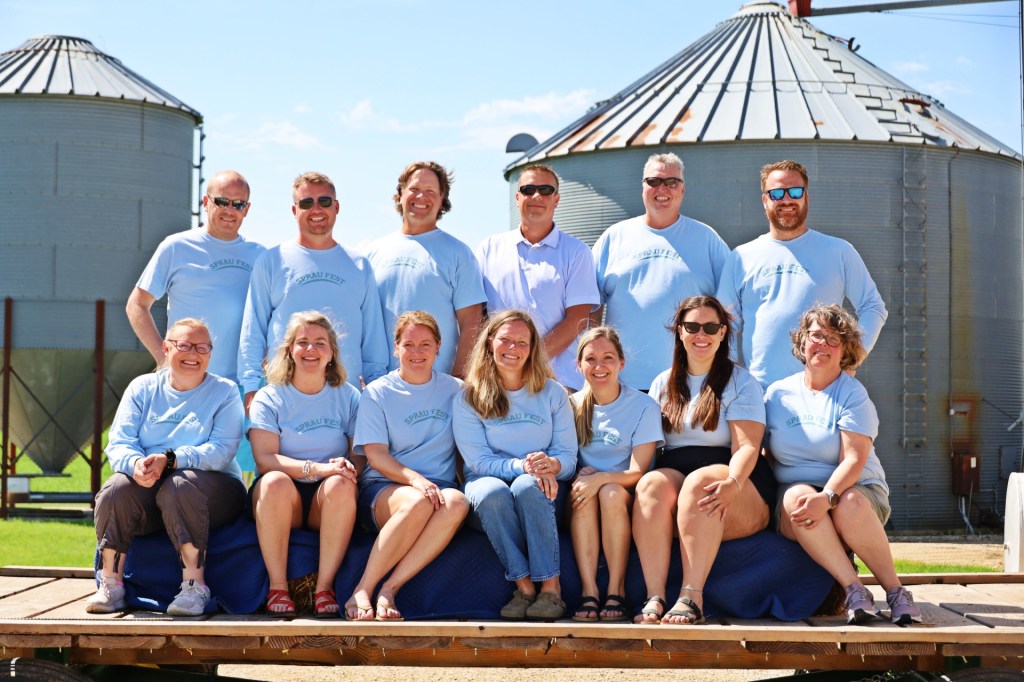
A healthy portion of the Kenneth and Lilian Sprau Family in Elkton, Minnesota on June 28, 2025.

Key Takeaway

Your ancestors have poured the best they have into you. Now you get to pour the best of you into the future generations. Make sure you carefully consider your contributions. And pass along the best inheritance you can.

*If you know someone who could benefit from this message, please share it with them.

+For more of the best life lessons I have learned check out my book, What Does Your Fortune Cookie Say? from Ripples Media.  And consider subscribing to Adam’s Good Newsletter.
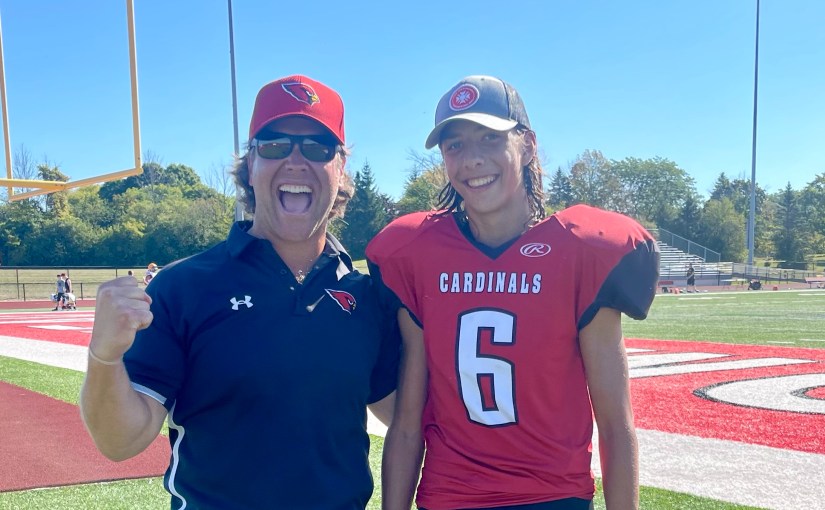
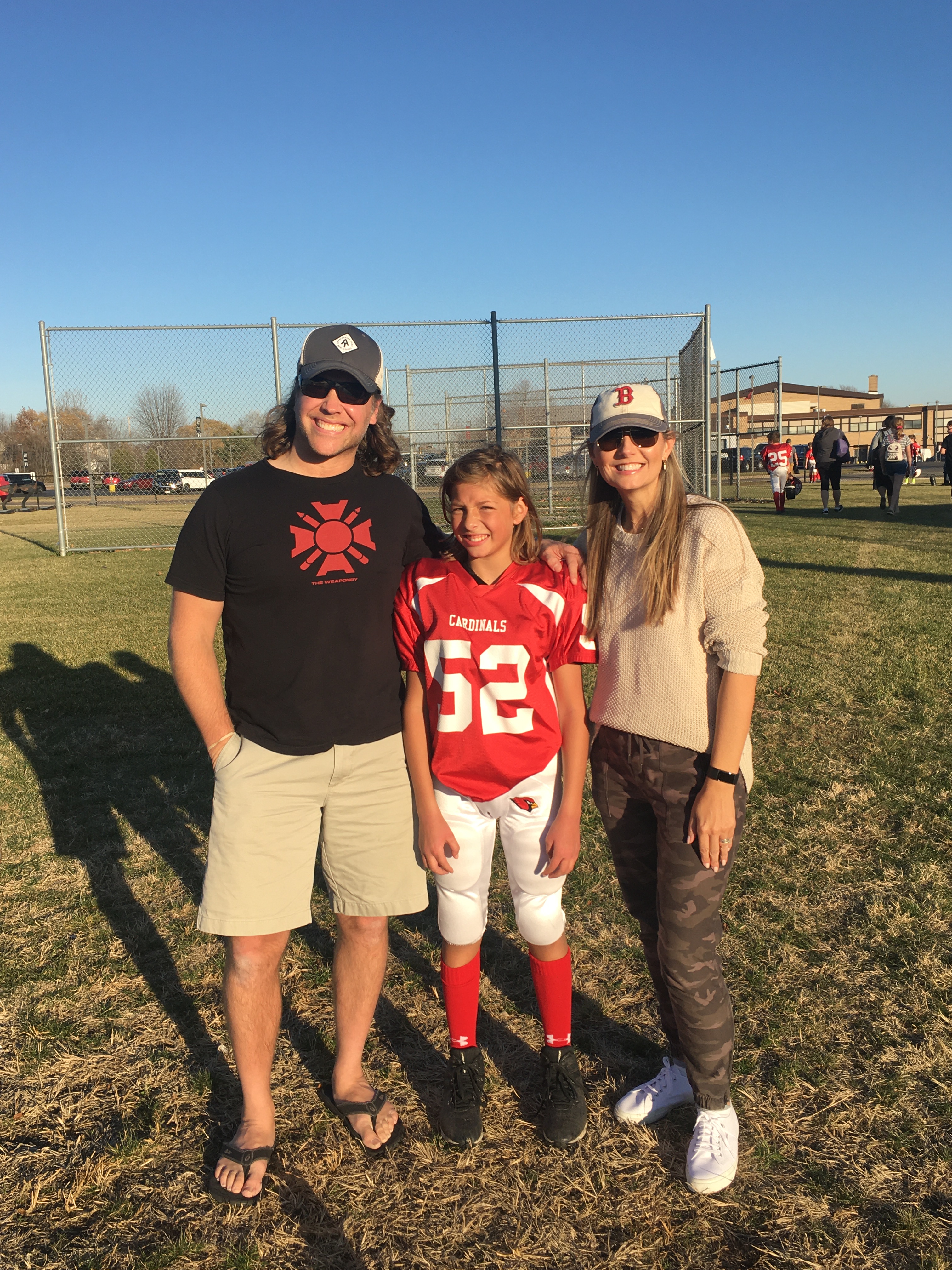
I never expected to be a football coach. 7 seasons later, I am a better parent and leader because of it.

I never wanted to be a coach. Some people are innately drawn to it. I am not. I thought it was a cool role for other people. But I just wasn’t that into whistles and sweatpants. When I graduated from college, I fully expected to never be involved in sports again, other than as a fan. Even after I had 3 kids, I never expected to coach them at any level. I didn’t feel like I knew anything well enough to coach. Except maybe being a class clown. But I felt I could teach that through more of a mentoring relationship.

So it is very strange to realize that this fall I wrapped up my 7th season coaching my son Magnus’ football team. So, how did this happen? To find out we’ve got to go back in time, like Marty McFly.

In The Big Inning…

Like most things, my coaching career started very small. When Magnus was in first grade, we signed him up for flag football. At that level, the teams practiced for one hour and then played a game for one hour on Saturdays in the fall. At the first practice-game the two guys coaching Magnus’ team asked me if I could help out the following week because one of them was traveling. I was happy to help. And I felt like a helper more than a coach. Plus the kids were in Kindergarten and first grade. So they wouldn’t be fact-checking my coaching.

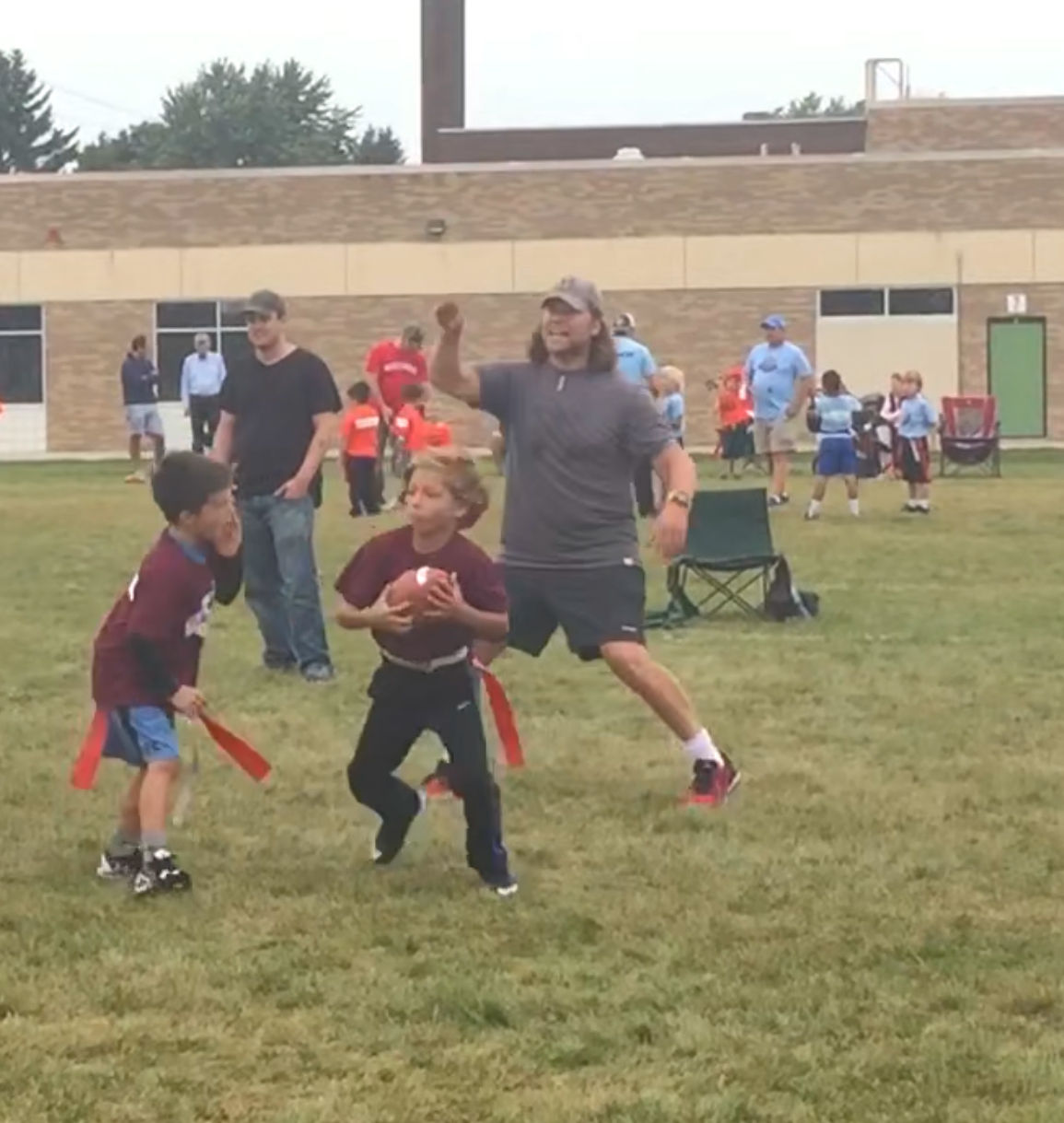
Magnus carrying the ball in 1st grade, when I could point where I wanted the players to go.

That Saturday’s practice-game went well. I had fun. Magnus enjoyed having me involved. None of the kindergartners asked to be traded or held out for more NIL money. So I became the third coach on the staff, helping whenever I could the rest of that cute little 6-week season.

Stepping Up A Notch

When Magnus entered 2nd grade, the program was looking for more parents to coach. My wife Dawn encouraged me to volunteer. So I got paired with another father. And we had a good time. Again, this was just 2nd and 3rd graders with one practice-game combo pack each week on Saturday mornings in the fall. And we were literally on the field placing each player in position and whispering in their ear what we wanted them to do. It was kinda like playing chess with tiny humans. Even better, the play didn’t start until the coaches said they were ready. The hardest part was organizing which parents were bringing the snacks.

Magnus and Me in our second season together. That’s a happy father/son combo pack.

Gaming The System

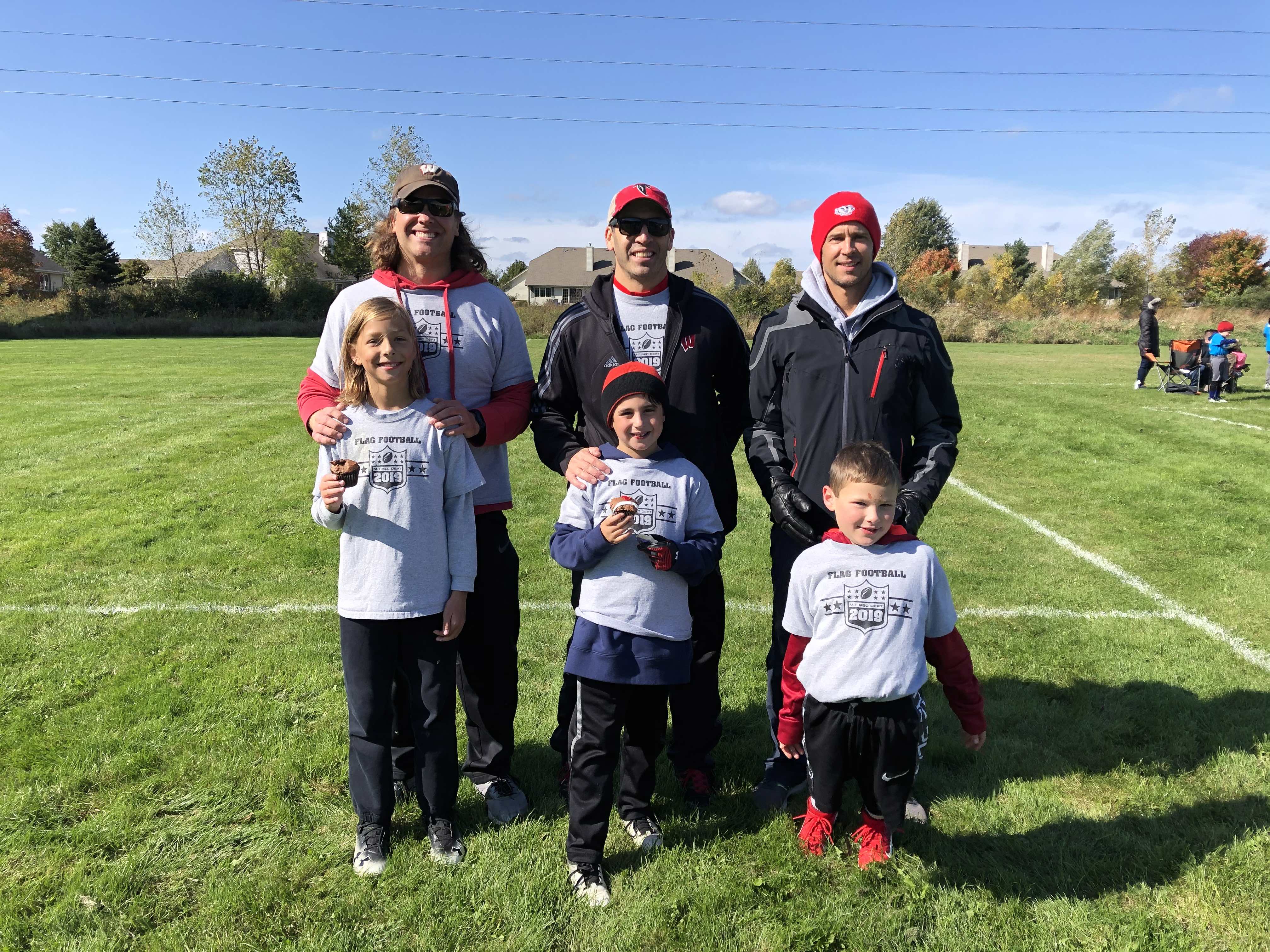
By 3rd grade, I realized that you could choose to pair up with another coach to lead a team. And when you did that, it allowed you to stack your team with 2 good players. So my great friend Dr. Mike Brin and I teamed up to coach. DMB played football for the University of Wisconsin Badgers, and we had been friends since we were teenage college athletes in Madison. Mike’s son Josh ‘Aquaman’ Brin was a talented and enthusiastic athlete. Josh and Magnus gave us a strong nucleus to build a team around. Kinda like D-Wade and Chris Bosh. We were lucky enough to land a few other really talented second and third graders, and we had a fun and successful season, even before the snacks.

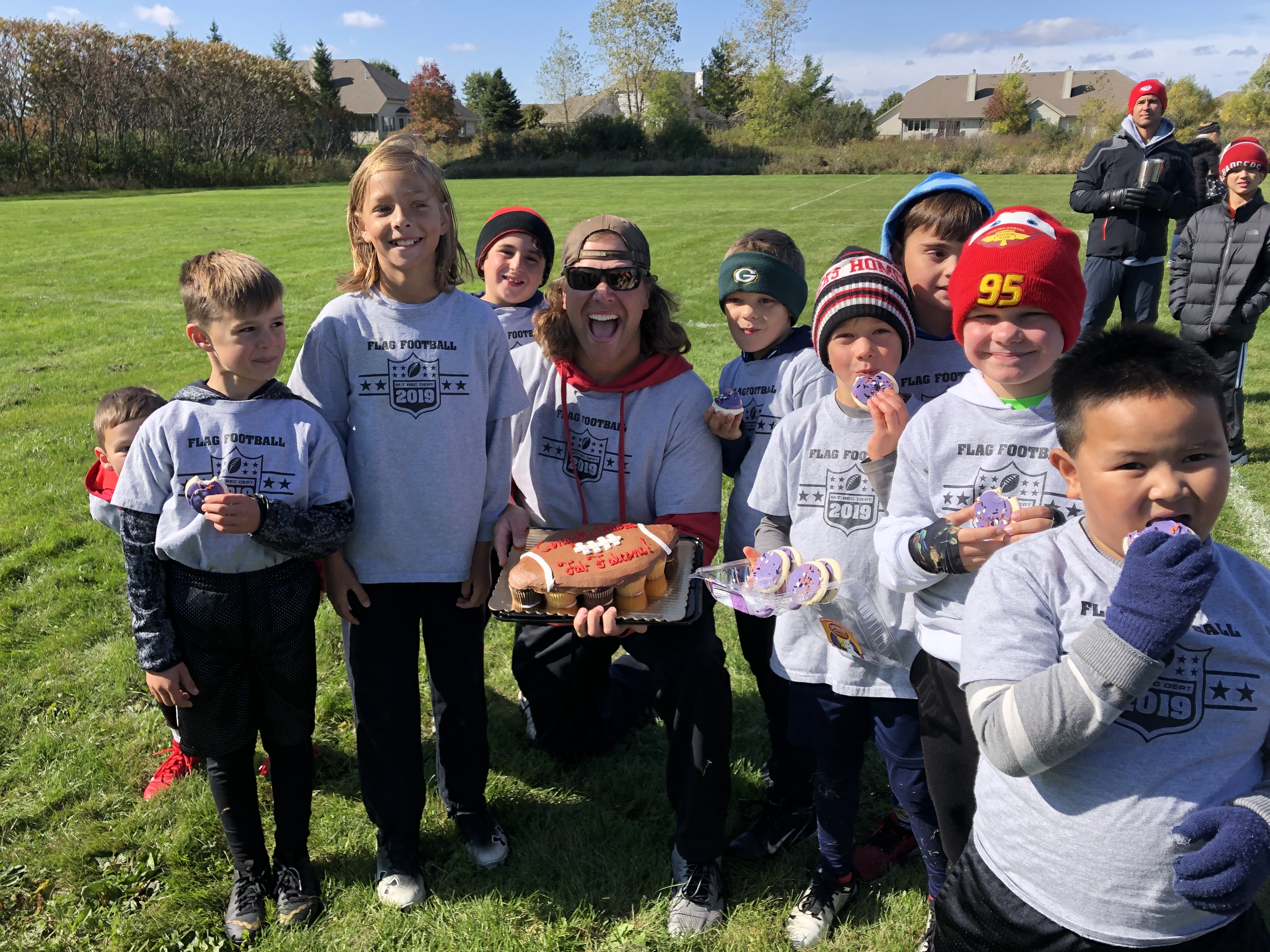
Season 3. We were really upping our snack game by then.
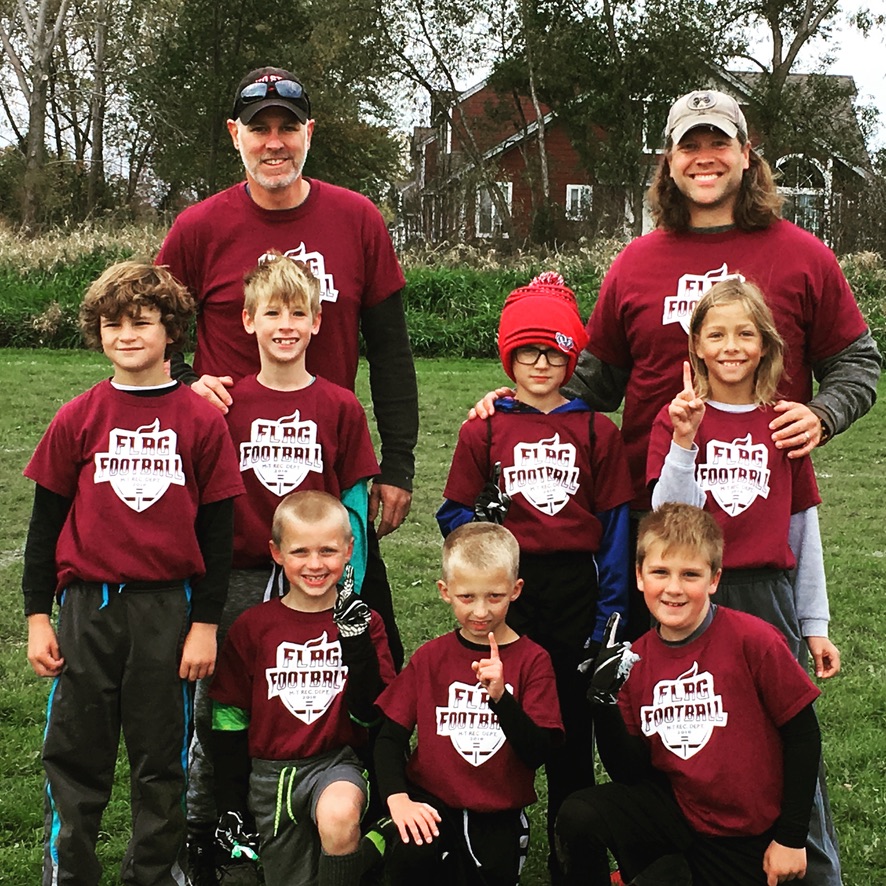
Me and Magnus, Mike and Josh Brin, Josh and Hudson Hunt. All 3 of the guys in the back row were UW Badger athletes, which meant we knew how to recruit. (You do it with cupcakes.)

The Curve Ball

In 4th grade, COVID-19 hit. And the program was canceled for the year. Boo. But Magnus was desperate to play football. So we were allowed to enroll him in the 5th grade Mequon-Thiensville Cardinals tackle football program, where he played up a grade as a tall and eager 4th grader. The boys played with face masks over their face masks, which looked funny and may have had no practical effect, but it made everyone feel better about playing football during a global pandemic. No kids got sick. And I got to sit in the stands, 6 feet apart from other fans, and cheer through a mask like a normal COVID-era parent.

At this point, I thought I was finished coaching. I enjoyed the season as a fan only. (Not to be confused with Fans Only.

When Magnus was in 4th grade, he played tackle football with 5th graders, And I got to cheer in the stands with Dawn. I also got to wear flip-flops without a fear of getting cleated.
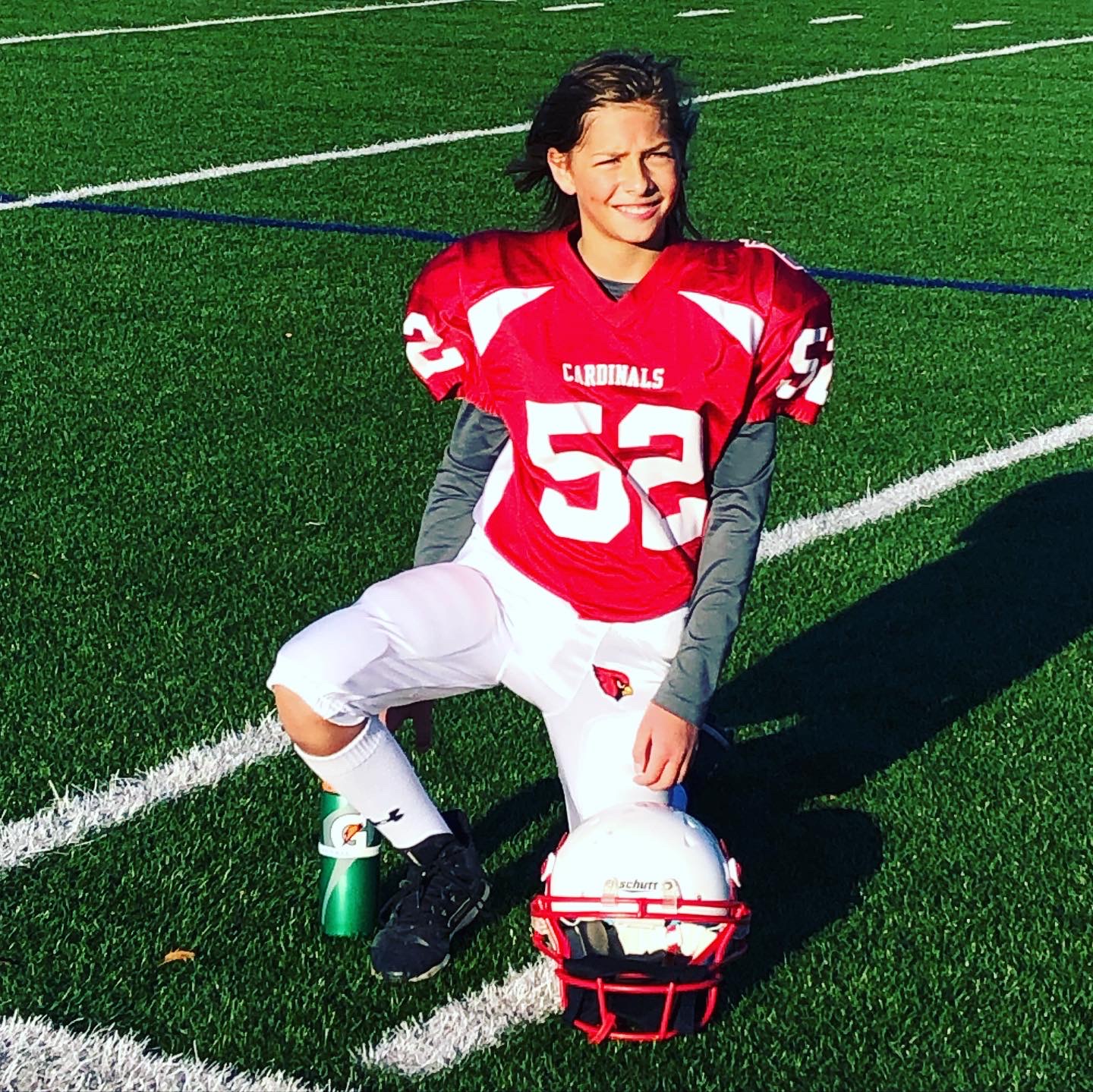
Magnus and a little wind machine for the hair.

Back On Track

That spring, I made a much bigger coaching commitment and started coaching high school track and field. My daughter Ava Albrecht was a freshman at Homestead High School in Mequon, Wisconsin. And I knew that I knew more about throwing the discus and putting the shot than most Mequonians. The flag football coaching experience made me think I could handle track. After all, when you coach throwing, you simply coach technique. There is no strategy. Or defense. Or concussion protocol. Go track!

Tackling Tackle Football

When Magnus entered 5th grade I was asked to help coach his tackle football team. I was reluctant because of the time commitment, especially on the heels of a long track season that went almost to July and left me with just 1 month without coaching obligations. But my coaching confidence was growing. So, I agreed to coach part-time. I was another warm body there to supervise kids and help run drills. I cheered a lot. And I tried to make it fun. For much of the season we only had 16 kids available. So we could only run 8 vs 8 scrimmages. Which was pretty silly. But I like silly.

5th Grade. And We’re back together for Cardinal Rules football.

Jumping Into The Deep End Of The Pool.

When Magnus entered 6th grade my friend Josh Hunt volunteered to become the team’s head coach. Josh played football at the University of Wisconsin and had a lot of coaching experience. He asked me if I would be willing to be the defensive coordinator for the team. I agreed. Because Josh is a nice guy and didn’t seem like the type to burn my house down if I made some mistakes.

Realer Than Real Deal Holyfield

That’s when coaching got real. The slow build of casual coaching obligations helped lead me to a very real coaching position. Suddenly, I would be preparing for every week by watching game film of the teams we would be playing that week. I sketched out every unique formation and play the upcoming opponent ran, noted who carried or caught the ball, how frequently they ran each play, and generally how effective it had been. This represented a huge increase in both my time commitment and my emotional investment. I started to understand why Bobby Knight threw chairs and why Mike Leach went off on a seemingly insane rant about the players fat little girlfriends. Now I certainly don’t condone their behavior. But I started to understand it.

In practice, I taught our team the opponent’s plays and devised strategies to defend against them. Then, on Sundays, I watched our own game film from Saturday and marked up all of the footage on software called Hudl to show what we did right, what we did wrong and how to do things better the next time. I learned that those 3 lessons are the basic pillars of coaching.

I spent more time than I care to admit watching game film, preparing defensive strategies and developing lineups each week. It was a significant commitment. But I loved coaching this group of boys. And I loved spending so much additional time with Magnus.

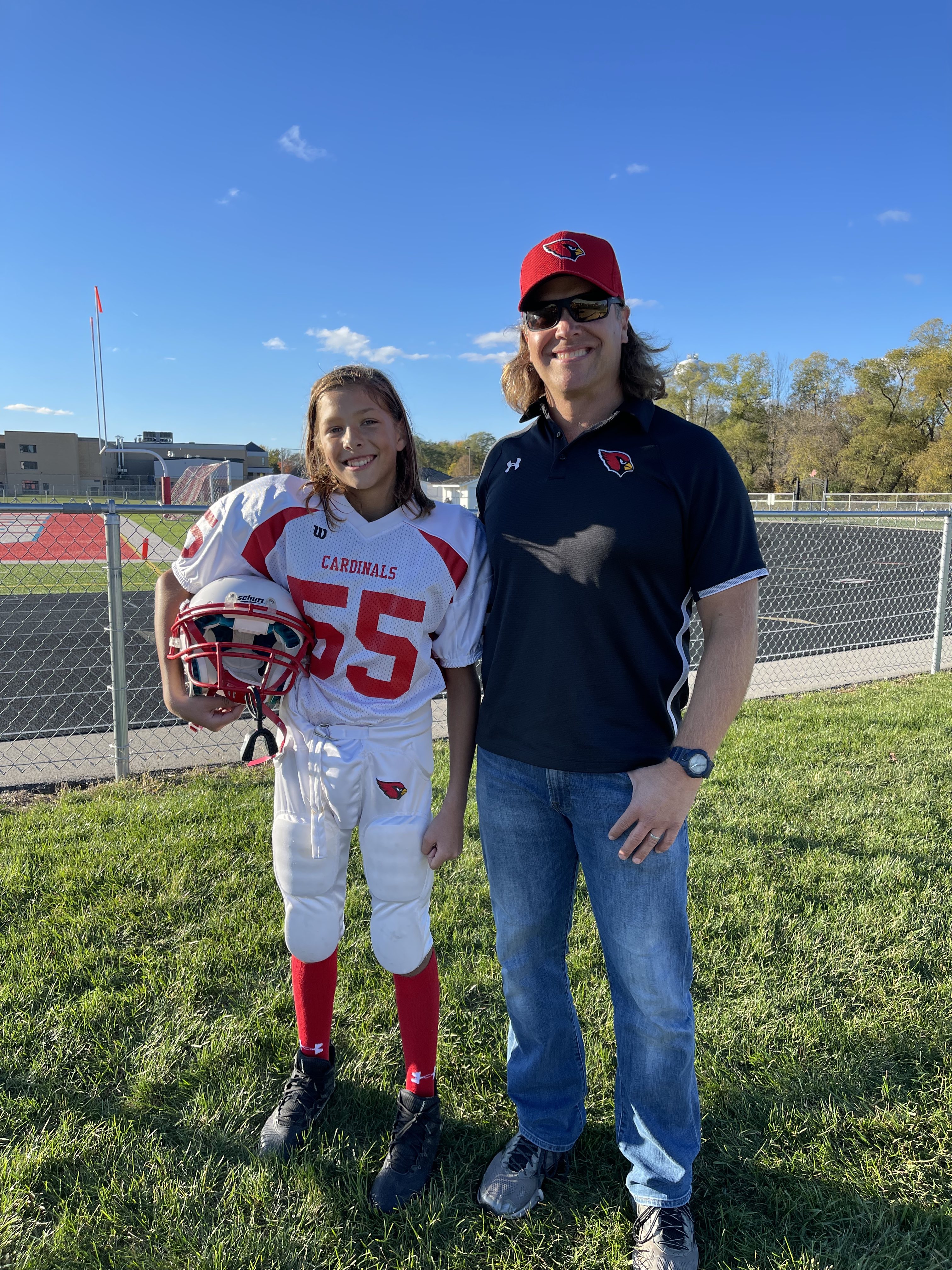
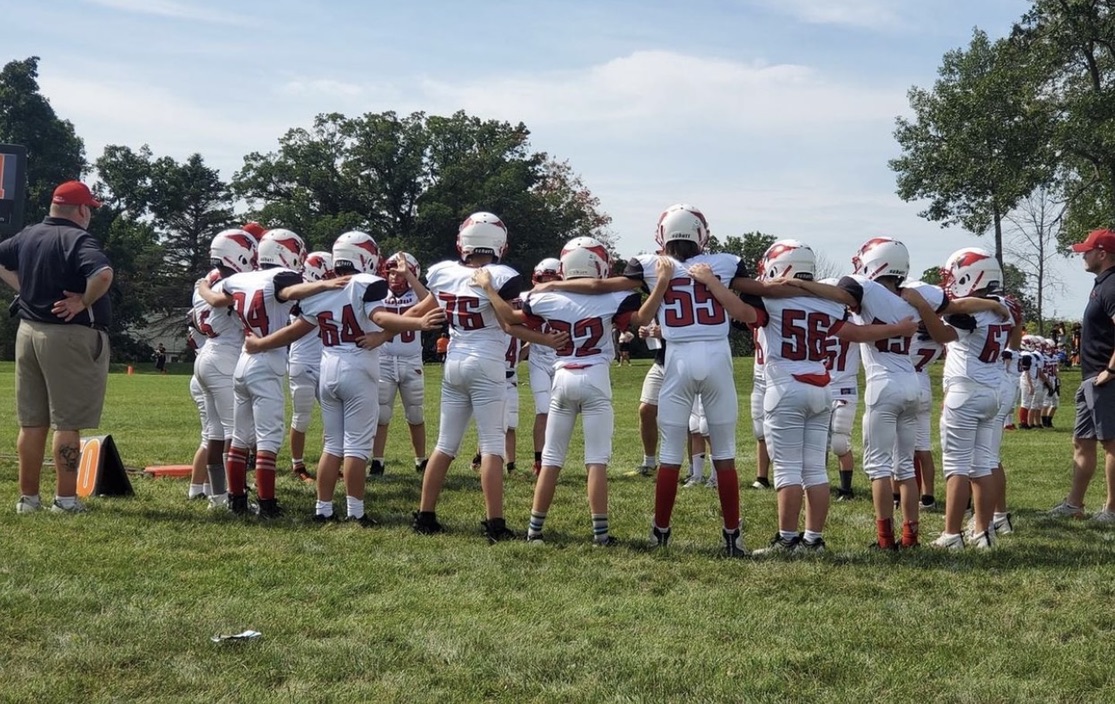
6th Grade. And one of my favorite photos. If you look closely you can see my knee next to Magnus’ (#55)

So I raised my hand to do it again in 7th grade.

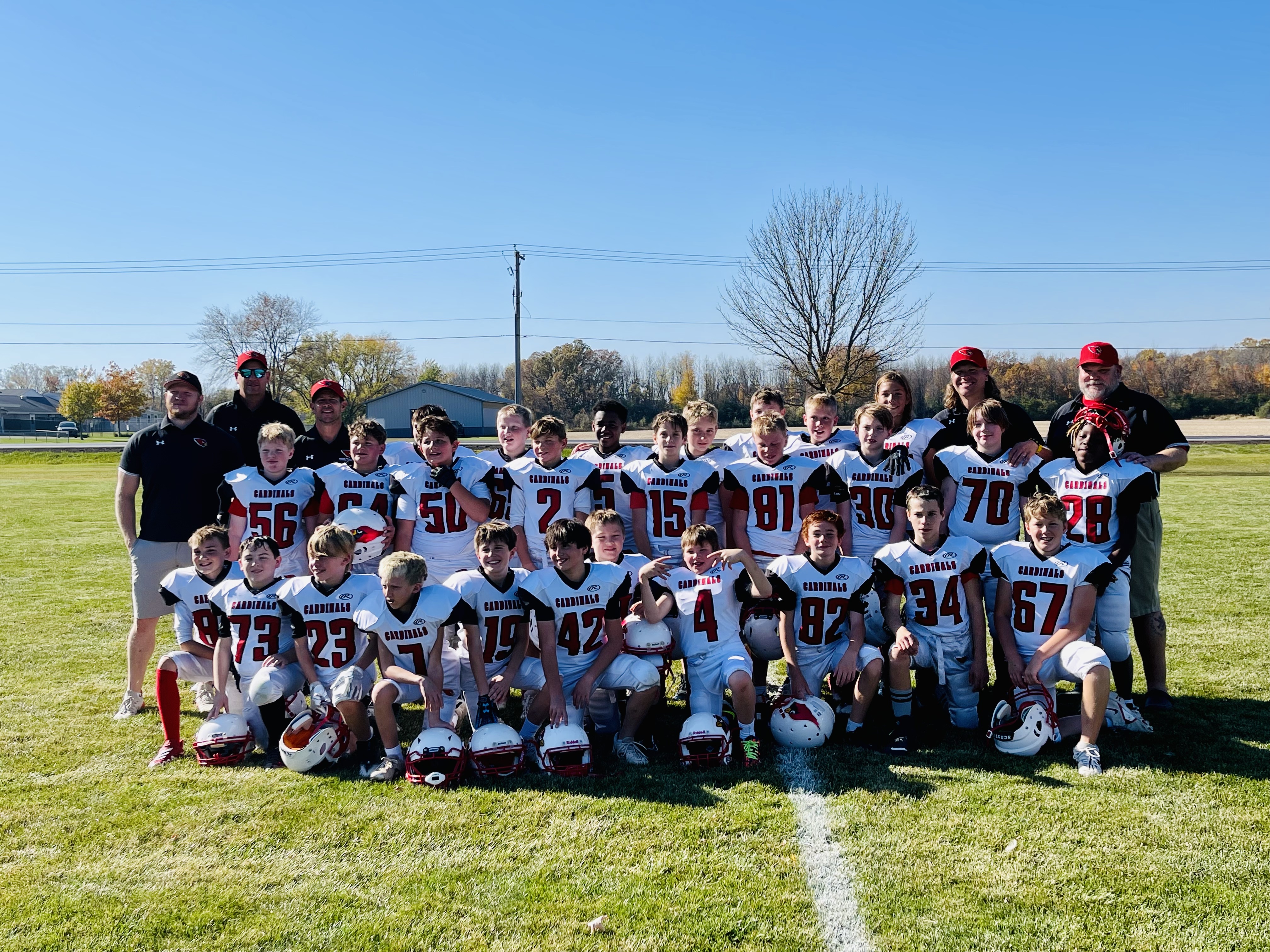
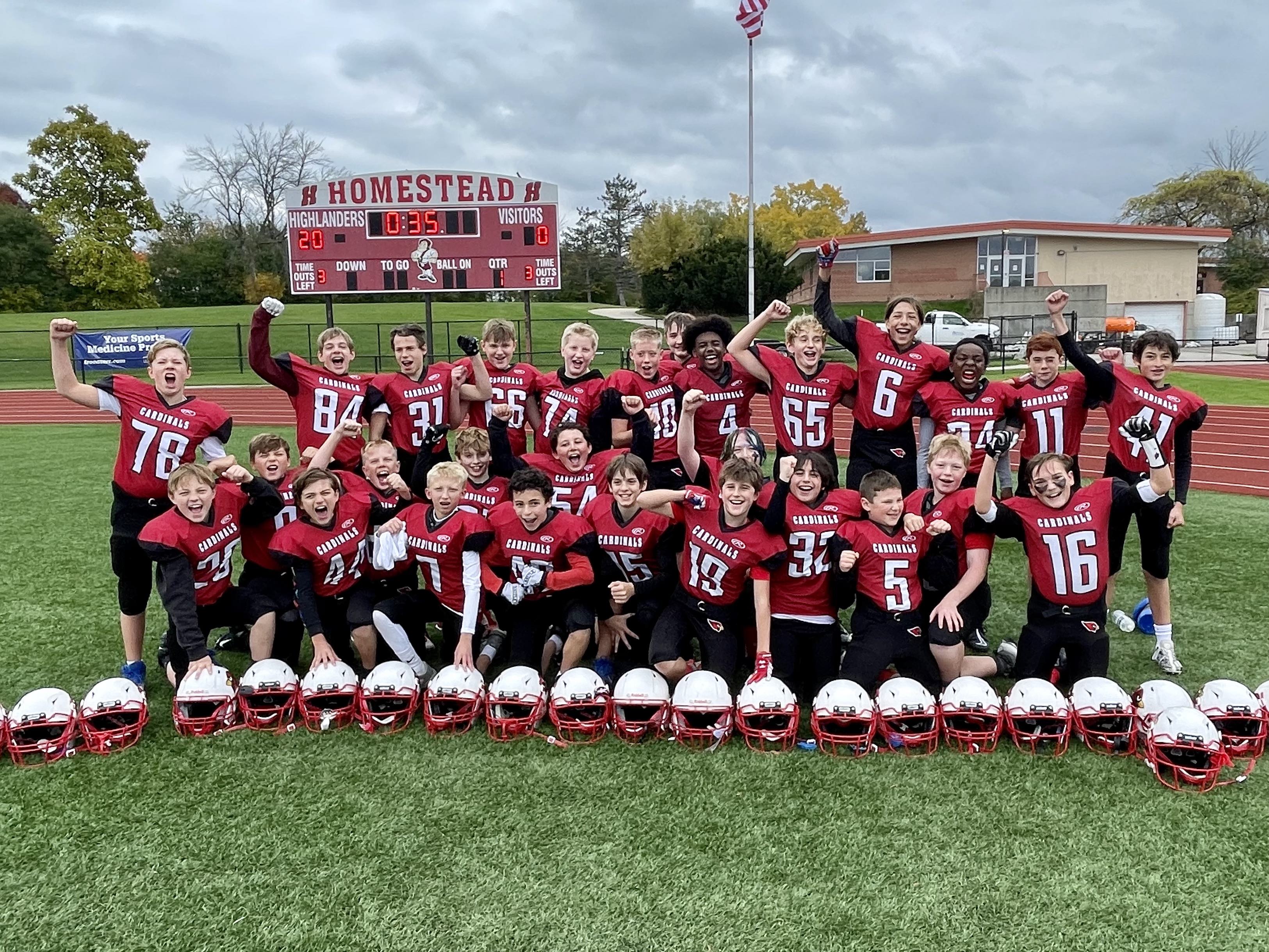
We had a great season in 7th Grade. This was after our last game of the season. Every team should end the year feeling like this.

And again in 8th grade.

For the past four years, from August through October, football has been an intense focus for me. I felt the pressure that comes with being an amateur coach in a high-profile team sport like football. So I prepared as much as I could to help give the boys an edge in the games. Sometimes it really helped. Sometimes it didn’t seem to help at all. This was either because our opponent was so good at doing what they do that we couldn’t stop them, or because they were bigger, faster and stronger than us, and we couldn’t stop them. But either way, I always felt as if I did all I knew to do to prepare our team for each game. And I learned a little from each win and each loss. Which meant that I found a way to win no matter what the outcome was.

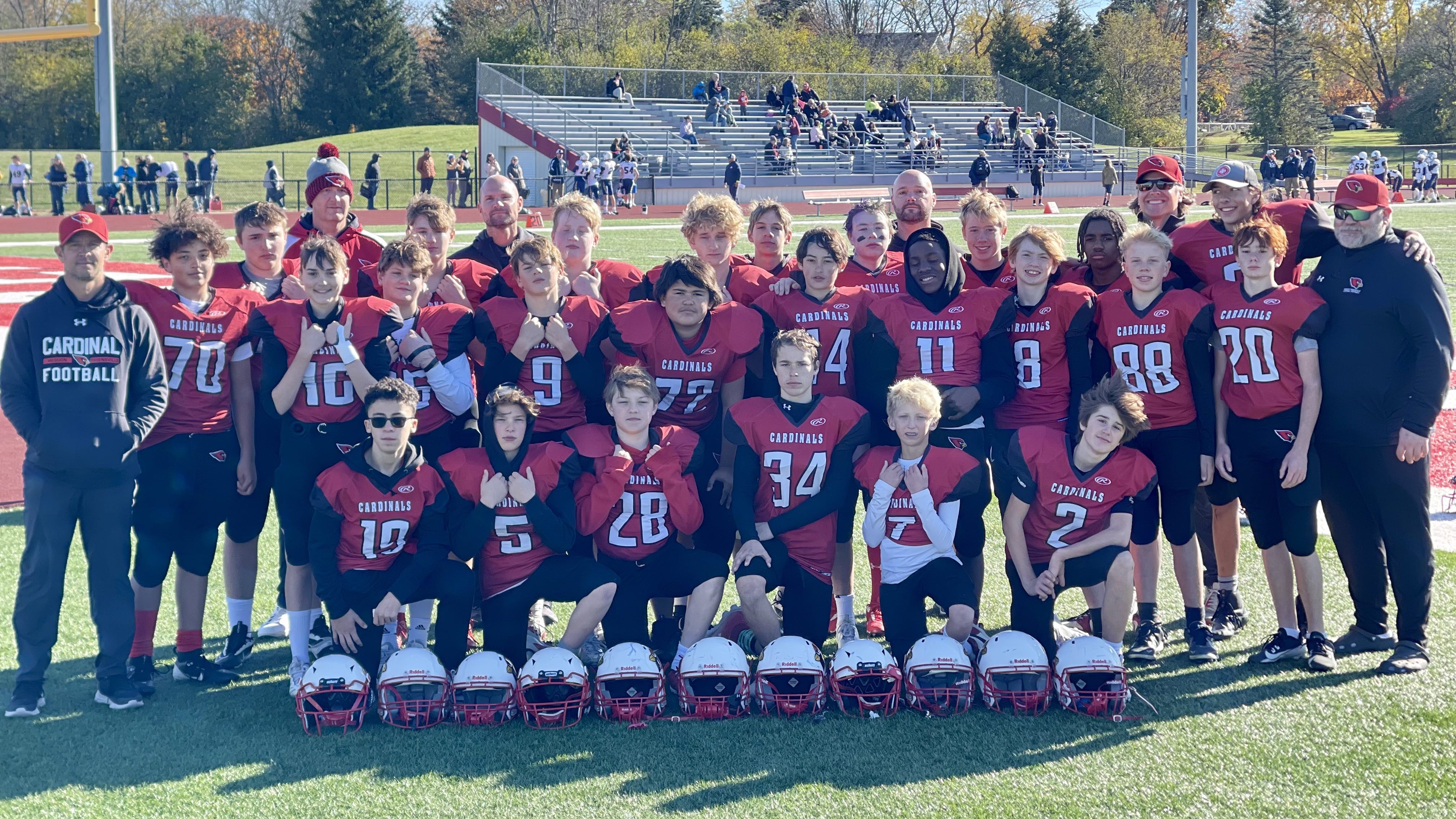
Magnus’ 8th grade season. My last year coaching football. And the first time Magnus was taller than me..

The 10 Best Things About Coaching Football.

1. Winning. There is nothing quite like winning a team sport.

2. Being called Coach. For years, I have been called Coach in our community. It’s always fun and surprising for someone who never expected to coach anything to be called that on the sidewalk, in the schools, and in stores and restaurants. It feels both respectful and as if you had a positive influence on a child’s life. It also makes me feel like I should be wearing a whistle everywhere I go.

3. The Brotherhood: Seeing these boys support each other and coming together as a strong team is amazing. Hearing the stories of them sitting together at lunch at school is rewarding. And knowing how close I still am to the guys I played football with makes me excited for them and the relationships they are forging through their collective football experience.

4. Hearing our defense call out the opponent’s offensive formation and the play they are about to run during a game. It meant the boys were paying attention in practice, they recognized what they were seeing and were prepared to defend the play. I loved that.

5. Stops in the backfield: Quarterback sacks and stuffed runs were the big wins for a defensive coordinator. We have had plenty of those over the past few years. It was a thrill every time.

6. Blocked Punts and Kicks. These have a huge impact on the game. They are magical gifts from heaven. Magnus had a slew of these during his Cardinal football career. And I discovered that a slew is the same amount in both the English and Metric system.

7. Interceptions: These are mission-accomplished plays. They are never not exciting.

8. The Funny Kids: Football is a serious game. But I love the kids who brought their sense of humor to practice and made us all laugh. The funnies often create stronger memories than the wins.

9. The Intense Kids: These kids set the tone for the team at practice and in games. They helped get the team mentally prepared to go to work. I always admired the mentality these winners brought to the field.

10. The Respectful Kids. The kids who responded to all coaching with Yes, Coach and No Coach, who looked you in the eyes, and who asked intelligent questions were a pure pleasure to work with and a sign of good parenting.

Key Takeaway

If you have a chance to positively impact the lives of kids, do it. Coaching, mentoring, volunteering, teaching, chaperoning. All of it helps. And you will get just as much out of it as the kids. Our youth can never have too many positive adult influences in their lives. And you gain by sharing your time, talent and knowledge with others. Don’t worry that you don’t know enough. Raise your hand and learn as you go. That’s what I did. And I can’t imagine my life without this chapter, these experiences, and these boys.

*If you know someone who could benefit from this message, please share it with them.

+For more of the best life lessons I have learned check out my book, What Does Your Fortune Cookie Say? from Ripples Media.

10 Questions I’m asking myself in my most important performance review.

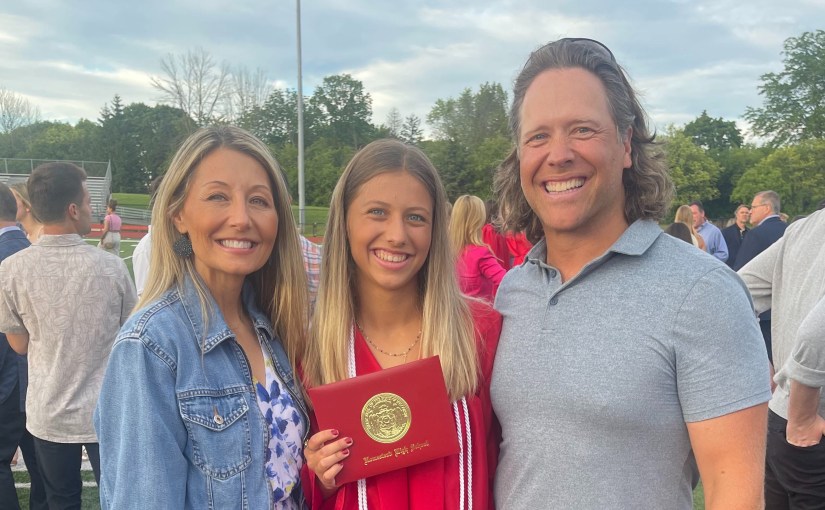
My daughter Ava graduated from high school a month ago. It opened an interesting new chapter for our family. By all accounts, we are a close family. And we have been since Ava, the first of our 3 children, was born. Next month Ava will leave home to attend college at The University of Wisconsin in Madison. To have a member of our nuclear family of 5 leave the reactor is going to change things. And I hope I don’t Chernolbyl.

There are a lot of exciting unknowns ahead that are fun to ponder. What will her career path be like? Who will she meet along the way? Where will she live? Will she make enough money to put me in the good retirement home and buy me the fancy cremation?

But as I prepare for Ava to leave home next month I find myself reflecting. I’ve asked a lot of questions about the past 18 years and how I have performed in my role as a parent. I’ve given myself a performance review. And I am sharing it with you.

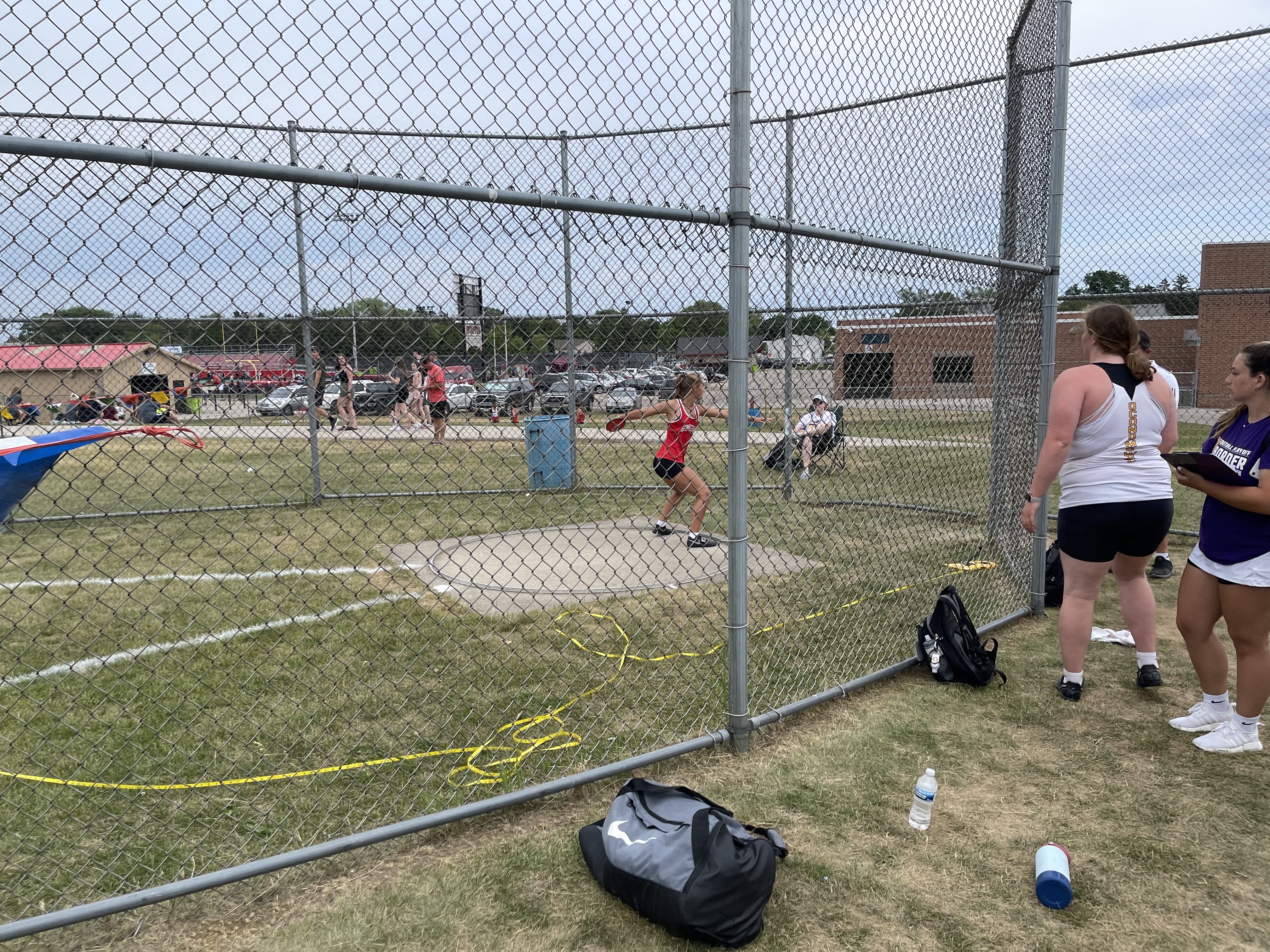
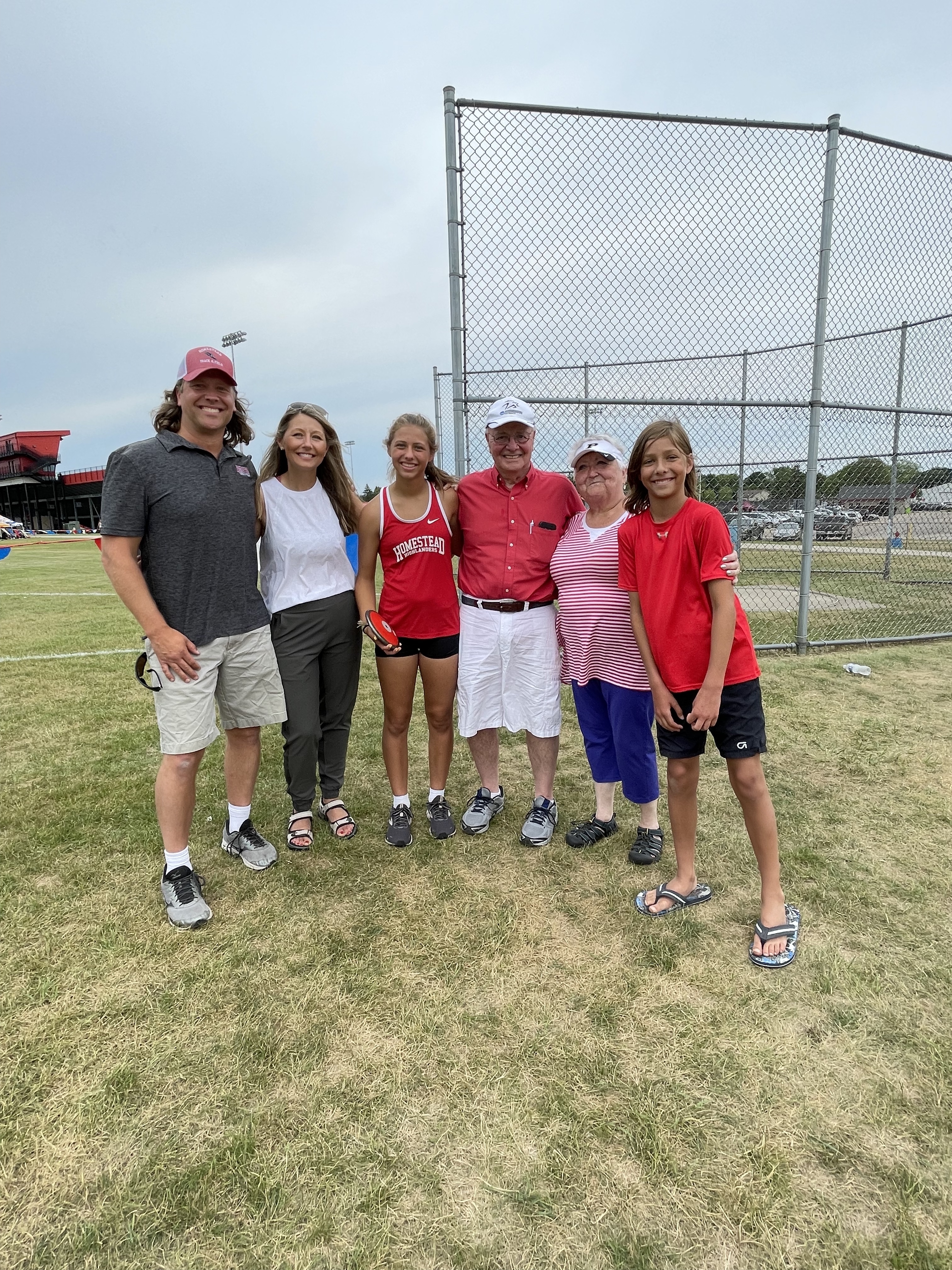
Ava and I after she broke her high school’s 44-year-old discus record.

10 Questions I asked myself as my child prepares to leave home.

  1. Did I spend enough time with Ava? The answer here is complex. Yes, I spent enough time with my daughter. As her high school track and field coach I got far more quality time with Ava than most parents do. Yes, I will always want more. But our time was enough to create a strong bond, to teach, learn and laugh together. I will miss our time together and hope she comes home regularly so we can enjoy more.
  2. Did I set a good example? Yes and no. Certainly, I set a good example in many ways. I was an involved parent in all areas of her first 18 years. I showed her how to work hard, how to make friends and how to make money. But I could have set a better example of how to keep your cool. To be slower to anger when frustrated. I could have used fewer naughty words in front of her. And I could have been stricter about her using naughty words. (But sometimes naughty words express feelings best.)
  3. Did we create enough memories? Yes. This one is a slam dunk. We piled up the memories. Holidays, travel, traditions, sports, adventures, and all the funny unique things along the way. If there is one area of parenting I think I got right, this is it.
  4. Did I pass along my values? Yes. My wife Dawn and I place a high value on values. Our family has The Albrecht’s 5 Most Important Things. My kids know they need to be Smart, Nice, Brave, Funny and Adventurous. We preached this constantly and underscored the importance of each value. When there was some sort of misstep or shortcoming it could always be connected to not adhering to one of the 5 Most Important Things.
  5. Did I make her laugh enough? I’m pretty sure I met my quota. We laugh a lot at our house. It’s one of my favorite things. Ava has a strong sense of humor and we can find lots of reasons to laugh. Even when looking back at the things that were originally painful or embarrassing.
  6. Did I teach her to say I am sorry? I think so. Dawn and I are good at this. It’s important to demonstrate that when you hurt someone’s feelings, were rude, mean or insensitive you should acknowledge it. Even when it was unintentional. And saying you are sorry helps change the whole memory of experiences and relationships, because we rewire the memory once there has been a positive resolution. But just because we taught Ava how to say I’m sorry doesn’t mean she will. She’s stubborn.
  7. Did I teach her enough about money? Yes. I read Rich Dad. Poor Dad. to Ava when she was in elementary school, my dear Watson. I have emphasized the importance of knowing the difference between an asset and a liability. Ava has had a job since 6th or 7th grade. She leaves home with a bank account at The UW Credit Union. She has her own credit card that she uses monthly for small responsible purchases to build her credit. She owns stock in 4 different companies and has seen the value of investing. She knows she needs to make her money work for her, and not just work for money. (If you need to become smarter about money I suggest reading Rich Dad. Poor Dad., Think and Grow Rich, and The Richest Man In Babylon. All of them are easy and informative reads.)
  8. Did I take advantage of the opportunities over the past 18 years? I think so. We spent quality time together. We adventured and traveled. I coached Ava throughout high school. Which created many opportunities to learn about hard work, goal setting, determination, disappointment, resilience and the joy of winning and attaining goals. But we never did a Daddy-Daughter Dance. I probably need more time to see what opportunities I missed.
  9. Is she prepared for her next chapter? Yes. She is about as prepared as a well-cared-for child can be before leaving home. Had we neglected her and forced her to raise herself she may be more prepared for everything to come next. But she would also likely have resentment and other scars. So I think we found a happy medium.
  10. What might I do better with my 2 teenage boys still at home? I could be more patient. Slower to get frustrated or angered. I could teach them more life skills. Tire changing, basic plumbing and electrical work. How to ask your waiter to replace the food that wasn’t quite right.

Key Takeaway

We all take on many roles. It’s valuable to reflect on our performance in each to become better parents, spouses, friends, neighbors volunteers and any other job we take on. It is not through experience, but through reflecting on our experiences that we gain wisdom. So make sure to take time to look back. It ensures that you will be even better at your roles in the future.

I think this girl is going to be alright.

*If you know someone who could benefit from this message, please share it with them.

+For more of the best life lessons I have learned check out my book, What Does Your Fortune Cookie Say? from Ripples Media.

Here’s the best way to interpret bad behavior.

I am reading a fascinating book titled Good Inside by Dr. Becky Kennedy.

The basic premise of the book, and the inspiration for the title, is that all of us, kids included, are good inside. Kinda like a Tootsie Pop. Furthermore, it is important to remember that when we make bad decisions or exhibit bad behavior, it is simply a reflection of a strong understandable desire, fear or discomfort that manifests itself in a negative way. (Which reminds me of my friend who got yelled at by a flight attendant when she got up from her airplane seat to run to the bathroom as the plane was taking off. But my friend was quite literally pooping her pants. So, yeah, you go to the bathroom girl.)

Good for parenting. But also good if you are a leader or a human.

The Good Inside assumption is a valuable reminder to us all. We know that we are good people. We know that our kids, coworkers, friends, and neighbors are good inside, with very rare Dahmerish exceptions. When you recognize this, you come to a much better understanding of what is really driving poor behavior.

Kennedy introduces the MGI, short for Most Generous Interpretation. (Not Most Gassy Intestines.) If you believe that we are all good inside, it is valuable to consider the Most Generous Interpretation of any negative or problematic behavior. This means that when someone acts up, melts down, or their behavior is otherwise misaligned with norms and expectations, rather than simply cursing and condemning, we should generously interpret the very normal and understandable feelings that are underlying such behaviors.

This MGI enables you to demonstrate empathy and compassion. It helps you arrive at an understanding, and address the real and relatable issue the person is dealing with, not just the negative expression that leaks out. (Like my friend on that plane.)

Key Takeaway

You make the world a better place when you assume people are good inside, even when they do bad things. The best thing we can do for each other is consider the Most Generous Interpretation of each other’s words and actions. It enables us to understand, address and resolve negative behavioral challenges in the most positive way. And that’s a win for everyone.

*If you know someone who could benefit from this message, please share it with them.

+For more of the best life lessons I have learned check out my book, What Does Your Fortune Cookie Say? from Ripples Media.

You won’t know if you’ve made the right decision until the very end.

I share a pair of season tickets to the Milwaukee Bucks with a group of other guys. At the start of each season, we rank our games in priority order so that we can each see one of the games we would like to see most. This year, my number-one-ranked game was against the Golden State Warriors. I have never seen Steph Curry play live. Finally, this was my year. Because when the games were handed out, I got the tickets to the Golden State game. It was a swish come true.

My family and I are always looking for fun experiences and adventures. Like the Bucks games. So over the holiday break, my wife Dawn found another cool experience for us to enjoy. It was a torchlit snowshoe hike through a park in rural Wisconsin. I loved the idea of it. We have done similar outings while cross-country skiing. And far from being tiki-torcherous, these outings are magical. So I was all in.

However, the snowshoe hike was a leap of faith. Because when we registered for it, there was no snow on the ground. None. Not a flake. It was kinda like the movie White Christmas. But me and my Rosemary Clooney had faith. So we registered and paid our fee anyway. Because in the forecast it looked as if we were likely to get significant snowfall over the following 10 days.

But in the middle of last week, I discovered a problem. The Golden State Warriors game and the hike were on the same Saturday night. Which is like a plot twist in a sitcom. I thought about my options like any good Dad in a good sitcom would do. I thought about leaving the hike early. I thought about sending Dawn and the kids on the hike while I went to the game with one of my guy friends, like Kramer or George.

Finally, I decided that as much as I wanted to see Stef Curry play, this was the last year that my family of 5 would be together before my 18-year-old daughter Ava leaves for college. So in my Good Luck, Charlie moment, I prioritized the family snowshoe outing.

I decided to see if I could trade my Bucks tickets with someone else in my group. Our group’s Ticketmaster, Darren Fisher, helped me swap my tix for a future game to be determined later. I was bummed to transfer the tickets away. But I want to prioritize family time. (I also want Ticketmaster to not sue me for using the name Ticketmaseter without express written consent.)

Then came the snow. We got all the snow that was predicted and more. We got pounded with nearly 2 feet of snow in 5 days. The conditions were perfect for snowshoeing. That is, until they became too perfect. It seems that the amount of snow, plus wind and cold temperatures messed up the prep for the event. So Friday night we were notified that the event had been postponed to the following weekend.

This meant that I gave up my tickets for nothing. A classic sitcom plot twist. Newman...

So on Saturday afternoon, with no Bucks tickets and no snowshoe hike, I took Ava and my son Johann to our local high school boys’ basketball game. Steph Curry didn’t play in that game. Then I took my sons Johann (16) and Magnus (13) to our health club to work out. Again no, Steph.

When we got home from the club we ate dinner and turned on the Bucks-Warriors Game. If I couldn’t be there in person, I could still watch the game on TV. That’s when the final plot twist of my real-life sitcom was revealed. Steph Curry wasn’t playing. He was taking a scheduled rest day as part of what the NBA calls ‘load management.’

Key Takeaway

Life is full of difficult decisions. This is true in our careers and in our personal lives. Make the best decision you can in the moment, with the information you have at the time. Sometimes you’ll get it right. Sometimes you’ll get it wrong. When you are right, give yourself credit for your good call. When you get it wrong, enjoy a good laugh. And know that you’ve got yourself another good story.

*If you know someone who could benefit from this message, please share it with them.

+For more of the best life lessons I have learned check out my book, What Does Your Fortune Cookie Say? from Ripples Media.

The 5 little words of encouragement I tell myself when things get rough.

Life isn’t easy. It never has been. In fact, things go wrong all the time. And when you are trying to do hard things personally or professionally you will experience bumps, twists, stops, and restarts. It can be maddening. But so is quitting.

When things get hard and the ride gets rough, I always tell myself these 5 simple words:

Just stay on the horse.

Like you, most of the challenges I face don’t involve riding an actual horse.

But many of the difficult things we encounter feel like a bucking horse trying to throw us to the ground.

Things like work issues, relationship challenges, parenting, adversaries, unexpected expenses, illness, and weather. (Did I mention parenting?)

Remember, problems and challenges will keep coming. But they will also go away. You just have to make sure you stay on the horse long enough to enjoy watching the challenges go away.

So don’t quit, Buckaroo. And don’t give up. Tame the challenge. And enjoy the smooth ride on the other side.

Key Takeaway

Just stay on the horse. The bumps are part of the adventure. They make the ride more difficult. But they make the success sweeter. They make the story better. And ultimately, they make you better too.

*If you know someone who could benefit from this message, please share it with them.

+For more of the best life lessons I have learned check out my book, What Does Your Fortune Cookie Say? from Ripples Media.

10 things Dads should teach their kids to love.

Over the past 16 years, I have learned a lot about what it takes to be a good Dad. Most of what I now know I have learned by making mistakes. Like the time I dropped my 6-month-old over a railing at the Zoo. I knew I had made a mistake when everyone around me started screaming. #truestory

One of the things I’ve learned is that to be a good father you should spend more time with your kids than writing blog posts on Father’s Day. So let’s get right to the list.

10 things Dads should teach their kids to love.

  1. Books

Collect Books. Read to your kids. Let them see you reading. Dads who read books keep getting smarter, more creative and more capable. It’s a great way to teach kids to fill their free time with something positive. I recommend the books with more words than pictures, but do what you have to do.

2. Alarm Clocks

Love your alarm clock. Set it every day. Let your kids know that the alarm clock helps you get the most out of every day. Let them see you get up and get productive in the morning. It will teach them to find gold in those golden morning hours.

3. Their Mom

The greatest gift a Dad can give his kids is to love their Mom. Treat her with respect and kindness, even if you are no longer together. If you are still together gross your kids out with how much you love their Mom. It’s like forcing them to eat really healthy food that they think is icky, but is really good for them.

4. Travel

Show your kids the world. Roadtrips. Camping trips. Trips to the store. Sunday drives. Overseas trips. They all count. Show your kids new places and it will spark new ideas, new understanding, and a new appetite to see even more.

5. Hard Work

Teach your kids how hard work leads to great results. Show them that there is no elevator to the top. You have to take the stairs. And if they see you taking the stairs 2 or 3 steps at a time they will too.

6. Encouragement

Kids who receive encouragement encourage others too. It’s one of the best ways you can improve the world through your children. You can do it. I know you can!

7. Saving Money

A kid doesn’t need a role model to know how to spend money. But as a Dad, you can teach them the critically important value of saving. Teach them to accumulate money by always saving part of what they earn. So like 50 Cent, they can watch the money pile up. And as the money piles up so do your options and your peace of mind.

Bonus: Read Rich Dad. Poor Dad. to your kids. I have read that book to each of my kids. It’s the best way to teach them about money.

8. Laughter

The world is full of funny stuff. Enjoy it. Laugh loud and often. Teach your kids to laugh at all that goes wrong. It is the best medicine. And while it may be addicting, it doesn’t cause constipation.

9. Donating

Teach your kids to love donating to causes they care about. Show them how to give without expectations of a return. There are endless ways to give. Share your time, talents and treasure. Or, if you are like my Dad, give blood as often as they will let you. That stuff is more valuable than gold to a fellow human in need.

10. Friendship

Be a good friend to your friends. Collect and maintain as many great friendships as you can. Let your kids see you connect and share love with others outside your family. It will teach them to connect and extend their love too.

Happy Father’s Day!

+For more of the best life lessons I have learned check out my new book What Does Your Fortune Cookie Say? from Ripples Media. It makes a great belated Father’s Day gift. Or a great be-earlied Father’s Day gift for next year.

Why you should embrace your tipped canoes.

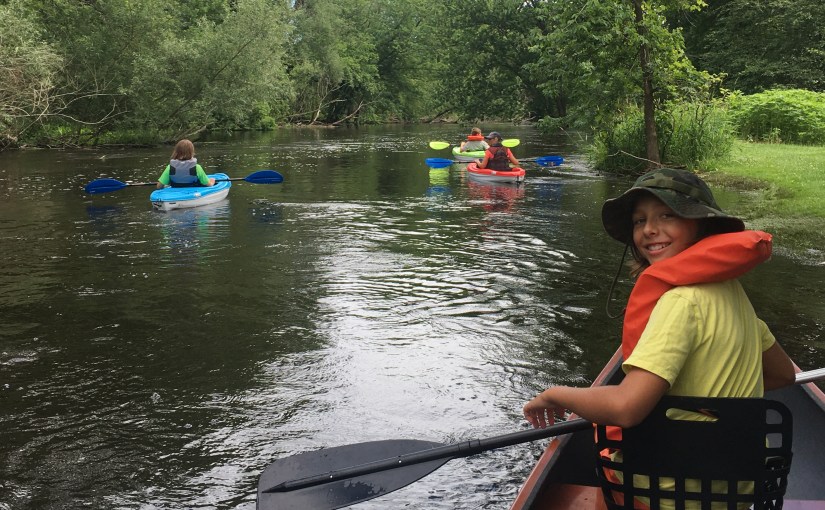
In early June of 2020, following a week of heavy rains, my family of 5 went on a paddling adventure on a swollen creek in Wisconsin. Notice I said creek, not river. A creek is a narrower body of water. Rain and high water create dramatic changes on a creek. If this were a podcast the ominous music would begin right about now…

This particular creek was littered with fallen trees. The tangled trees were like traps set to snare kayaks and canoes. Paired with swift water, the trees created very dangerous conditions for paddlers. (Cue the dueling banjoes…)

After several close calls, my family flotilla of 4 boats (3 kayaks and a canoe) came upon the most dangerous section of the river. The bend in the creek and the trees it collected forced us to navigate a narrow Z-shaped course in the river. (Which is Z most difficult to navigate.)

The last of the boats in our convoy got swept into the trees at the top of the Z. I quickly tried to turn my canoe around and paddle back upstream against the current to help.

In our attempt to help free the trapped boat, my 10-year-old son Magnus and I got swept into another tree. The rushing water soon broke over the top of the upstream edge of the sideways canoe. The force of the water tipped the canoe. (And Tyler too.) The boat instantly filled with water and sank below the surface of the rushing water.

Magnus and I were tossed into the current. Thankfully, we both held onto the canoe and quickly freed ourselves from the trees by swimming under the branches which dangled to the surface of the water.

We swiftly corralled all of our belongings and swam downstream with our submerged canoe until we found a creek bank where we could unload the soaked contents of our canoe, and flip the 17-foot vessel again to purge the water.

After a few minutes of rest, we reloaded the canoe and climbed back into our seats in the bow and stern of the canoe. We pushed off from the creek bank, caught the current, and resumed our travels downstream in the canoe.

The experience provided a few important lessons:

  1. It was a reminder that things can go wrong at any time.
  2. It is how you respond when things go sideways that matters most.
  3. Teamwork matters most when the stakes are highest.
  4. If you keep your head things will be okay.
  5. A little planning ahead, like packing your smartphone in your dry bag, makes you feel smart and well prepared when you open the dry bag to find your dry phone.

Now Magnus and I have a fun story to share and a stronger bond thanks to going through the experience together. We have seen how the other person stepped up in a crisis. Knowing that we can trust each other in difficult situations has brought us closer together. Which is the long-lasting reward for going through challenges with others.

Key Takeaway

Don’t be afraid to take risks. We learn more about ourselves and others in hard times than in good. Adversity is when character is revealed. And when relationships become strongest. The best memories and greatest stories are created when things don’t go according to plan. Embrace the challenges and mishaps that come your way. They will teach you how much you are capable of.

*If you know someone who could benefit from this message, please share it with them.

A father-daughter track and field story.

This spring I took on a fun new challenge. My daughter Ava was a freshman in high school and was very interested in competing in track and field. She is a good runner and jumper, but she was most interested in throwing the discus and the shot put. I expect that had something to do with the fact that I used to throw the disc and shot myself. And that we have a few of each at home.

When Ava was in 7th grade she competed in the sprints and the throws for her middle school team. And because it was a minimal time commitment, I volunteered to help teach the kids some throwing techniques a couple of days a week after work.

But as Ava entered high school I reflected on my own high school experience and recognized that the only reason I was successful was because I had a great high school coach named Jude Dutille. Jude guided me to 2 school records in the shot and discus, 2 New Hampshire state titles, 2 New England championship titles in the discus, and a state record in the discus. What Jude taught me created the amazing opportunity to throw for the University of Wisconsin’s track team. Which was one of the greatest experiences of my life.

I debated whether or not I could commit to the demands of coaching at the high school level while leading my advertising and idea agency, The Weaponry. Ultimately, as with entrepreneurship, I decided that I would rather fail at my attempt than regret not trying. So in April I officially became the throwing coach for the girl’s track team at Homestead High School in Mequon, Wisconsin.

I immediately recognized how little I knew. Because participating in a sport as an athlete and coaching are very different. I tried to learn as much as I could about coaching the throws by reading and watching videos on YouTube. I followed great throwers and coaches on Instagram. And I sought out insights and advice from experts, including my great high school coach, Jude Dutille, and Dave Astrauskas, the throws coach at the University of Wisconsin, who is one of the elite throwing coaches in America.

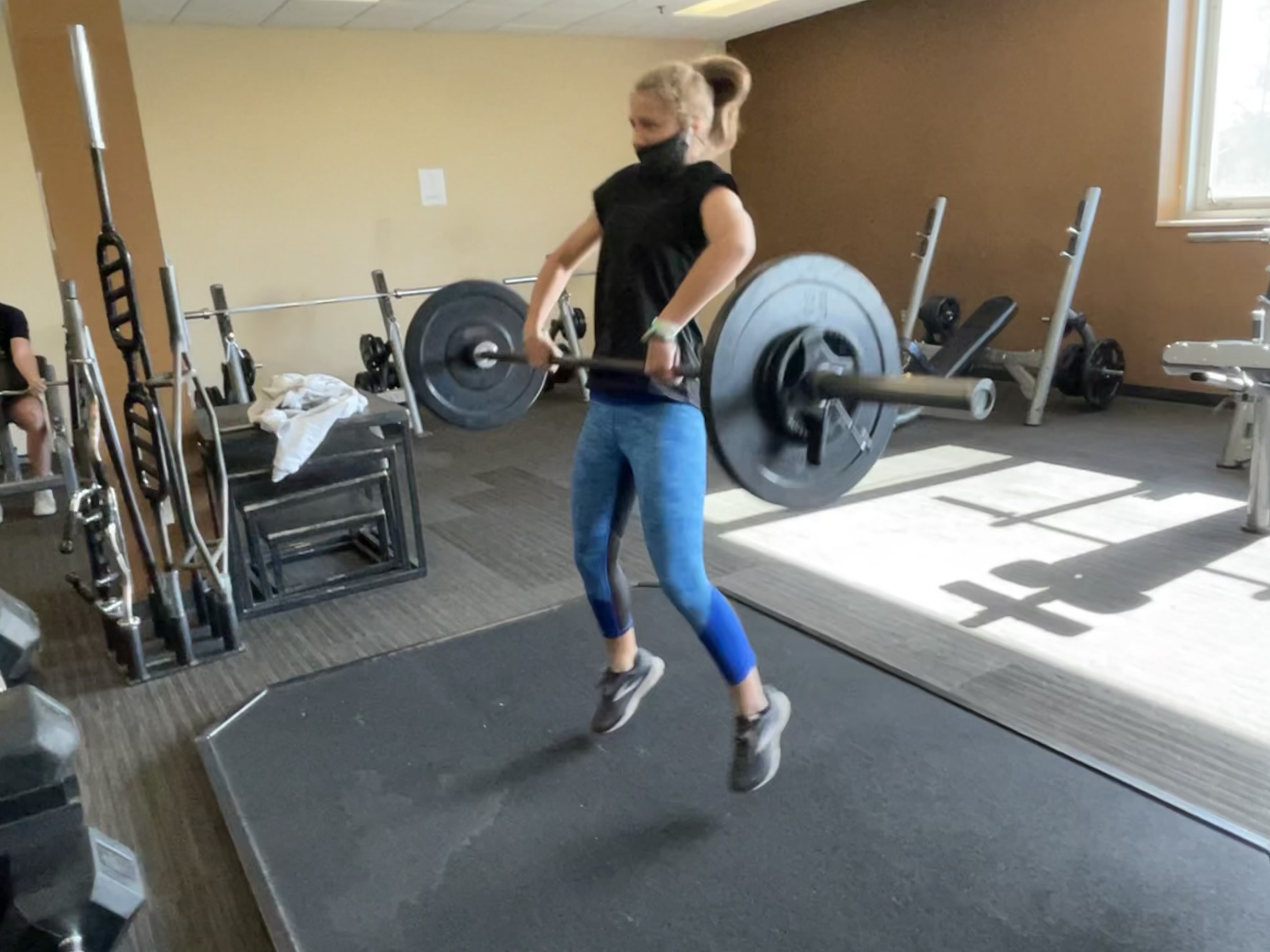
The season started with a lot of lifting. And masks. And blurry photography.

I enjoyed the experience very much. I had 9 girls on my team. Thanks to Covid-19, only one of them had ever thrown a shot or discus in high school before. So we had a lot to learn in a short amount of time. And while I would love to talk about all of my athletes here I don’t want to violate any coach/athlete confidentiality/anonymity issues. So I will only talk specifically about the athlete I sign the waivers for.

The Season

We started the season strong, and Ava won the discus in her very first high school meet. Which I thought was crazy, because I don’t think I won my first meet until my junior year of high school. Then, she went on to win her second meet in the discus too, throwing 12 feet farther than the first meet. And no, I didn’t set up a series of 1-person meets so that she would win, although that sounds like a great idea. (There were 20 throwers in both of the first 2 meets. And I was as surprised she won as anyone.)

The third meet of the season was our conference relay meet. In a relay meet you total the distances of your top 3 throwers’ best throw for a team score. Homestead won the discus and took 3rd in the shot put. And Ava had the second farthest throw in the meet.

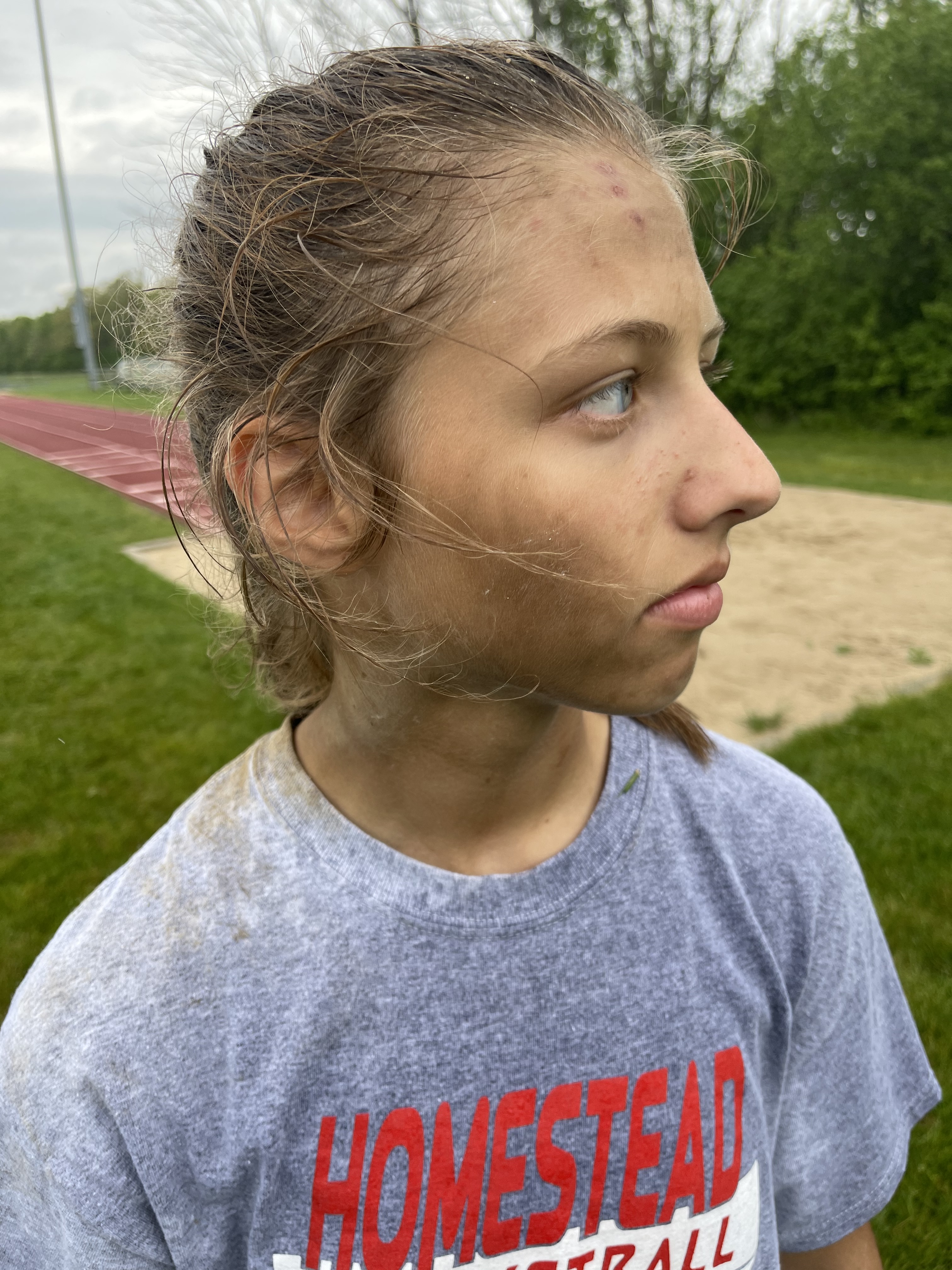
A.C. was not afraid to work hard, or get dirty.

But then we began to struggle. And we couldn’t hit the same distances again. The low point was at the conference championships when Ava fouled all 3 of her throws and had no mark at all.

I felt the frustration of being a new and inexperienced coach. I was frequently disappointed that I wasn’t able to help Ava or the other girls more. I saw all of their challenges as my failures to help them with the guidance, feedback, and input they needed. While I have never experienced imposter syndrome as an entrepreneur, I felt it big time as a small-time coach. I felt like I was a phony baloney coach who didn’t have the answers my girls really needed to improve.

But we kept working and things began to improve again for Ava and her teammates. In the last meet that all 9 of my girls competed in, I think that we set 7 personal records in the discus and 7 in the shot to end the season on a high note, like Mariah Carey.

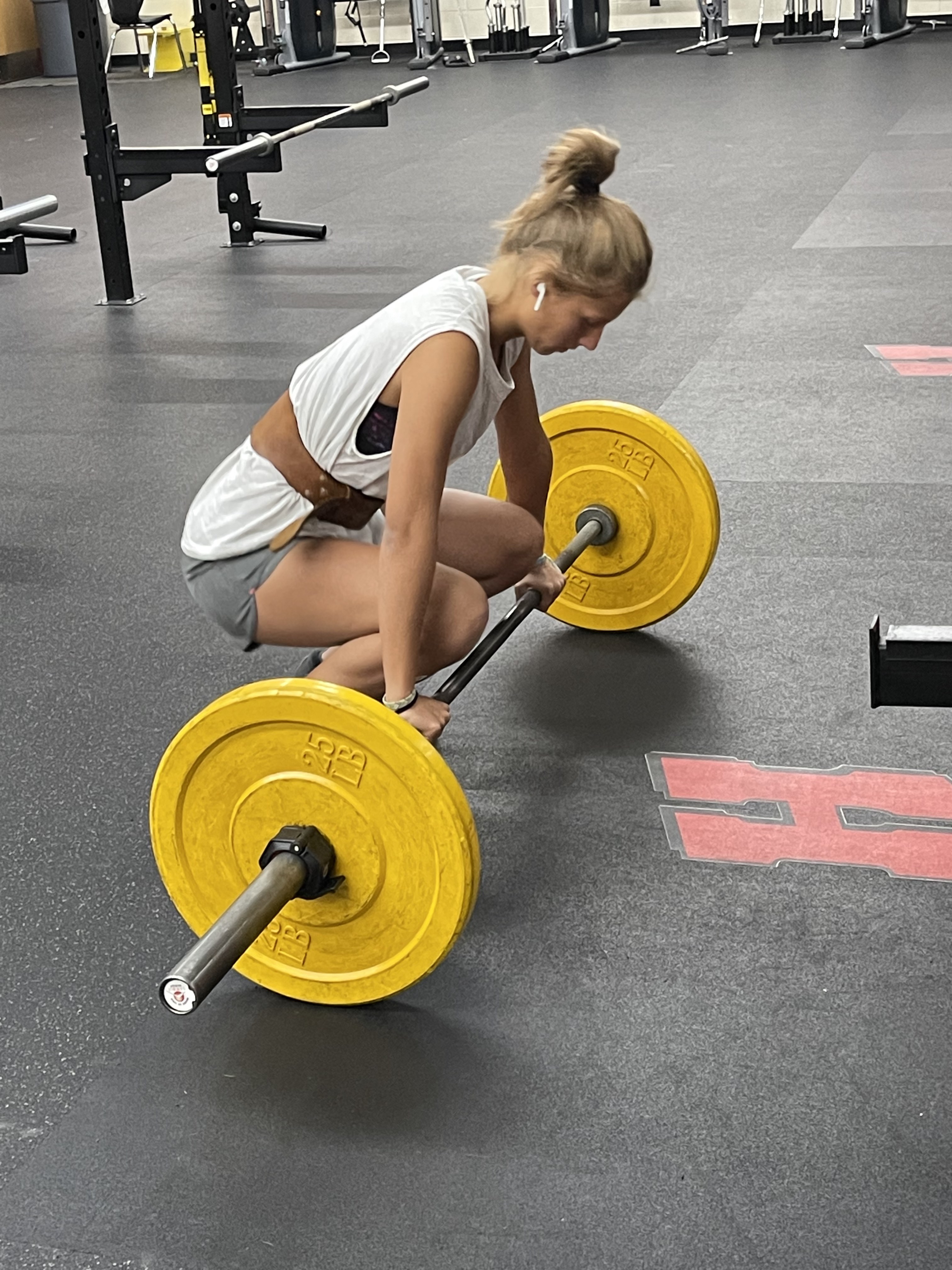
More hard work. We got busted for being in the weight room on a Sunday night, without having signed up for the time slot. I didn’t know you have to sign up for late night lifting sessions. Now I do. So now we sign up.

After that, we had a final regular-season varsity meet with all of the teams from our conference again. I had 4 girls competing. And all 4 of them threw their personal best. It was capped off by Ava’s last throw in the discus that not only won the event, but was the farthest throw in the conference all year as we wrapped the regular season. In Ava’s 3 meets with all the teams in our conference she came in 2nd, then dead last, and then first. Which was a great sign of resilience that will serve her well in the future.

The Post (Malone) Season

Last Monday we had our state regional meet, which was a mix of success and disappointment for my girls. The top 4 finishers in the meet move on to sectionals. But in the shot put, my 2 best throwers came in 5th, (just 3 inches shy of qualifying and moving on), and 6th, less than a foot from qualifying. We were close, like Glenn. But just short of our goals.

In the discus, my 2 great senior throwers both threw their best ever, one throwing her personal record by 4 feet! But they finished 6th and 7th, just shy of moving on. Ava was in 3rd place going into the finals. But then got bumped down to 5th when 2 other girls hit big throws in the finals. She then hit the distance she needed on her 5th throw to move back up to 4th place and qualify for the sectional meet.

The Sectional Meet

Thursday night was the sectional meet. Despite starting the season with 9 girls and having 4 in the regional meet, I only had one athlete left. A freshman named Ava, who also happened to be my daughter.

My parents drove up from Indiana for the big meet.

A.C. (short for Ava Claire) was now competing for a chance to go to the Wisconsin State Championship meet. Only the top 3 make it through. And it was obvious that all of the competitors were feeling the pressure. A.C. opened up with a decent throw, but then fouled her next throw. In fact, I saw more fouls per competitor in this competition than I had seen all season as the girls pushed to try to qualify for the state meet.

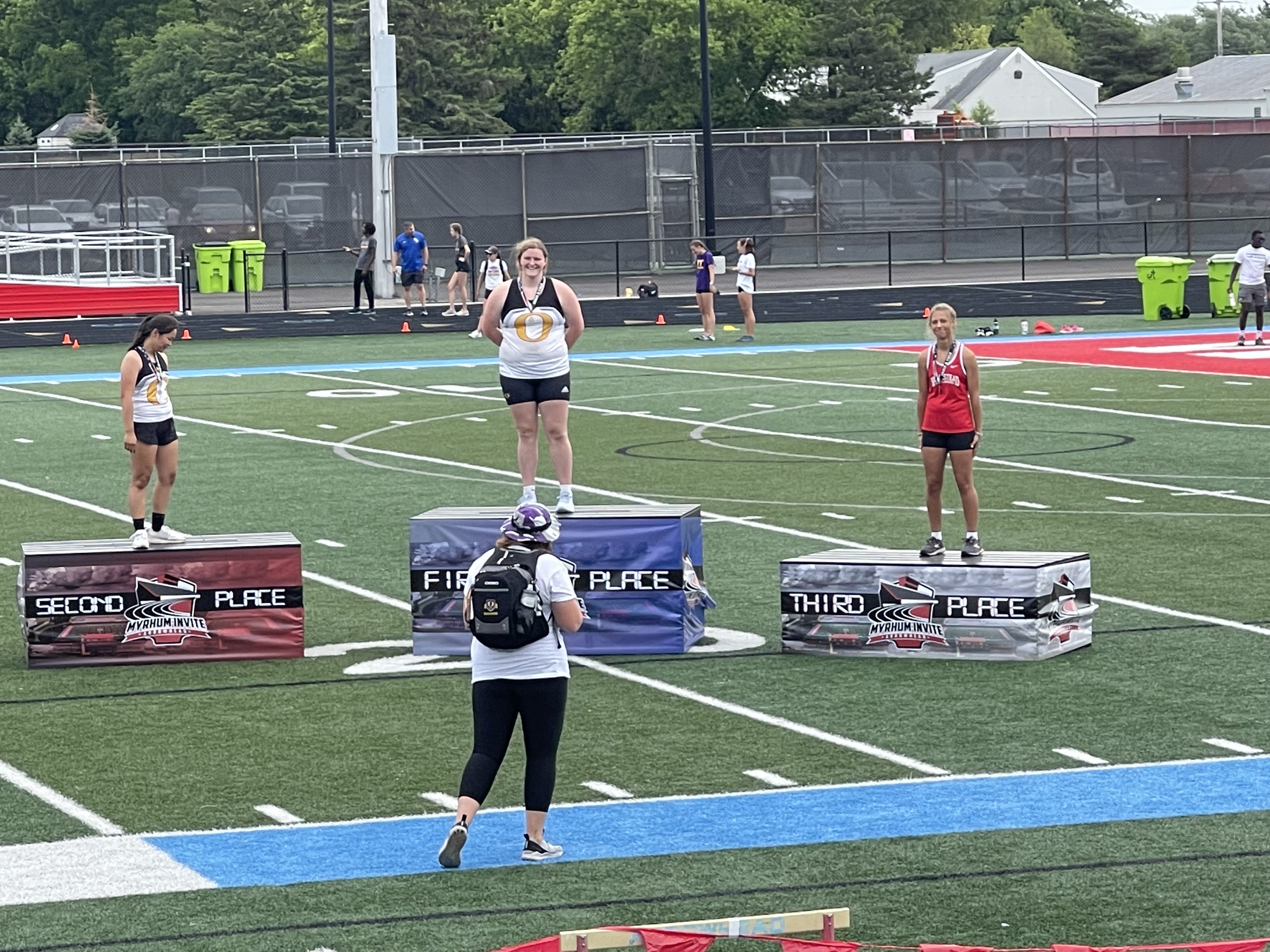
The finals were intense. Each throw had the potential to re-shuffle the girls. But after the final throws were made and the results were announced, my athlete, my daughter, the reason I got involved in coaching, was in 3rd place. She qualified for the Wisconsin Division 1 state meet as one of only 2 freshmen in the state to make it.

The podium at sectionals.

I am looking forward to the state meet next Saturday in La Crosse. A.C. But the win was simply getting to the meet this year. Anything else is a bonus.

Profound Reflections

At the end of every practice, and after every meet this track season, Ava has come up to me and said, ‘Dad, thank you for coaching.’ She recognizes the commitment of time and energy it takes. And all that I had to do to work my day job at The Weaponry around the coaching by going into the office early and working late into the night.

I have told Ava there is only one reason I am coaching. And that is to steal time with her. Because as a freshman in high school I recognize that I only have 4 years left with her at home. So I am stealing 2 hours of her life every day that was supposed to go to someone else. And while this season she may have won medals, taken first-place finishes, and qualified for the state meet, I was the big winner. Because I took home the most valuable prize of all: irreplaceable time with my daughter.

Me and my girl.

Key Takeaway

Remember to volunteer your time and talents to help others whenever you can. Pass along your knowledge. And spend as much time with your kids as you can, while you can.

Happy Father’s Day from one very happy and thankful dad.

What is the greatest pain?

My daughter Ava and I went out for a mid-week dinner date on Wednesday night. She had qualified for her sectional track and field meet. Which in Wisconsin is the last step before the state championship meet. If she finished in the top 3 at the sectional meet she would make it to the state meet.

So the night before the meet we decided to go grab her favorite carb-loading meal from MACS Macaroni and Cheese joint. Which, in my opinion, should be the official restaurant chain of Wisconsin.

The Conversation

As we drove we talked about track and field. We talked about her upcoming meet. And we talked about life. Our discussion got deep. Like Johnny Deep. Or Deepak Chopra. During our convo, A.C. (Ava Claire) asked me the following question:

Ava: Dad, what do you think is the greatest pain?

Me: (resisting the urge to say T-Pain…) Physical or emotional?

Ava: Emotional.

Me: Regret

Ava: That’s exactly what I was thinking!

Me: In entrepreneurship, we say that failure is far better than regret. When I started The Weaponry I wasn’t afraid of failing. I was afraid of getting to the end of my days and having never tried to start my own business.

Ava: I love that.

Remember what Teddy Roosevelt said:

It is not the critic who counts; not the man who points out how the strong man stumbles or where the doer of deeds could have done them better. The credit belongs to the man who is actually in the arena, whose face is marred by dust and sweat and blood; who strives valiantly; who errs, who comes short again and again, because there is no effort without error and shortcoming; but who does actually strive to do the deeds; who knows the great enthusiasms, the great devotions; who spends himself in a worthy cause; who at the best knows in the end the triumph of high achievement, and who at the worst, if he fails, at least fails while daring greatly, so that his place shall never be with those cold and timid souls who neither know victory nor defeat.

-Teddy Roosevelt

Key Takeaway

Don’t be afraid to try. Don’t be afraid to fail. Don’t be afraid to lose. Be afraid of regret. That feeling hurts more. And it lasts forever.

*If you know someone who would benefit from this message, please share it with them.