If you are like most people, you have enjoyed some success in life. But if you are like almost everyone, you haven’t enjoyed as much as you would like. To enjoy greater performances, better results, and more success you have to experiment. And this requires an experimentality.
An experimentality is a growth mindset. It is willing to learn and try new approaches in order to get better results. It is believing that good is not good enough. And that there is always a better way, José.
Constants
There are 2 parts to your experimentality. First, there are the constants. These are the aspects of your approach that don’t change. Your constants are the parts of your plan that are proven to work. These become elements of your repeatable process. Not only should you have constants in your approach, you should be constantly increasing the number of constants, like Constance.
Variables
The other part of your experimentality is your variables. These are the things you change to test the possibility of driving even greater results. There is more risk in the variables. But you will never change the magnitude of your success without adjusting the variables.
Like a David Copperfield show, this is where the magic happens. Changing the variables is the only way to experience breakthroughs. You have to be willing to try new ways, or you will always get old results.
10,000 to 1.
Thomas Edison said he never failed in his lightbulb experiments. He simply discovered 10,000 approaches that didn’t work. But through experimentation, and changing the variables, he found 1 approach that not only worked, it changed the world.
Without Edison and his experimentality, the world wouldn’t have known the lightbulb, the phonograph or the electric grid. And without Edison, nothing would appear above your head when you have a good idea. Plus, we wouldn’t have, ‘How many (blanks) does it take to change a lightbulb’ jokes. Scary right?
Whether you are trying to change the world, or simply change your world, keep changing the variables. The new approaches, techniques, and inputs are certain to impact your outputs. Some of them will lead to significant, vast, or even epic improvements. It’s up to you to determine which inputs those are.
Key Takeaway
Adopt an experimentality. The only way to get different results is to try different approaches. Keep track of your experiments. Note the impact of each adjustment. Because each one will get you closer to your goals. And one of them is likely to blow things wide open. Keep pushing until you find it. Don’t stop until the lightbulb burns bright.
*If you know someone who could benefit from this message, please share it with them.
You are the greatest project you will ever have. As a human being, you are the most complicated machine on Earth. Which means there is no limit to the amount of self-improvement you are capable of.
Your improvements can be highly specific. They can be physical, mental, emotional, spiritual, psychological, philosophical, or professional. But even these broad categories that all end in -al barely scratch the surface.
You can get better at signing your name, walking, selling, replacing an organ, or serving a tennis ball. You can get better at eating hot dogs. Just ask Joey Chestnut. You can get better at streaking. Just ask the dude who invited himself onto the field at Super Bowl LV. Heck, you can get better at eating hot dogs while streaking. And if you do you can probably get a sponsorship deal.
The 2 Ingredients
Regardless of what you want to do better, there are 2 key drivers of self-improvement: the things you learn and the things you do. Because you improve through a combination of knowing better and doing better.
1. The things you learn.
This is all about gaining new information. This can come in many ways.
Reading books, magazines, articles, and reports.
Watching instructional videos
Taking classes and courses.
Learning from others through discussions, conversations, observation, and spying.
Working with a coach or mentor
Experimenting
Experience
2. The things you do.
All the knowledge in the world does no good without action. Your actions drive results. Those actions include:
Effort
Focus
Commitment
Practice
Habits
Stamina
Optimization
Key Takeaway
Learn all you can. Then put that new knowledge to work through your deliberate actions. By doing so you will end each day better than you began. You are the greatest project you will ever have. And you are nowhere near finished.
*If you know someone who could benefit from this idea, please share it with them.
There are 3 grades to everything. Which means everything you do can be evaluated, sorted, and stacked into 3 distinct categories. Everything.
Failure
The first grade is failure. It means you didn’t live up to the standards set. It reveals you either didn’t know or didn’t try. You never want to be in this world. Because failure never fails to fail. It is the easiest thing to do.
Passing
Passing means you met the standard. But that is it. The problem with meeting the standard is that everyone else worth a poo also meets the standard too.* It is not differentiating. It is just enough to get you into the game. (*Italicized, rhymed, and infused with poo for memorability)
A passing grade puts you in the commodity category. When you simply meet the standard you have to keep on fighting. You have no leverage. You are like a teeter with no totter. You have to lower your wages or your fee because so many others are right where you are. The world of the passing grade is crowded. Which means you have to stand in line for doors you may never get through. #anightattheroxbury
Flying Colors
The only grade that gets ahead is Flying Colors. When you push beyond the passing grade you earn this enviable distinction. This is where you earn options. People seek you out when your performance, product, or service is in this range.
When you earn Flying Color grades you can choose what you do and who you do it with. You can charge a premium. You can maximize profit. Maximize opportunities. This is where you have options. Because you are adding value. And when you add value first you can extract value.
Key Takeaway
The top tier is the only group that has control over their world. This is where you should always push to be. It takes more work. But not that much more. Plus, there is inherent joy and satisfaction in doing a job at a high level. Aim here. Get here. Take control of your opportunities here. Never settle for less.
*If you know someone who could benefit from this message, please share it with them.
Super Bowl LV will be remembered for some important firsts. It was the first time a team ever played a Super Bowl in their home stadium. Which, if you ask the Tampa Bay Buccaneers, seemed to be a great advantage. It was the first time cardboard cutout attendees outnumbered real people attendees at the Super Bowl. And it was the first time a female officiated a Super Bowl. You go Sarah Thomas! (But don’t go before the snap of the ball, or that is a penalty.)
The non-cardboard crowd attending the Super Bowl was mostly comprised of America’s frontline workers. And rightfully so. But there was another type of worker that slowly stole the show: the older employee.
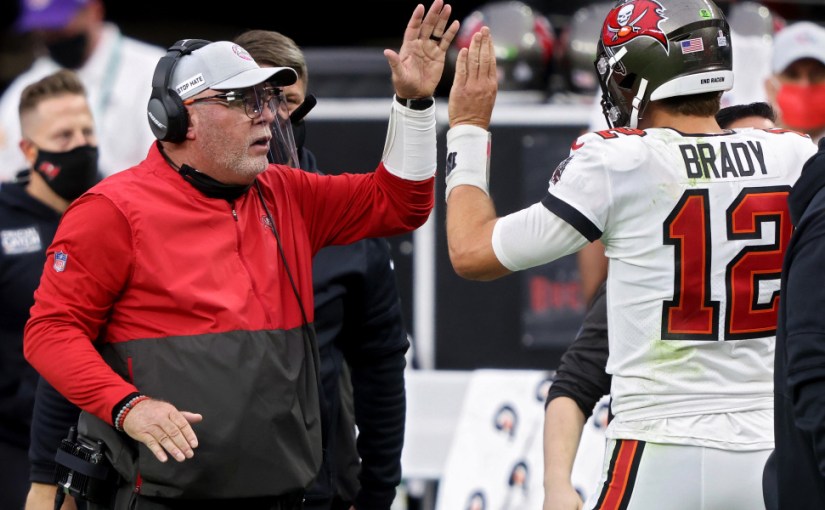
At 43 years old Tom Brady became the oldest quarterback to ever win the Super Bowl. And not only did he win the game, he won his 7th Super Bowl. And his 4th since he turned 37. For those who don’t follow American football, 43 in the NFL is like 85 years old in the normal person workplace.
Bruce Arians also became the oldest coach to ever win a Super Bowl. At 68 years and a whole bunch of days, Arians broke Bill Belichick’s old record by 2 years. In fact, Arians was out of football, and just came back to coach the Tampa Bay Buccaneers in 2019. 2 years later this senior citizen won the Super Bowl of, well, Super Bowls. Plus he got to live in Florida like so many other 68-year olds.
The noteworthy takeaway is not that Brady and Arians are old. Which they certainly are in relative terms. It is that they are older employees who bring a stadium worth of experience and knowledge to their organization. Experience can be a major game-changer. Even in the NFL.
In a time when employers are quick to pass on older talent, let Brady and Arians serve as a valuable reminder. Their success with the Bucs was not a product of them running the same old proven system in the same old place and having the same old success. This was Arians’ second season in Tampa Bay, and Brady’s first. Yet their applied knowledge and experience transformed the Buccaneers and made them the best team in the NFL. And success in the NFL is harder to come by than most other industries.
Key Takeaway
Don’t overlook the value of older employees. Their accumulated knowledge and experience is a tremendous asset. Organizations of all types benefit from senior experts. They have seen all there is to see. They know what works and what is doomed to fail. They know that people power businesses and that systems create winners. To win more, make sure you have senior talent on your team that knows how to get you where you want to go because they have already been there. And if you are highly experienced, never forget how much value you bring to any organization lucky enough to have you.
*If you know someone who could benefit from this message, please share it with them.
If you have always wanted to start your own business but didn’t know where to begin, check the trash. I know several entrepreneurs who got their start turning trash into treasure. There is no cheaper way to get your raw materials than in the garbage can. Which makes me wonder why Oscar is so grouchy.
My friend Mark Thompson of Logan, Utah worked in a warehouse in his younger years. He noticed that truckers would discard broken pallets. So he got the idea to fix or replace the broken wood on the pallets and sell them back to truckers. The cost of goods was very low. The market was there. It just took some elbow grease. Or was it elbow sawdust? Today, Pallets of Utah creates custom pallets for companies around the world.
I recently worked with William Starkey who owns Flat Out Motorsports in Indianapolis. He got his start by fixing up wrecked motorcycles and reselling them. Kinda like Fixer Upper for bikes. Only with less shiplap. Again, the input costs were low. The market was there. He just needed to put in the time and effort to bring the busted bikes back to life.
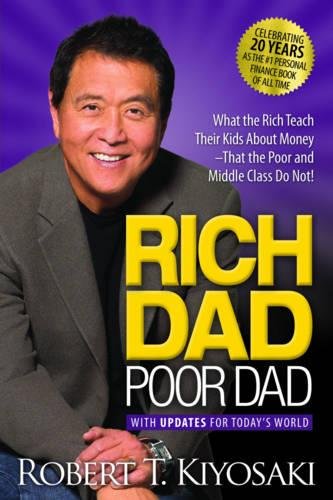
In the classic book Rich Dad. Poor Dad., author Robert Kiyosaki’s first business was created when he fished discarded comic books out of the garbage and created a comic book library. He then charged other kids an hourly access fee, and soon discovered comics could be serious business.
Check The Trash
Look for things that others have discarded that still have latent value? Are there old books you can bundle by color and resell as design elements? Can you turn old album covers into framed pieces of art? Can you take jeans that are discarded because they are too holey, and re-market them to people who think they are just holey enough?
Far too much value is thrown in the wastebasket. So look for your entrepreneurial starter kit in the discard pile. And don’t let your opportunity go to waste.
Key Takeaway
The start of your entrepreneurial journey may be as close as the garbage can. Keep your eyes open for straw that you can spin into gold. Up-cycle, recycle, re-position or transform. Make the discarded into art. Make the old new again. There is opportunity all around you. Just open your mind to see it.
*If you know someone who could benefit from this message, please share it with them.
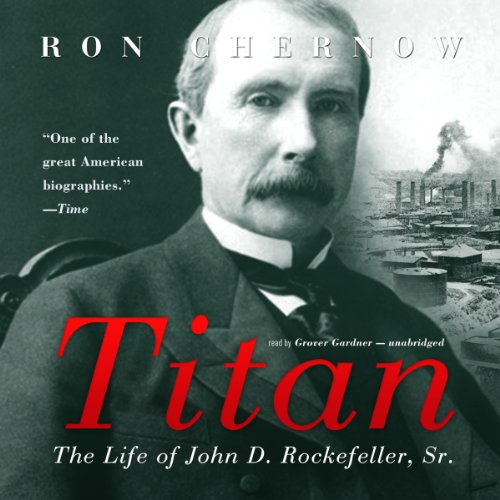
I love to listen to audiobooks when I drive. It’s the only time I multi-task. (I am a devout mono-tasker.) This week I began listening to Titan by Ron Chernow. It is the biography of John D. Rockefeller. The Rockefeller. The man who practically invented oil. The world’s first billionaire. And, I assume, the guy who invented oysters and The Rockettes.
I expected the audiobook would be long. After all, there is a lot of money to cover. But when I discovered the recording was 35 hours long, it exceeded my wildest ear-spectations. Today, I am only 3 hours into the book and The Original Rock is still just 16 years old.
Notice how it says HER on his forehead?
The Inspiration
There is one thing that stands out about young John D. that I find tremendously inspiring. At 16 years old, the most remarkable thing about the future world’s richest man is just how unremarkable he still was. There was nothing that indicates his future success. He was no child prodigy. He was no Doogie Howser. No Stevie Wonder. No Sundance Kid.
I find stories like Rocky’s thrilling. Calvin Coolidge became President of the United States, arguably the most powerful man on Earth. But his childhood, and even half of his college-hood, was bland and mediocre at best. Sara Blakely was another late bloomer. She was selling fax machines door-to-door for 7 years before creating Spanx and becoming a self-made billionaire.
You Are Not Done Yet!
Keep Rockefeller, Coolidge and Blakely in mind as you travel your path. You have the ability to do, be, create, and accomplish much more than you have so far. Whether you are a high school student or a retiree, there is still time for you to discover your calling, your perfect pitch, and create your personal legend.
Keep Going!
Remember, your achievements, accomplishments and impact will continue to grow until you stop pushing them. So think bigger. Take more action. Surround yourself with the right people. Take risks, and make them pay off. It is how you write a great biography for yourself, in real-time.
Key Takeaway
It’s not the beginning of your story that matters. Keep growing and learning. Keep pushing yourself. Discover what you are really capable of. Maximize your gifts and you can create the You that You always wanted to be. The You that You know you are. Have a vision for yourself. Dream no small dreams. Make the story of yourself in your head come true. Anyone can do it. Why not you?
*If you know someone who could benefit from this message, please share it with them.
Last night I was up until 1am. But I wasn’t partying.
I was reading. But I wasn’t lost in a page-turning mystery, or a salacious celebrity biography. I was alone, in my home office, reading a 48-page Master Service Agreement.
For those unfamiliar with MSAs, they are the legal documents that businesses sign with each other in order to form legal working relationships. They are like company prenups. And 48 pages is like a Kardashian-level prenup.
As I was carefully pouring over the legalese somewhere west of midnight, I was struck by how much I enjoyed what I was doing. It’s not that I love reading legal documents. The theretofores and hence-stateds always seem stilted and unnecessary. Like the nerdy shop talk of those who want to get back at the world by going to law school.
I enjoyed reading the long and dry document because it is part of the entrepreneurial experience.
When I first launched The Weaponry, my advertising and idea agency, I hoped that I would have clients join me on my adventure. Because a business without clients is like the sound of one hand clapping. Better yet, I wanted The Weaponry to work with large, successful companies who could afford armies of legal resources to write 48-page MSAs for them.
Today I have a great collection of large, successful clients. I’m doing what I set out to do. And I am happy to take the fun, the pride and the spoils of entrepreneurship, along with the 48-page MSAs.
Remember not to view legal contracts, insurance and taxes as headaches or necessary evils. They are symbols of success. And they are worth losing a little sleep over.
Key Takeaway
Find the things in life that you enjoy so much that you gladly embrace the tedium that goes with it. It is how you know you are on the right path.
*If you know someone who could benefit from this message, please share it with them.
Imagine your life as one long continuous recording. As Mo Gawdat notes in his book Solving For Happy, at our core, we are the observers of our lives. Your 5 senses record your life, from beginning to end. At any point, pre-Alzheimer’s, you can replay a part of it again. This is what you are doing when you tap into your memory. You are rewinding, and watching the game film of your life.
Watch Your Wins
What you decide to replay for yourself makes all the difference. Replaying past successes is good for you. It reinforces how capable you are. It reminds you how you win at life. It builds confidence, determination and a positive outlook. It reminds you that you are good enough, you are smart enough, and doggone it, people like you.
Watch Your Failures Once
Don’t make a habit of watching your failures over and over. Your failures, shortcomings and mistakes should only be watched once. This allows you to study the game film, see where the mistake was made, learn, and correct the behavior. After you have learned the lesson, let your failures go. They are done.
Create Your Personal Highlight Reel
How you view your life, and thus how you view yourself, is a result of which game film you choose to watch. Rewatch the good parts often. They will become your personal highlight reel. And just like your favorite movie quotes, those memories will be quickly accessible anytime you need them. So you’ve got that going for you. Which is nice. #NameThatFilm
My Highlight Reel
When I watch game film of my life here are some of the go-to moments I go to often:
• Tests that I scored 100% on. It reminds me I am a good learner
• Breaking the state record in the discus in high school, 8 months after having my ACL reconstructed. It reminds me of the power of my determination.
• Winning a new business pitch after a client told me I had no chance. It reminds me I can win, even when the odds are stacked against me.
• Founding The Weaponry, my advertising and idea agency, with $16,000, and growing it to a multi-million dollar business. It reminds me to take risks.
• Meeting my wife Dawn It reminds me of my good luck.
• Vacation adventures with Dawn and our 3 kids. It reminds me of how fun life can be.
• Seeing a map of the 120+ countries where my blog has been read around the world. It reminds me to keep writing.
• The positive notes from people who heard me speak or give a presentation. It reminds me that my messages have value to others.
• The time I made a joke and someone laughed. It reminds me that it could happen again.
Binge Watch Your Best
To live a great life is to watch the good parts over and over. Remind yourself of your strengths, great performances and wins. Remember your positive interactions, collaborations, friendships and love, and you are sure to see more of it in your future.
Key Takeaway
We all have successes and failures. When you rewind your life, watch your failures once, to learn. Replay your successes often. Remind yourself you are a winner. You are smart, kind, and brave. Always focus on your good film. It will increase your happiness, and lead to more good film to watch.
*If you know someone who could benefit from this message, please share it with them.
Ever wonder what the difference is between successful people and unsuccessful people? It is not physical. Both people look very similar on the surface. If you cut them open you would find all the same things inside both. You would also discover that both groups highly dislike being cut open.
The difference between successful, accomplished people and those who never progress is not in knowledge. Everyone knows what to do:
Eat right
Exercise
Work hard
Network
Study
Show Up
Volunteer
Collaborate
Save
Invest
Rise early (to get the worms)
Take risks
Read
Follow up
Wear deodorant
The Difference
Successful people do what they know they should do. They act. They make. They move. They try. They try again.
The unaccomplished know what to do, but don’t.
Don’t be a don’ter.
The Cycle
The more you do the more you will accomplish. And the more you do the more you will be inspired to do. It is a virtuous cycle. Get yourself into the positive feedback loop of action and you are sure to get more action. (And who doesn’t want more action?)
Getting Started
Make a list of the things you know you should do today. The whole list can be written in 30 seconds. 5 minutes if you have a slow pen. Then simply spend your day doing the things on your list.
Key Takeaway
Take action. Do what you already know you should. It’s the not-so-secret secret to success.
*If you know someone who could benefit from this message, please share it with them.
On New Year’s Eve, I sat down and reflected on the year gone by. The last day of the year is always a good time to look back and learn what worked and what didn’t. In 2020 I didn’t eat any bats. I didn’t break any windows that didn’t belong to me. And I didn’t act like a cranky baby during a nationally televised debate. I like to focus on the positive. So here are 20 things I am glad I did do last year.
Things I am glad I did in 2020.
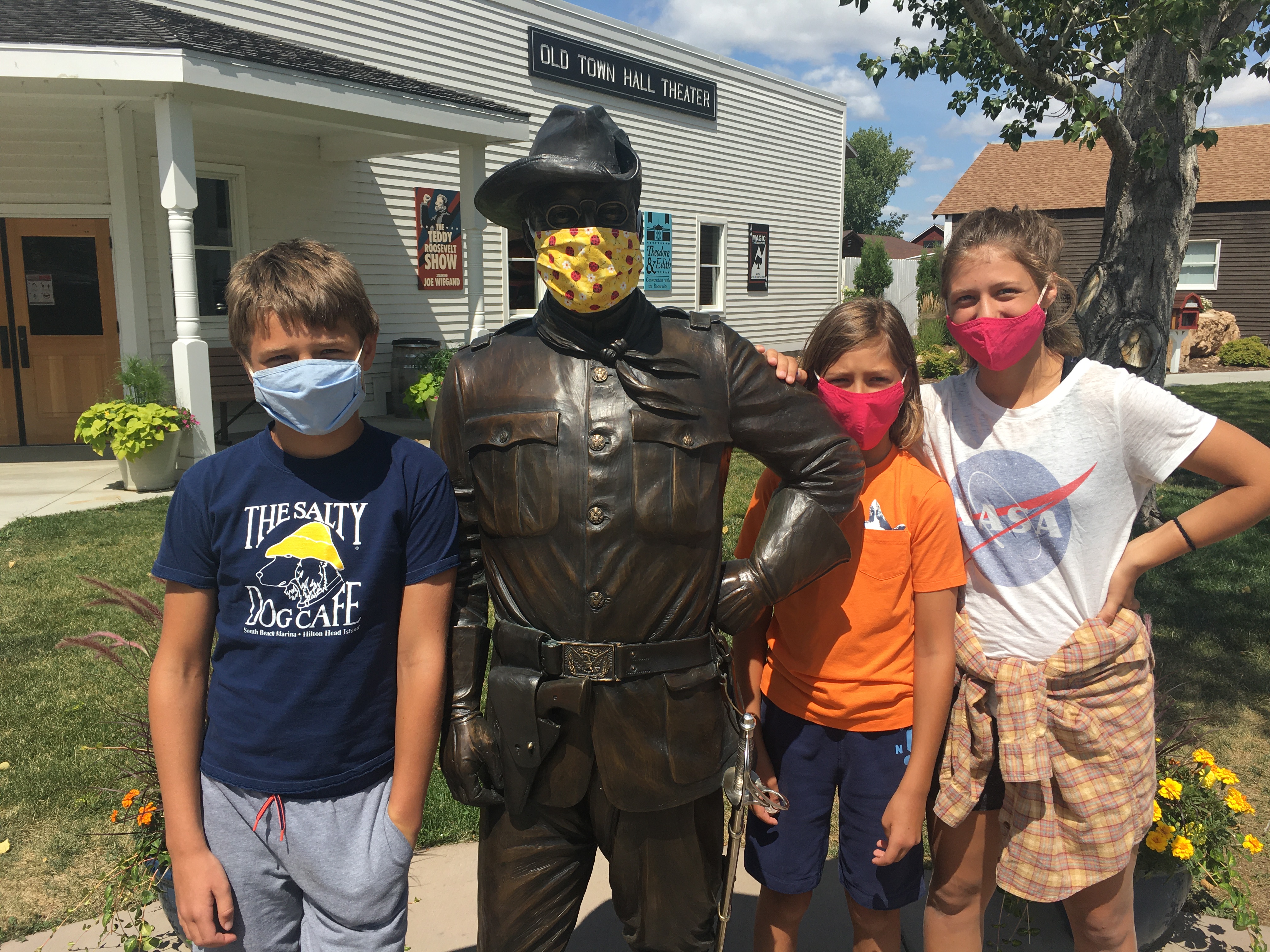
1. I wore a mask a lot. It’s really easy to wear a mask. And it helps you and the people around you not get sick and die. That’s why Batman and The Lone Ranger both wore one. And they both saved a lot of people.
2. I saved for a rainy day. I have been fiscally conservative with my business, The Weaponry. Which means that I left money (my fiscals) in the business to make sure it could weather challenging times. So when the economy went sideways in March I didn’t panic. Not worrying whether we would be open to see 2021 allowed me to focus on opportunities instead. And opportunities kept coming.
3. I played foosball. During the March-May lockdown, my 3 kids and I played foosball together every night. It was something fun to look forward to each day. It was the only competitive sport we saw during that time. All 4 of us got much better at the game as we bonded and created foosy memories.
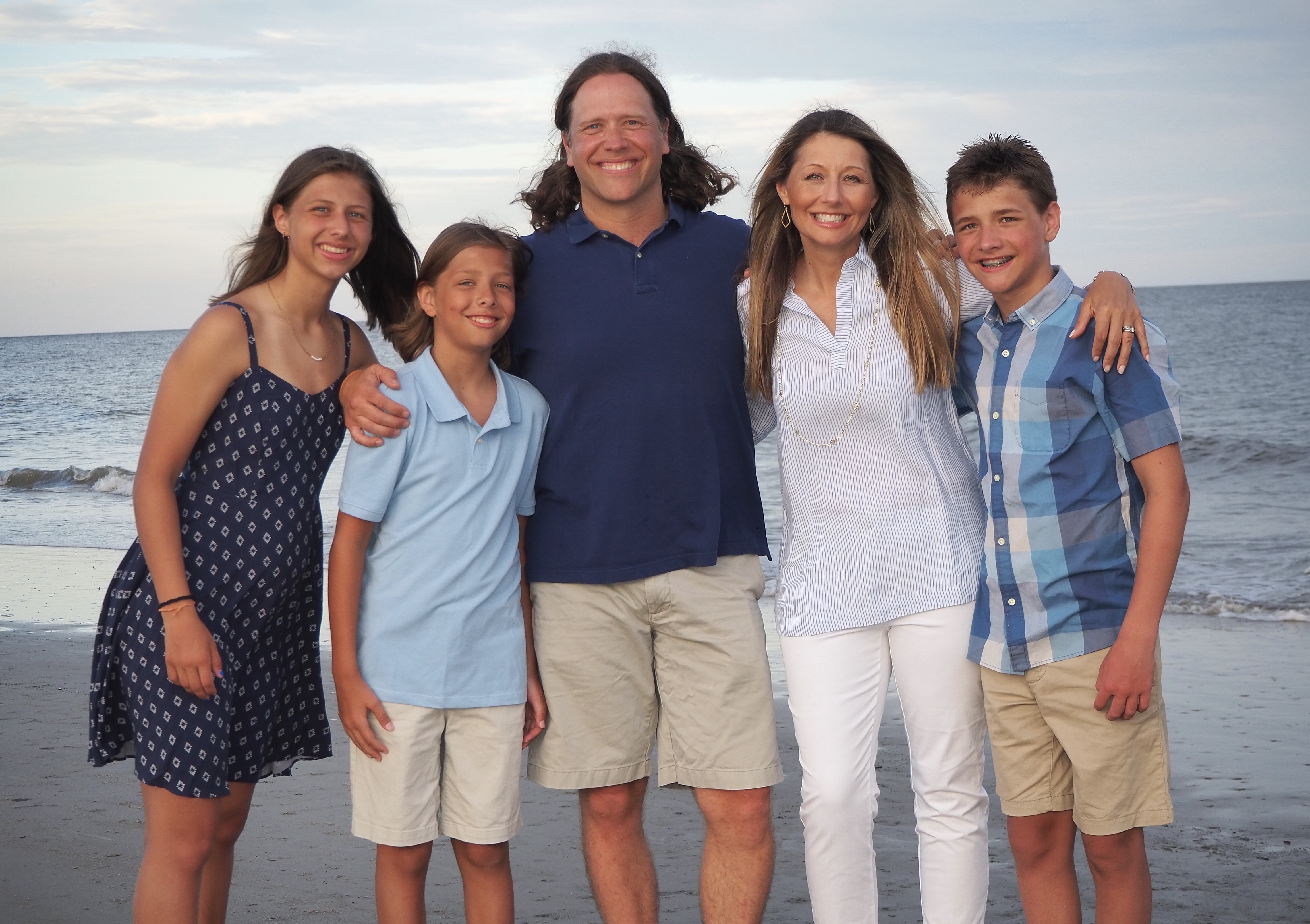
4. I went to the beach. In June my family and I went to Hilton Head Island for a week. While traveling and hoteling has some inherent risks, we were cautious, wore masks around others and socially distanced. But the change of scenery was valuable to our mental health. And the beach itself made us forget about life for a while (like in that Billy Joel song, with Davy, who is still in the Navy).
5. I bought lobster. While we were in Hilton Head my kids asked what lobster tasted like. As a New Englander, I have had a lot of lobstah. It was surprising to realize that my kids had never had it. So one night at dinner I allowed my kids to order the lobster, the most expensive thing on the menu. They loved it, and greatly appreciated the splurge. Remember, sometimes you’ve gotta splurge for the lobster.
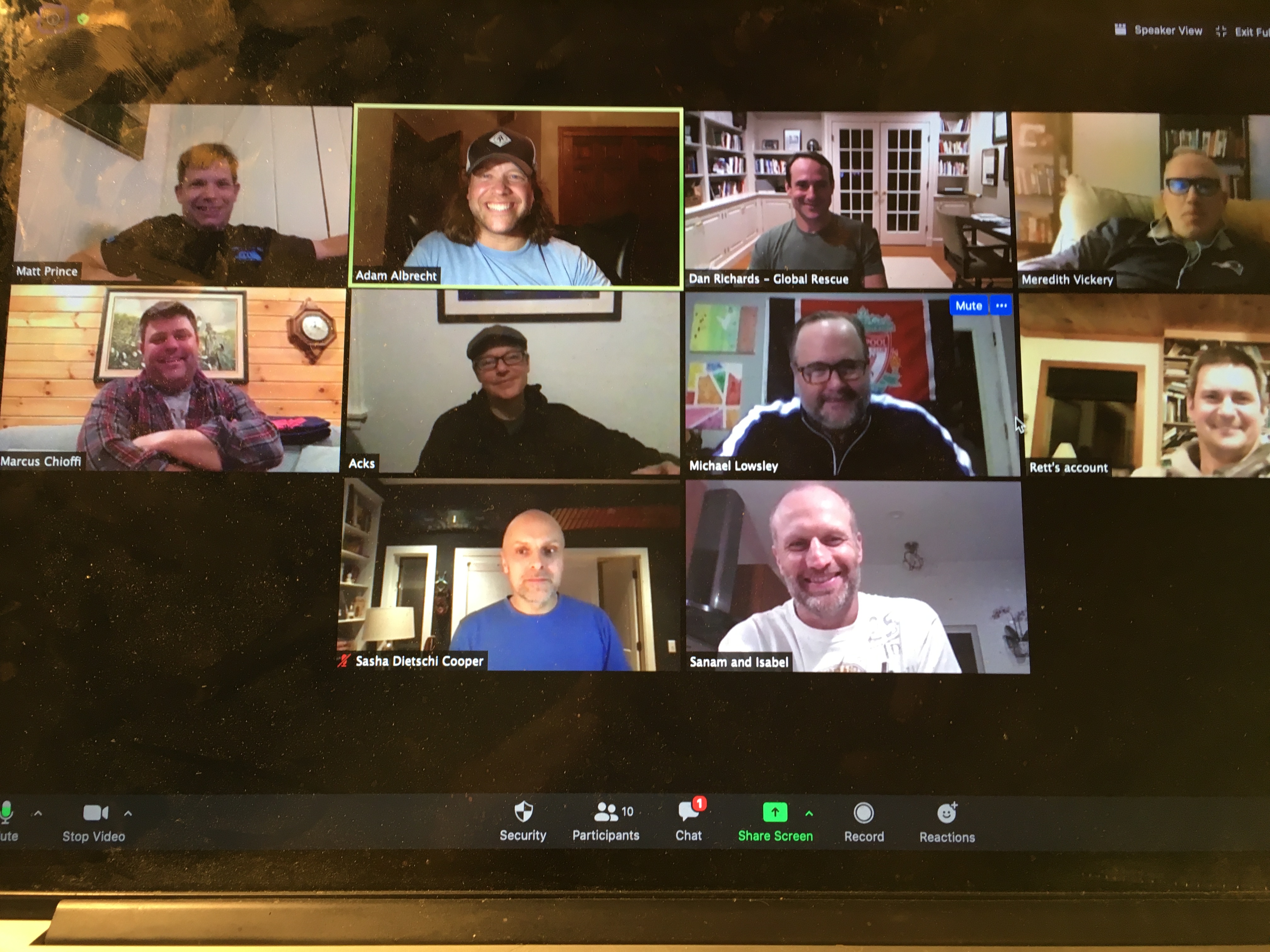
6. I organized Zoom calls with friends. I probably had 1000 Zoom calls in 2020. After spending hours each day Zooming with clients and coworkers, I thought Zoom would be a great way to see my friends and family too. My sisters coordinated our family Zooms. But I organized calls with my college track teammates from The University of Wisconsin. I had calls with my high school football teammates. I had many calls with friends from New England, Georgia, California, Minnesota, Ohio, Texas, Florida and on and on. It was a lot like having friends over for beverages. It simply required someone to take the lead.
7. I kept exercising. During the lockdown, I relocated our home exercise equipment to a more prominent place in our basement and started exercising at home with my family. Now, as my daughter Ava and son Magnus play basketball, my son Johann and I go to the gym and lift weights together several times each week. As a result, I am stronger now than I was 30 years ago. And I am way stronger than I was 40 years ago. (This sounds good until you realize how young I was 40 years ago.)
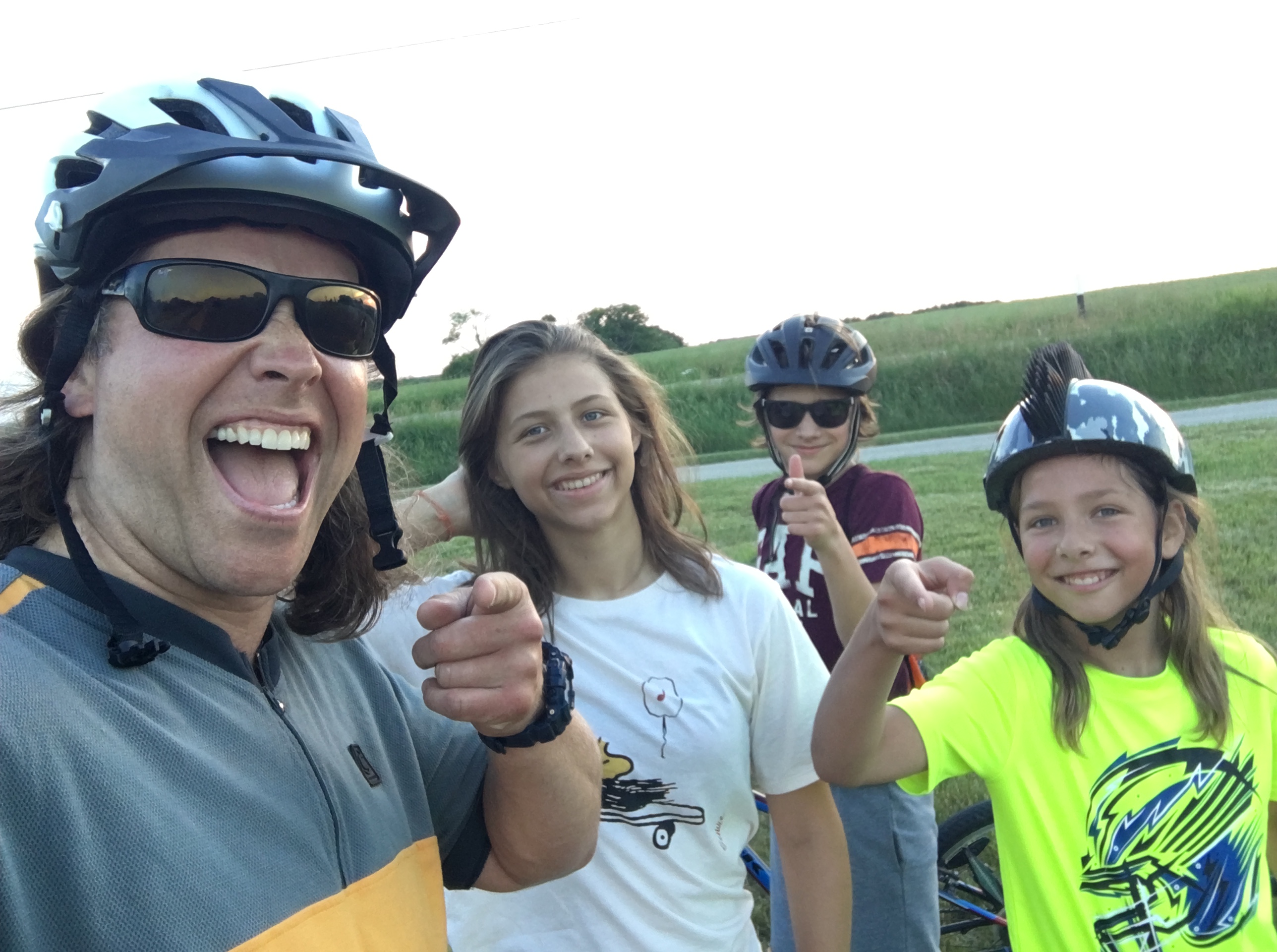
8. I rode my bike a lot. Bike riding during the pandemic was like going to therapy. (It was also like a song by Queen.) Most nights during the summer I would ride for 30-90 minutes. Not only was it good exercise, it was freeing in a time that didn’t feel so free.
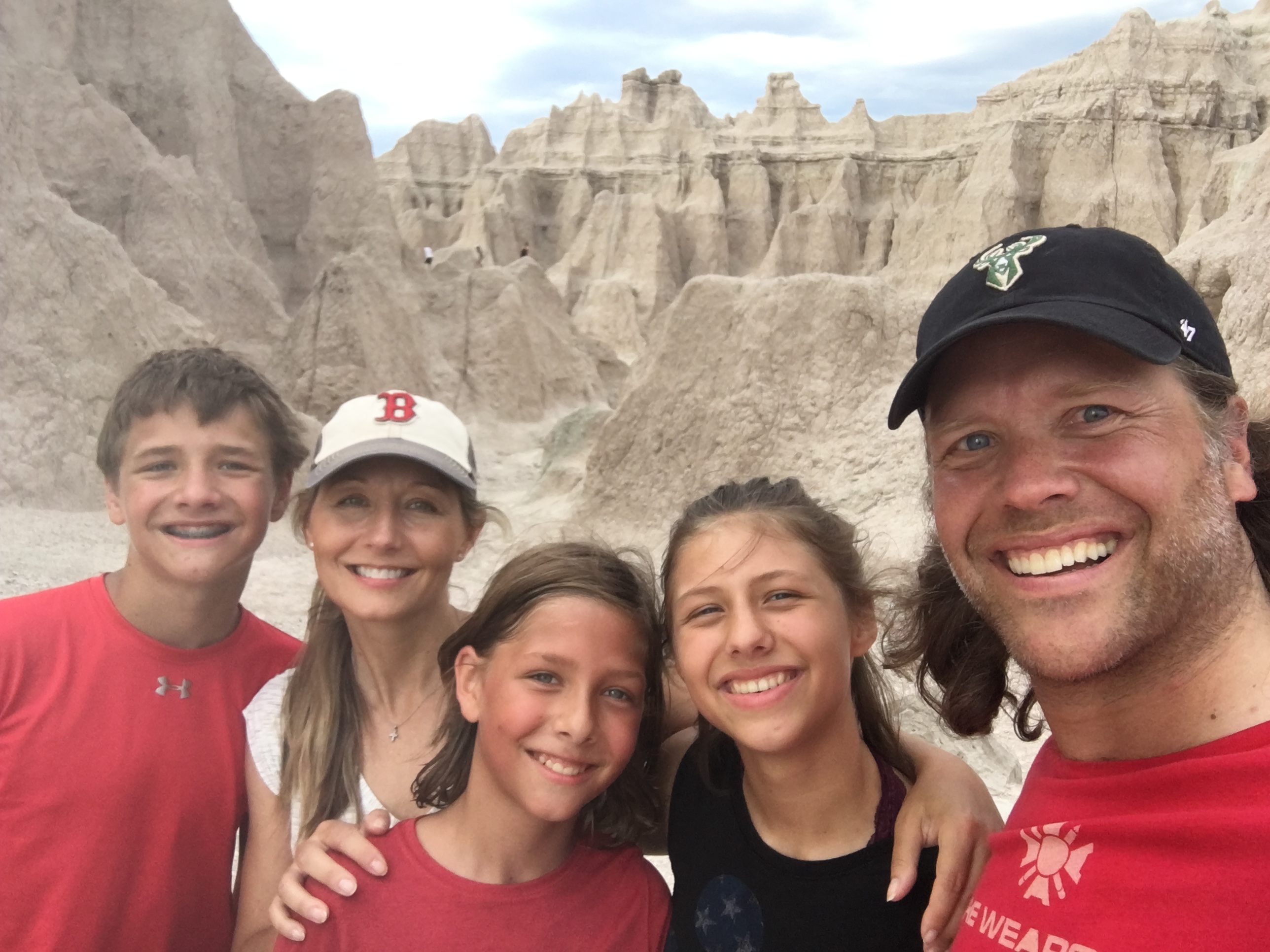
9. We took an epic road trip. At the end of July, my family and I went on one of the 3 greatest road trips of my life. We took 11 days and drove from Wisconsin to Idaho. We visited several national parks, including The Badlands, Yellowstone, Glacier, and Theodore Roosevelt. The trip was an educational and inspirational adventure. It was the highlight of 2020.
10. I sent an email saying we were ready to help. On March 16th, I sent all of our clients an email saying we were up and ready to work remotely. We were fully functional from home on day one of The Lockdown. Our clients were ready to roll with us. We just kept on crushing it throughout the lockdown and the rest of the year. Not only did we pick up more work from agencies that didn’t make it, we ended up having our best year ever by 25%.
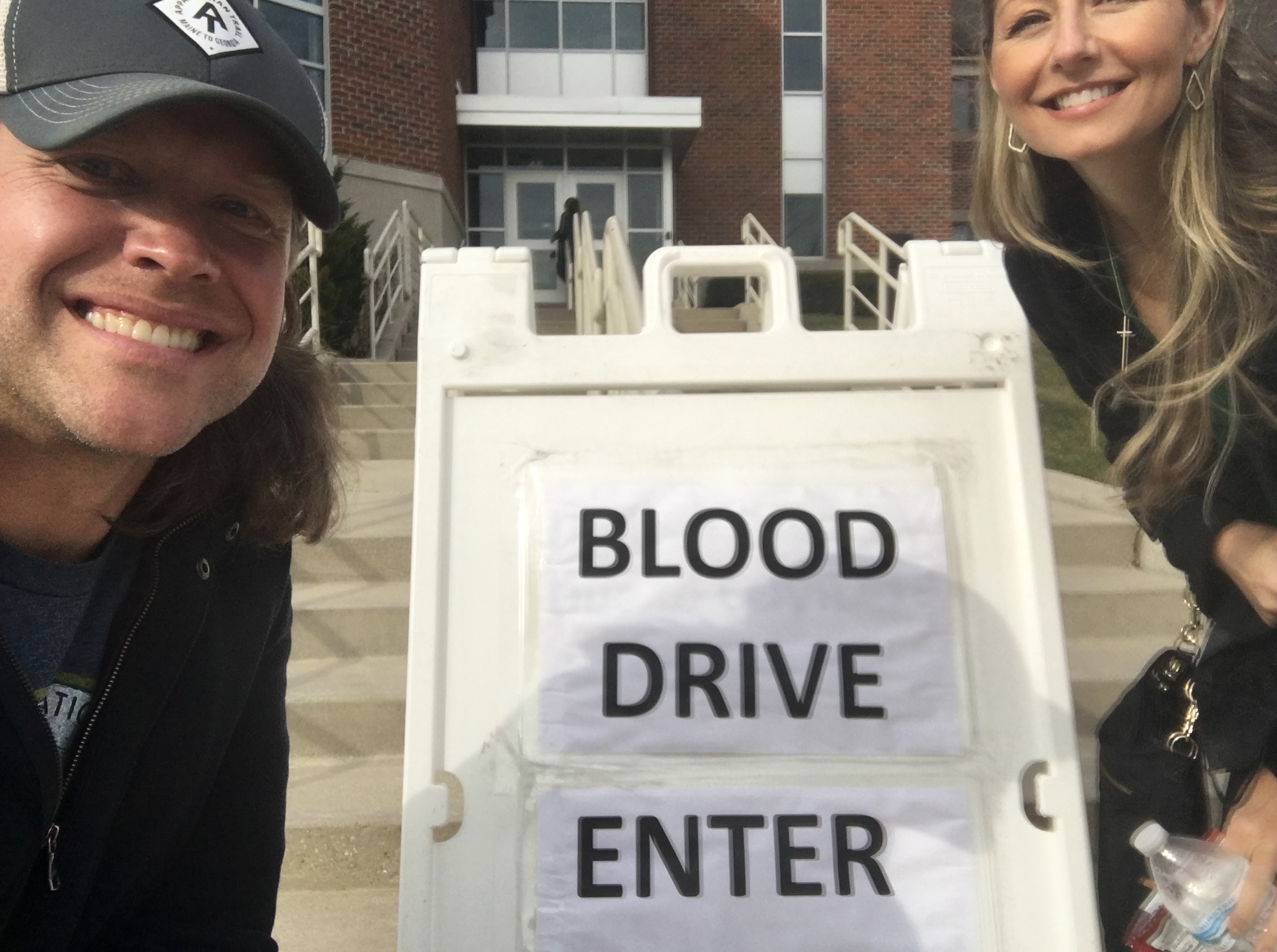
11. I gave blood. Giving blood has been something I always wanted to do, but just never started. I come from a family of blood donors. My Dad has given so much blood that I expect he looks like dehydrated fruit on the inside. I finally donated blood this fall. And I will definitely do it again. It is not difficult to do. And I am very proud to have finally checked the box on this oddly elusive life goal.
12. I spoke to college students at 4 different schools. In 2020 I spoke to students at The University of Wisconsin, Marquette University, Concordia University of Wisconsin and Carroll University. Yet I never set foot on any of the campuses. I spoke about advertising, marketing, creativity, business, entrepreneurship and leadership. But I was also able to develop stronger relationships with the professors, lecturers and other school staff members. The academic and business world should be more closely linked. Because we need each other (not knead each other, or kneed each other).
13. I gave bonuses. Throughout the year I was very open with my team about our goals for the year, both before and after we knew anything about covid-19. My team worked very hard to not only keep our business going and growing, but to keep our clients thriving during a very unpredictable time. And when a company does well the team should benefit too. So I was extremely proud to hand out bonus checks on December 30th. Because when the whole team shares in the success you experience more success.
14. I wrote 151 blog posts. I maintained my 3-post-a-week habit throughout the year. I tried to share good news and an upbeat, positive perspective throughout 2020. I hope it helped provide a little light and a little levity in brevity during the unique challenges of the year.
15. I became even more adaptable. The great gift of 2020 was adaptability. It was not an option to reject the opportunity to learn to adapt. It was a requirement. As a result, I learned how to function with new rules, under new conditions, in new settings. I learned what I could live and work without. I became more inventive and open-minded. I saw my children take classes, music lessons, and even athletic practice via Zoom. As they say at Progressive Insurance, you have to be able to go with the flow.
16. I helped people who needed help. I tried to help people who needed the kind of help I could offer in 2020. Sometimes it was encouragement. Sometimes it was business, marketing and entrepreneurial advice. Sometimes it was a bit of work for those who were having a hard time finding work and making money. Because we all need a little help from time to time.
17. I wrote a book. In 2020 I wrote a book. My goal in 2021 is to get it published. In 2022 my goal will be to have someone who is not related to me actually buy the book. More on this in a later post.
All Rights Reserved
18. I read Rich Dad. Poor Dad. to my kids. I have now read the book to all 3 of my kids. The financial literacy the book teaches is simply not taught anywhere else. In fact, the first two kids I read the book to this spring both asked to buy stocks and have done extremely well with their investments. I highly recommend that you read this book if you haven’t. Read it to your kids if you have kids. And if you don’t have kids, don’t have kids! They are expensive. Especially if they like lobster.
19. I switched dentist. My former dentist was fine. The kind of fine that will lull you into accepting a lesser experience for a long time. But our delayed dental care of 2020 encouraged my wife Dawn and me to reconsider the dentist we have seen for the past 3 or 4 years. We love the new dental practice we found. In fact, I had a chipped crown replaced and I literally didn’t have a moment of discomfort. Don’t settle for fine. Seek outstanding. And get your teeth right.
20. I said yes a lot. I had many requests for my time and talent in 2020. I was asked to help, to get involved, to serve and to contribute in many different ways. Yes was my default. I felt like the world needed more yeses in 2020. Perhaps I did too. Yeses help you grow and make the world a better place. Yes, even if you are the owner of a lonely heart.
Key Takeaway
It is important to reflect on your year, your actions and your attitudes. Note what is working for you and what is not. Learn and grow as you go. Be deliberate in your actions. Embrace a life of continuous improvement. It’s the best path to the best you.
*If you know someone who could benefit from this message, please share it with them.







 Adam Albrecht Blog