Want to be happy? Work on your work ethic.

When I was a kid I worked. My parents were both Minnesota farm kids with annoyingly untiring work ethics. My Grandparents were active farmers throughout my youth. So were my Uncles Allan, Jerry, Randy, Rod, Kendall, Jim, Gerald, Tom, Paul, Chuck and Tim. Which meant I had a lot of opportunity to work. (It also means my grandparents liked to get busy.)

At an early age I began breaking child labor laws. I baled hay, picked rock, mowed lawns, painted houses and barns, and hauled firewood. I worked in construction during high school for my neighbor Tom Kearney, whose daughter Hannah Kearney would go on to win the Olympic Gold Medal in mogul skiing in Vancouver, and the Bronze medal in Sochi. My college summers were spent swinging a sledge hammer driving tent spikes into the granite of Northern New England. If you’ve never seen someone ring the bell in the strongman game at the fair, I’ll show you how it’s done.

I know the hard, physical labor I performed at an early age has benefited me ever since. The work ethic my parents, Robert and Jill Albrecht, natured and nurtured into me has been an important driver throughout my career. It mentally prepared me to step fearlessly into the entrepreneurship arena when I launched  The Weaponry, my advertising and idea agency. But apparently I am not the only one who understood how important a strong work ethic is to your success.

silver macbook on brown wooden table
Working late one night, this guy invented the white computer screen, then shared it on Instagram.

George Vaillant

Harvard psychiatrist George Vaillant spent his career studying predictors of success. He found that childhood work ethic was perhaps the best and most accurate predictor of adult success and mental health.

The Work Ethic Study

Vaillant conducted a longitudinal study of 456 men from the inner city of Boston. The study began when the men were just 14 years old. As barely-teenagers they were rated for their ability to work. Their lives were then tracked regularly into middle age. The results showed that the men who had the highest work ethic rating at 14 years old earned 5 times more than their lower ranked counterparts. They were also happier and had far more successful marriages and other social relationships. I assume they liked the 80s band Men At Work more too. #WhoCanItBeNow

Vaillant’s finding means that your willingness to work relates not only to your financial success, but to your ability to work on your relationships. Even more importantly, it indicates your ability to pursuit your own happiness. Which means that your capacity for work is actually the greatest predictor of how much you will enjoy your life.

Key Takeaway

Your work ethic drives your actions. Which drive your financial success. The ability to put work into your relationships means you get more out of your relationships. So develop your work ethic. Lean in. Build your endurance, your grit, and your tolerance for pain and discomfort. Grow your ability to delay gratification. Don’t just eat the first marshmallow you are given. Teach your kids to work too. And to enjoy the rewards of their labor, like my parents did for me. It is a lesson that will last a very happy lifetime.

*If you have kids, consider sharing this with them.

How to choose between two good ways to spend your time.

The world is full of good things. At any given time there are hundreds, if not thousands of worthwhile activities for you to partake in. In fact, life is a giant a la carte menu of enjoyable ways to spend your time. So, how do we choose, if we are not choosey moms? Because everyone knows what choosey mom’s choose. #ExtraCrunchy

Priorities

The key to determining how to spend your time is establishing your priorities. Your priorities serve as a tiebreaker between two good ways to spend your time and energy. When you are forced to choose, always invest in the activity that aligns with your priorities.

(If you are pressed for time, you can stop reading this post here. Because you have already discovered the main point of this post. Everything that comes after this is simply time away from your priorities. But if you are like Richard Gere in An Officer And A Gentleman, and have nowhere else to go, by all means, please keep reading.)

Morning Time

Every morning I have to decide between sleeping longer, and getting up and jumping into my pre-determined activities. I always choose to get up and get going. Because I schedule my most important activities to start just 10 minutes after my alarm detonates. By important, I mean my self-improvement activities. I always start my day with exercise, reading, or writing. Because those activities align with my priorities. Even when my bed is very comfortable.

If I get one or more of my self-improvement activities in before breakfast, even if my breakfast gives me food poisoning, I will have made progress that day. (Ok, now I’m a little apprehensive about eating breakfast…)

Declaring Your Priorities

If you don’t have your priorities determined, do that now, before you do anything else. Because they will help you determine everything else.

This post is not intended to teach you how to choose your priorities. But since we’re here, here’s the simplified process:

  • Think about the end of your life.
  • When your completed life story is told, what’s the story morning glory?
  • What did you do?
  • What impressive accomplishments will you be remembered for?
  • Whatever you come up with, those are your priorities.
  • To determine the priority of all priorities, narrow your accomplishments down to just one in an Ultimate Accomplishment Royal Rumble.  The last accomplishment standing is your Ultimate Priority.
  • Your Ultimate Priority should drive all time management decisions for the rest of your life.

Key Takeaway

Time is your most valuable and scarcest resource. To determine how and where to spend it, know your priorities. And invest as much time and energy into your priorities as possible. Even when the alternative is attractive. Because life is like the Playboy Mansion, and there will always be attractive alternatives. But the more time you spend with the attractive alternatives, and not your priorities, the less likely the story at the end of your days will be the story you wish was written.

If you liked this post and want to read more like this, I recommend reading this post on the book The One Thing.

If you liked this post and would like to see what comes next, please subscribe to get the next post delivered by email.

How to convert negative energy into positive results.

Dams take the potential power in water, focus it, harness it and use it to create electricity. We call it renewable energy, because the planet will always create more water. Wind turbines do the same thing. And because the Earth will continue to create more wind, there will always be more to harness. Plus, everyone knows it’s windy.

As humans, we can do the same thing. There are powerful forces on this planet that will never run dry. Forces like stress, rejection, failure, anger, teasing, bullying, disappointment and loneliness. And of course all the isms. Racism, sexism, fascism and the unappreciated euphemism. Instead of letting them wear and weaken you, harness their power. Like a turbine in a dam.

You can use negative fuel sources to fuel your positive response. These fuels can drive your most productive and meaningful actions. They can push you further, faster and longer. Like that stuff Lance Armstrong once swore he wasn’t using. #LiarLiarLycraOnFire  Use the negative energy to create endurance, passion, and commitment. When you think of slowing, suspending or stopping, the negative fuel will keep you keeping on.

When you develop the ability to harness and focus negative energy, every time bad things happen, good things follow. One step back is followed by many steps forward. Disappointment becomes drive. Rejection becomes response. Stress feeds success. Anger amplifies action.

The most successful people aren’t immune to negative forces. They use those forces to propel them forward. In many cases, the most enviable people have dealt with the most unenviable adversity. They have simply set their course and let the power that so many try to avoid fill their sails, and drive them towards their goals.

Key Takeaway

The world will provide you with an endless supply of negative energy. But you can transform it into an excellent source of energy for good. Harness it. Focus it. And it will power the most positive actions in your life.

*If you know someone who could benefit from this message, please share it with them.

When was the last time you became a different person?

My family and I just returned home from a 4100-mile road trip. It was one of the great adventures of my life. I know that sounds dramatic. But the trip itself was dramatic. And I don’t just mean the dramatic splattering of bugs on the front of our car.

IMG_3170
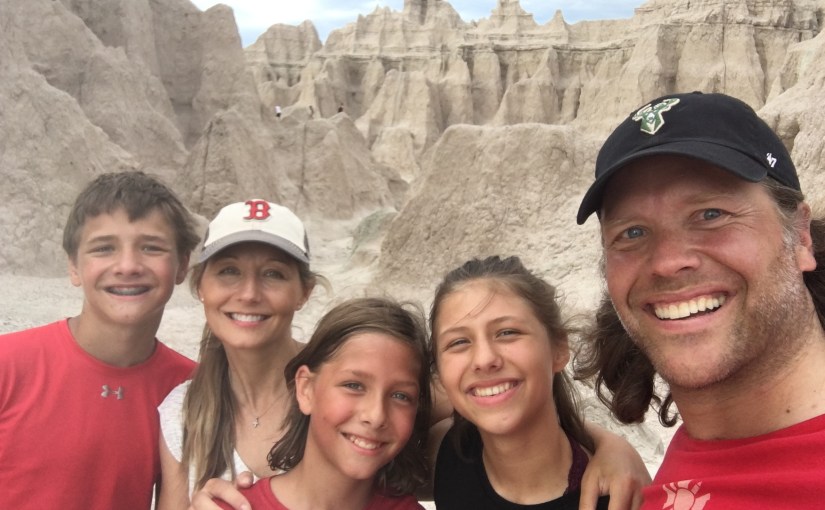
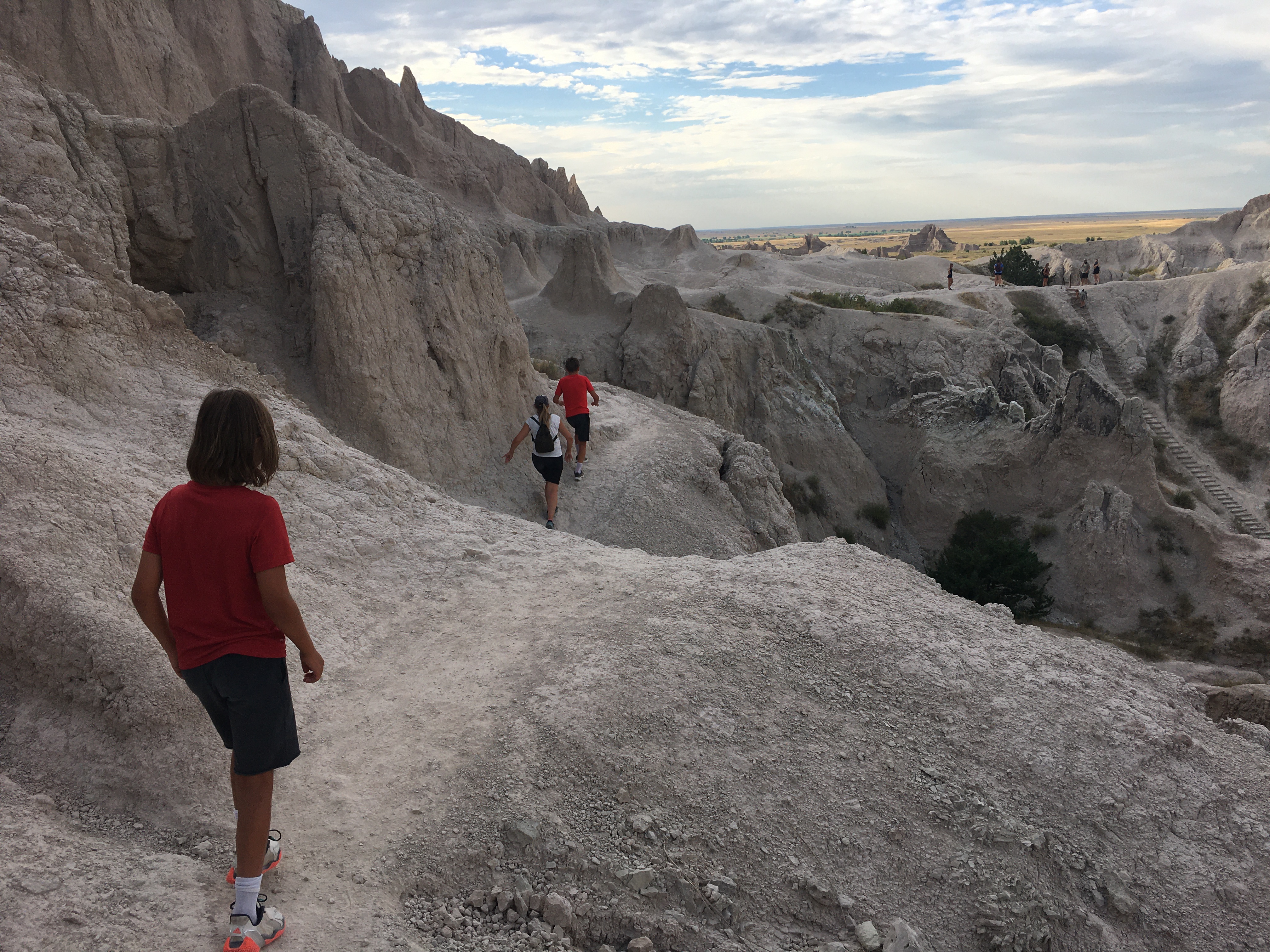
Hiking at the Badlands National Park in South Dakota wasn’t bad at all.

We pulled into our driveway last night just before 6pm, parked and began unloading our Family Truckster. As my 10-year-old son Magnus and I were walking into our home for the first time in a week and a half he turned to me and said,

I feel like I am a different person now. -Magnus Albrecht (10 y/o)

I told him I felt the same way. Over the past 11 days we had seen and done too much to be unchanged. We had seen a Jolly Green Giant and the world’s largest Holstein cow. We had seen famous presidents’ faces carved on a mountainside, creating the greatest marketing tactic in the history of state marketing.

IMG_2864
Magnus didn’t get the memo that he was supposed to wear green.

We got an all-access tour of my cousin Rita and her husband Joe’s 2000 cow dairy where my kids got to pet wet and wobbly calves the moment they were born. If you want to follow a really great blog check out Rita’s blog So She Married A Farmer

IMG_2952
Me and my cousin Rita and a crop of kids.

We chased Lewis and Clark across the land and water they first navigated over 200 years ago. We saw fields of sunflowers, and I heard Post Malone every time.

We saw the world’s only Corn Palace. So there’s that.

We visited the Minuteman Missle National Historic Site and learned about all the nuclear missiles that dotted the Northern Great Plains, designed for peace, but ready to destroy the Earth and its inhabitants in just 30 minutes. Like a Dominoes pizza.

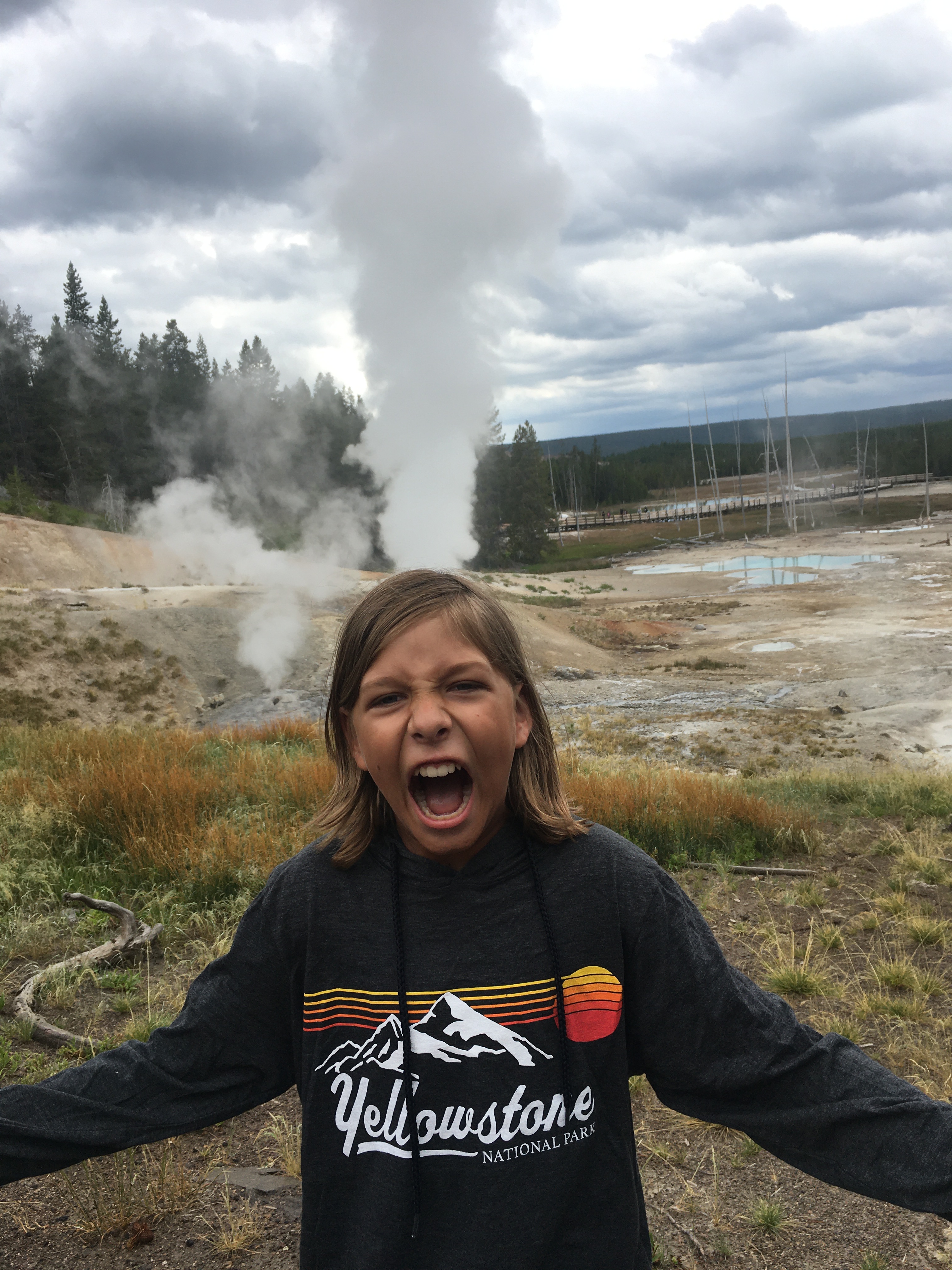
IMG_3427
Yellowstone blew Magnus’ mind.

We had close encounters with moose, mice, mountain goats, elk, bighorn sheep, a fisher, prairie dogs and a dead snake.

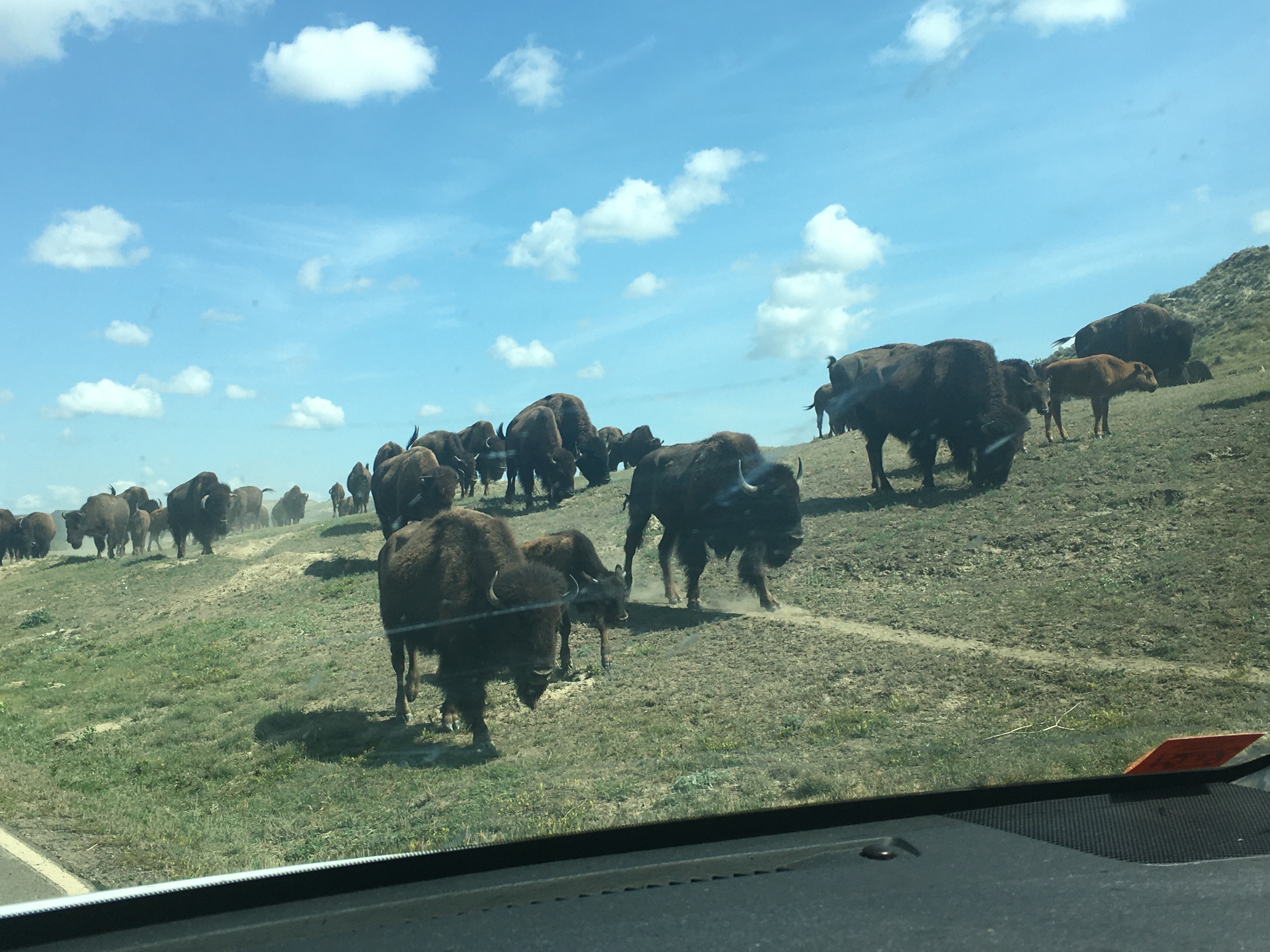
We were surrounded by a herd of buffalo at the Theodore Roosevelt National Park in North Dakota. We swam in glacier-fed streams in Montana. We went cliff jumping. We saw geysers and gal-sers, glaciers and bubbling mud volcanoes.

IMG_3837
Being among the buffalo at Theodore Roosevelt National Grasslands was wild.

We hiked to a lake fed by no less than 6 waterfalls. We hiked in badlands that looked like the moon, only closer, and less made of cheese. We camped just feet from where dinosaur fossils were found and can still be seen, and we lived to tell about it.

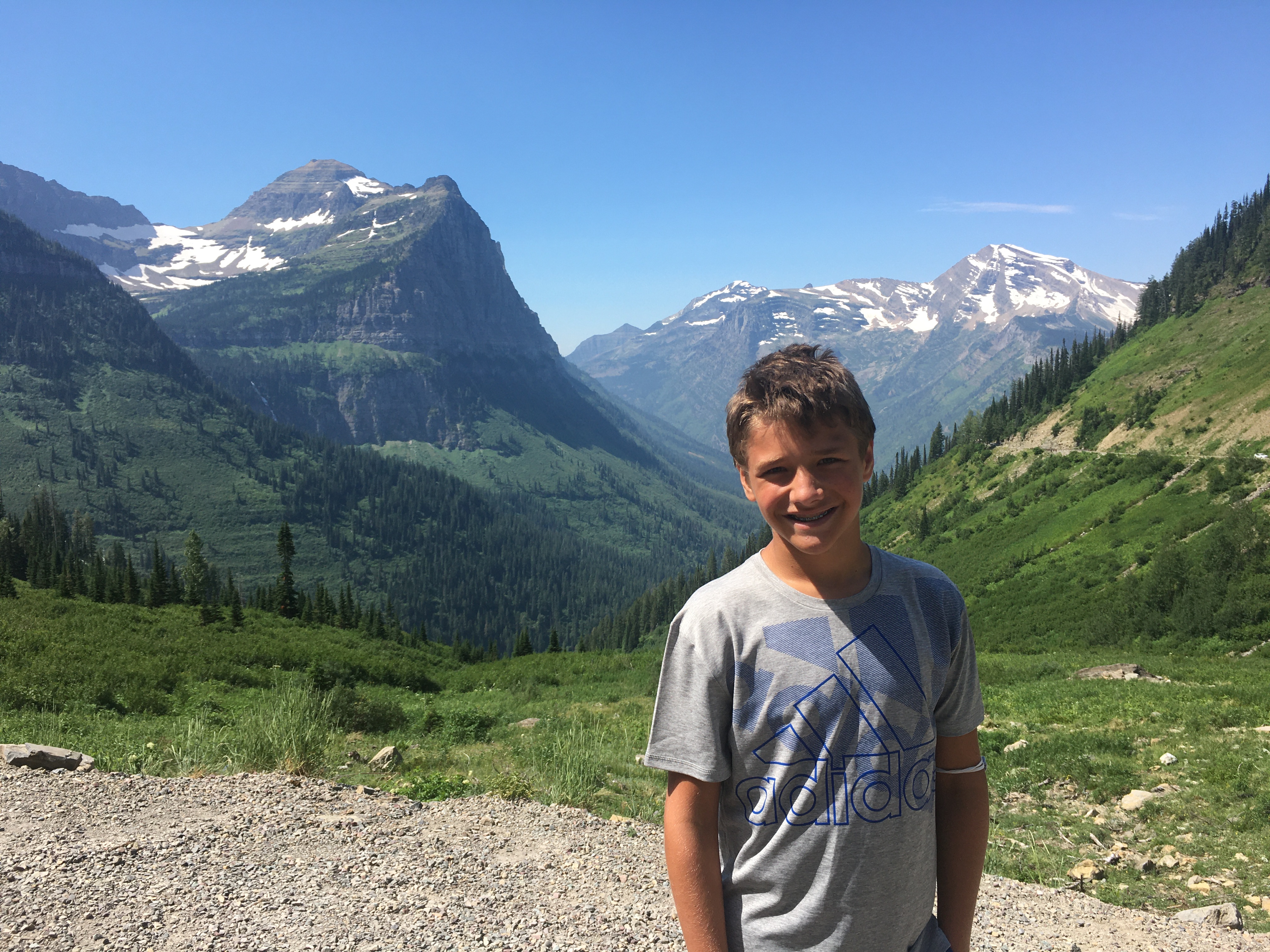
IMG_3522
My son Johann and a bit of scenery at Glacier National Park.

We connected the dots of 4100 miles of America. As a result, our brains, our lives, and our image of our country and our planet will never be the same. We developed new mental maps that showed the connections between previously unconnected places, experiences and ideas. Which is exactly why we adventure in the first place. To see, do, learn and grow.

IMG_3675
Me and Magnus at Avalanche Lake in Glacier National Park. We were both disappointed to not see any avalanches. #FalseAdvertising

Key Takeaway

Experience as much of life as you can. See the world. Understand it. It will help you grow and expand your views and thinking. It improves creativity and innovation. It will make you more compassionate and empathetic. It will help you relate to others. It helps you refuel and reset and come back smarter and more capable than before. You know, like a whole new you.

How to make your own treasure map in a notebook.

I am on a treasure hunt. In fact, I am looking for hidden treasure everywhere I go. But I am not expecting to find a chest full of gold. Instead, I am looking for valuable insights, nuggets of wisdom, and how-to’s from rockstars who have already done what I want to do.

To find the treasure I need a map. Something to guide my steps, and direction. But I am not looking for One-Eyed Willy’s tattered, yellow, X-Marks-The-Spot number. Google maps doesn’t know my destination. And Rand McNally doesn’t sell what I need. Although those guys really put maps on the map.

My Treasure Map

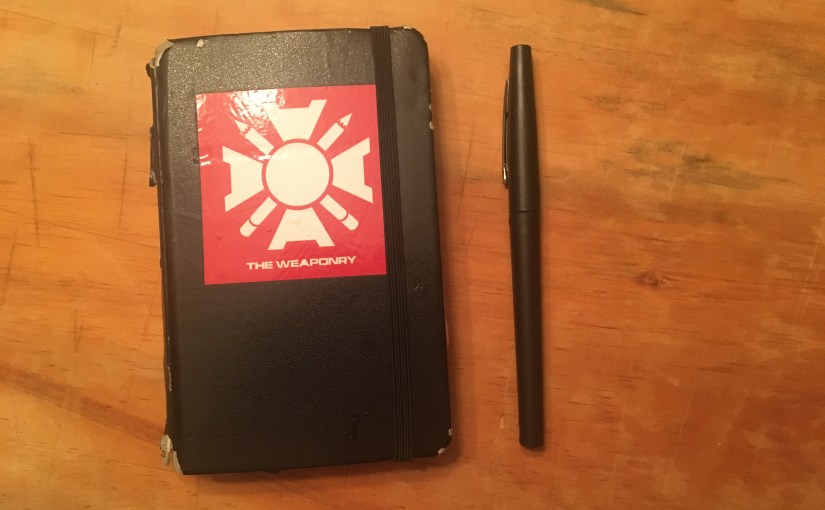
My map is a small black, hardcover Moleskin notebook. I bought it myself. And when I bought it all the pages were blank.

I bring that notebook with me to meetings. To networking events. To chocolate milk conversations (because I don’t drink coffee). To meetups and roundtables. When I hear something, see something or think of something that I believe will get me closer to the treasure, I write it in my notebook.

That once-blank book is now full of good advice. It holds inspirational quotes. Rules of thumb. Philosophies of successful people. Resources to consider. Math equations. Events to attend. Books or articles to read. Podcasts, blogs and newsletters to follow. And social media feeds worth checking out.

I always keep my notebook nearby and my ears and eyes open. (Okay, I do blink occasionally, but just for eye maintenance.)  As a result, the treasure map in my notebook gets more detailed and more valuable all the time. In fact, I believe that my notebooks (there are many of them now) are my most valuable possessions.

Where Is Your Notebook?

Given the high value I place on my own notebooks, I am always shocked when someone requests a meeting with me and then show up without a notebook. Or paper. Or a writing utensil. Or a sense that they showed up to the meeting partially naked.

What That Says

Coming to an informational interview, or networking meeting without your notebook says 2 things:

  1. You are not prepared for the journey.
  2. You don’t expect to find any gold in my world.

My Response

Depending on the age, experience and potential of the person I am meeting with I may note the missing notebook, and the value that it would brings. I kindly suggest that in the future, paper and pen or pencil or crayon may be valuable additions to their meeting gear.

Other times I simply write them off without saying anything. Because some people are simply not on treasure hunts. They are not seeking the gold. They are simply going through the motions. And if that is all they are doing, they don’t need my help.

Key Takeaway

If you are seeking treasure, you’re going to need a map. Your treasure map will be individualized. Which means you’ll have to write it yourself. So pick up an empty notebook, and collect the golden advice you get along the way. Write down the directions and the steps as you find them. It works for careers and building businesses. It works for happiness, relationships, parenting and fitness.

You can use a notebook, a smart list of questions and good pair or ears to find anything you seek. And once you begin looking for the treasures, you will find them everywhere. So draw your own map. Let the world know what you are looking for. And the world will show you how to find it.

*If you know someone who could benefit from this nugget, please share it with them.

Don’t push yourself until your tires come off. Trust me.

On a recent Saturday my family and I drove from Knoxville, Tennessee to Milwaukee, Wisconsin. The drive was beautiful. We rolled through the grand mountains of eastern Tennessee and Kentucky. We passed the surprisingly un-Indiana-like hills of southeastern Indiana. Which is by far the most beautiful part of Indiana. We played geographical connect-the-dots with the great cities of Knoxville, Lexington, Indianapolis, Chicago and Milwaukee.

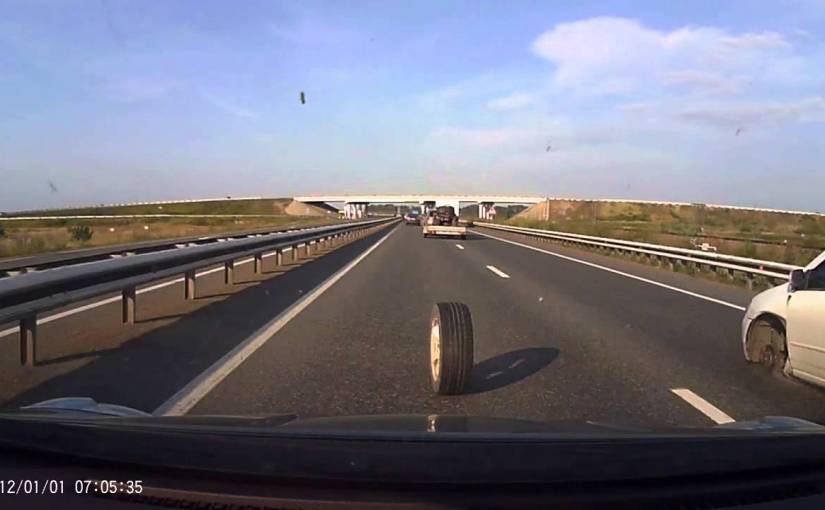
I also saw something I didn’t want to see. I saw a tire come off of a vehicle directly in front of me. Twice. Seriously.

Incident One

The first time it happened was on I-75, as we were descending a mountain pass in southern Kentucky. A large white SUV in front of me lost its driver’s side rear wheel. The whole tire-rim-wheel situation left the vehicle and made a break for the center median. The remainder of the vehicle, now sitting on 3 wheels and a brake rotor, skidded to a stop on the right shoulder of the freeway.

The runaway tire crossed the highway in front of me, slammed into the cable barrier in the median, bounced into the air, and flopped to the ground on its side. I was happy I didn’t run into it. And I was thankful that the barrier prevented it from crossing into the oncoming traffic.

Incident Two

Three hours later I was on I-275, about to cross the Ohio River, north into Indiana, just west of Cincinnati. I noticed the large pickup truck directly in front of me had a flat passenger side rear tire. I assumed the driver would notice the flat tire and pull over. But no. The driver sped right along at 75 miles per hour on that poor flat tire.

We soon drove onto the Carroll Lee Cropper bridge that spans the Ohio River, and I slowed my roll, concerned about the fate of that poor, little tire that probably couldn’t. It was a good thing I slowed down. Because in the middle of the 1700 foot-long bridge, the tire gave out. The outer tread separated like a giant piece of Goodyear calamari. It rolled down the road in front of me like a naughty kid chasing after the car he had just been kicked out of. Which brought back strong memories from my childhood.

The rolling tread then angled to the right side of the road, slammed into the bridge wall, lost its shape, and flopped to the pavement.

Meanwhile, the pickup truck sped down the highway tossing bits of rubber all over the roadway from the tire’s rapidly vanishing sidewalls. Finally, once the truck cleared the bridge, the truck pulled to the shoulder. A woman in her 50s, with her hair in a long braid, wearing denim shorts, dropped out of the driver’s door and quickly ran around the truck to look at what was left of her rear tire, which was not much.

As I drove past the second 3-wheeled vehicle in 3 hours I heard Nate Dogg’s lyrics from Dr. Dre’s Next Episode in my head:

We gon’ rock it till the wheels fall off. -Nate Dogg

Indeed, both of these vehicles rocked it till the wheels fell off.

But you shouldn’t

These two de-tiring episodes serve as a strong reminder that we all need to take care of ourselves. This has the potential to be an uber-stressful time. COVID-19, the economy, politics, racism, weather, social isolation, uncertainty and unemployment are leading to high levels of unenjoyment. Overworking and underplaying are problems too.

Pay attention to both your physical and mental health gauges. Control the things you can control. Eat right. Get plenty of sleep. Exercise. Brush and floss. Consume more humor. Tend to your spiritual health. By which I mean your Faith, not drinking more spirits. Take your vacation time. We all need it.

Key Takeaway

You have to take care of yourself during this stress-filled time. Think long term. Don’t rock it till the wheels fall off. That is too far. And the results can be disastrous. Not just for yourself, but for those around you. Nate Dogg died at just 41 years old. So check your tire pressure before you wreck your tire presssure. Check your tread and your lug nuts too. Adjust your inputs and outputs as necessary to make sure you and all your tires are here for the long haul.

*If you know someone who could benefit from this story, please share it with them.

Did you know your lane is ending?

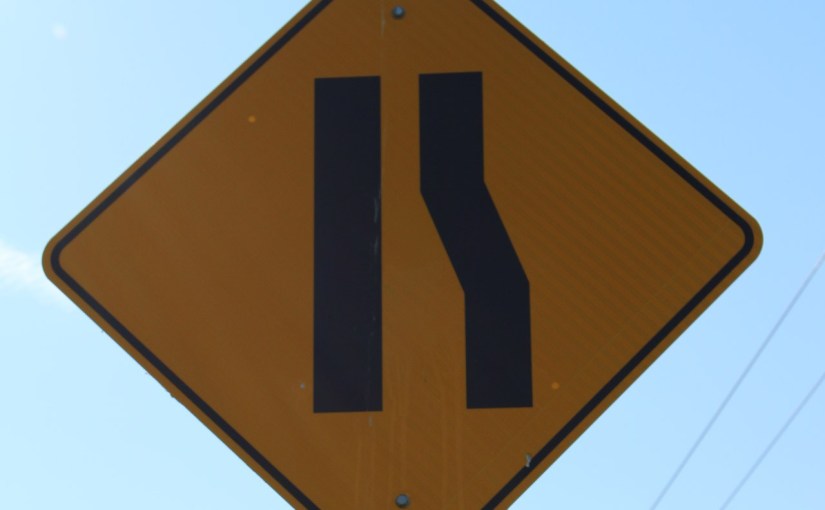
Yesterday I was driving and saw a sign that told me that the lane I was driving in was ending soon. It was a valuable sign. It warned me that I was going to have to make plans for a future that didn’t involve that lane. And soon.

I quickly began making plans to exit my current lane. I had to. It offered no long term prospects. I soon found a perfectly good lane next to the one I was in. I turned on my left blinker, checked for cars, and finding none I merged onto the adjacent lane. And all was good again.

The thing about lanes.

All lanes end eventually. Just ask the leadership team at Blockbuster, or Chuck E Cheese’s. Or Lemmings. The key is knowing when it is time to find a new option.

We don’t always get a clear sign that our lane is coming to an end.  But tastes and technologies change. Jobs end. School ends. And bad habits run out of runway at some point. When they do you are forced to choose something new.     

Lanes offer us a path for now. But not forever. Throughout your life and career, you will have to make choices and changes. You can plan, and make changes proactively. Or you can wait until the lane is gone, you are stopped on the shoulder, and the 18-wheelers won’t move over to let you in.

COVID-19 brought lanes to an end.

The racism lane is coming to an end.

Drugs and alcohol abuse lanes are bumpy and popular. But short.

Key Takeaway

Change is constant. Get used to it. Prepare for it. Get good at it. And you’ll find that new and better lanes are easier to find.

It’s time to think beyond the bear in the trail.

I am a long term thinker. I view lives and careers as long journeys with lots of transformation along the way. I expect to drive my own change and growth. Which comes through a combination of planning and action. Or what might be called plaction.

The Bear In The Trail

However, the COVID-19 crisis has caused me to take my eye off of the long view. Over the past several months I have focused almost exclusively on short-term thinking. It’s as if I was hiking the Appalachian Trail, and suddenly encountered an ornry bear blocking my path. Instead of focusing on reaching Mount Katahdin, I needed to focus on the bear-virus, and live to hike another day. As result, true long-term improvement initiatives have been on hold for months. Darn you bear-virus.

Back In The Saddle.

But today my team at The Weaponry will gather again to think about our long term vision for the first time in months. We will open our planning and improvement session by describing what the fully formed version of our advertising and idea agency looks like. Then we will focus on what we need to do to close the gap between the ideal version of The Weaponry and the organization that exists today. However, we will have nothing to do with The Gap closing at your local mall.

We then assign each person a set of tasks, or rocks, to complete over the next 90 days to help us improve our organization. This approach, which is part of the Entrepreneurial Operating System (EOS) outlined in the book Traction by Gino Wickman, has proven to be a highly effective way of helping us grow and progress. Because it ties our vision to meaningful and fruitful actions. Which helps us gain traction towards our goals.

Traction
This is a great resource to help you drive continuous business improvement.

Thinking Long Term

To achieve your long term goals you can’t remain in survival mode for long periods of time. You have to work with purpose towards your vision. You have to recirculate the ideal vision with your team and consider the next actions necessary to reach your vision.

This approach is valuable for organizations. And it is valuable for each of us as individuals. We need to know where our own north star is, and navigate towards it. Even in challenging times. Evn in bad weather. And even after wrestling angry bears.

Starting The Second Half

As we start the second half of the year, remember what you planned to do 6 months ago, before COVID-19 blew you off course and threw you into survival mode. If your original 2020 plans no longer apply to the new world reality, make new plans now.  What can and should you do now to progress over the next 6 months? I know this may be challenging. But in the inspirational words of Arthur Ashe:

‘Start where you are, use what you have, do what you can.’  -Arthur Ashe

Key Takeaway

Move forward. We have been doggy paddling long enough. it is time to reimplement some time-tested swim strokes. Remember where you are headed. Or, if you haven’t determined where you are going, now is the time to decide. Determine the short term actions that will lead to your long term goals. Be purposeful. Be consistent. And you are sure to be closer to your ideal 6 months from now.

*If you know someone who could benefit from this message, please share it with them.

What we can learn about all this craziness from Charles Darwin.

2020 started like any other year. New Year’s Day and Valentine’s Day came and went without incident. But by St. Patrick’s Day we had hit the shamrocks. Churches were closed on Easter. Brunches were unavailable on Mother’s Day. And on Memorial Day (my birthday), George Floyd was murdered by the artists formerly known as Minneapolis police officers.

Halftime

As we hit the mid-point it is clear that 2020 is going to be a different kind of year. The 4th of July fireworks will be largely DIY. Basketball will be in a bubble. Popular institutions that have reopened may reclose becuase they are a little too popular to curb the spread of COVID-19. Statues, monuments and names are being changed in an effort to stamp out racism (or what we may call eracism). And entire industries will have to find a new path forward following the disruptions and disallowances of the past few months.

Another Chapter

However, this is not the end of the world. Far from it. This is simply another chapter of change in the book of human history. As we face new and novel challenges it is valuable to get a little big-picture perspective. And who better than Charles Darwin to shed a little light on our current situation? (Ok, God would have been even better, but Chucky D is still solid.)

Darwin

Charles Darwin, best knows for inventing the Darwin Awards, properly spelling Galapagos, and for his role in the hit movie The Pirates! Band of Misfits, also created a few popular theories. Including the following:

It is not the strongest of the species that survives, nor the most intelligent, but the one most responsive to change.  -Charles Darwin

Change

Change is inevitable. There will be changes to our economy, to our environment and to our political leadership. There will be changes to industries, to culture and law. There will changes to facemask wearing policies. There will be changes to bar and beach access. And changes to the rules governing how we ride elevators. Strange, I know.

There will also be changes as a result of the Me Too movement and the Black Lives Matter movement that will change outcomes for rapey and racists humans. #SorryNotSorryHarvey. And there will be more movements. Ones that we can’t imagine yet. And they will serve the greater good as they bring on more change.

Survival

The individuals, businesses, industries, cities, states and countries that respond well to these inevitable changes will survive. It doesn’t matter if you are smart, or were in a position of strength before. The only thing that matters now is how well you respond and adapt to change. That is the rule that governs the game, and always has.

Key Takeaway

Change is inevitable and never-ending. You must respond. Understand what works now. Embrace change and the opportunities it affords you to reinvent yourself, your career, your business and your community. Keep improving. Keep adapting. There is so much good ahead. Make sure you are prepared to enjoy it all.

*If you know somoene who could benefit from a friendly reminder from Charles Darwin, please share this with them.

I am not really me.

I am not really Me.

If you met Me today you wouldn’t know the real Me. Because the real Me lives in the future. And I have a clear vision of that guy in my head. And he’s nearly perfect.

If you met Me today you would only see a work in progress. You would see a construction site. An early sketch. A minimum viable product.

But I am continuously trying to close the gap between the real Me and the person you would find today. The real Me is in better shape. He is smarter. Better at connecting dots. And solving problems. He is kinder. He is a better father, husband, friend, son, neighbor, brother, entrepreneur, creative thinker, volunteer, and giver than I am today.

He has donated blood. And rescued a kitty from a tree. He can spin a basketball on his finger. He can solve a Rubiks Cube. He speaks Spanish. He can fold a fitted sheet as well as my wife. He is so rich that everybody wants him. Even Billy Squire. He uses his money to improve the world. He knows every step to every dance. And he looks good doing them.

I am gaining on the real Me a little every day. I read, exercise and listen. I am analyzing my mistakes and finding better models. I am asking questions. And questioning answers.

I am trying to contribute more than I take. I am finding a better frequency, Kenneth. And it seems to be working. Slowly but surely.

The Real You

I hope you are improving every day too. Like Elvis Costello. I hope the Real You, the Best You, is still to come. I hope you are closing the gap on the Real You every day. I hope you are spending more time looking at the horizon than the rearview mirror. I hope you are reading and exercising and learning and listening. I hope you are still wet clay. A minimum viable product, ready to become the Maximum You.

Key Takeaway

You’re not done yet. Not even close.

If you know someone who could benefit from this message, please share it with them.