Over the past year I have helped several brands introduce new logos. It’s always exciting to freshen up a brand’s core mark. A new logo is a powerful way to offer a more contemporary, more stylish and more relevant brand image to the world. Logos are like clothes and hairstyles. If you don’t re-examine them periodically, one day you’ll wake up and realize that you’re sporting the wrong decade.
Your Signature
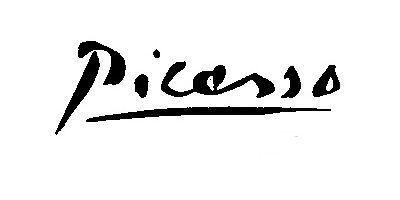
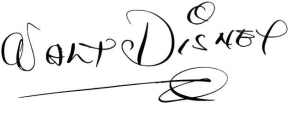
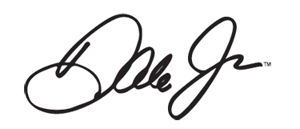
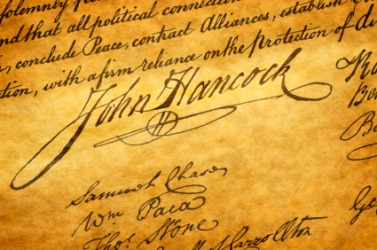
Just as a logo serves as the identifier for a product or organization, your signature serves as a signature mark for your personal brand. Whether you are John Hancock, Dale Earnhardt Jr. or Zoro, your signature represents you when you are not around to represent yourself. The kicker is that the mark that you make mindlessly today will be around to represent you for centuries to come. Seriously.
Which begs the question…
When was the last time you revisited your personal signature? It’s probably been a long time. Most people put very little thought into it. But I would like you to think about creating a new autograph. A new signature. A new stamp of approval. A new (insert your name here).
Steps to re-branding your signature.
Grab a piece of paper and a pen
Sign your name the way you normally do
Explore making it more legible
Explore making it more professional
Explore making it more fun
Explore making it more distinct
Explore making it taller
Explore making the letters rounder
Add an initial or two.
Add a flourish, icon or ownable mark.
Key Takeaway
You signature makes an impression every time you make it. Every check, document and permission slip you sign makes a statement about you to the people who read it. So put a little more thought into. If it’s bland, messy or Kindergartenesque, take this opportunity to make an evolutionary or revolutionary update. Experiment, play and practice until you find something that feels more like your personal brand today. Don’t stop until you find an option that you would sign off on. If you find something you like, or have put real effort into this in the past, I would love to hear about it.
From the very beginning of my career I wanted to start my own advertising agency. I dreamed about it for years. I envied those I knew who had done it. And I had wise counselors tell me that starting my own agency was the only way I would be able to control both the path and the length of my advertising career. I figured it would also make it harder for my coworkers to tell me to turn down my music.
I began making concrete plans in the summer of 2015 after a couple of former clients strongly encouraged/challenged/incentivized me to launch a new agency. My cousin Brooks Albrecht and I began formulating plans to launch the new venture from opposite corners of the country. I was in Atlanta. He was in Seattle. We had a lot of late night phone calls fueled by sweet tea and coffee. We were like the Rumpelstiltskin Cousins, trying to spin straw into gold while the world slept.
Brooks was working at Amazon at the time. He was amazing at developing a smart, scalable infrastructure. We devoured the book The E-Myth, and were determined to build our machine the right way from the start. We thought we had a solid plan in place, and even performed some early ‘proof of concept’ alpha testing with two clients, one in Boston and the other in California.
I couldn’t believe how much fun I was having and how excited I was by what we were attempting to do. Then, in the spring of 2016, I filed the paperwork to make it official. Two years ago today on April 12th, 2016, The Weaponry was born, and the adventure began.
Our First Client
Our very first client was Global Rescue. On an early trip to Boston to meet with the GR team, I stayed at the home of their Founder and CEO, Dan Richards. When you are first starting off you do things like stay at your client’s home. Both because your first opportunity often comes from someone who you know really well (Dan is one of my closest friends in the world). And because when you are a lean start-up you’ll do anything you can to save money.
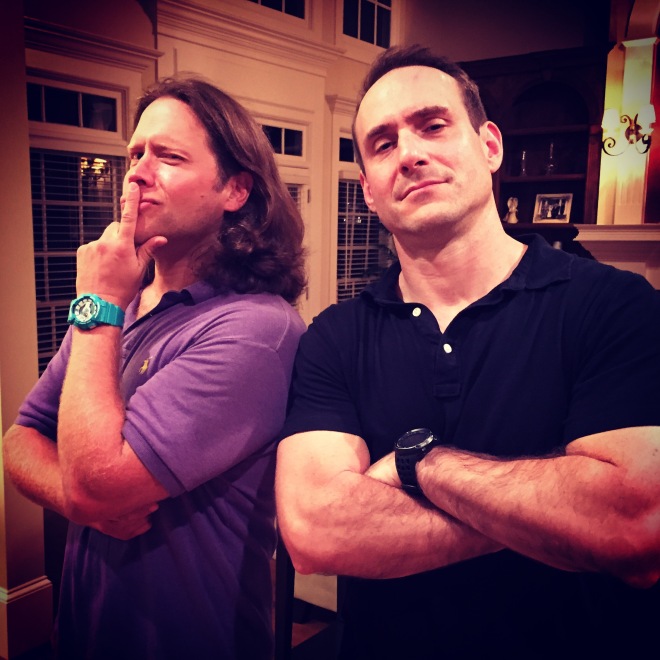
Me and Dan Richards. We’ve known each other since we were 12. Since then we have been football and track teammates. We have been in each other’s weddings. We have helped each other launch companies. And we’ve hitchhiked together.
I had helped Dan with some foundational branding and marketing elements when he first launched his business in 2004. At the time, Dan was the only employee. But by 2016 Global Rescue had hundreds of employees, millions of members, and six offices around the world.
Dan and I went for an early morning workout before we got down to business. As we snaked through the empty streets of Boston at 5:30am on our way to the gym, I asked Dan,
“How long after you launched your business did it no longer feel like a startup?
The Answer
Dan responded quickly and confidently (the way he does everything). He said, ‘2 years.’ At two years he had clients, cashflow, systems and employees. It no longer felt like a victory just to be open for business. I filed that away, and wondered if that would hold true for The Weaponry.
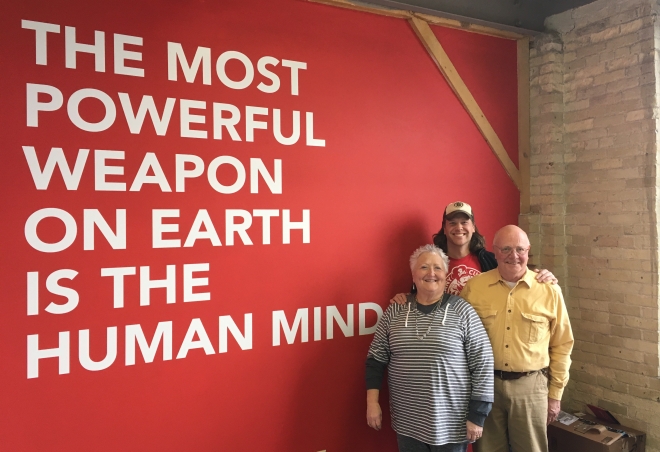
One of the greatest parts of starting The Weaponry has been sharing the experience with my family. Especially because it gives us a new place to take family photos.
Joining the 2 Year club.
Now that we are officially at the two-year mark, I can say with great confidence, that The Weaponry no longer feels like a startup. As we have approached this milestone, many of my friends who are entrepreneurs have pointed out that a startup’s life expectancy is barely longer than that of a fruit fly. They have emphasized how few startups actually live to eat their second birthday cake.
But I think about it differently. I don’t care what the average is. And I don’t think making it to two years in a major victory. My goal wasn’t to build a business that could break the 24-month barrier. It was to build the perfect advertising agency that could stay in business forever.
We printed way more than 2 year’s worth of stickers. It was a sort of sticky life insurance policy.
Motor Boating.
The first two phases of a new business are like the first two phases of motor boating (snickering). In phase 1 you are happy to be moving forward and not hitting rocks or docks. But you are plowing through the water with a lot of resistance, and very little speed or elegance. Then you transition to phase 2. In phase 2 the boat builds enough speed that it actually climbs on top of the water and planes out. The ride smooths out, speeds up, and becomes a lot more fun. The nose of the boat (or bow) comes down, and visibility improves dramatically. At two years old, The Weaponry feels like it is planing and gaining speed.
6 Reasons The Weaponry No Longer Feels Like A Startup:
We have a real office.
We offer our employees insurance benefits (from companies you actually know).
We have retainer clients that provide predictable work and cashflow
We have systems in place to organize, produce and deliver everything we do.
We have a steady stream of new opportunities.
We need to hire more great people
I love that my parents can come visit me at my business. And I’m even happier that I haven’t had to move back in with them.
Cheers!
Conclusion
I am thrilled that this perfect agency project is now two years old. Starting my own business has been the most exciting chapter of my exciting career. Thank you to all of the clients who have trusted us. Thanks to all of our team members who have made the magic. Thanks to my family for having faith. And thank You for taking the time to read about it.
If you are thinking about starting your own business and have questions, I am happy to share what I know. If you are looking for an exciting, growing and positive place to work, let’s talk. If you are looking for a date to the Marketing Prom, give us a ring (this isn’t a real thing, but if it was, we would totally go with you). And if you are looking for an interesting story to follow, consider subscribing to this blog. The next 12 months are sure to provide plenty to read about.
I love a good quote. In fact, I consider my susceptibility to a good quote one of my greatest assets. I love the way a powerful quote can summarize a complicated concept in a simple, memorable way. I regularly add these little gems to my personal guide-book. Then I pull them out to remind myself how to respond to challenging situations. Like starting a new business. Or Atlanta traffic.
Phil Knight
I recently came across a great quote from Nike Founder, Phil Knight. In his book Shoe Dog, Knight shares the challenges he faced when fighting for US distribution rights of the Japanese-made Tiger running shoes in the early 1960s. He was in a showdown with a formidable opponent who also wanted exclusive distribution rights. Which meant that Knight was going to have to compete to win.
Nike Founder, Phil Knight, who pioneered the concept of wearing a track jacket with a blazer. #SportsCoats
Here’s the quote:
“The art of competing, I’d learned from track, was the art of forgetting, and I now reminded myself of that fact. You must forget your limits. You must forget your doubts, your pain, your past.” ― Phil Knight
To Compete You Must Forget
When you compete you can’t let past performances determine future outcomes. You have to expect the next performance will produce the desired outcome. It’s true in business. And it’s true in our personal lives.
Selective amnesia is a powerful thing. It gets you to try again, even if you have lost, or failed or suffered in the past. You can’t let a loss win. Forget it, and keep going. Get back up. Dust yourself off (if you live somewhere dusty). Then try again.
It’s easier to forget things if you bang your head until it no longer works. But I don’t recommend this technique for humans. And neither do former NFL players.
Key Takeaway
Forget your failures. Forget your rejections. Forget the losses, the suffering, the pain and this disappointment. Remember, every chance is an opportunity for a new and better outcome. Forgetting worked out nicely for Phil Knight. It will work out for you too.
*If you have a great quote relevant to competition, please share it in the comment section. If you want to see more of the quotes I find inspiring, consider subscribing to this blog.
Business is hard. Unlike the natural world of plants, animals, water and minerals, business is not visible. Business is an abstract concept. Sure, a business is officially formed when you file articles of incorporation. But those are just documents. You don’t invite clients to come and look at your filings. You can’t recruit great talent by showing them your government forms. Except maybe the lawyers. God help the lawyers.
Building, focusing and polishing a great business is a conceptual task. It requires things like missions and visions. It requires strategy, positioning and branding. You can’t just throw these items in your cart at Office Depot. You have to create them. You have to pull them out of the ether (or out of your butt), and breathe life into them to make them real.
Whose job is that?
I work with clients on challenges like this every week. I don’t expect our clients to have all the answers. Quite the opposite. I expect them to have a problem that needs to be solved. I expect them to have questions. I expect them to be a little lost and confused. You know, the way you felt on the first day of high school.
Making the invisible visible.
The greatest value my business offers is our ability to see the unseen. We paint pictures and draw maps so that others can see too. We build structure, we articulate thoughts and create unifying stories. The more answers we find the more valuable we become. But the kind of answers we are looking for can’t be googled. We have to create them ourselves.
The Paradox
Many would-be-collaborators want their clients to clearly articulate what they are looking for. The problem is, clients don’t often know what they are looking for. In fact, that’s why they need to hire outside help in the first place.
IWKIWISI
Professionals often loathe IWKIWISI clients. Those are the people who say I Will Know It When I See It. They can’t tell you exactly what they want. They can’t offer you a great brief. They can’t narrow the options down to 1 or 2. They need someone else to find the perfect option for them.
I love these types. They need the most help. Like a Sudoku puzzle with very few initial clues, they offer the greatest challenge. But when you solve those most difficult of puzzles, you experience the most satisfying rewards.
Think of young Helen Keller, who couldn’t see or hear. Then along came Anne Sullivan, who developed a system to teach the blind and deaf to learn language and communicate. She unlocked and unleashed the infinite power in Helen Keller’s mind. Who enjoyed the greatest reward as a result, Helen or Anne?
If you have the kind of skills to make the invisible visible or to make the intangible tangible, you can help transform organizations, people and places. If you need those type of people, take comfort in knowing they are out there. And someone knows where you should look to find them.
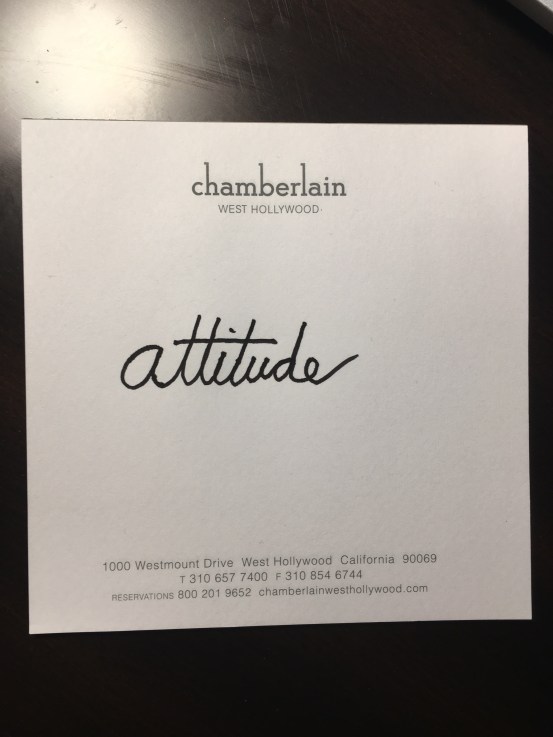
Do you have a favorite word to write? I do. I have written a library’s worth of words in my lifetime. But for fun and flair, there is one word that beats them all by a cursive mile.
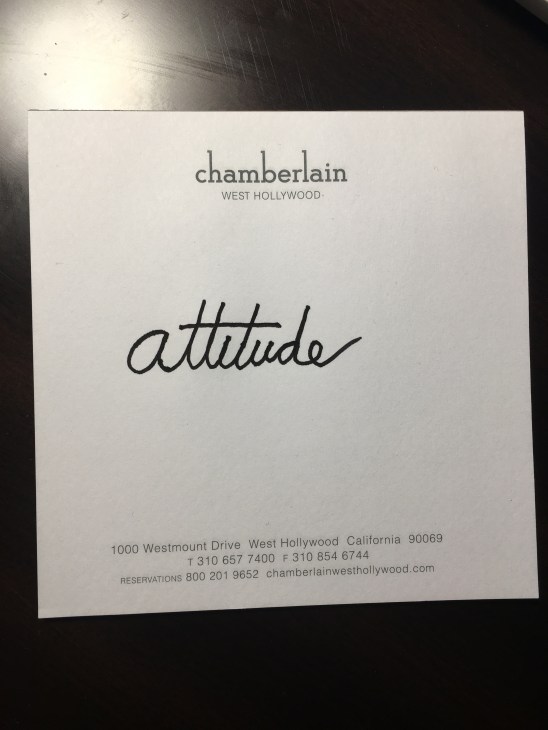
Attitude
Here’s how to write it the way I do.
Grab your favorite pen.
Prepare to write in your flowiest cursive.
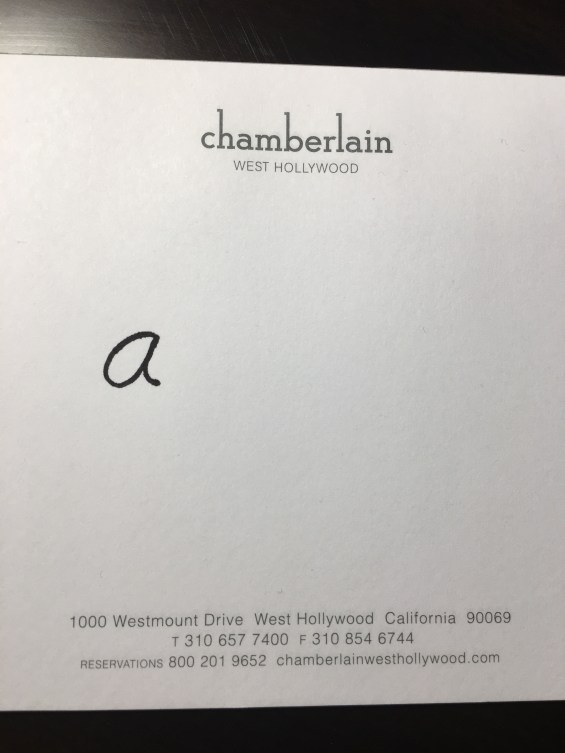
Draw a looping lowercase ‘a’ like you are circling the key point on the page.
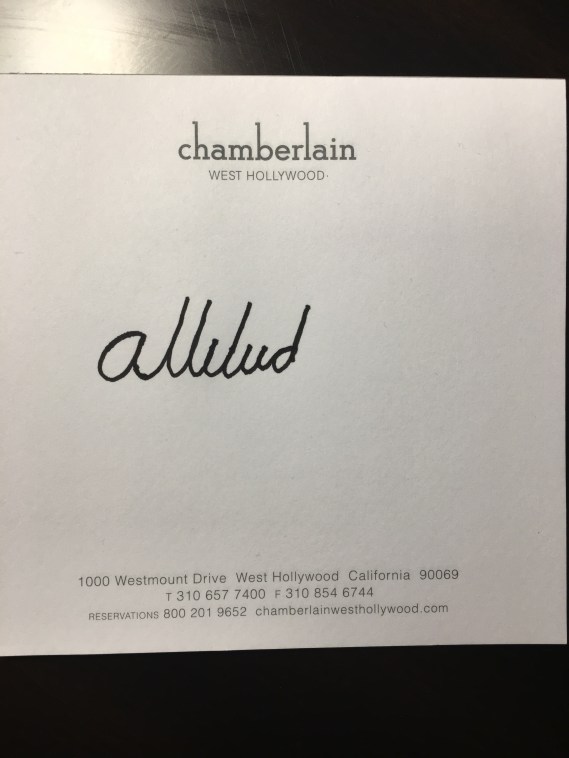
Let each of the next letters flow like you are sketching a roller coaster.
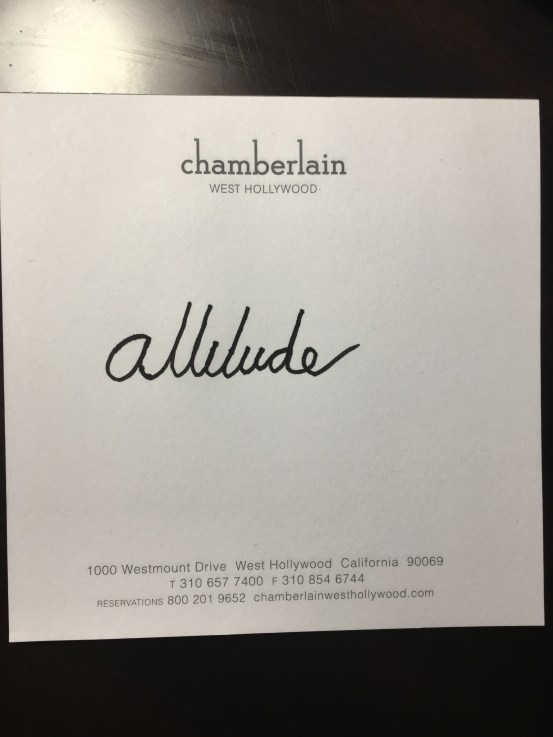
After you finish the ‘e’, cross all three of the ‘t’s with one stroke. Do it as if you were crossing the most important task off your to-do list.
Dot the ‘i’ like you are an orchestra conductor hitting the final note in the final song of the final concert of your career.
Look at the word you have just written and realize that it means everything in life.
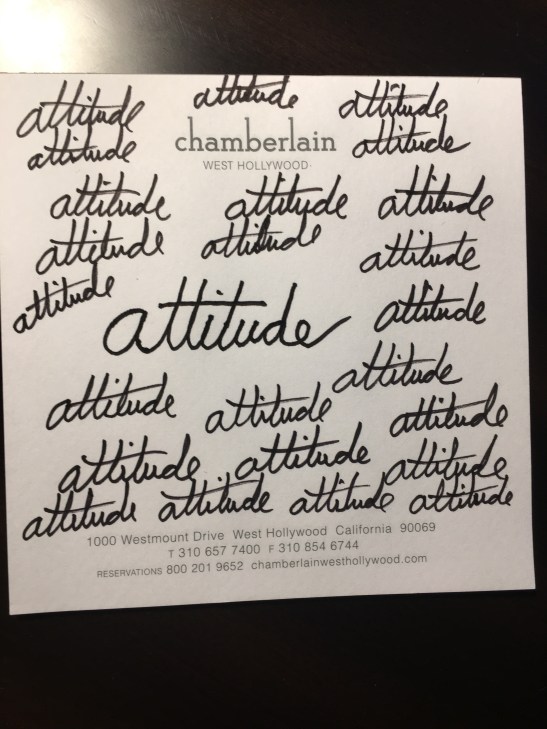
Write the word again and again and again, until the ink in your pen runs dry.
I got a unique phone call this week. The caller, a friendly and energetic young man, introduced himself as a banker calling from Name-Of-Bank-Protected. Once upon a time, I had banked with Name-Of-Bank-Protected. But now I was confused. Because I had closed my account with them over ten years ago. What was even stranger, was that the banker added that he was a mortgage specialist.
Hmm?
I asked the nice mortgage specialist from the bank I once banked with, ‘Is there something wrong with the mortgage I clearly do not have with your bank?’
He laughed and said ‘No. I am calling about Name-Of-Employee-Protected. Does Name-Of- Employee-Protected work at The Weaponry?’
Then I understood.
I have purchased four homes in my home purchasing career. Right before the closing, the bank offering the mortgage calls your employer to confirm that you actually have the job you claim to have. This gives the bank confidence that you will have the funds to pay your mortgage on the new home. This has always been a wise move for banks. But it has become standard practice since the failure to do background checks lead to the world-melting mortgage crisis a decade ago.
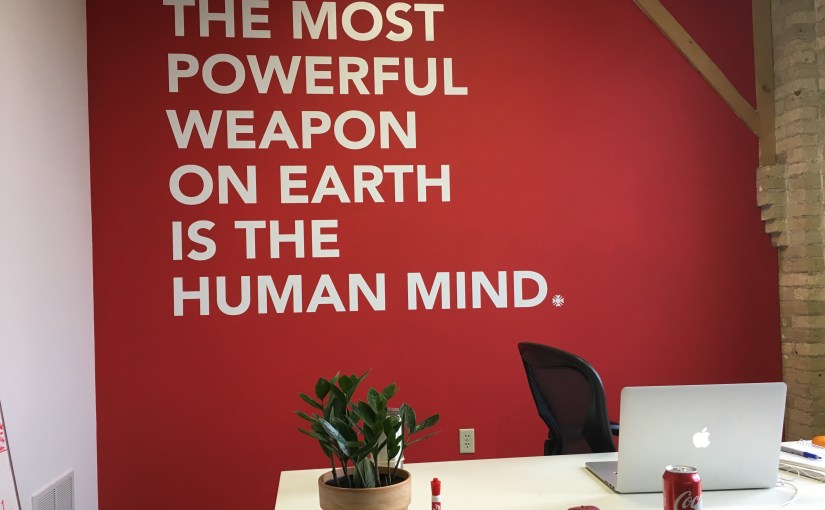
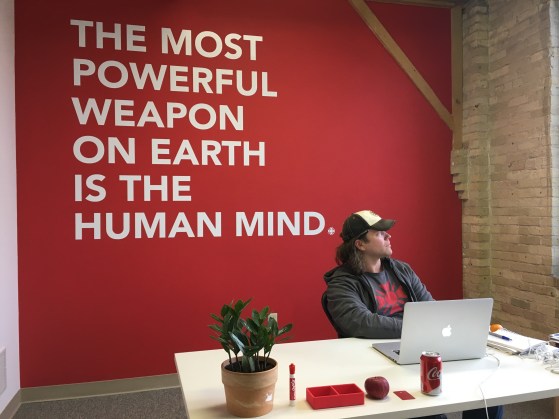
This is where I was sitting when I got the mortgage lender’s call. Except the plant was on the other side of the desk.
However, this was different.
Now a bank was calling me about a mortgage, because I am the employer. This may not seem like a big deal to you. But this was monumental to me.
My advertising and idea agency, The Weaponry, started as a vision in my head two and a half years ago. I had a clear vision of what the perfect advertising agency would look like. I believed I could create an agency that generated excellent creative ideas, provided amazing customer service and offered a fun experience for everyone involved. Best of all, I knew it could provide long-term financial stability for employees.
As I started on my journey to bring that vision to life, I started this blog. Then brick by brick, the vision has become realer and realerer and realererer.
Today, The Weaponry has great clients, a nice office, amazing employees and benefits. But now, we also have real American bankers calling The Weaponry to confirm that our Weapons actually work at The Weaponry.
That’s a great feeling.
The Weaponry is not just real in my head. It is real in the eyes of a bank that will offer a major loan to one of our employees today, so that they can close on a new house this afternoon. I’m not sure I can articulate how fulfilling that is. The Weaponry has come a long way. And we are just getting started. I look forward to many more confirmation calls from many more mortgage lenders from across the country in the years ahead.
*If you would like to follow our journey, please consider following The Perfect Agency Project by clicking the subscribe button. It requires minimal effort from one of your fingers. Any finger will do.
Most people will tell you that envy is bad. They will say you should be happy with what you have. But don’t believe them. Envy is one of the most powerfully positive forces on Earth. Envy reveals what we truly enjoy, what we really want, and who we want to be like. This is nothing to feel bad about. Baby, you were born this way.
Using envy for good starts with recognizing it as a powerful, natural, innate draw within you. Don’t try to quiet that voice. Tune in to it. Understand it. Learn what envy can teach you. Envy is like a gravitational force pulling you towards your own happiness. Or at least towards a great pair of pants.
Definition (from the great online dictionary)
Envy (noun): a feeling of discontented or resentful longing aroused by someone else’s possessions, qualities, or luck.
Envy (verb): desire to have a quality, possession, or other desirable attribute belonging to someone else.
Interview Your Envy
Envy offers insights to feelings that are hard to articulate.
Do you envy the person who doesn’t have to travel for work? Or the person who does?
Do you envy your friend who has dinner with his or her family every night?
Do you envy the entrepreneur? Or the volunteer? Or the activist?
Do you envy the rich and famous?
Do you envy the simple and anonymous?
Your envy is trying to lead you on your true path. Don’t protest too much.
My Envy
I have found myself attracted to, and envious of all kinds of random things throughout my life. But instead of feeling bad about it, or trying to turn the feelings off, I have tuned in, and recognized the things I truly want to have, do or be. And those things I once envied have contributed greatly to my own happiness.
Here is a quick list or random things I have envied:
A pair of well-worn work boots
High schoolers who could lift a lot of weights
Entrepreneurs
People who have canoes.
People who vacation on islands
Mountain climbers
People who don’t follow popular opinion
People who have great blogs
Volunteers
These things that I once envied have now contributed greatly to my own happiness. My feelings were not negative. They were motivating.
Today, my work boots (and my flip-flops) are my favorite shoes to wear. I began lifting weights my freshman year in high school and have found it to be the absolute best thing for my mental health. I launched my own business, The Weaponry, almost two years ago, and I am eager to get to work each day. I own a beautiful 17-foot canoe, and a couple of kayaks, which bring me and my family great joy. I have had wonderful vacations on islands with my wife and kids, where we felt as if we had escaped the real world together. I’ve climbed many a mountain, and felt the rewards of accomplishment. I am confident in my unpopular ways. I’m working on the blog thing. But I still have a nagging feeling that I don’t volunteer enough, and envy those who do.
Key Takeaway
Don’t feel bad about your lust for those shoes, that job or the epic vacation. Don’t think you don’t measure up because you haven’t started your own business, created a charitable foundation or bought a second home. If you really want those things, add them to your list. Then create a plan to make them yours, and get to work. That’s what I do. And someday I expect to have them all.
Now that I have shared, is there something you have envied that you have used as motivation? Please share it in the comments section. I’d like to think I am not the only one.
My sophomore year in high school I had a teacher named Mr. Bohi. He was a large, bear of a man who spoke with booming confidence and authority. Originally from Iowa, his life path lead him to the Ivy League town of Hanover, New Hampshire. In Hanover he taught high school students lessons about humans, through the lens of history. He also smiled at you when he was mad at you, which I found quite challenging to process.
Mr. Bohi was a great teacher who taught me a lot. But on the first day of class he said something that I strongly disagreed with. As he launched into his initial lesson, he pulled out a dollar bill, and made a stump speech about the power of money, and its enormous influence over world history.
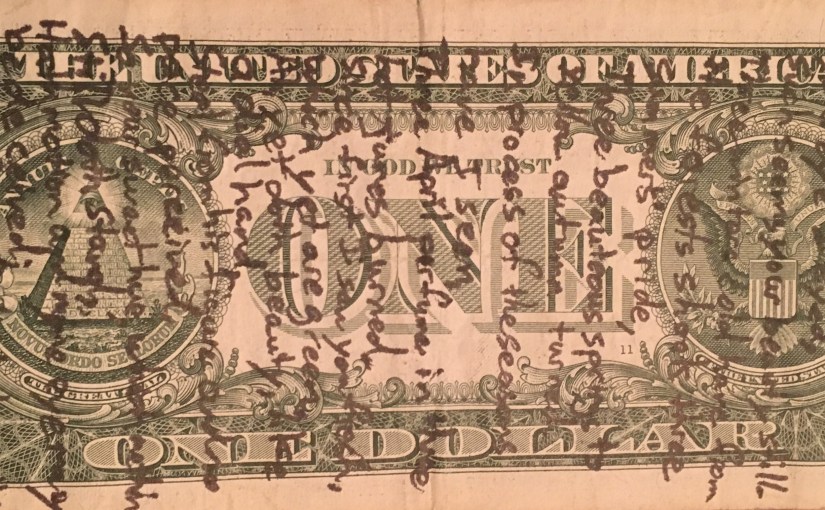
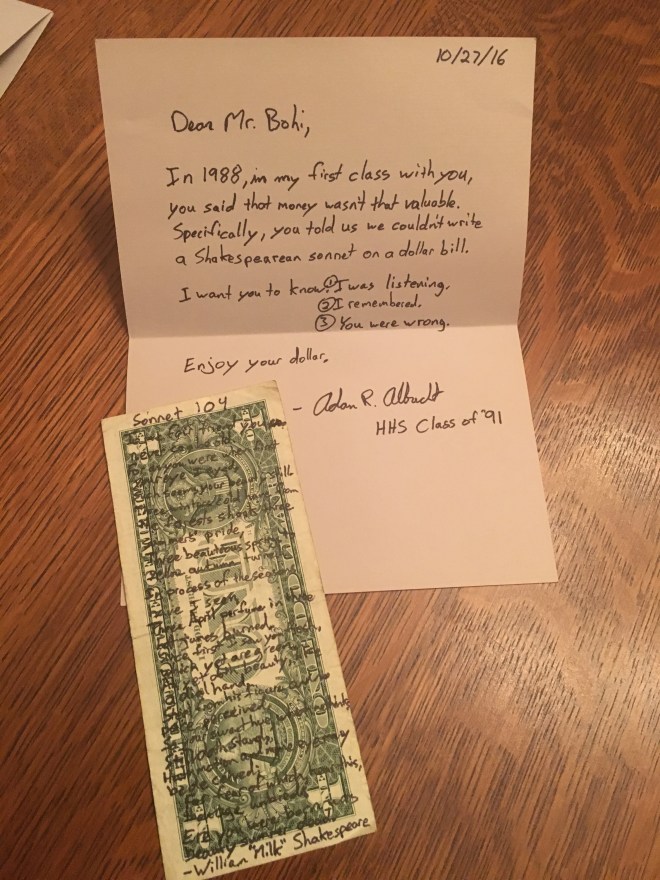
He orated about the fallacy of money, saying that currency wasn’t real. That money is an illusion in our heads. And that a plain piece of paper was actually more valuable than a dollar bill. One of the things he said that day has bothered me for 30 years. So today I am putting this note in the mailbox and sending it to Mr. Bohi.
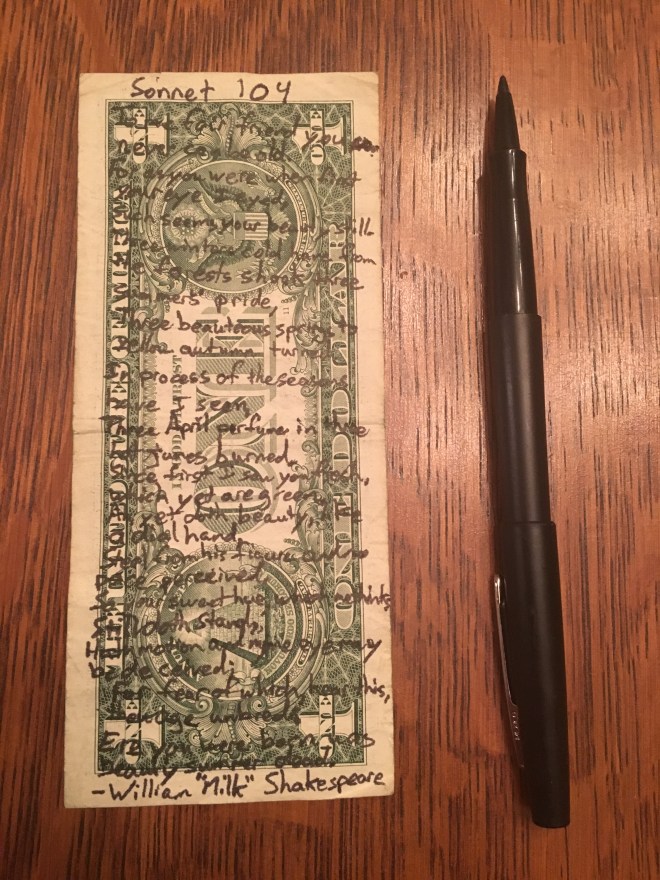
I have thought about this since 1988. I wrote this out almost a year and a half ago. And I will finally mail it today.This is Shakespeare’s Sonnet 104. I thought ‘Milk’ would have been a good nickname for a guy whose last name started with ‘Shake’.
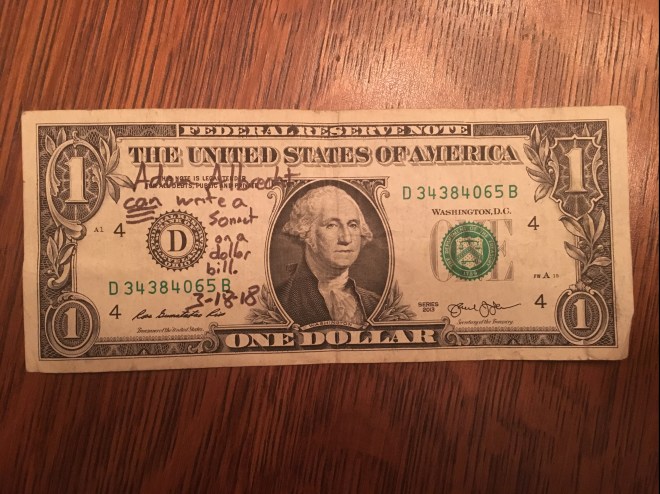
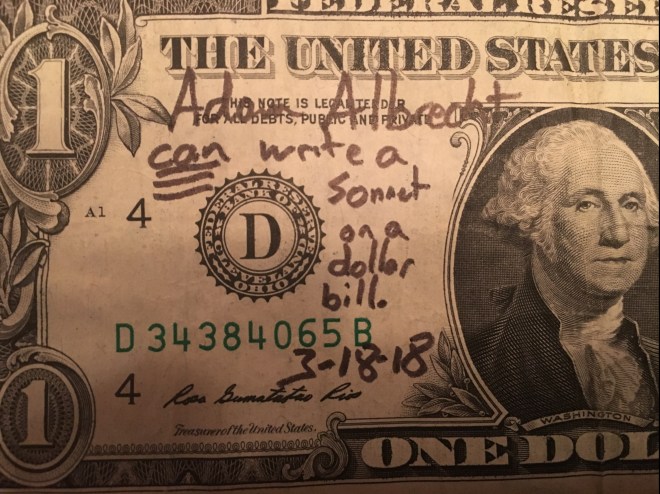
Maybe you can’t write a Shakespearean sonnet on a dollar bill. But I can.
By George, I wrote it!
I love doing what other people say can’t be done. I love solving problems that others think can’t be solved. As an entrepreneur and Founder of the advertising and idea agency The Weaponry, I appreciate a good challenge. And I realize it is my will to do things that makes them happen. Even if it takes 30 years.
*In case you couldn’t read my handwriting, this is what the note says:
Dear Mr. Bohi,
In 1988, in my first class with you, you said that money wasn’t that valuable. Specifically, you told us we couldn’t write a Shakespearean sonnet on a dollar bill. I want you to know:
It is 6:27pm on Saturday, March 17, 2018. America is in the heart of the NCAA Division I men’s basketball tournament, better known as March Madness. For most of my life I couldn’t get enough of this tournament. But this year is different.
This Year:
I have not seen a moment of live basketball.
I have not seen a single bracket, printed, online or on TV.
I have no idea which 64 teams are in the tourney. Or are there 66? Or 68?
I had no idea it was even possible to be so oblivious about the tournament a week after Selection Sunday.
But I haven’t had a moment of boredom in the past week. I have been so interested and involved in the other exciting things that basketball wasn’t even a blimp on my radar (I once had a French client misuse this term).
Having enough positive and interesting elements in your life that you have no room for the extraneous is a good sign. And right now, my family, work, friends and curiosities are filling my days in a way that leaves noneed for entertainment or distraction. Right now, I would rather write this post about my reflections than turn on the TV to catch up on all that I’ve missed. Life is not a spectator sport. Never has this phrase meant more to me than right now.
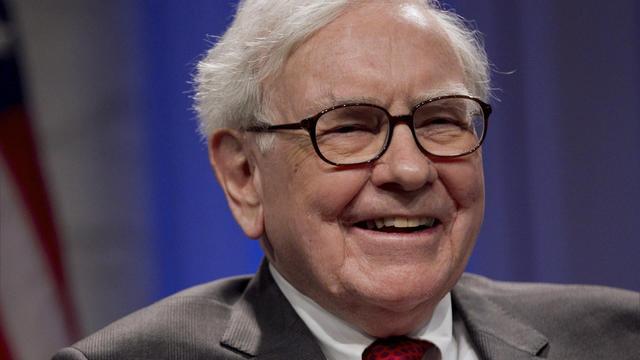
I like investing. I started investing in stocks not long after I landed my first job out of college. Back then I didn’t really know what I was doing. I made mistakes. But I wasn’t afraid. I kept reading, and listening and studying investment strategy. Today I have a solid, repeatable approach. That’s because I stole my strategy from Warren Buffet. Who stole his strategy from Benjamin Graham.
I bought Graham’s book, The Intelligent Investor, because I heard it was the bible on stock investing. I boiled the 600 page book down to this headline:
‘Buy when a stock is undervalued. Sell when it is overvalued.’
This strategy has served me well. I’m always looking to get in on a good company’s bad news. When banks were collapsing because of the mortgage crisis, I bought Huntington, Fifth Third and PNC stock. When there was oil gushing in the Gulf of Mexico I bought BP. When Equifax was hacked, I was into Equifax stock. When there were diseases decimating the US chicken population I shouted, ‘Pass me a drumstick and some shares of Pilgrims Pride and Sanderson Farms!’
Investing in People
I invest in people the same way. When people are hot, have the world by the bizzles and everyone wants to be close to them, I don’t need to be there too. I like to invest in people who have lost their jobs, hit icebergs, or are leaking oil. Those are the ones that really need to be infused with confidence and friendship. It is easy to divest when people hit all-time lows. But that’s when I like to double down.
People always rebound.
Your personal stock always rises again to reflect your true value. Which means that when you pick someone up who feels like they are sitting on the discard pile, the return on your invested time and attention truly appreciates. While you may have known things would get better for that person, they didn’t. Because when you feel like you are swirling around the toilet, it is hard to see past the very near term.
Take Away
Look for ways to invest in those that need it most. The good people, organizations, and teams that have fallen out of favor. Because the belief, support and confidence you invest in them comes back to you in amazing ways. Oh, and if you have any undervalued stocks to pass my way, please post them in the comments section.
*If you want to invest more time reading blogs, consider subscribing to this one.











 Adam Albrecht Blog