The greatest way to increase your value to yourself and others is through reading.
You could just stop reading this post now and go grab a book to read instead.
But I am going to drop some new reading knowledge on you that is worth 90 seconds of attention.
Why Should You Read?
Bill Gates reads about 50 books a year. Or about a book each week.
Warren Buffett famously reads about 500 pages per day.
Lin-Manuel Miranda bought the book Hamilton to read on vacation in Mexico.
So read books that expand your thinking and your knowledge base.
Read to understand how things work.
Read for inspiration, motivation, and all the other great ations.
Read to understand how successful people became successful.
Read about what worked in the past in your field of expertise.
And read to learn what is changing in your field, so you can surf that change, rather than get pummeled by it.
Read to improve your writing and expand your vocabulary.
Read to develop your focus and your patience for long-term goals.
But most importantly…
Read To Separate Yourself From The Pack.
Despite all of the mental nutrition and long-term success that sprouts from reading, a new study just released by researchers at the University of Florida and University College London (which sounds like the fakest British school name ever) found that reading for pleasure among Americans has declined by 40% over the past two decades.
In 2004, 28% of Americans said they read for fun.
In 2023, only 16% said they read because they wanted to.
It is not lost on me, or the researchers, that Facebook launched in 2004 and the iPhone was released in 2007. Together, social media and smart phones may be accomplices, killing reading softly, like Roberta Flack or the Fugees.
This all means that people who read books have a greater competitive advantage now than ever before.
However, this is massively skewed by the avid readers.
In fact, estimates reveal that between 25-46% of adults READ NO BOOKS each year.
And the median number of books read annually by adults is only about 4. That’s how much the average person hates paper cuts.
Which means there are fewer and fewer people after the pot of gold at the end of the Reading Rainbow.
There are fewer people who are willing to do the slow, steady, yet transformational work of knowledge gain through reading. While others are settling for bite-sized bits of video, podcasts, and tweetable wisdom served by algorithms, readers are accumulating broad and deep knowledge that helps make them more capable, valuable and irreplaceable.
The new study also revealed that those who do read for fun are spending more time doing so. Because while haters gonna hate, readers gonna read.
And in the era of artificial intelligence, it is the humans who can contribute more than the machines that will be in greatest demand.
Key Takeaway
Now more than ever, reading is your great competitive advantage. Your self-directed education makes you a valuable and irreplaceable resource. It improves your thinking. Which drives smarter decisions and actions. And it draws other people to you who want to tap into what you know.
*If you know someone who could benefit from this message, please share it with them.
Reading is better for you than you know. Yes, reading is a great way to learn things. That’s why I read Judy Blume novels in middle school. But that’s only part of the benefit. Just as importantly, reading is mental exercise that helps you maintain your mental strength and fitness. Which means that reading can help prevent your brain from getting any softer and flabbier than it already is.
One of the most important reasons to read books is that reading for long periods of time is hard. Reading is a grind. And not the kind R. Kelly sang about. Reading is not something you can rush through. It is slow, deliberate, unrushable work. Reading is something you have to do at a walking pace. And walking a great distance takes time and steady effort. That slow, steady effort is how things get done. It is how learning happens. It is how knowledge gets accumulated. It is how brains and the humans that walk them around transform into better versions.
Remember, success, like reading, is slow. So is growth. And wisdom accumulation.
Reading helps you develop your patient pursuit of greatness. Word by word, day by day, you learn to stay with your self-improvement tasks.
If you hired someone else to read for you, which is essentially what you do when you listen to an audiobook, your pace is basically the same. You just read with your ears, rather than your eyes. Which means there really isn’t a way around the pedestrian pace of reading. There is no hack, other than hacking your way through a book like a slow, steady walk from Hackensack to Hacksaw Ridge.
It is often said that the average CEO reads a very above-average number of books each year. That number has been reported to be as high as 5 or 6 books per month, or 60 books per year. The question is, do CEOs start to read a lot once they become CEOs? Or do people who have trained themselves to slowly and steadily accumulate knowledge through reading become CEOs? The answer should be clear.
Brain coach and speed-reading expert Jim Kwik breaks it down like this:
“I went to Amazon and looked at the medium average number of words per book, and it came out to about 64,000 words. So let’s say the average person reads 200 words per minute. We’re talking about 320 minutes to get through a book, which is about 45 minutes a day, to read a book per week. That makes it a little more realistic.”
-Jim Kwik
Have you ever thought about reading in terms of distance? I have. Because I am curious, like George. If all those lines you read in an average book were laid out in a straight line, on the earth, you would read for half a mile. This is according to my calculations of width per line (4 inches) multiplied by number of lines per page (27) multiplied by pages in book (263). Then I converted the inches into miles. Because I read on American roads. And always on the right side.
That steady mental march along mile after mile of words laid out in books improves you along the journey. As you travel that great literary distance, you pick up new words and expand your vocabulary. You gain new knowledge. You learn about people and places and things. (Oh, my!) You improve your understanding of people, history and problems. That’s why reading creates such a valuable adventure.
As you read, you collect knowledge to draw upon to create new and novel products, services, and art. You collect tools that can be used to solve problems. And you accumulate best practices and all the things that people before you learned in much harder ways than reading.
Strengthening your reading muscles helps you develop mental stamina to focus on all kinds of tasks longer. Reading helps you write for longer stretches. It helps you sit still and quiet. (And if I can sit still and quiet, you can too.)
By learning to read books, you become better at reading reports, studies, and briefings. All of which help make you smarter and more informed. And if you ever find yourself in court and they try to throw the book at you, being able to read that book is highly beneficial to you and your lawyer.
But patiently reading books also helps you learn to read the world. Including nature, people, weather, and art. You learn to slow down and pick up on clues all around you. You learn to slowly and patiently observe how the world works and how humans and animals feel. You notice the health of plants. And countless quiet signs and signals from the universe.
So put down your phone and your other electronics. (After you finish this post.) Find books on bestseller lists. Find the greatest books you haven’t read. They get you on track for developing those very valuable reading muscles that will improve your life.
Key Takeaway
Dedicate time to the slow, deliberate process of reading. It helps train your brain to work at its most effective pace. It teaches you patience and rewards you with a steady, long-term return on your invested time. It strengthens your focus and task stamina. And it provides a road map to reach your most important long-term goals.
*If you know someone who could benefit from this message, please share it with them.
I have dreamed about writing a book since I realized people did such things. As a kid, I knew Dr Suess did it. So did Laura Ingalls Wilder. And Judy Blume got crazy with it. But it seemed super hard. And time-consuming. But in March of 2020, I took the pandemically-induced gift of time, and started writing. And like a literary Forrest Gump, I just kept write-ing and write-ing. Today, my little paper baby, What Does Your Fortune Cookie Say? is 3 years old! The book shares 80 of the best life lessons. Now, I have taken a moment to reflect on how writing this book has impacted my life.
10 Ways writing a book has positively impacted my life.
I learned I can do hard things. Doing hard things demystifies the hard things you do. Yes, writing a book requires a lot of time, energy and focus. But it requires a little bit every day, not a full deposit at one time. Writing a book is actually like running 3 marathons. A writing marathon, a publishing marathon, and a marketing marathon (which only ends when you stop promoting your book.) I wrote more about it in this post. I enjoyed the process. It was not too much for me. And it’s not too much for you either.
2. I have earned a new level of respect. Our society respects published authors. I think it’s because you have done something that other people know is hard. And it indicates that you have a deep level of knowledge in a specific area. Or that you are both creative and disciplined. #createiplined I consider being a published author The Poor Man’s Ph.D. (Or Poor Woman’s Ph.D.) Because when you add author to your title it earns you a higher level of respect. (I always say respect like Ali G says respek!)
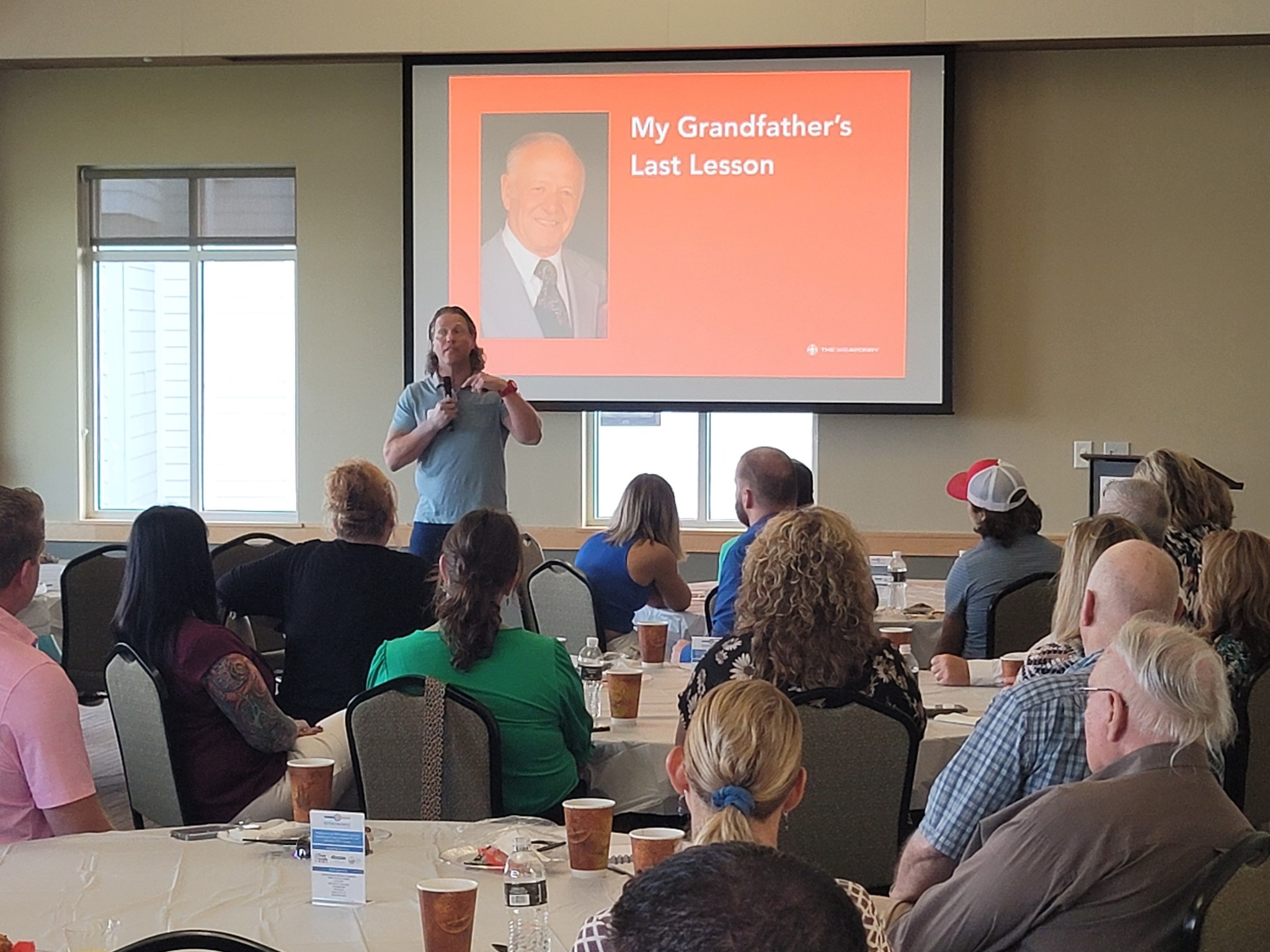
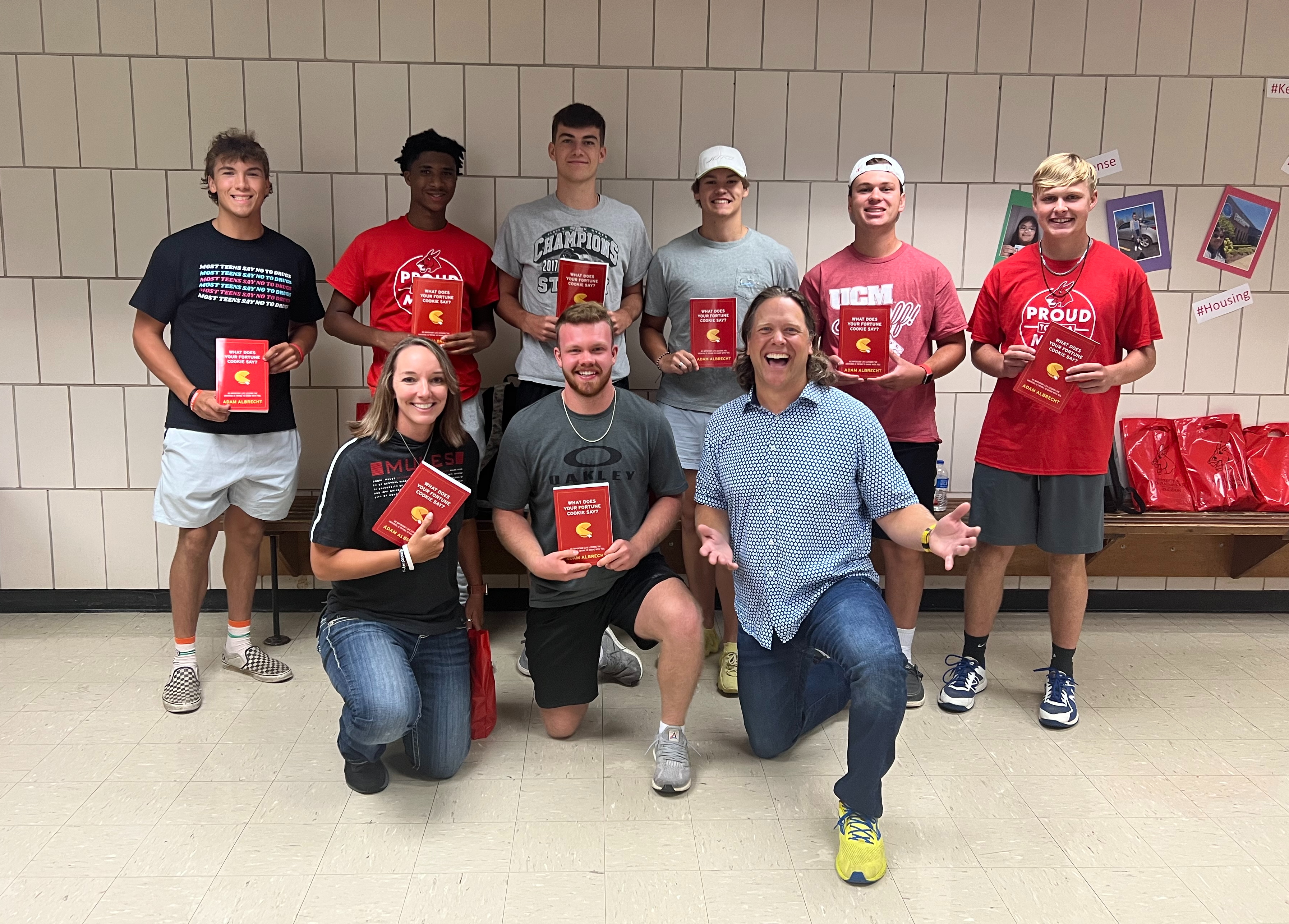
3. I get hired to speak. Since publishing my book my speaking requests have quadrizumpled. (Which is a Mary Poppins-like way of saying ‘greatly increased’. I have traveled all over the country speaking at conferences, symposiums, company meetings, association events, rotary clubs, chamber of commerce events, and schools. I love speaking. For me, it’s right up there with smiling and chocolate milk.
4. I have made money. Between book sales and speaking engagements, my book has become a source of income. It’s cool to have a product that you only have to create once, but you can sell over and over again, like Nelly and Tim McGraw.
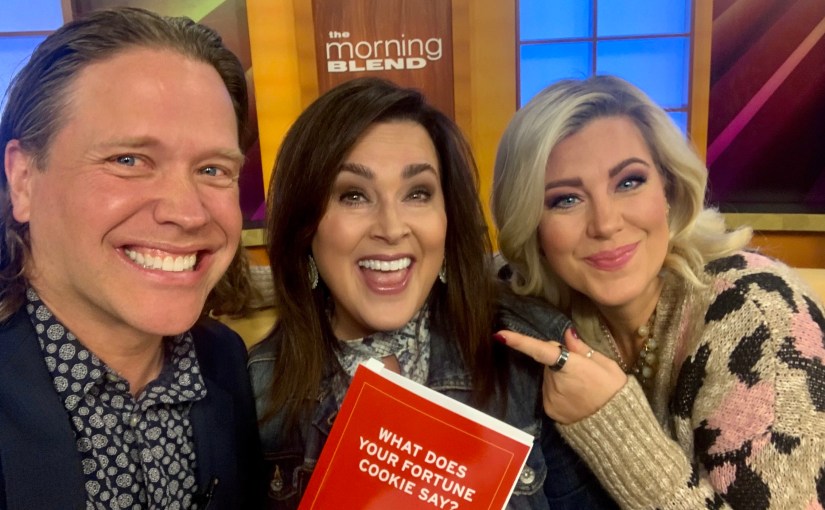
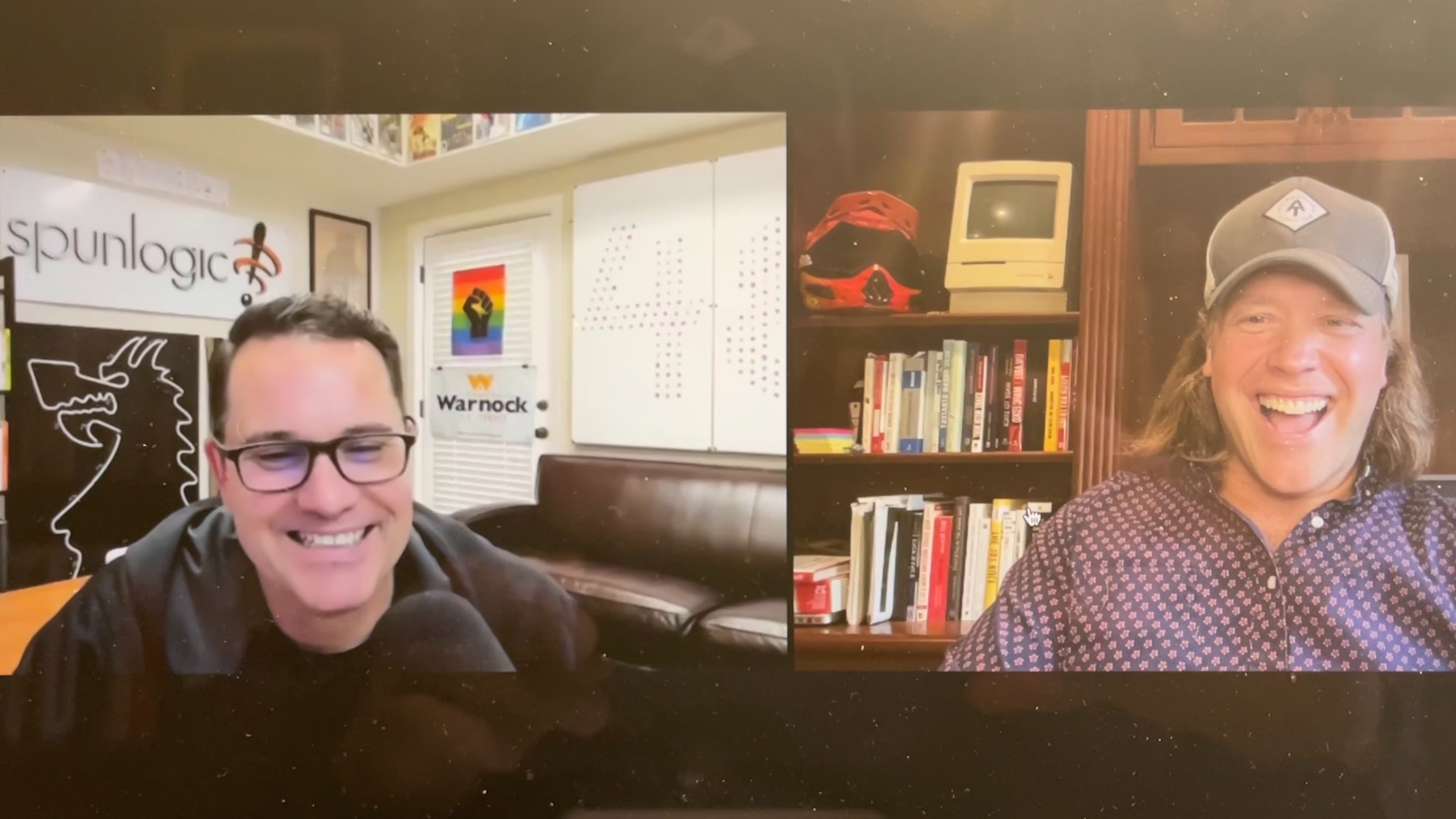
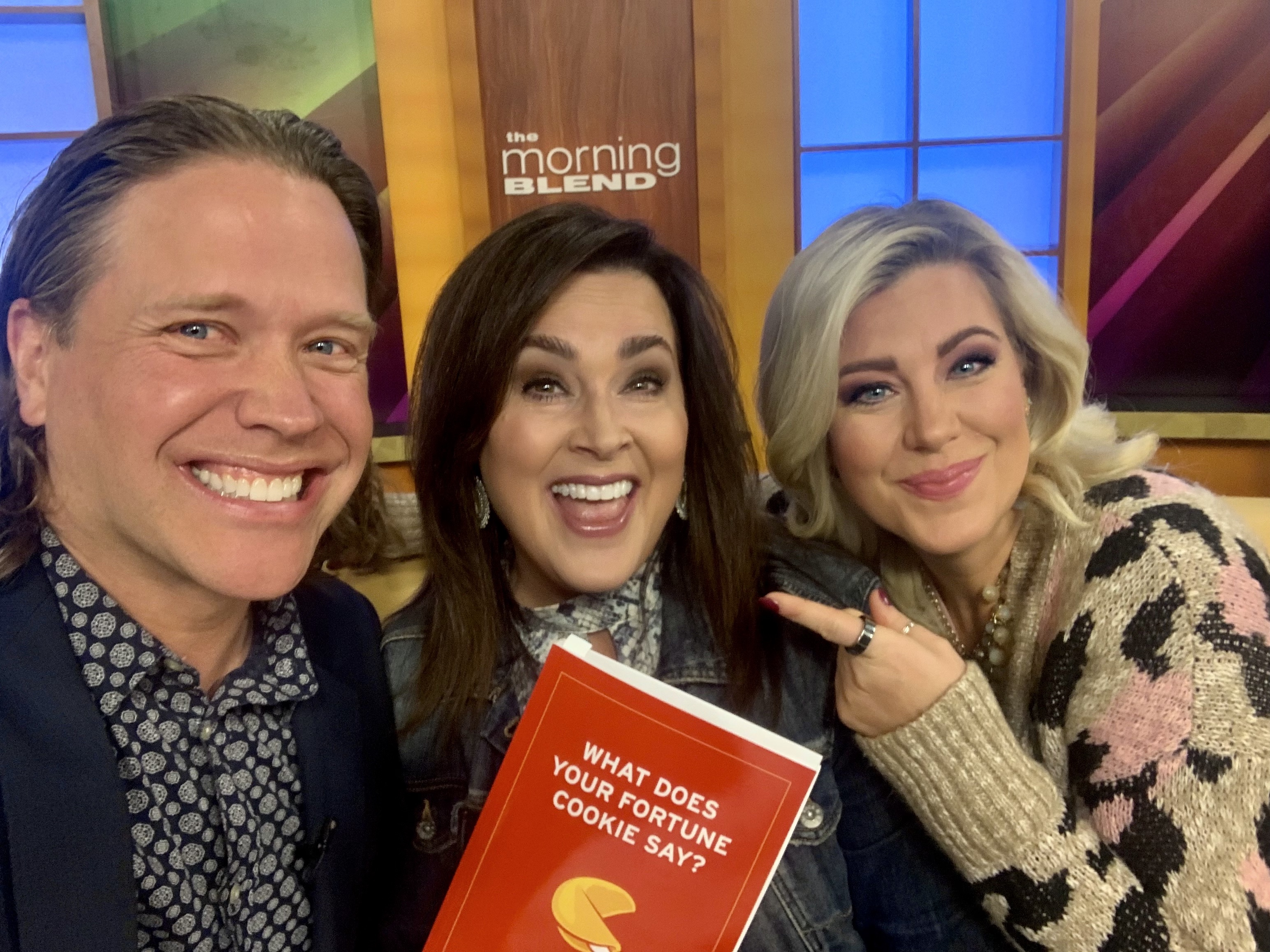
5.I get invited to be a guest. Since publishing my book I have been a guest on countless podcasts. (OK, I could probably count them if I tried really hard, but I haven’t.) I have also been invited to be a guest on the Milwaukee morning show The Morning Blend on NBC countable times: About 8 to 10 appearances.
6.I have been quoted. A cool result of writing a book is that I have been quoted on social media by people I don’t know. I have been alerted of mentions of my name, and when I followed the thread I realized that people I didn’t know shared quotes from the book. I have reached out to some of these people to thank them and find out how they read the quote. Some of them read the book. Others googled for quotes on positivity or other such positive terms. It’s pretty cool to have your work spread like that. Now I know how Jif and Skippy feel when people spread their work.
7.I attend book club discussions. I have never joined a book club. Perhaps because I am a dude, And book clubs have historically seemed less dudey. But I always thought they seemed like a cool idea. Now, every time I hear of a book club reading my book I volunteer to attend the discussion. It’s enjoyable to have conversations with people who read your book critically. And I love it when people share their favorite funny lines from the book. #DepecheMode
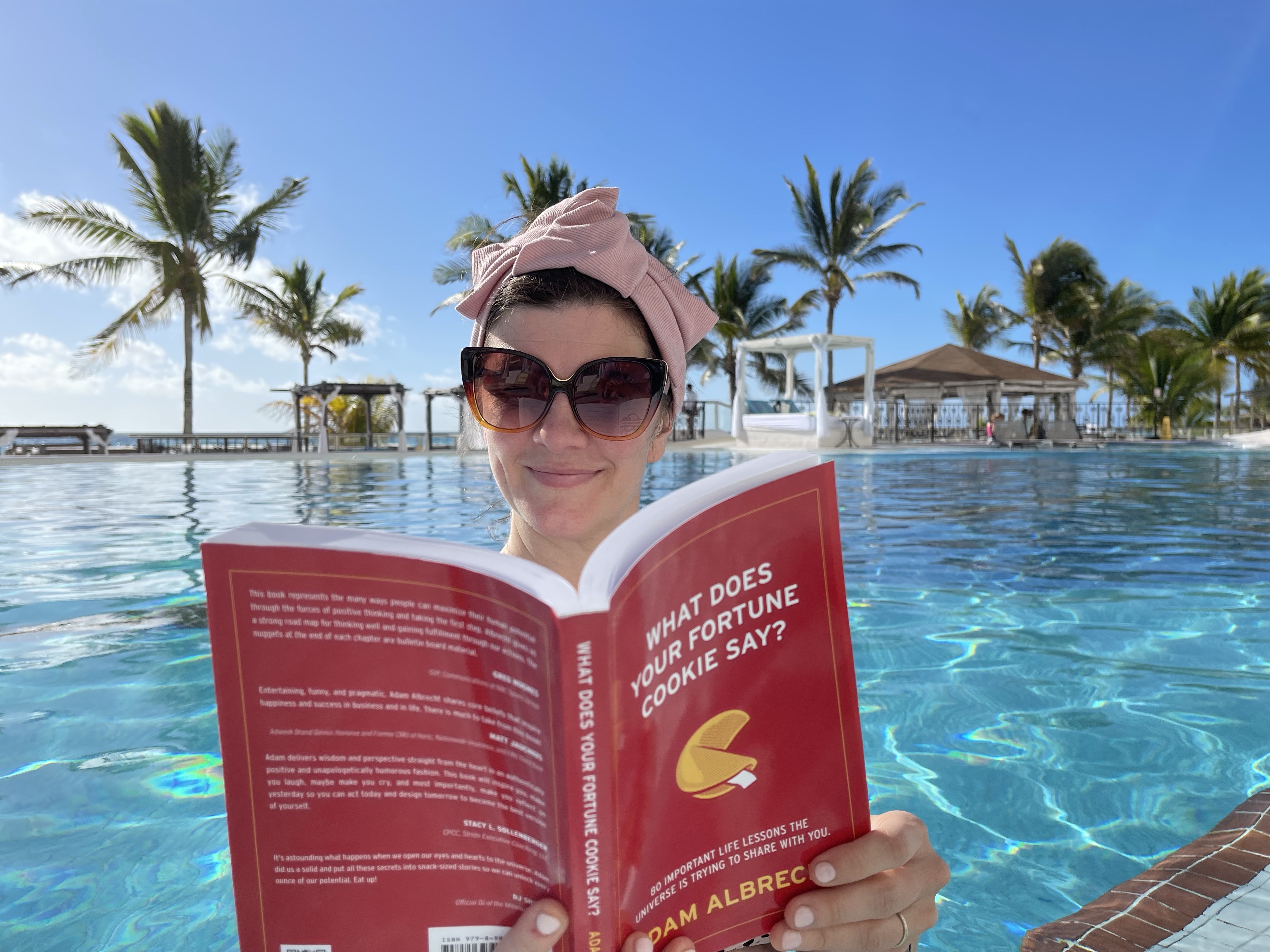
8. I have seen pictures of my book all over the world. Ok, so not North Korea or Antarctica. But, you know, a lot of cool places. People often take my book on vacation and enjoy reading it in some spectacular locales. Then they send me pics or tag me in photos. It is safe to say my book has been to more interesting places than I have.
9. I can buy my book from any bookseller. Initially, my book was only available on Amazon, from my publisher, Ripples Media, or from the trunk of my car. However, now, you can order my book from virtually anywhere. All the online booksellers that I have ever checked now carry it. And all independent bookstores can order it too.
10. I am motivated to write another book. And now I know how to get it done. Now, it’s a matter of when. (I actually already know that too.)
Key Takeaway
Writing and publishing my book has added to my life in many positive and rewarding ways. And the impact continues to compound. Yes, it takes work. But the payoff has been well worth it. If you have considered writing a book I strongly encourage you to do it for real. I am happy to share everything I know. Although the key is to simply open a Google document (or Word doc) and start writing. Then write a little more every day, just like Elvis Costello said.
If you are still looking for a great Christmas present that doesn’t break the bank, please consider giving What Does Your Fortune Cookie Say? If you read this too late to be delivered and you live in the Milwaukee area, reach out to me directly at adam@theweaponry.com. I can hook you up with a signed copy, even up to the last minute. Boom!
*If you know someone who could benefit from this message, please share it with them.
It’s that time of year again. My inbox is full of Black Friday promotional emails. Everyone is offering discounts to get you to spend your hard-earned money with them in their final push to profitability for the 2024 fiscal year. And these great deals have many salivating like Pavlov’s poodles on a pile of bull pizzles.
But I have already picked up the best bargains available this week. And you can too.
Yesterday, I drove to my local Goodwill store with a load of donations. I dropped off 5 boxes of clothes, shoes, toys and other odds and ends that have outstayed their usefulness in The Albrecht Home. (You ever notice it is always the odds and ends that go, and never the evens and middles?)
After dropping my load in the drive-through, I parked my Expedition and walked into the store. I didn’t browse. I headed directly to my usual destination at the far back corner of the store. There, between the obsolete records and DVDs, I found my favorite treasure hunt honey hole: the Goodwill used bookshelves.
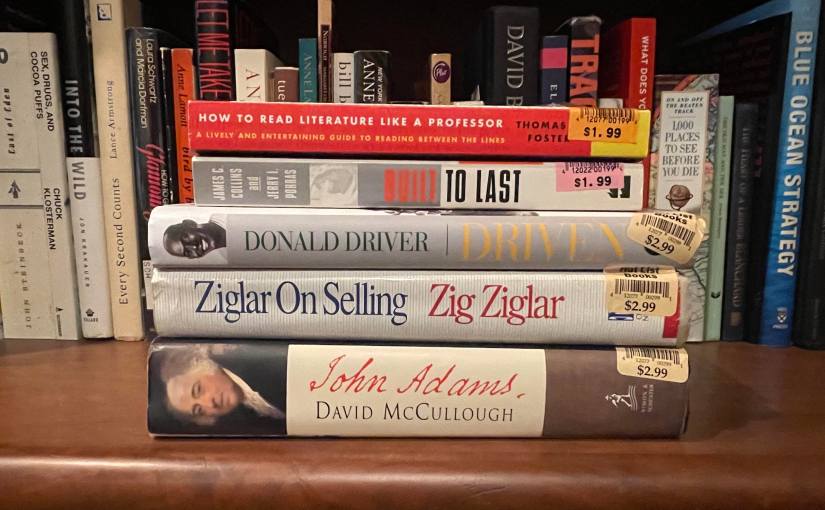
I scanned every shelf, looking for discount gold. I found 5 books, each for sale for between $1.99 and $2.99 that I had to have. I made my way back to the cashier counter and paid for my collection. But I felt like I stole them. Because I only paid $14. And that included rounding up for charity.
For that $14 I got:
Driven by Donald Driver: From this book, I will learn a lifetime of lessons from one of the greatest football players of all time. I expected to be entertained, educated and inspired by a man who went from homeless to Super Bowl and Dancing With The Stars champion. How much would you pay to hear him share his best life lessons? I bet it’s more than $2.99.
Ziglar On Selling by Zig Ziglar:Double Z is known as the greatest authority on selling ever. (In fact, he sold me on that designation.) And in case you didn’t realize, we humans are all selling all the time.) I expect I will pick up lessons from this book that will help translate to millions of dollars of revenue from my businesses, books and speaking engagements. All for $2.99.
Built to Last by James C. Collins and Jerry Porras. From this book, I know I will learn successful habits of visionary companies. Not only because it says so on the cover, but because I have already read this book. But that was before I owned The Weaponry. Now I will reread this great business book with a new perspective that will help my business thrive long into the future. Which is worth far more than the $1.99 I paid.
How To Read Literature Like A Professor, A lively and entertaining guide to reading between the lines by Thomas ‘Bananas’ Foster: This New York Times Bestseller is sure to help me get more out of my reading and understanding of the most important books ever written. And I expect that Foster will have more interesting insights to share with me than when kids used to hold up their 3 middle fingers and tell me to read between the lines. Understanding the deeper meanings of great literature seems like a steal for just $1.99.
John Adams by David McCullough This epic biography of one of America’s Founding Fathers is sure to deliver great inspiration and historical insights. I will learn more about the grit and determination of those charged with creating and fighting for this great nation. And I might finally learn what was up with those powdered wigs. Plus, buying a 750-page hardcover book for just $2.99 means I got more value in burnable paper than I paid for. And that’s before you factor in a full squid’s worth of ink.
Key Takeaway
As you look for bargains this week, don’t overlook books. Books at any price offer immense value. But on sale, or at second-hand-discounts they provide the best return on investment you will ever find.
*If you know someone who could benefit from this message, please share it with them.
Yesterday afternoon was chilly in Wisconsin. The mid-October temperature dropped throughout the day. Dark clouds rolled in. The wind picked up. And I was outside mowing my 1.7 acre lawn in Mequon on my John Deere lawn tractor.
Suddenly the clouds burst open with rain. Big fat, cold drops quickly soaked my clothing. The wind whipped at my face. The obvious discomfort brought a big broad smile to my face, and I just kept on mowing.
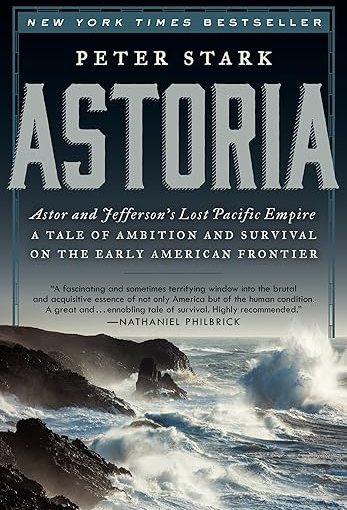
You see, as I was mowing I was also listening to the tail end of the audiobook Astoriaby Peter Stark. This amazing book tells the epic tale of the men and one woman who set off to establish the first American settlement in the northwestern United States in 1811 at what is now Astoria, Oregon. You may know Astoria better as the location where The Goonies was filmed. #pinchersofperil
This adventure had huge influences on the development of the Pacific Northwest, including the discovery of what would become the Oregon Trail and fertile ground to grow grunge music.
Astoria was the vision of famed fur mogul and real estate hoarder John Jacob Astor. Astor wanted to establish Astoria at the northwestern hub of his transcontinental fur trade where the great Columbia River meets the Pacific Ocean with a roiling fist bump. This is just down the block from where the Lewis and Clark expedition spent a miserable winter once they reached the Pacific Ocean at Cape Disappointment. (Note to self: Don’t move anywhere that has the name Disappointment.)
The expedition dealt with unfathomable challenges as the overland party trudged across the continent with resistance at every turn. While others experienced the worst the sea has to offer as they sailed from New York City, south around Cape Horn, to Hawaii, and on to Vancouver Island. Things went bad. Really bad. Which is part of the reason this story hasn’t endured as a great American tale. But it is also the reason the story is so fascinating to read now.
Astoria is one of the top 3 adventure books I have ever read. It ranks up there with Stephen Ambrose’s Undaunted Courage about the Lewis and Clark’s adventure, and Endurance, about the fateful voyage of Ernest Shackleton’s crew to Antarctica.
Key Takeaway
If you like stories of survival, adventure, drama, business, or history you will love Astoria. This instant classic will also remind you that things could always be worse and that you can endure far more than you think you can. All of which makes a little cold rain on your lawn tractor feel like no problem at all.
*If you know someone who might enjoy this book, please share this review with them.
Your network plays a critical role in your success. It is your safety net when you fall. It is your advisory council when you need advice. It is your feeder system of opportunities. And it is how you find a white Ford Bronco when you are running from the law.
Your network helps you tap into the wisdom of wicked smart people with great experience, ideas and philosophies. It has been said that your network is your net worth. Which means that if you don’t have much of a network you likely don’t have much money either.
However, developing a great network of friends, relatives, and acquaintances that can support, guide and share opportunities with you can be hard. It takes time and energy to develop and maintain your network. And your network-developing capabilities can be severely limited by your geography. Just ask Siberian Sergey. Who is Siberian Sergey? I don’t know. He lives in Siberia. Which is why neither of us know him.
The Great Substitute
The best substitute for a strong real-life network of helpful human folks is a great library of books. Think of the authors and the people profiled in the books you read as part of your circle, like Edie Brickell.
Authors generously share a lifetime of accumulated knowledge, experience and wisdom with you for $15- $30. That is a bargain you should snatch up whenever you can, Toucan Sam.
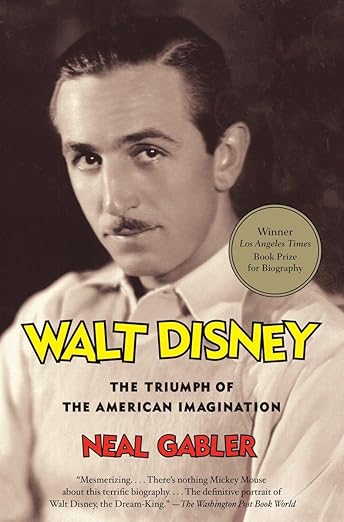
Biographers share the great life stories, lessons, paths, philosophies and mistakes of some of the most successful people to ever roam the planet. So add the biographized to your network. They often have the most to teach. And when you wonder What Would Walt Disney Do? you can quickly get the answer by reading the great biography, Walt Disney by Neal Gabler.
It may be a small world after all, but this book is big. And full of mice.
I have books in my library about Walt Disney, Cornelius Vanderbilt, Steve Jobs, and Ted Turner. They have all provided valuable guidance. And not one of them has slapped me with a restraining order for getting my nose in their business.
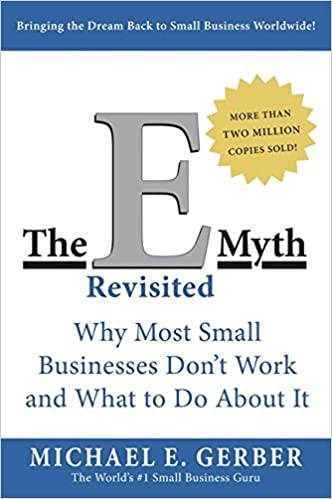
The first book to buy when starting your own business, or once you realize you should have bought a book when you started your own business.
Just look at who reviewed this book for the cover.
The great authors and the biographized icons are ready to share with you what they know. They are never too busy for you. They provide amazing counsel and examples for you to follow. And if you have any subject you want to learn more about you can simply search the topic on Google or Amazon and find the book you need in your network now. (Although you can always buy said book from an independent bookstore in your community. Unless you live in Siberia.)
Key Takeaway
Your network is one of your most valuable assets. But when you need guidance that you don’t yet have in your human network you can often find a great substitute in books. Collect great titles on a great range of subjects to strengthen your network and inner circle of knowledge. And when you find books you find helpful, share them with your real-life network. It is one of the best things we can do for each other.
*If you know someone who could benefit from this message, please share it with them.
Your self-improvement work is not obvious work. It is not showy. No one can watch you do it. It would be pretty boring to watch in a zoo. Or in a red-light district. Because it happens on the inside. In fact, the most important work you do is changing your mindset, your beliefs and your habits. And not just changing. Upgrading.
Upgrading Yourself
Upgrading your thoughts is big. Upgrading your responses is huge. Upgrading your whole operating system changes everything.
This is why education is so important. It exposes you to new ideas that you can incorporate into your own thinking. But it is not enough to educate. The application is where the value appears. So you must first understand that there is a better way, then act in that better way. This is the basic plot of the movie Billy Madison. (This classic film also includes important reminders of the power of nepotism and some top-shelf potty humor.)
The More You Learn…
Develop the habit of learning new ideas. This is done through curiosity and a desire for self-improvement. It will lead you to seek and find new and better sources of information. You’ll find it in classes, books, articles, podcasts, blogs, videos, experts, and fortune cookies. (And even in books about fortune cookies.)
Apply Your Knowledge
Once you have better information, it becomes knowledge. Applying your knowledge in your various roles makes you a more valuable contributor.
Think about everything that you know you should do today. Eat right. Sleep well. Exercise. Read. Work in focused and productive ways. Invest in your relationships. Invest your money. Give back. See a doctor. Floss. Close your barn door. You and everyone else on the planet know that you should be doing those things.
But are you doing them?
There are two types of people:
People who know the basic actions they should take. (This includes nearly everyone.)
People who take the basic actions they know they should take. (This includes far less than everyone.)
This means that basic action is the great separator of people. But go beyond the basics. The things everyone knows they should do. Self-education helps you level up. It helps you discover the other things should you be doing if you want to be even more valuable in your career, as a spouse, parent, or friend. What is the next level of health and fitness? What is the next level of investing? Or productivity? Or spiritual enlightenment? That knowledge comes from more curiosity and more self-directed learning.
Just like a pyramid, that may or may not have been built by aliens, there are fewer and fewer people at each level as you ascend. Which means that the success pyramid is really a matter of attaining knowledge and then applying that knowledge. To take a full step higher you have to do both: attain and apply. Because it is the person who applies their new knowledge and self-improvement that is ultimately successful.
Key Takeaway
Always be learning. Educate yourself on new and better approaches to all areas of life and work. This is the invisible work of self-improvement. Then put that knowledge into action. And when you do it will change your life in ways that everyone will see.
*If you know someone who could benefit from this message, please share it with them.
I love to read. Like most people, I was born highly uneducated. Reading has become an instrumental part of my master plan to overcome my early shortcomings. I love to learn and to become inspired. And if you are reading this I expect you do too.
I like reading classic literature because it makes me feel worldly. I liked reading the first three Harry Potter books because they made me feel magical. But then I realized my time is too scarce to read four more books about a fanciful wizard boy.
Today I read a lot of books on self-improvement, business, and biographies. I also read healthy portions of magazines like Fast Companyand Inc. because I find them both creatively stimulating and educational. Plus I like the pictures.
Several years ago I read an interesting quote from Charlie “Tremendous” Jones that said, “You are the same today as you’ll be in five years except for two things: the books you read and the people you meet.” And this reading about reading encouraged Adam “Ordinary” Albrecht to read even more.
But there is also a potential danger in reading. And not just the threat of papercuts and eye strain. I have found that too much reading can lead to too little doing. If I fill all of my time with learning and inspiration I leave no time for action. Like the career student who seems to know everything but does nothing.
If you find that you are reading and learning, but not actually putting your learnings into action, follow this simple rule of thumb that influences my reading today:
Read just enough to learn something new and become inspired. Then act on it.
This simple rule has helped me accomplish more. I’ve wasted less time. And I’m more excited about my work.
I think of reading now like a pregame speech. One that I listen to just long enough to become properly motivated. And as soon as I am lathered up I jump to work, acting on the inspiration.
That’s when I start writing, planning, structuring, detailing, calling, creating, wizarding or potioning. When I have one hour available, instead of one hour of reading, I can do 10 or 15 minutes of reading. Then I can spend the rest of the hour implementing. Which means that the return on that one hour is significantly higher than it would be from reading alone.
I use my reading to prompt action. This approach has been vital to my experience as an entrepreneur and Founder of The Weaponry. It has empowered me to author What Does Your Fortune Cookie Say? and my current writing projects. And it is the driving force that has inspired more than 960 blog posts. Because reading is not the goal. It is just the beginning.
Key Takeaway
Reading is a great way to learn and grow. But putting your new knowledge into action is far more valuable. For the next week, I encourage you to read enough each day to want to do something new and exciting. Then do it. Then repeat the process. And let me know how it works for you.
*If you know someone who could benefit from this message, please share it with them.
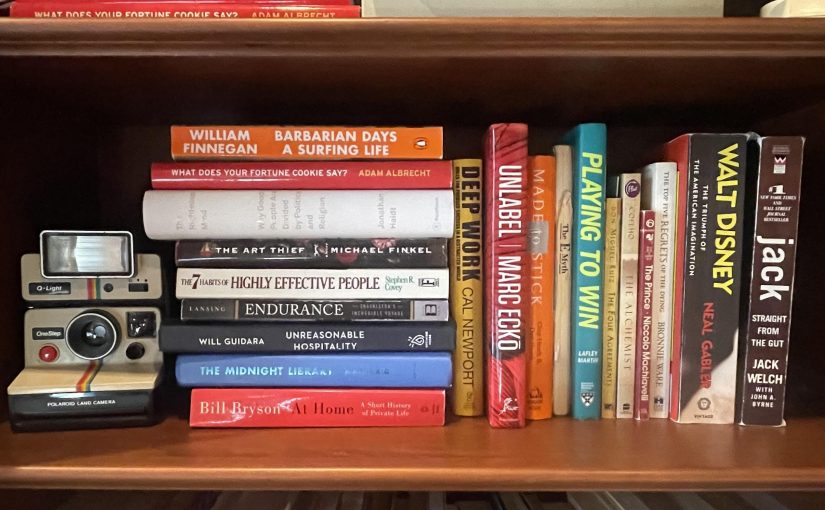
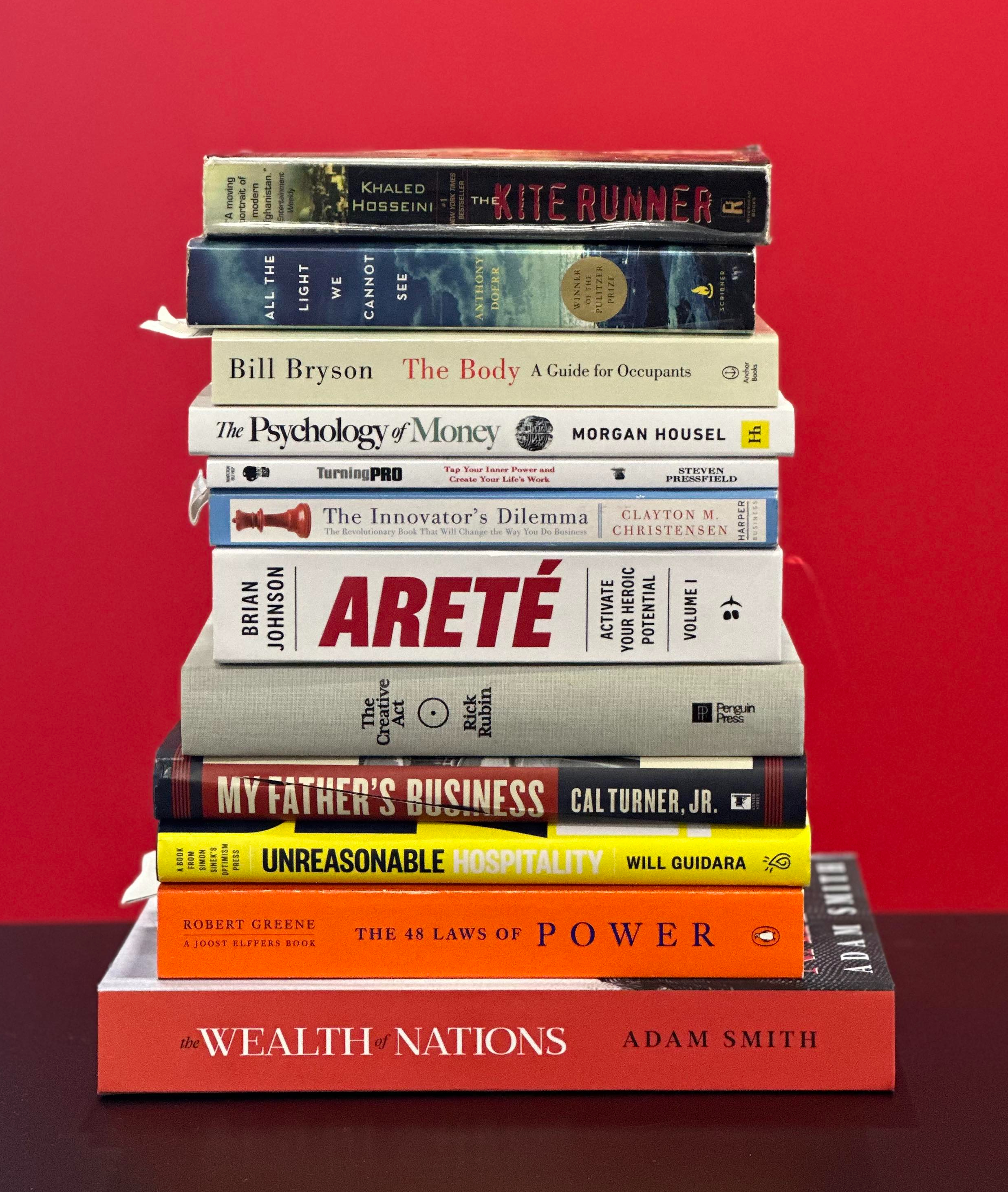
Some people are Sneakerheads. Others are Deadheads. I am a Bookhead. I collect books. I organize them. And I display them. As a result, I always have unread books in my home. So at the start of 2023, I collected 12 physical books from my personal library as my reading list for the year. It was interesting to look at the mini-library and know that I was expected to plow through the stack over the course of the year.
Having a stack of 12 books also gave me a defined list to choose from each month. It allowed me to decide if I was going to take on something big and meaty or smaller and lighter each month. Then I also decided to read 12 audiobooks that were random and unplanned. Or what I call Nick Cannon-style.
Like disciples, eggs, and donuts, my books come in twelves.
So I am back with a new stack of 24 books in ’24. (Which is wicked symmetrical.) This time I went a step further and predetermined both the Let’s Get Physical books and the Big Audio Dynamite books. Here are the lists, and why I chose each title.
My 12 Let’s Get Physical Books
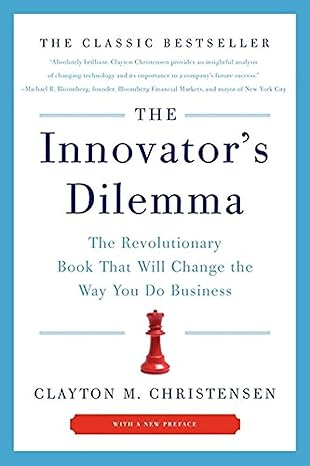
The Innovators Dilemma by Clayton M Christensen:
Because I enjoy a good dilemma. Which sounds like a contraction of Dali Lama.
This book is the foundation of economics. Plus I dig authors named Adam.
My 12 Big Audio Dynamite Books
This week I discovered that Spotify Premium allows you to listen to audiobooks. This is a total game-changer. Because I love audiobooks, but the library app I use to listen to them limits my time with each title. And I often have long wait times to listen to popular titles. So I am expecting 2024 to be my best year of audiobooks ever, both in terms of quantity and quality. Here are the books in my audio library.
This title is so silly I have to hear the story behind it. Plus, I get a lot of great book recommendations from Ryan Holiday, whose name I always say like Madonna would. I expect all of his books to be good too.
I want to be useful. I would also like to have as many useful tools for life as I have dwarfs.
Key Takeaway
Reading is an important part of your self-improvement plan. Your self-directed education adds to your world knowledge, increases creativity, and enhances both your vocabulary and writing skills. Create a reading habit that works for you. Start small. And once you recognize how much it helps you will naturally find ways to read more.
*If you know someone who could benefit from this list, please share it with them.
One of the most important things I do each year is read. It is the primary source of my self-directed education. Reading not only makes you smarter, but it also increases creativity and vocabulary. It provides an endless source of insight and inspiration. And when you read you are ensuring that all those trees and little ink bugs didn’t die in vain.
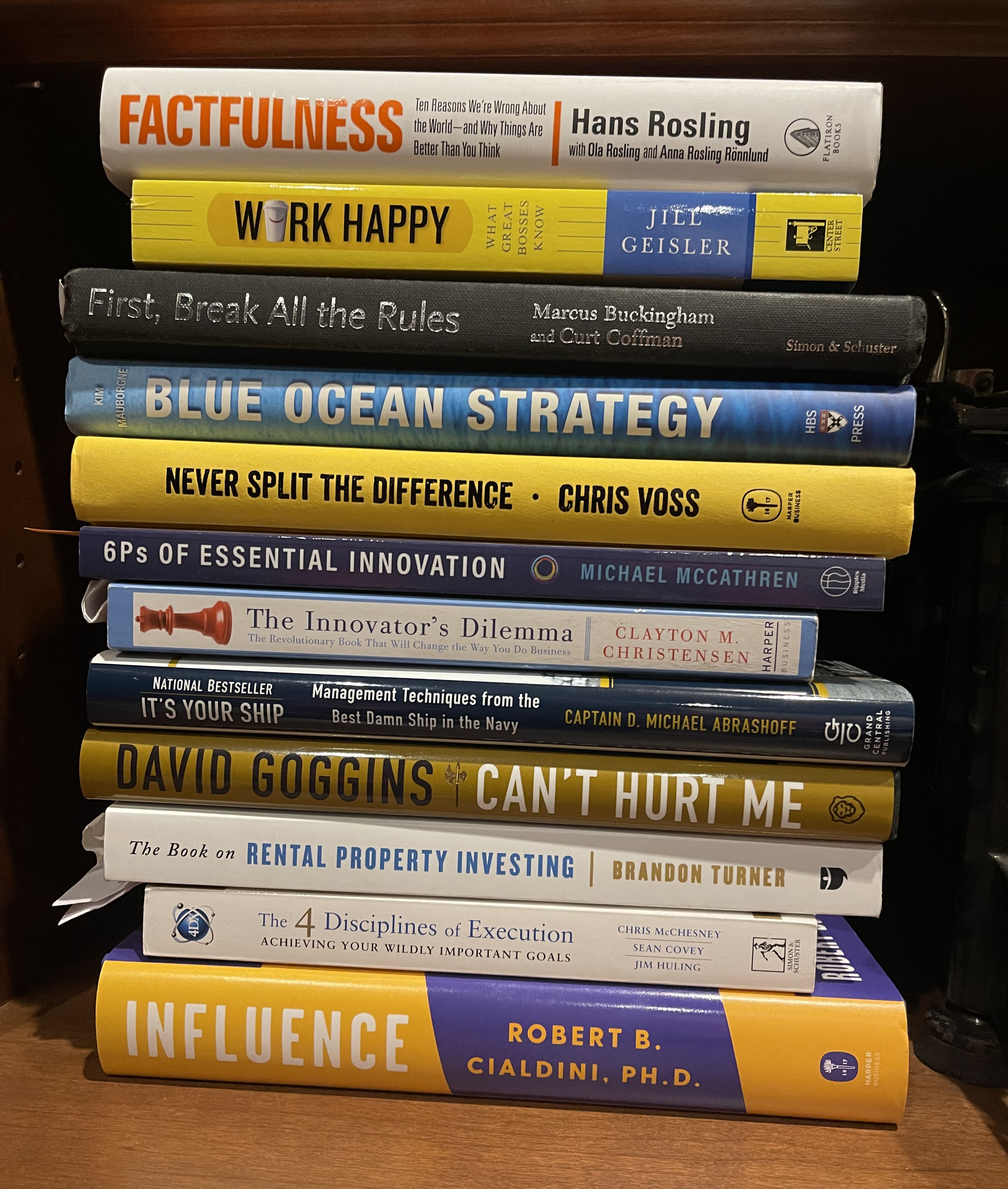
I set a goal at the beginning of 2023 to read 12 physical books and 12 audiobooks. I also did something new this year. I gathered the 12 physical books I wanted to read into a stack before the year started. This gave me a visual goal and a library to choose from each month. The results were interesting. Of the 12 books in my 2023 stack, I started 11 but only finished 7 of them. Waa-waa…
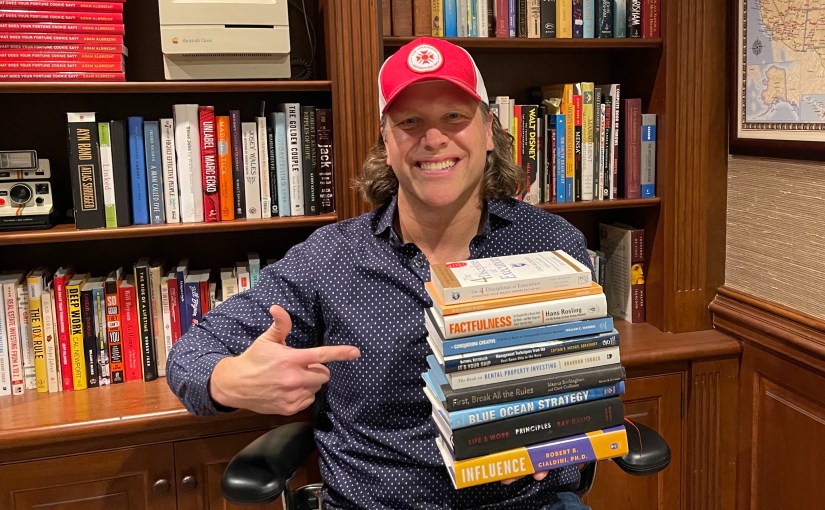
Here is my original stack for 2023. I started all by Work Happy. I finished 7 of the 12.
However, in total I read 41 books, far exceding my goal. I have read that the average CEO reads 52 books a year. Which means I am below average. But I’m guessing the average CEO doesn’t also coach youth football and high school track, so cut me some squash.
One of the keys to my larger reading total this year was adding shorter books into the mix. These are books of about 60 to 150 pages. I find that these books are no less valuable than the longer books, but they have less filling, and taste great.
Here are the 41 books I read in 2023 year, in chronological order. (I find chrono to be among the most logical.) 8 of these books are rated AA, which is the highest rating on the Adam Albrecht reading scale. Everyone should read these.
Adam Albrecht’s 2023 Reading List.
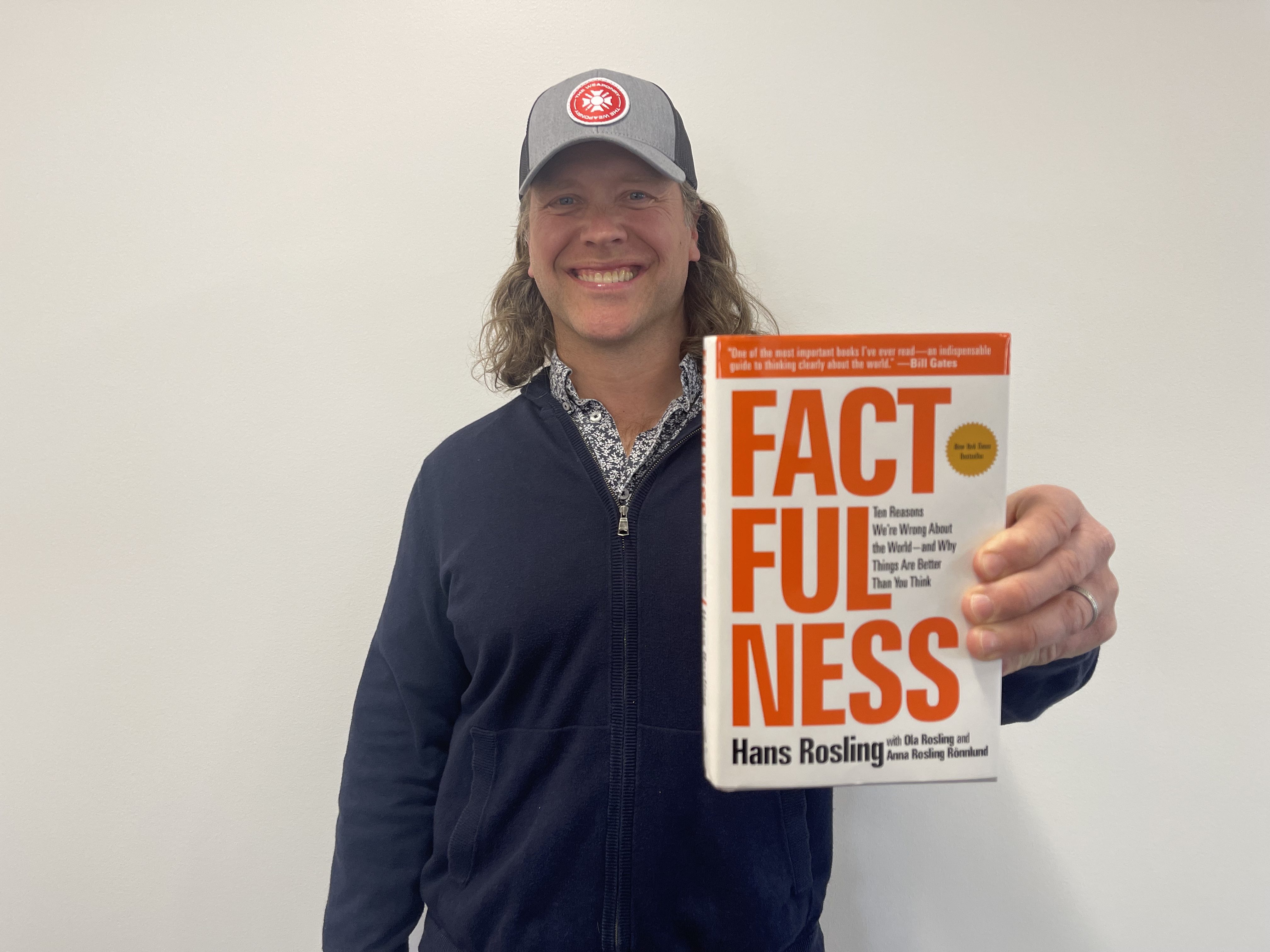
Factfulness was my first book of 2023 and one of the best.
Factfulness by Hans Rosling: I loved this book. It is a fact-based, data-based look at the world. And it is full of charts that show how the world is steadily getting better for everyone on nearly every measure. It is a great read for everyone except those who truly want to believe the world is bad and getting worse. I wrote a full review of this book you can read here.Rating. AA
The Alchemist by Paulo Coelho: This is an inspirational parable about finding your personal legacy and how the whole universe is trying to help you get what you want in life. I first read this right before I started my entrepreneurial journey. I don’t know if I would have become an entrepreneur without it. (I may have become a shepherd.) Everyone should read this book. Rating AA
The Power of Now by Eckart Tolle: This book is a guide to enlightenment. It is deep. Like ocean-deep. It teaches you how to avoid pain and suffering by living in the now. I really enjoyed it. Because I am deep. Like Johnny Deep.
The 4 Agreements by Don Miguel Ruiz: This is a great shorter book about how to make and keep agreements, and commitments. It provides a short and simple code of conduct that has the power to transform your life. Plus I learned about Toltec wisdom. I was surprised to learn it is not the technology they use at toll booths. (But it should be.)
Guide Coaching by Stacy Sollenberger, Monique Honaman and Ellen Dotts: Written by my friends Stacy Sollenberger and Monique Honaman, this book teaches you how to be a great leader by coaching your people. Which is different from mentoring, advising, or dictating. It’s short and valuable. Like a Leprechaun.
Man’s Search For Meaning by Victor Frankl: This is a book about finding meaning and purpose in difficult times. Frankl shares his story as a Nazi concentration camp prisoner. It is a remarkable book on psychological thought. It is both heavy and inspirational at the same time. Like the Buddha.
The 12-week Year by Brian Moran and Michael Lennington. This book teaches how to shorten your goals and working timeframes to 12 weeks to get more done. The 12-week time frame keeps goals in mind and the pressure on yourself and your team. Whereas a 12-month year can have too much dead time. It’s a very good idea.
Father and I Were Ranchers by Ralph Moody This is a light and entertaining book about a boy’s experience growing up on a ranch in Colorado. Since Farmer Boy by Laura Ingalls Wilder is my favorite book of all time I really enjoyed this. It made me feel like a kid again.
Night by Elie Wiesel: This book won the Nobel Peace Prize. It is short and powerful, like Man’s Search for Meaning. Wiesel also shares his account of his Nazi concentration camp experience. Spoiler alert: it was horrible. But there are important lessons to be learned.
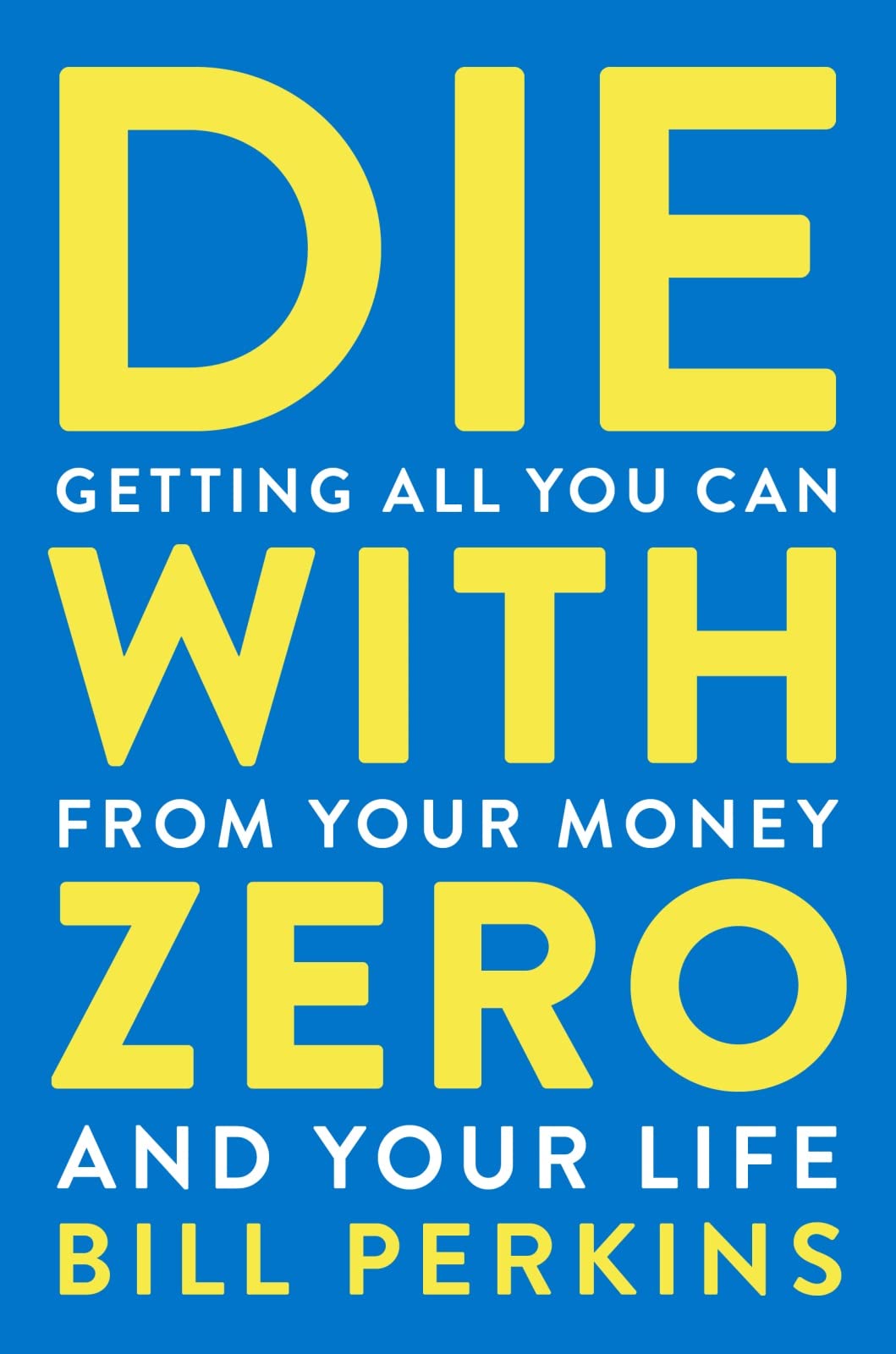
I listened to this thought-provoking audio book on Spring Break And it made me want to quit my job and spend all of my money.
Die With Zero by Bill Perkins Perkins proposes an interesting life philosophy to spend all of your money during your lifetime. The crux of the philosophy is that you shouldn’t spend any of your precious time working for money you won’t need. More importantly, it opened my eyes to the limitation of spending your money past a certain age when you can no longer do things that cost a lot. This book will really make you think.,
Greenlights by Matthew McConaughey This book was more than alright, alright, alright. I listened to it as an audiobook and highly recommend that format because you get to hear McConaughey bring the book to life. It is both autobiographical and philosophical. It is definitely interesting and inspirational.
It’s Your Ship by Captain Michael Abrashoff Captain Abrashoff tells the story of taking command of a terrible ship and turning it into the model of ship-ness for all of the military to envy. There are great lessons that can be applied to any organization, team, or business. The book provides a reminder that great leaders can effect great change. And that we all need to get our ship together.
The Power Of One More by Ed Mylett: I have listened to the Ed Mylett podcast for years. His book has more of the same good content including life lessons and philosophies on success and overcoming adversity.
I loved this little book about the power of timing. I think about it all the time. Even when I’m using thyme.
When by Daniel Pink This book is about the scientific facts, secrets and finding of perfect timing. There’s a lot more to getting the timing right than you thought. I found the insights fascinating. And I would read anything Daniel Pink wrote.
Living on a Smileby Jo Ann Herold: Jo Ann is a fellow Ripples Media author, like me. Her book reflects on her life and career and the positive influences she’s had along the way.
The Conquering Creative by William Warren: William is also a fellow Ripples Media author. He shares his personal story of young William as an art school student who became afraid to pursue a career as an artist. But after a few years in a corporate job, he decided to follow his passion and create a creative career. He now leads a thriving creative business. He shares tips and tricks to help other creatives do the same. As a creative-turned-entrepreneur myself, I endorse this book as a great how-to.
Rocket Fuel by Gino Wickman and Mark Winters: This book is about the power unleashed when great visionary leaders team up with great operational leaders. It creates Rocket Fuel. Elton John would find it useful.
Think Againby Adam Grant: Grant shares interesting insights about the power of rethinking what you thought you knew. It is about being open to new information. And about how the world is actually filled with complicated dilemmas rather than rights and wrongs. It’s a great book to read during an election year. Oh looky, we’re in an election year!
Mentoring 101 by John C Maxwell: The great leadership expert Maxwell shares insights into mentoring, which is a specific kind of leadership. Hence, the title.
How Successful People Thinkby John C. Maxwell: Here Maxwell shares collections of commonalities among successful people. He shares the importance of big-picture thinking, creative thinking, and shared thinking to shape your life for the better.
There’s a reason this book was a #1 National Best Seller. (Because it sold the best in the nation.)
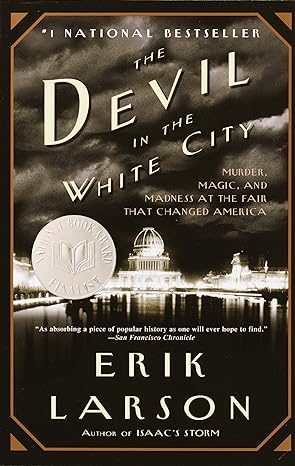
Devil In The White City by Erik Larson: This book is amazing! I have owned it for a long time and heard how good it is. But only read it this year. It is about the 1893 Chicago World’s Fair. The book tells the true story of how the fair happened against all odds, and about the serial killer who preyed on those coming to Chicago. (Note that preyed is very different than prayed.) This is Rated AA
You Get The Agency You Deserve by Jared Belsky: Jared is another Ripples Media author. He has led multiple advertising agencies and shares lessons about how great clients get great work out of their agencies, how bad clients get bad work, and how anyone can become a great client and get great work from their agency.
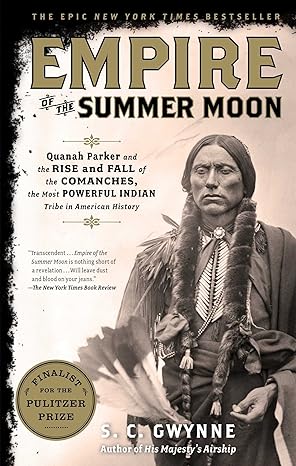
I knew nothing about the history of the Comanches. This book was a reminder of the very narrow accounts of American history most of us know.
Empire of the Summer Moon by S.C. Gwynne: This is a fascinating book about the rise and fall of the Comanche Indians, the badest Indian tribe of them all. And the last to be conquered in America. It is a great book that teaches real history that goes far beyond what we learned in school. Rated AA
Grit by Angela Duckworth: Duckworth shares her important work on the power of grit on success and achievement. This is important stuff to know. And surprisingly, there’s no sandpaper.
Molly’s Game by Molly Bloom. The True Story of the 26-Year-Old Woman Behind the Most Exclusive, High-Stakes Underground Poker Game in the World. I had seen the movie. The book is better. The story is incredible. And Bloom is a force that could probably do anything she set out to do. Rated AA
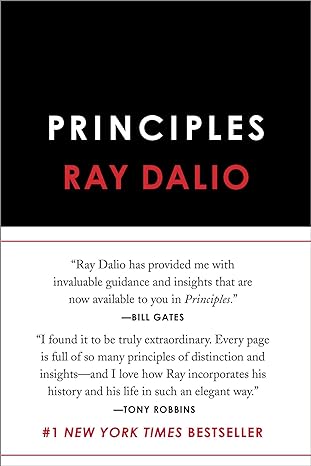
Check out the dudes who endorse this book on the cover. You probably don’t need to read my endorsement below. Just click the link and buy it.
Principles by Ray Dalio: Dalio is one of the richest dudes on the planet. He made his money through the hedge fund he created, Bridgewater Associates. More impressively, Dalio has amassed a broad range of important principles to be applied to life and work to be most successful. I loved this book and all the great knowledge it shares. Rated AA
Year Of Yes by Shonda Rhimes: Shonda Rhimes (No relation to LeAnn) is the creator of such cultural hits as Grey’s Anatomy and Scandal. After a pivotal moment in her life, she decides to say Yes! to everything for a year. The book is the story of what happened as a result. Also, Rhimes went to college at Dartmouth in Hanover, New Hampshire, where I went to high school. So I dug all of the hometown talk in this book. If you are a no-sayer, check this book out. (And also read it.)
Wake Up Happy by Michael Strahan: This is a biography of the NFL football star and TV show host. He shares his unique journey to the NFL. And how he got all of his TV opportunities, despite some speaking challenges.
Blue Ocean Strategy by W. Chan Kim and Renee Mauborgne: This is a great business strategy book that maps out how to create Blue Oceans, areas without direct competitors, and avoid Red Oceans, highly competitive spaces that turn into bloodbaths. That just went dark, huh? This is a great business book. It’s underwhelming if you are reading it to learn about great beaches.
The Power of Regret by Daniel Pink. Pink writes insightful, data-backed gems about how looking backward moves us forward. He inspires us all to learn from the past to create a better future. I really enjoyed this book and don’t regret reading it at all. Nor do I regret not getting any tattoos. If you are thinking about getting some new ink I suggest you read this first.
First, Break All The Rules by Marcus Buckingham: Another great business book, this book dives into what really separates great managers from everyone else. Studies have shown that they have a fundamentally different way of getting the best out of their people and the roles they fill.
Killers of The Flower Moon by David Grann: Now a hit movie starring guys from Meet the Fockers and The Wolf of Wall Street, this book is about the Osage Indians, a rash of unexplained murders, and the birth of the FBI. The book is great, and a real eye-opener to a chapter of American History I knew nothing about. The book is great if you like to read about murder or history. There is less about flowers and moons than you might have guessed based on the title.
The Subtle Art of Not Giving A Fuck by Mark Manson: I guess this book was about the power of not giving an F. The title was the best part of the book. I didn’t get it. Based on ratings and reviews, other people really liked it. But it was the only book I read last year that I didn’t enjoy or wouldn’t recommend. Maybe it’s because I am not subtle. And because I do give an F.
Years ago, my friend David Grzelak told me he read these books with his kids and loved them. This has been on my to-read list ever since. Turns out this book was much easier to read than the name Grzelak.
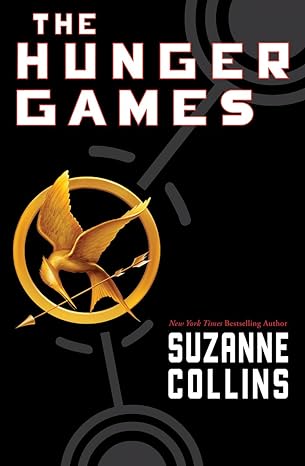
The Hunger Games by Suzanne Collins: I loved this book! This was one of the few fiction books I read this year. I had seen the movie, and the book was even better. It was highly entertaining and thought-provoking. It reminded me of Running Man with Arnold. But with a young lady hero leading a fight to the death, and fighting against the evils of the society she lives in. I was hungry for more Hunger Games, so I got the other 3 books in the series for Christmas. Rated AA
The Journey of the Crescent Penny by Curt Reynolds: My friend Curt wrote this interesting little book about a misprinted penny, and what happens to each of the people who receive the penny. The ending provided a total surprise, and I hope Curt writes a sequel because I have to know what happens next.
This story is crazy! Which is why it has been turned into multiple shows.
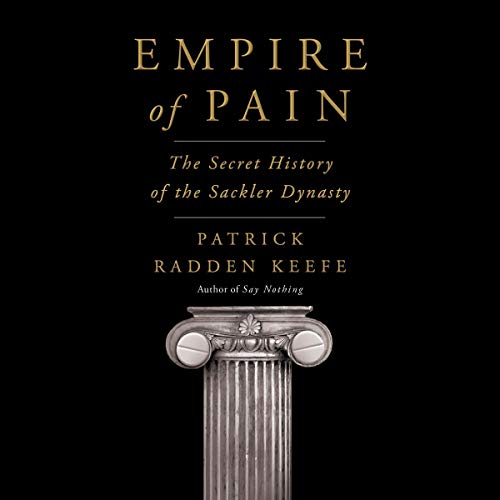
Empire of Pain by Patrick Radden Keefe. This book tells the story of the Sackler family dynasty. The family dynasty is based on riches made off of pain medication. The Sacklers and their little business, Purdue Pharma, created Oxycontin, and the opioid crisis. This is a fascinating book on how money corrupts. Rated AA
Kobe by Nelson Pena: This book is about the life and legend of Kobe Bryant. It provides lessons we can all learn from the unique and obsessed approach Kobe brought to everything he did. I found it interesting. I have had a challenge with the Kobe hero worship since his incident at that Colorado hotel. But this book helped me see why others like him so much.
Influence by Robert Cialdini: This book provides a highly scientific explanation of the various forms of influence and how we can use them both personally and professionally. There is a lot that can be applied to marketing, advertising and sales, which are all areas of Cialdini’s specialty as a college professor. The book was dense with information and insights, like a serious college textbook. Expect to learn a lot from reading this. But don’t expect to read this tome in a weekend.
Originalsby Adam Grant: This book dives into what sets truly original thinkers apart. It all starts with rejecting the most commonly held approaches and assumptions and exploring better options. The book dives into who has done this well and how you can apply their approaches to your life.
Key Takeaway
I am a fundamentally different person today than I was a year ago because of these 41 books. Create your own stack of books to read to help you learn and grow in 2024. Share what you like with the rest of us. It’s how we all get better together.
*If you know someone who could benefit from this message, please share it with them.










 Adam Albrecht Blog