A blog about self improvement, creativity, entrepreneurship, and advertising.
Author: Adam Albrecht
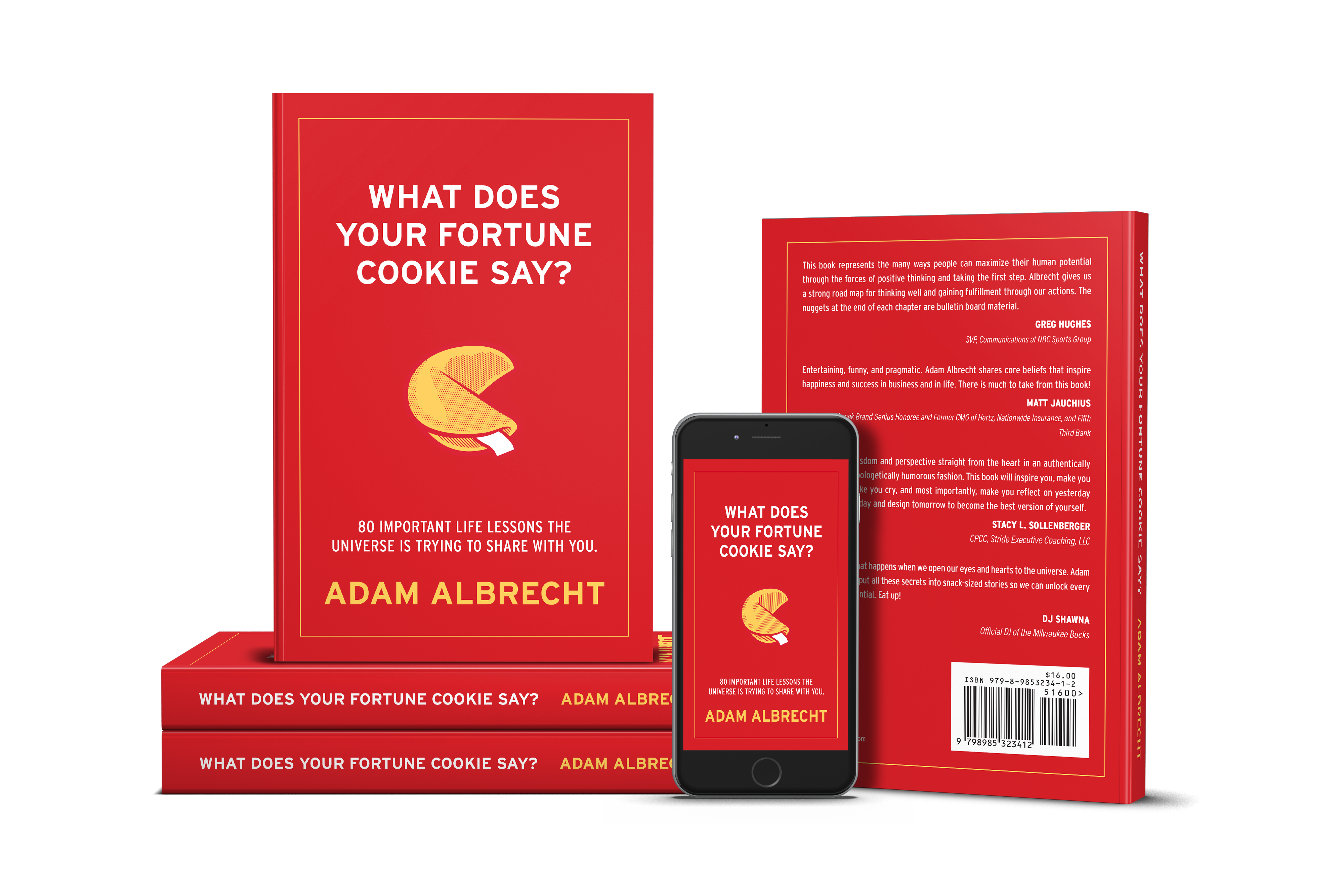
Adam Albrecht is the Founder and CEO of the advertising and idea agency, The Weaponry. He believes the most powerful weapon on Earth is the human mind. He is the author of the book, What Does Your Fortune Cookie Say? He also authors two blogs: the Adam Albrecht Blog and Dad Says. Daughter Says., a Daddy-Daughter blog he co-writes with his 16-year old daughter Ava. Adam can be reached at adam@theweaponry.com.
There are 2 main time frames you must always consider: the short-term and the long-term. (There may also be one in between those 2, but I have no idea what it would be called.)
The short-term is full of basic needs, primal desires, and eating the first marshmallow they give you. The short term is about scrolling social media, watching TV, and eating stuff with ingredients you can’t pronounce.
The long-term is where the magic is. Long-term thinking, planning, and preparation enable you to create a great life. It enables you to build momentum. It helps you create things that last. And it empowers you to change the world.
Efforts focused on the long term create the most significant return on your invested time, energy, and money.
Consider this quote from famed landscape architect Fredrick Law Olmsted (the original FLO) who created New York’s Central Park, Montreal’s Mount Royal Park, the grounds at The Biltmore Estate, and the landscape at the Chicago World’s Fair:
I have all my life been considering distant effects and always sacrificing immediate success and applause to that of the future. In laying out Central Park we determined to think of no result to be realized in less than forty years.”
– Fredrick Law Olmsted
Key Takeaway
Always think about what you can do over the long term. Consider what you can create, contribute and change over your lifetime, and beyond. Be willing to make sacrifices in the short term to magnify your impact deep into the future.
*If you know someone who could benefit from this message, please share it with them.
Great opportunities are created through your interactions with other people. This means that your engagement with other humans is core to your experience on the planet, and presumably on the international space station.
However, before you can develop new friends, partners, collaborators, employers, employees or supporters you need to be discoverable. Like a Bluetooth device. And the easier you are to be found the easier it is for opportunities to find you.
The best way to be found is to do the opposite of what you would do if you were on the FBI’s Most Wanted List. Or Sasquatch. Or Olivia Newton John’s ex-husband. Because to be discovered by others, you must do things that raise your profile so that you ping on other people’s radars.
You can be discovered in a few simple ways.
Show up. Be visible in the real world. Go to events. Be seen in public. Meeting people for meals or beverages isn’t just about showing up for the person you are meeting with. It is also about raising your visibility to everyone else at those establishments. This creates both a higher level of awareness and chance encounters. It increases your level of familiarity with others. That is where real relationships start. It’s also why the Loch Ness Monster never gets invited to birthday parties.
2. Share messages. Create and share your messages with the world. Make them easy to find. This includes blog posts, columns, letters to the editor, news releases, message board posts, podcasts, and video content. You can share social posts on any and all social media. Comments in those same places too. This makes it easier for people to see your name, your ideas and your personality. By sharing your messages you are reaching many people at the same time. This could be dozens, hundreds, thousands, or even millions of people simultaneously. Which is much easier and more scaleable than sharing your message one-on-one, like Hall and Oates.
3. Talk Value. This happens when you do something good, interesting, surprising, or noteworthy, and others start to talk about you when you are not around. This means that others are amplifying your message for you. When others share messages about you, recommend you, promote you, wonder about you, ask about you, or admire you aloud, your message spreads far beyond your ability to share on your own. This is how people like the Kardashians, Mother Teresa, and Santa got famous.
Key Takeaway
Great things happen as a result of awareness. Make sure you are being seen, heard, and talked about for the good things you do. That’s how great people and great opportunities discover you.
*If you know someone who could benefit from this message, please share it with them.
But the true value of experience does not come from the experience itself. After all, Elizabeth Taylor had a great deal of marriage experience thanks to her 8 trips down the aisle. And Nick Cannon has a great deal of parenting experience thanks to the 11 kids he’s sired with 6 different women. But few of us would turn to either of them for quality advice on marriage or parenting.
The true value comes not from the experience itself, but from the time we spend reflecting on the experience. It comes from the evaluation of what did and didn’t work. It comes from considering the constants, the variables, and through reflection, the results. (Although I have also found True Value in those cute neighborhood hardware stores.)
It’s your reflection that creates learning and understanding. That’s when the value is gained. You don’t need to have a good experience to learn and grow. In fact, you will often learn more from a bad experience. Because it is the evaluation process that alchemizes both good and bad experiences into valuable experiences. Which means the only experience your won’t profit from is the one you don’t examine.
My friend Anne Norman once called me a master of self-reflection. I was surprised to hear her evaluation. Although, once I reflected on her comment I recognized that I do indeed make self-reflection a priority. It is the engine that drives my self-improvement journey. It is my greatest entrepreneurial asset. It inspires my writing. And it helps me recognize when I have a bat in the cave.
Key Takeaway
Experience is not inherently valuable. Your evaluation of the experience creates the long-lasting value. Take time to reflect on your experiences to understand why you got the results you did. Repeat the actions and behaviors that contributed to good outcomes. Eliminate those that contributed to bad outcomes. That’s how you convert experience into wisdom. And applied wisdom creates the greatest value of all.
If you know someone who could benefit from this message, please share it with them.
If you want to get better at anything it is important to understand the self-improvement process. Like a week, and a house full of dwarfs, it is made of 7 parts.
1. Desire is the root of all self-improvement.
If you have no desires you have no life force pushing you to improve or achieve. Or reproduce. So make sure you have a desire. Like U2. Or that streetcar in New Orleans.
2. Your desire leads to goals.
Goals are your wants clearly stated. This gives you a target. Which provides focus and direction. Or obsession. Like Calvin Klein.
3. Goals lead to plans.
Plans define a course of action to bridge the gap between you and your goals. The plan declares how you will get to your goal. It determines how you will change yourself or the world to obtain your goal. So make sure you plan, Stan.
4. Plans drive your calendar.
Your calendar determines what you need to do and when. The when, or the time you carve out to act, is critical. Time is the stage for change. You must first find and protect the time needed to act. Just like an Under Armor athlete must protect this house.
5. Your calendar drives your actions.
Action is the key ingredient of progress. It is the doing. Action is the step on the 1000-mile journey. Repeated actions create habits. Habits create more action. And more action and more action, Jackson.
6. Your actions drive your results.
Your actions create progress and momentum. Actions build the bridge. As you build the bridge you reduce the gap between you and your desire.
7. Your results deliver your desires.
Performing the right actions for long enough will create the results needed to attain the things you desire. Keep going. And keep investing your time until you get what you want.
Key Takeaway
Desire –> Goal –> Plan –> Calendar –> Action –> Result –> Attainment
Remember, the process is simple. Not easy.
If you know someone who could benefit from this formula, please share it with them.
The end of the school year is award season. There are awards for academics, music, sports, volunteering, spirit, and my personal favorite, attendance. I love rewarding great achievement, attitude, and general showing-upness.
But we can present the awards in a better way.
There is a common practice of awarding Nancy Drew-style. In this practice, we present the person without a name, and everyone in attendance has to guess who the mystery achiever is. The Nancy Drew-style presentation goes something like this:
This year’s recipient is an exceptional kid who has worked extremely hard. They are funny like Kevin Hart, caring like Mother Theresa, and more importantly, have had perfect attendance. They are one of my favorite kids ever. They will probably become the President of the United States, win a Nobel Prize, or even better, become a You-Tuber.
In this practice, we don’t reveal the name of the winner until after we have said all the great things about them. Then, after all the praise and credentials are announced, the mystery is revealed, and we clap for a few seconds as they walk up and receive their certificate.
Let’s flip this practice.
Let’s announce the award recipient first. Let’s get them in front of the audience right away. Let’s share all of the accolades and appreciation while they are basking in the spotlight. This way, all of the good things we say shine on the winner in real-time. Which means you can also film the moment and share it on the socials. Then you can enjoy watching the moment over and over. Or at least until the format you captured the video on is no longer supported by Apple devices.
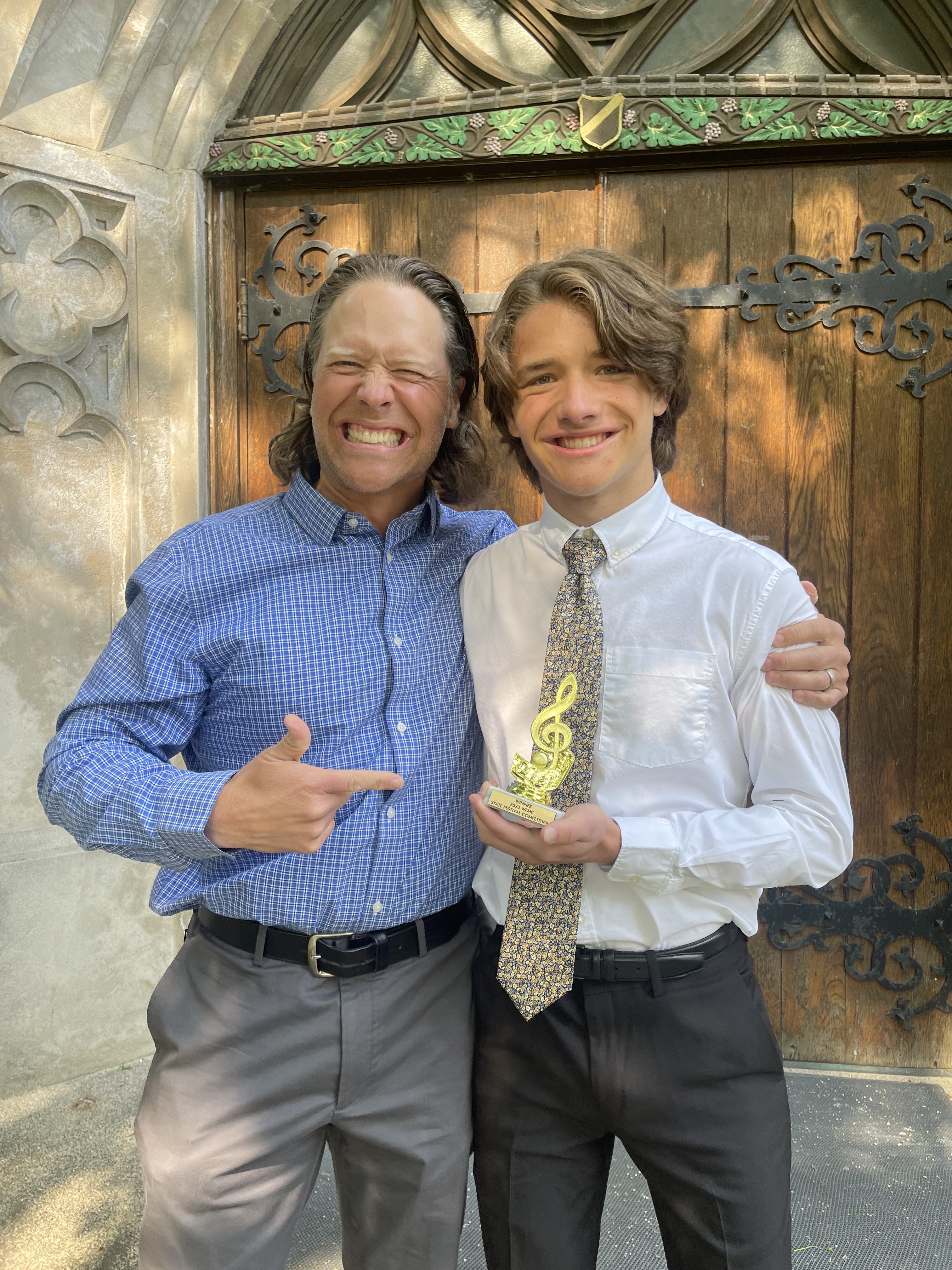
My son Johann just won his Wisconsin state piano competition. That dude can really play!
This practice serves as an amazing way to introduce the award winner to people they haven’t met. It enhances the winner’s personal brand. And it provides a praise experience they will never forget. Which, in the long run, is more valuable than the award itself.
Key Takeaway
When you present an award, announce the winner first. Shine the spotlight on them as you share their successes. Connect a name and face with the achievement. Because that time in the adoration spotlight is the greatest gift of all.
If you know someone who could benefit from this message, please share it with them.
It’s graduation season! Students across the country are thrilled to finally be done with classes, done with books and done with teachers’ dirty looks. But what they will soon find out is that the real life lessons start now. Because suddenly your life becomes one big multiple-choice test. And if you thought you were done with all that writing, here comes the big surprise:
Now you have to write the story of your own life!
Looking back, I can see that I have learned far more since graduating from Hanover High School in Hanover, New Hampshire and The University of Wisconsin than I did in school. In fact, I read more now than I did in school. I ask more questions. I study people and events. I analyze cause and effect. And I know far more now than I did when I thought I knew it all. (Which may also be lyrics to a country song.)
If you are a new graduate, congratulations! Welcome to the club! Here are a few things that will help you in your exciting next chapter of life. They have been a huge help for me. Which is why I shared them in my book, What Does Your Fortune Cookie Say?
12 Important Life Lessons For New Graduates.
Kickstart your day with a smile. The first thing you should do every day, while still lying in bed, is put a big smile on your face. Science has proven that not only do we smile when we feel good, we actually feel good when we smile. Smiling is the easiest positive thing you’ll do all day. Yet it has the power to propel and protect you until you crawl back into bed at night. (So, if you haven’t smiled yet today, do it now, brown cow.)
2. Fill your attitude with helium. Life is unpredictable. One moment you feel like you are on top of the world. the next moment you feel like the world is on top of you. But a helium attitude rises anyway. Don’t let setbacks, curveballs, and negative people drag you down. Do what helium does, and just keep rising. Your attitude is everything in life. Make sure you fill it with the right fuel. (And if you ever need a good laugh, suck in some real helium and say ‘Luke, I am your Father.’)
3. Your Success Is Directly Related to Your Contribution. Success is easy to understand. If you want more, contribute more. If you want to earn more money, add more value. If you want more social capital, add more value. If you want more political capital, add more value. It is the value you bring to the world that determines what the world offers you in return, Jedi.
4. The best way to live a great life is to start at the end. By viewing your life from the end you can clearly see what you could have done and what you should have done. Do this now, while you can do something about it. And you will be able to turn your life into an epic story as big as your imagination. (And go to funerals. They will teach you more about life than death. Plus, there are always free ham sandwiches.)
5. It’s the first step that matters most. Far too many people dream about the things they want to do but never take a single step towards making it happen. Your dreams start with that first step. Take it. Make it happen. (And watch Hamilton. That dude did not throw away his shot.)
6. Let envy be your guide. Don’t get fooled into thinking envy is a deadly sin and try to squash it. Envy offers insight. Note the things you envy and truly want and add them to your life list. Then create a plan to make them yours. And get to work. (Sloth, however, is a deadly sin. Don’t mess with sloths, Sid.)
7. Nothing will happen unless you make it so. JFK said, ‘Things do not happen. They are made to happen.’ Remember that action is everything. It is the difference between dreaming and doing. If you want something to happen you have to force it and will it to happen through your vision, action, and energy. This wisdom applies to friendship, entrepreneurship, and every other ship in between.
8. Always bet on yourself. Don’t buy lottery tickets. Don’t bet on sports or horses. Instead, bet on yourself. Bet on your ideas. But on your intuition. Bet on your determination. And on your willingness to affect the outcome. Stack the odds in your favor. It is the easiest way to mitigate risk and set yourself up for an epic payout. (And add Take A Chance On Me by ABBA to your life soundtrack. It’s a real toe-tapper.)
9. Find your Sliver Mentors. Everyone will offer you advice. But only take advice from people who are already doing what you want to do be doing. And rather than have one mentor for everything it is useful to have many mentors for slivers of your life. Learn the tips and tricks of the people who behave the way you want to behave. Don’t listen to every voice in the wind. Instead, carefully curate the advice you accept from those who offer great examples. (And keep a good tweezer around for regular slivers.)
10. Ask For What You Want. Don’t be afraid to ask for what you want. A closed door will often open when you show just how much you want to go inside. Remember, someone holds the key to unlock every locked door. (Don’t simply take what you want. Unless you look great in an orange jumpsuit.)
11.Constantly Upgrade Your Thinking: You may have graduated, but you are not done growing. Never stop improving yourself. You are like an iPhone. You should constantly be creating better versions of yourself. Each one is smarter, stronger and more capable than the one before. (And now that you will start paying for your own phone you’ll want to put a screen shield and protective case on that thang. Because phones are freak’n expensive.)
12. Don’t Build A Network. Build Friendships. Throughout your career, people will tell you that you should network. This essentially means you should meet people who can help further your career. This is bad advice. Don’t network. Instead, befriend as many people as you can. Prioritize developing genuine relationships. When you make great friends you will have a great network. Because when you make people the most important thing in your life, everything else magically falls into place. (And keep eating Lucky Charms. They’re magically delicious.)
Key Takeaway:
Commit to a lifetime of learning and growing. Get a little better every day. Read. Think. Make friends. Find people who can teach you. And always bet on yourself. The best is yet to come. But it’s up to you to make it happen.
*If you know someone who could benefit from this message, please share it with them.
+If a $16 graduation gift fits into your budget, consider grabbing a copy of What Does Your Fortune Cookie Say? for yourself or the graduate in your life. You’ll get 70 more important life lessons.
May is my favorite month of the year. May is spring, and new beginnings and good weather. May is track & field season. May brings Memorial Day weekend, which kicks off summer. Although in Wisconsin, sometimes it’s a Charlie Brown kickoff, and Lucy pulls the ball away before it ever gets a chance to fly.
May is also Birthday Month for me, my 3 sisters, my son Johann, and a couple of nieces and a nephew. This year, my birthday was no small milestone. On May 25, I turned 50. Which is significant on several levels. Mostly, because I make it significant in my head. To make the most of each decade I set major long-term goals by the decade. Today, I am excited about the possibility and promise of my 50s. Because by all accounts, my 40s were a raging success. Here’s my reflection.
14 Things That Went Great In My 40s.
My Career: I started my own business when I was 42, and I spent the majority of my 40s leading the advertising and ideas agency, The Weaponry. Starting an advertising agency was my #1 goal of my 40s. Not starting a business would have been my greatest regret. The business is now well into its 8th year and growing. Check the box!
Me at The Weaponry. And a leaf like the original Adam wore.Several Weapons
2. Travel. In my 40s I traveled all over America. I think I visited 45 states. The only state I have left to visit is Hawaii. In the past decade, I also traveled to Argentina, India and Canada. And I would have traveled to Europe if it wasn’t for that meddling pandemic! But I have a trip to London, Paris, Bern and Munich locked and loaded. So go 50s!
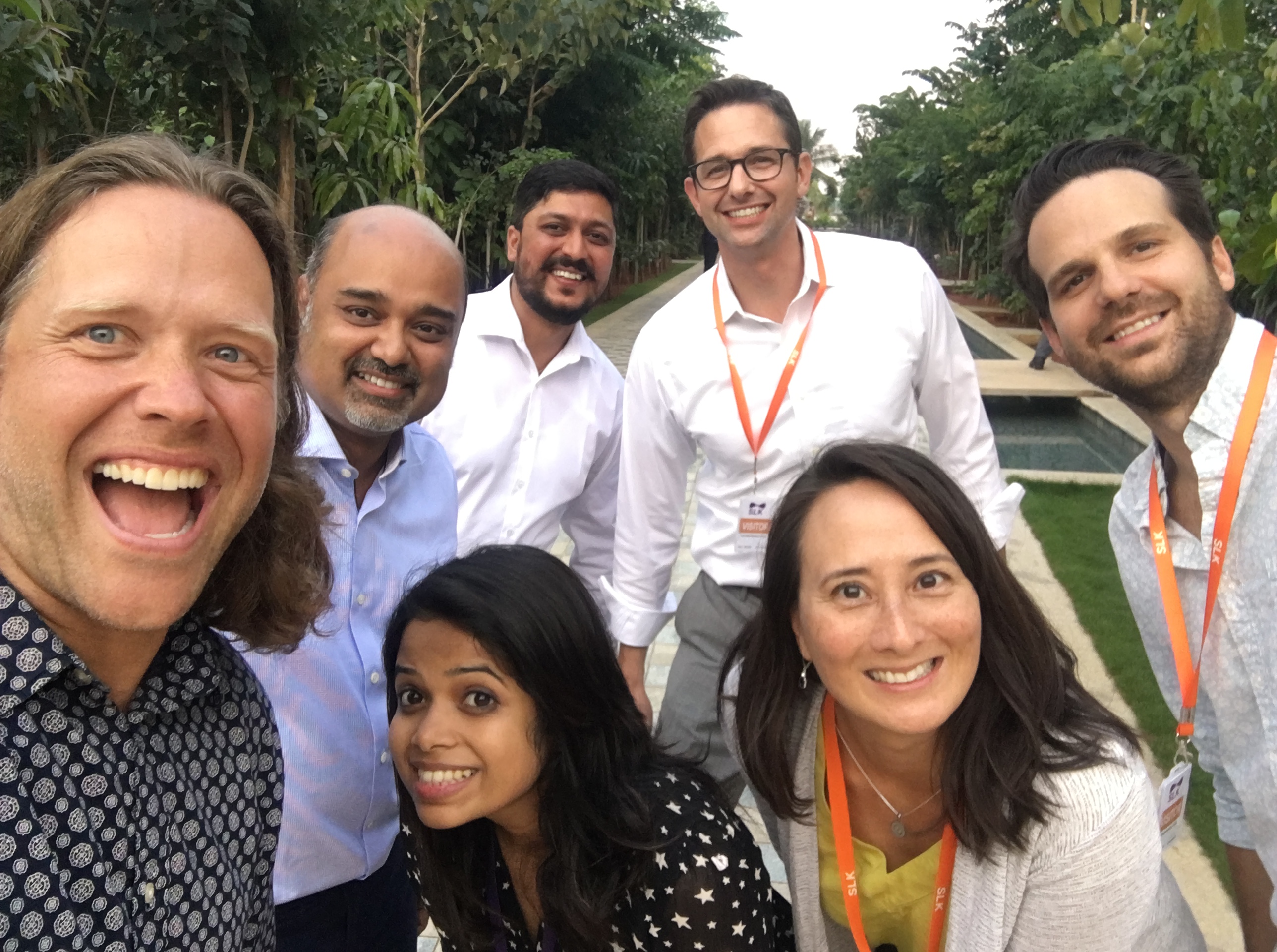
My trip to India was an epic part of my travel over the past decade.
3. Writing: I have now written 881 blog posts. All that writing prepared me to write my first book: What Does Your Fortune Cookie Say? I started writing the book when I was 46 and published it when I was 48. I co-authored my first book with Jeff Hilimire too, titled The Culture Turnaround. There are more books planned (and mostly written) for my 50s. Plus there is a newsletter in the works…
The first time I held my paper baby.
4. Speaking: Publishing my book led to speaking opportunities. This year I am on track to earn more money from speaking than I did in the first year of my advertising career. I really enjoy speaking and sharing stories and lessons with others. On my 50th birthday, I took the day off of work to enjoy my big day, but I then volunteered to speak to students at two schools about my career. Which means I really enjoy it. Or else I just really like hanging out at Middle Schools.
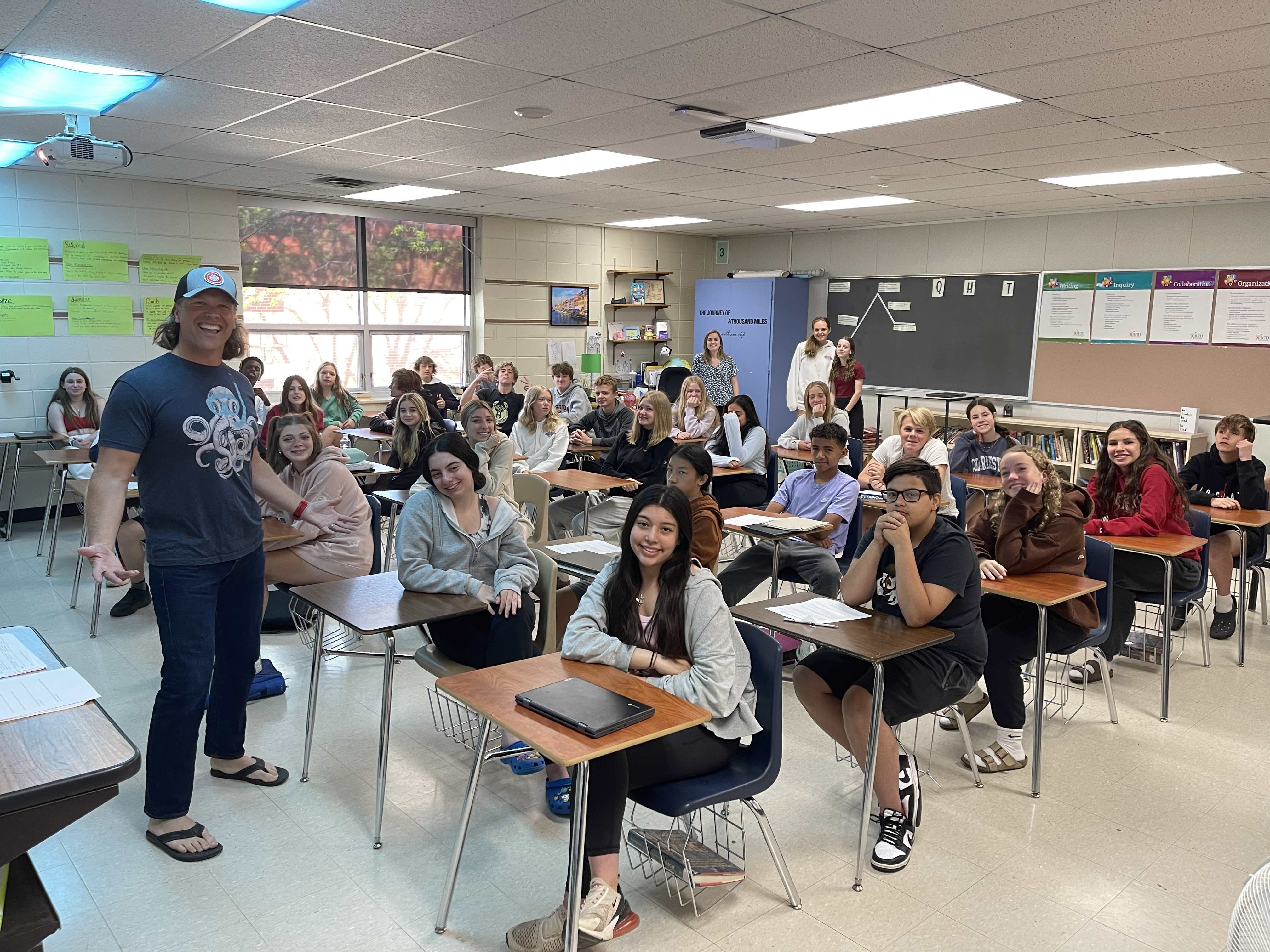
My first talk of my 50s.
5. Coaching Track: I started coaching high school track and field 3 years ago. I didn’t know any more about coaching than anyone else who had participated in a sport through high school and college. I didn’t even have a clipboard, whistle or a Throw-one-for-the-Gipper speech. But 3 years in I have coached a boy discus thrower to 181 feet, the second farthest throw in Wisconsin last year, and my daughter Ava hit 130 feet as a junior. For context, 3 years into coaching, I have only seen 4 girls hit 130 feet or more in a meet, and Ava is one of them. Exciting things are ahead for my daughter-athlete next year. And both of my sons plan to throw next year too. Their training has already started.
Some of the great girls I’ve coached.
6. Coaching Football: I started coaching youth football. Again, I started knowing very little beyond my own experience as a player. Today I am the defensive coordinator for the 6th-grade team in Mequon, Wisconsin. Which will be the 7th-grade team next year. I have learned a lot and developed rewarding relationships with a fun group of boys in my son Magnus’ class. And I’m trying to help create a positive experience that the boys will remember forever. Or at least get them to break a huddle in unison.
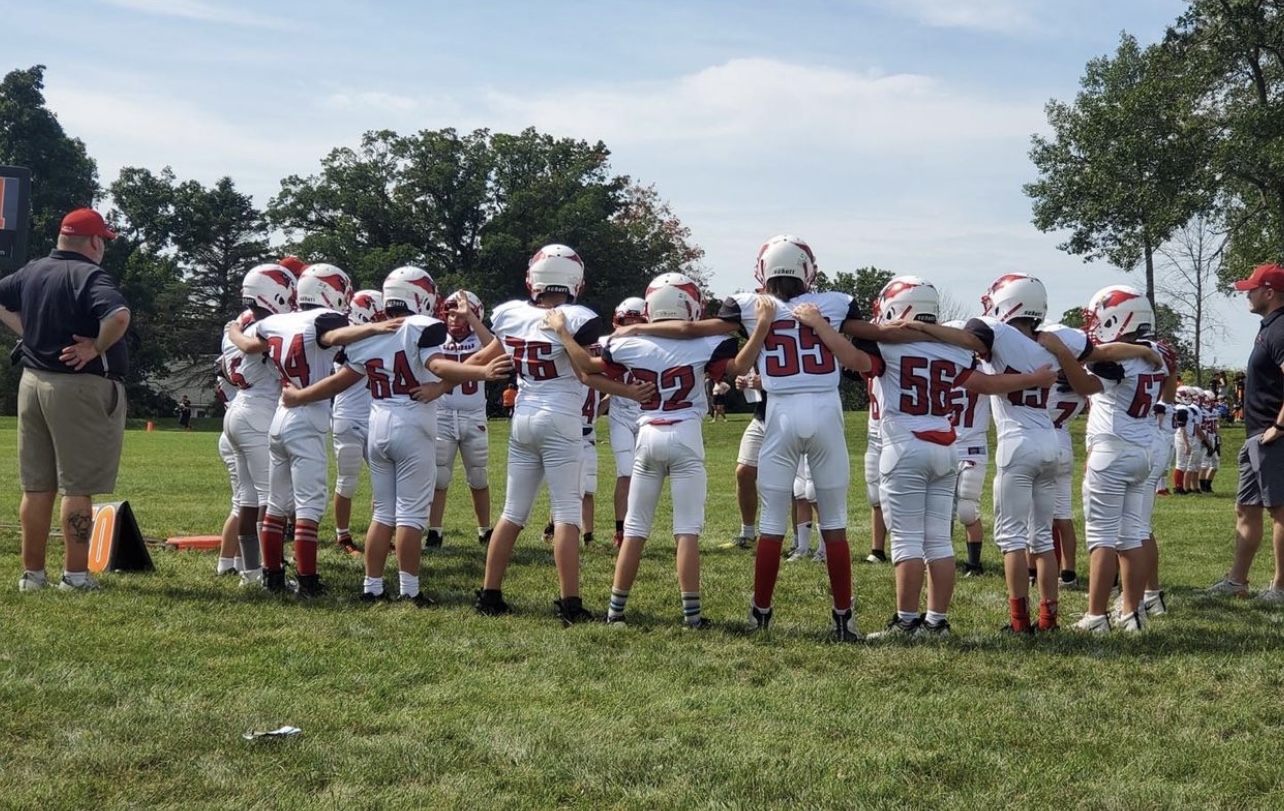
My son Magnus is #55. You can see my knee beside his.
7. Parenting. I started my 40s with 3 children who were 7, 5, and 2 years old. Today they are 17, 16 and 12. (Because math works like that.) I am proud to say that I have a strong relationship with my 3 children. Even though they are teens or tweens, we remain very close through what I expected to be the most challenging period of our relationship. I know them well enough to know that none of them are teen-wolfs. I am highly involved in each of their lives, and I will miss them greatly when they fly from the nest in my new decade.
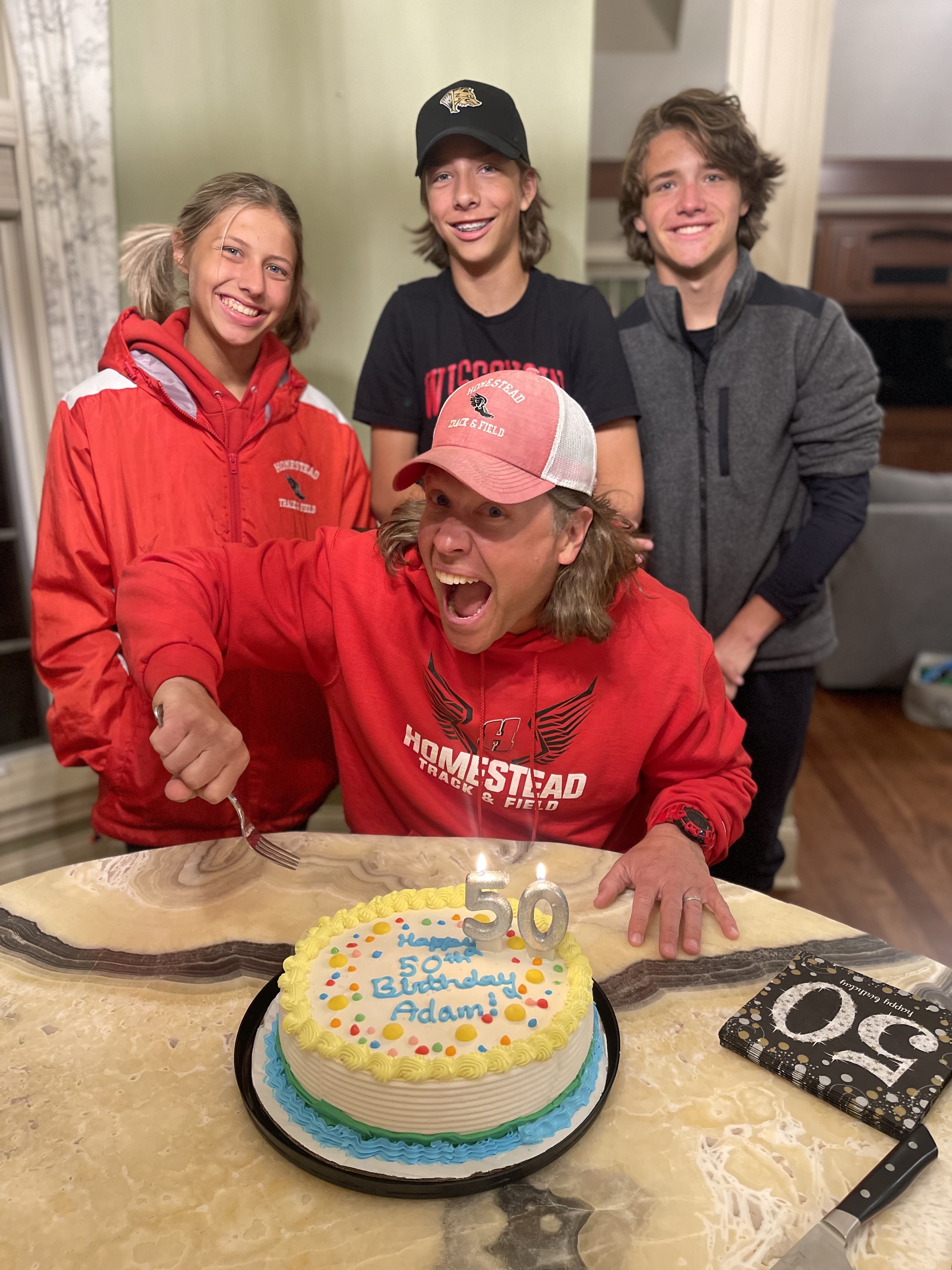
Me and the offspring on my 50th!
8. Marriage: I have now been married for 20 years to my wonderful wife Dawn. We are closer than ever and our marriage works well. Our communication is strong. She is my best friend. Sorry everyone else who thought they were my bestie. (You are my next-bestie.)
Me and Dawn when we were just babies. Now we are both 50+ and feeling Nifty+!
9. Fitness: I wanted to hit my 50s in great shape. One year ago I weighed 224 pounds. For context, I am 6 feet tall. And I graduated from high school at 215 pounds and from college at 211. I lift weights several times a week and am about as strong as I was at 18. Plus, I do cardio work 4 times per week. On my 50th birthday, I weighed 206 pounds. And I have a goal of doing 20 pullups at 50 years old. I haven’t attempted it yet. But I did hit 20 pullups 3 times in the past 2 weeks, so I expect it will be no problem. #dothehardworkearly.
10. Hair: I still have a full head of hair. I am not bragging. I am thankful. Or grateful, or whichever one is politically correct.
Still flowing at fifty.
11. Reading: I have read more in my 40s than in any other decade of my life. I can feel the effect of my reading. I am continuously learning and adding to my understanding and knowledge. My thinking keeps getting better. My brain feels well exercised. And I have set a new record for paper cuts. I got up on my birthday and read from 5:30 am to 6 am when it was time to write. ( I am currently reading The Greater Journey, about Americans in Paris in the 1880s by David McCullough, and listening to How Successful People Think by John C. Maxwell. I have already completed 17 books in 2023, and should finish 1 more today!
My initial reading list for the year.
12. Relationships. Through the past decade, I have lived in 3 states. And I have gained tons of new friends. I have also maintained my many friendships. I’m like a friend hoarder. Only I let people live in their own homes instead of piling them in my kitchen. I have organized social groups. I planned and hosted my 30th high school reunion. I make friendships very quickly. It is one of my greatest or favorite strengths. However, in the past 5 years, I have also had an odd falling out with one of my (formerly) closest friends, which I really don’t understand. But I accept it and have moved on. There is a lesson in that too.
Some of my favorite Marauder friends from Hanover High School in New Hampshire, 30 years later.
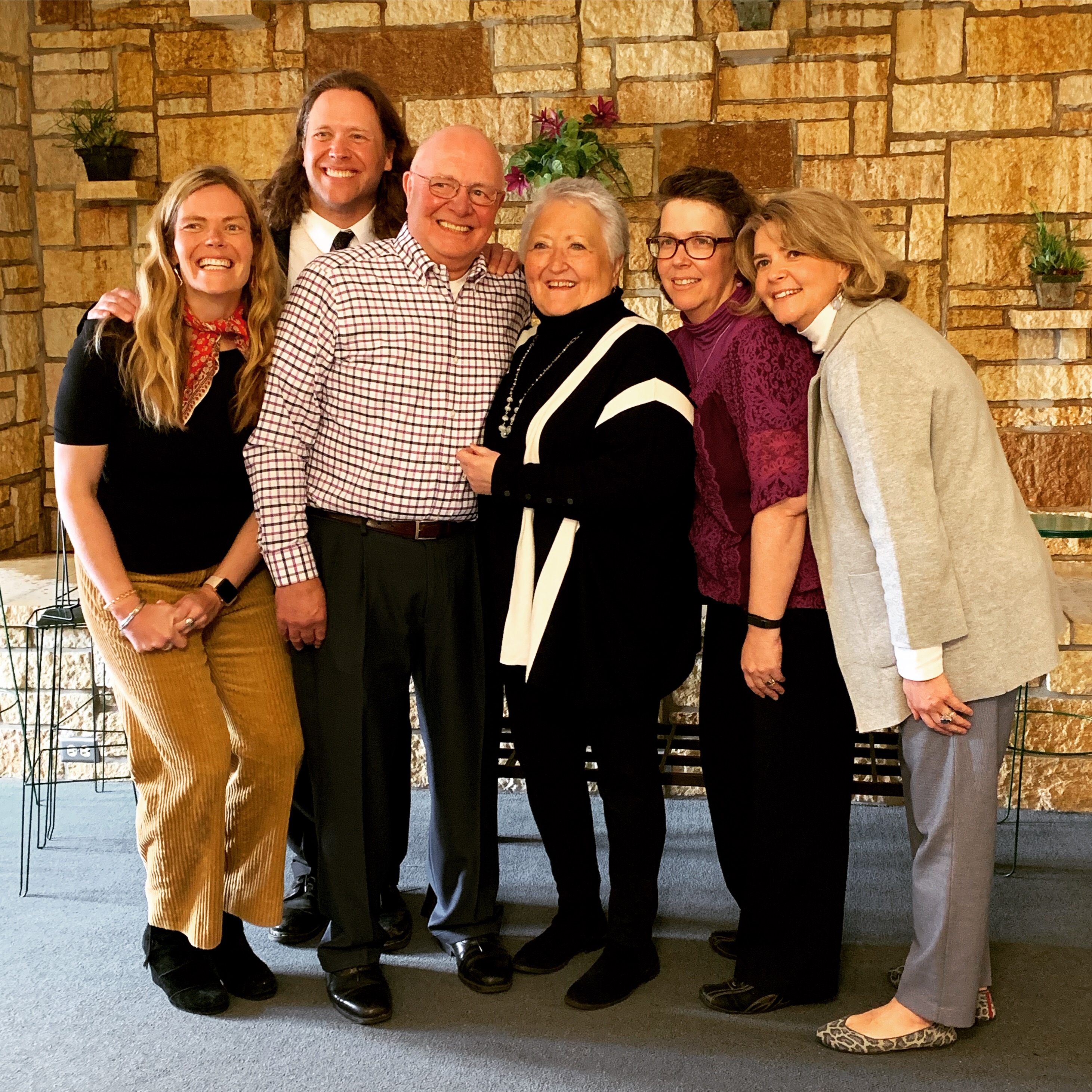
I’m thankful that my original family is all still here and that we remain close. Although we look a little too happy considering this was taken right after my Grandma Albrecht’s funeral. (You know we love you Grandma. And you were 99.)
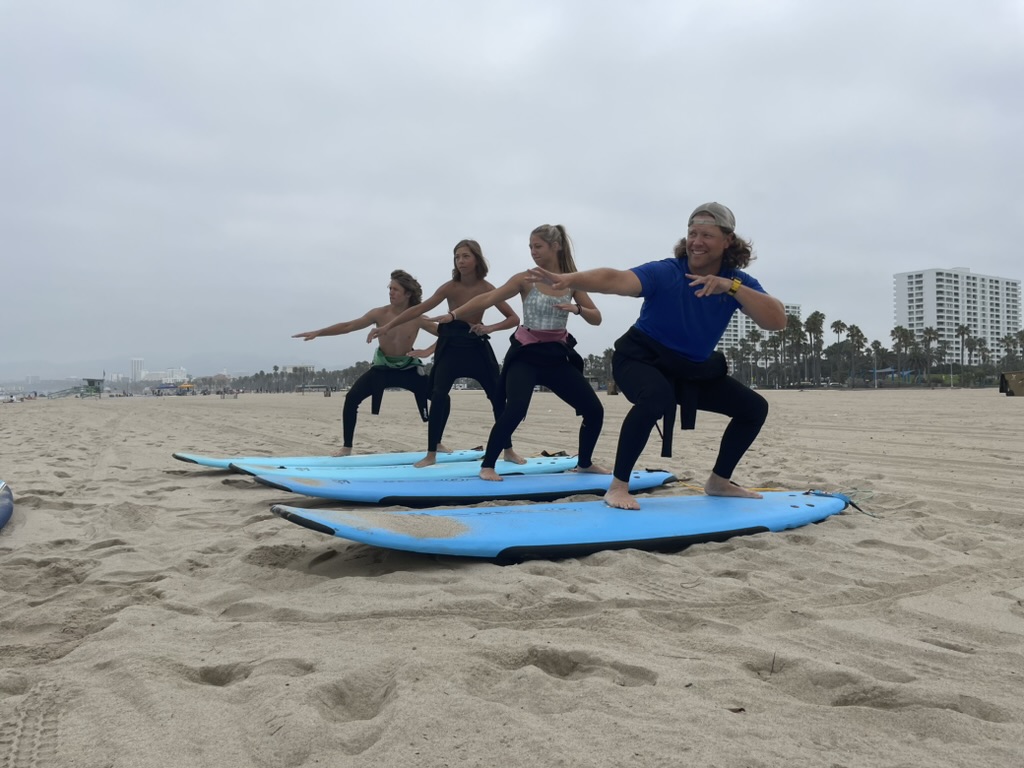
13. Skillz. I added some new skills in the past decade. Entrepreneurship, blogging and authoring are the obvious ones. But also surfing, coaching, mentoring, keynoting, wake surfing and parenting teenagers to name a few. I am currently working on my French aussi. You are never too old to keep adding skills. And girls like guys with skills. Like nunchuck skills.
I learned to surf in my 40s. I even got off the sand and into real water!
14. Home During my 40s I lived in 4 different houses in Ohio, Georgia and Wisconsin. 2 years ago, after shopping for 2.5 years and not making a single offer, Dawn and I walked into our current home the first day it was on the market. We immediately knew it was the home for us and made an offer that afternoon. We have loved living in our current home. It is the first time in my adult life that I have lived somewhere that I didn’t consider temporary. Which is a great base for a great next decade.
Me and the Crew at home.
Key Takeaway
There is a difference between aging and living. Don’t confuse the two. Focus on the living and the aging won’t bother you. Life is what you make it. Setting goals for each decade helps you think long-term and act in the short term. Decade thinking gives you enough time for great accomplishments and great change. But it provides a clear and unmoveable endpoint that creates the everpresent gift of urgency. So enjoy your life. Enjoy your decade. And make the most of every day.
If you know someone who could benefit from this message, please share it with them.
When I was a kid there was a lot of motivational material around our home. Most of it was in the form of cross-stitch art. Because during my childhood cross-stitch was a popular form of philosophical expression. And my home was a hotbed of the cross-stitch movement.
Over the past several weeks one of those pieces of cross-stitch motivation has been sparkling my brain again. Here’s the memorable and rhymey message:
Progress by the yard is hard. But by the inch, it’s a cinch.
As an entrepreneur, I love this message, because it reminds me that we can build a successful business brick-by-brick, action-by-action, and day-by-day. As long as we bring the IRS along for the ride.
As a writer, it reminds me that my books and blog posts are created word-by-word. Even my 290-page book What Does Your Fortune Cookie Say? was created one word at a time. (Ok, so it was actually written one letter at a time, but that would be measured in fractions of an inch, and that makes for a clunky cross-stitch message. So we will stick with words.)
As a coach, this message reminds me that great performances are built on tiny improvements in technique, strength, explosiveness, speed, endurance, focus and mental toughness. These are almost imperceptible individual improvements, that add up, in aggregate.
As a discus thrower in high school, I improved by 30 feet each year. When you convert 30 feet into inches you get 360. Which is an inch of progress every day for 1 year. (While also allowing a day off for Christmas, New Year’s Day, My Birthday, Thanksgiving, and Tubestock on the Connecticut River.)
As a person who wants to lose weight, the inch-by-inch approach translates to an ounce-by-ounce approach. This mindset has made it fairly easy for me to lose 20 pounds in the past 11 months. I’ll be sharing more about what I’ve done to accomplish this as I reach the 12-month mark of my weight-eviction plan. (Unless I accidentally lose all of my weight and have nothing left to type with.)
As parents, my wife and I teach the progress-by-the-inch mindset to our children. It has helped them excel in academics, athletics, music and hair growing.
Key Takeaway
Set long-term goals. And create a long-term, inch-by-inch action plan. Small gains made day after day add up to big differences over time. Because the easiest way to make great gains is simply by focusing on the smallest increments of progress.
If you know someone who could benefit from this message, please share it with them.
I set a goal this year of reading 24 new books. As we are nearing Memorial Day Weekend I am already on pace to read nearly 40 books. Half of those books are physical books, half are audiobooks, and unlike in past years, none are coloring books.
Like a wiley old prospector, I have struck gold with my recent book choices. I have discovered valuable reads exposing me to new ideas that I can use to live a better life. Interestingly, my last 3 books have all been based on the concept of time. Like Morris Day’s band.
When by Daniel Pink
I would read anything written by Daniel Pink. Even his grocery shopping list. He offers great insights into how humans operate. When is no exception. In this fascinating deep dive on timing Pink (the author, not the aerobatic rockstar) exposes the importance of when things happen. He reveals the well-documented worst part of the day for humans, so you will know the worst time to have surgery or defuse a bomb. He shares the peak times for divorce filings, and why. He reveals when you are most likely to run your first marathon. There is even a tutorial on the most effective timing for naps and how long it takes coffee to kick in. I learned about the life-long impact of starting your career during a recession, and how to restart anything when you are struggling. Plus, he shares the interesting effect of midpoints. You also learn what the ideal score is for your favorite team at halftime. There are a lot of great nuggets in this book. I encourage you to read it next.
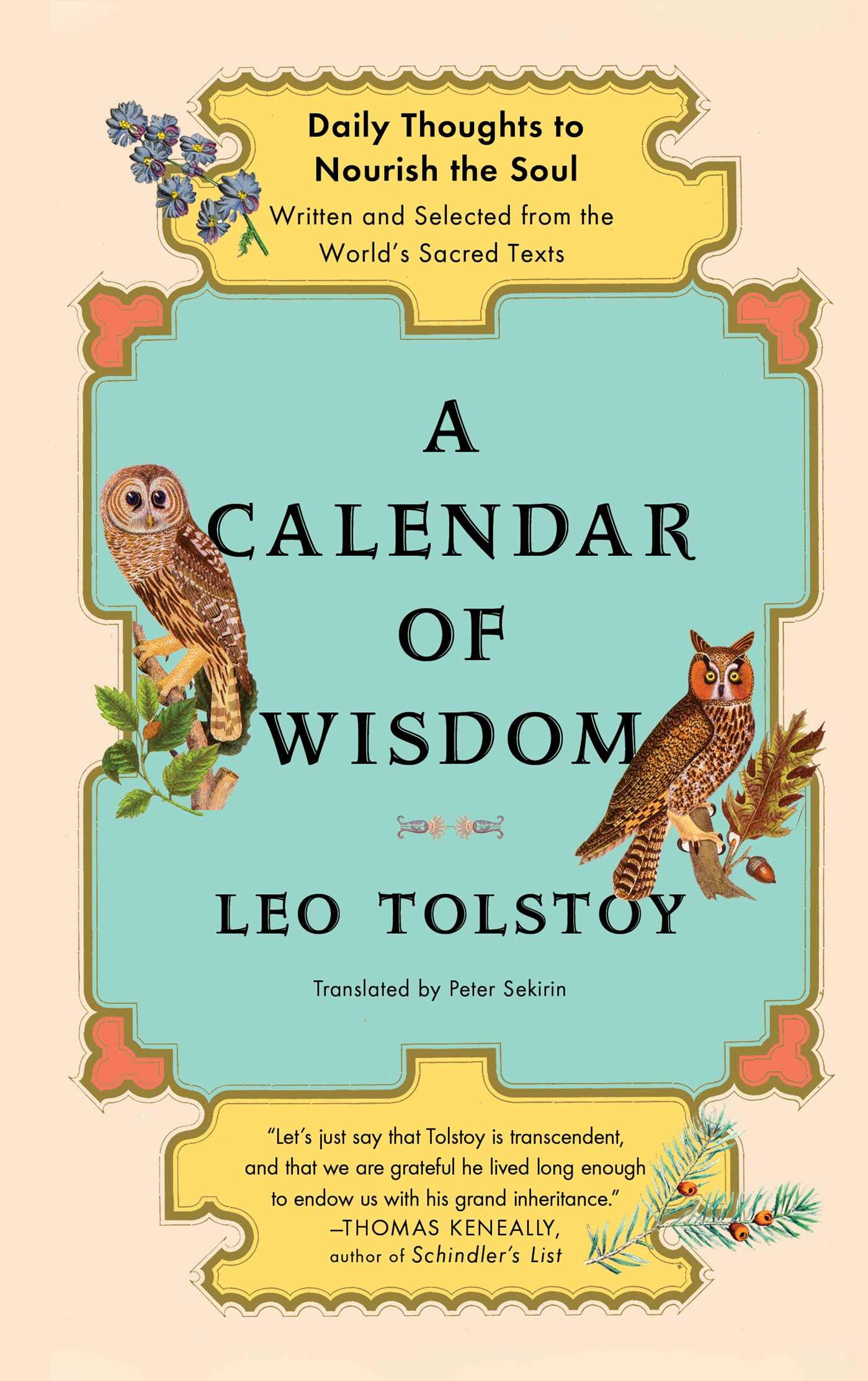
A Calendar of Wisdom by Leo Tolstoy
This book is crammed with 366 days worth of profound wisdom. Tolstoy collected valuable insights, quotes, and verses from throughout his life to share in this amazing tome. There is one page dedicated to each day of the year, including February 29th. With each page you read you feel as if you are being mentored by a wise old sage. Like Yoda. Only taller. And Tolstoy’s words are all in the right order. The book’s brief sentences and paragraphs of wisdom are dense with life lessons and truisms from great philosophers, leaders, authors, poets and religious books. Each day follows a singular theme. This is a great nightstand book, if you have a nightstand. If you are not typically a reader but wish you were, this book allows you to get your recommended daily allowance of new wisdom in a single nutrient-dense page.
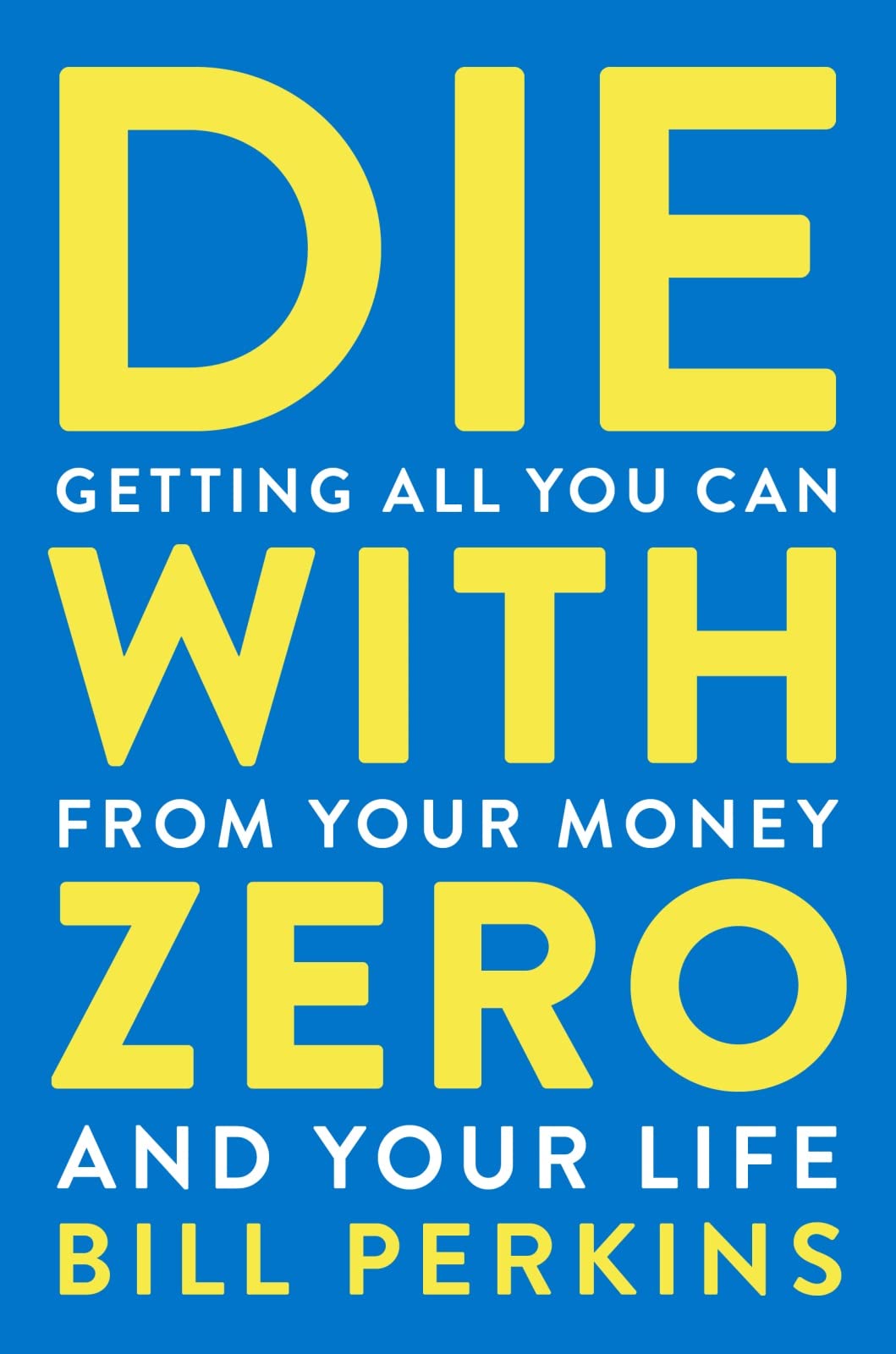
Die With Zero by Bill Perkins
This book is not about Coke Zero. It’s a thought-provoking book on the relationship between time and money. Perkins’ basic philosophy is that we should hit the grave with no money in our bank account or in the coffee cans buried in the backyard. (Those stupid K-Cups are no good for burying money.) Instead, we should spend our money, while alive on experiences that make our lives richer. These experiences turn into memories. And memories are the real wealth of life that money can help you buy. Perkins believes that any time you spend working to earn money past the amount you can spend in your lifetime is wasting your life on work. It’s a fascinating and compelling philosophy. Two of the great takeaways from the book are that you shouldn’t save your money just in case you need long-term medical care at the end and that beyond a certain age you will have a hard time spending your money because your physical ability to do things that cost money diminish with age. Read this book while you still can.
Kris Barger loves gifting this book to grads and showing off how many books she can hold at once.
Bonus Book
If you have a high school or college graduate in your life, consider giving them my book, What Does Your Fortune Cookie Say? It offers 80 Important life lessons the universe is trying to share with you. Each chapter is short, funny and packed with wisdom. Like my Mom. The book has been a very popular graduation gift since it was first published. If you live near Milwaukee or plan ahead a little I am happy to sign the book for you.
Key Takeaway
Read great books. Build your personal library. It is the best and easiest way to gain wisdom, insights and perspective that will improve your life.
I am always looking for good ideas on how to live a better life. We are only here for a limited time. Like the McRib. So, in the words of Alexander Hamilton, or at least the words that Lin-Manuel Miranda put in his mouth, I am not throwing away my shot.
The latest idea I have been thinking about is what I am calling Exampleism. Which is like the word example, but with an ism at the end. And the idea is this:
Live in a way that everything you do is a great example for others to follow.
This is a great and valuable challenge. The best example I know of this is Jesus. He showed that if you are successful, not only will people follow in your ways, they will live better and more fulfilling lives, and they will get into heaven, buy your book (The Bible), and wear your merch (WWJD bands).
I find that when evaluating my actions and behaviors with the Exampleism criteria, I am a good example of many things most of the time, and I am a bad example of other things too often.
However, just like the Golden Rule encourages us to always think about how we treat others, Examplesism shows us every day where we are going right, and where we are going wrong, and need to improve.
When you encourage and support you are a great example.
When you smile at others you are a great example.
When you work hard you are a great example.
When you give your time, talent and Takis you are a great example.
When you neglect your health you are not a great example.
When you lie, cheat or rob casinos with 10 of your friends you are not a great example.
When you lose your temper at something your kids did instead of showing your disappointment and teaching them the right way, you are not a great example. I sometimes get this right and sometimes get it wrong. But I am working on being a better example every day.
Key Takeaway
Set your standards for all actions and behaviors. Then live up to your own standards. When you live in a way that sets a great example for others to follow you are pursuing the greatest success, and creating a great model for others to follow. That model, your example, will be the greatest impact you have on the world. And that impact will last as long as your example is followed. Which could be forever.
*If you know someone who could benefit from this message, please share it with them.















 Adam Albrecht Blog