The path to perfection is like making pancakes.

I am not a perfectionist. Perfectionism is a curse. While it pushes you to create the highest quality result possible, it is paralyzing. Because life is not perfect. And if you need it to be you are highly unlikely to get the first version of a new creation out the door in time to make a difference. A difference to you, to the world, to those you can serve.

Instead of a perfectionist’s mindset, I have adopted a pancake-making mindset. If you have ever flipped a flapjack you would bet Mrs. Butterworth that the first pancake won’t turn out quite right. There is some combination of temperature, oil, and griddle seasoning that can’t seem to get synchronized in time to make that first pancake just right. So it always falls short of the glory.

But don’t let that frustrate you. Ask yourself, ‘What would Denny of Denny’s do?’ (#WWDODD or simply #WWDD)

The Prince of Pancakes would work through that first pancake and get to the next round of griddl’n. Because the improvement in the next batch of pancakes is always remarkable.

Real World Example

Right now I am putting the finishing touches on my first book called, What Does Your Fortune Cookie Say? And I can’t help but think that I have done something wrong in the creation of this book. Maybe I should have made it different in some way. Maybe it should have been longer. Or shorter. Or funnier. After all, I never sprayed milk out my nose while proofreading it.

Maybe my dedication is off. I reworded it about 25 times. (Which shows my dedication to my dedication.) Maybe my bio is too unbio-y. Maybe I didn’t finish it early enough, which caused me to miss the bulk of the holiday gift-giving window. Maybe I shared too much value and would have been better off splitting it into multiple books. Like a cliffhanger-ending double-episode of The Dukes of Hazzard. #yeeeeehaw

Instead of letting my second-guessing about the book stop me, I’ve pushed through. It is my first pancake. I have to make it to be ready for something even better to follow. The second printing of the book would be better. The next book I write will certainly be better in some way.

I have no shame or embarrassment in this. Neither should you. It is how life works. You go and do and try and learn and improve. You can only do what you can do with the conditions as they exist. Each new attempt means that you add more experience to the conditions. Which gets you closer to the ideal. It is the process of perfecting over time that I enjoy. Like a good pancake, covered in real Vermont maple syrup.

Key Takeaway

Don’t be afraid to make your first pancake. It will be less than perfect in some way. But simply by making the first one you will improve, learn, and grow. That is how you make amazing things. Make your first version, and let the challenge of improvement drive you to keep improving. Keep stacking up your attempts like pancakes. It is the true path to perfection.

*If you know someone who could benefit from this message, please share it with them.
You need one of these 3 things to maximize your carreer.

I have thought a lot about my professional career lately. Writing a book about the most important lessons you’ve learned in life will do that to you. And it’s far more enjoyable to reflect on your career because you are writing a book than because you are on your death bed, thinking about what you would have done differently. Although the death bed reflection involves far less proofreading.

Career Path

While writing, What Does Your Fortune Cookie Say, I have examined my career path and the forces that have influenced it. The short story is that I started my career at the bottom of the advertising ladder, as a junior copywriter. (Although truth be told, I have never actually seen the professional ladder. Or the Emporer’s new clothes. Or a snipe.)

My professional titles progressed as follows:

  • Junior Copywriter
  • Copywriter/Producer
  • Senior Copywriter
  • Associate Creative Director
  • Creative Director
  • Executive Creative Director
  • Chief Creative Officer

Entrepreneurship

After I became a Chief Creative Officer I decided it was time to start my own advertising and ideas agency called The Weaponry. That was 5 years ago. Today, my title is Founder and CEO. Which is a lesson in itself. Because if you have the fortitude to start your own business you can give yourself any title you want. I just thought that Galactic Czar was a little too much.

But Wait. There’s More.

I have made the full professional progression from entry-level to C-suite to entrepreneur. But I’m not done yet. I am just days away from publishing my first book with independent publisher Ripples Media. And I have several other exciting and challenging chapters of my professional career ahead of me. Some of these chapters are already planned. And I am sure there are some surprises in store. There always are.

Your Career Guide

To make the type of forward progress I have made you need at least one of the following people in your life:

  • A Mentor
  • A Career Coach
  • A Spouse or Life Partner

These 3 roles all have the ability or responsibility to look after you throughout your career. They can all help you map out your entire journey, and offer feedback, guidance, encouragement, and direction based on your goals. But only the third one should ever see you naked.

The important commonality is that mentors, career coaches, and spouses are not concerned about your current employer’s needs. They are not trying to keep you happy today. They are focused on the big picture, which might not include your current employer.

Mentor

I have never had a real long-term mentor. I have had mentor-ish people help me at various times, with specific roles or challenges. But not someone with whom I had an official ongoing mentor-mentee relationship. I would be happy to have one. I simply haven’t. Maybe it’s not ment to be.

Career Coach

I have never worked with a professional career coach either. Again, I see great value in this role, and would certainly be open to adding a coach to my weaponry. Because I am smart enough to know that I still have a lot to learn and that I could use all the help I can get.

Spouse

My wife Dawn has been the primary career minder for me. She knows what my goals are and she knows the timeline I have set for myself. For over 20 years she has regularly helped me evaluate my professional development and career progress with 2 simple questions:

  1. Are you where you want to be?
  2. Where are you going next?

The answers to these 2 questions provide the regular reality check I need to make sure I arrive at each of my preset checkpoints, but that I don’t stay there too long if I want to complete the race I am in.

Key Takeaway

Find someone to help you map out, navigate, and complete your career journey. Someone who can be there for the entire journey. Who is unbiased towards any particular role or employer, but simply wants you to accomplish all that you set out for yourself. Don’t be afraid to request a mentor relationship. Don’t underestimate the value of a professional coach. And if you have a spouse or life partner that’s in it for the long run, let them help ensure you reach the finish line together.

*If you know someone who could benefit from this message, please share it with them.
Everything is a game. Here’s the best way to learn how to play.

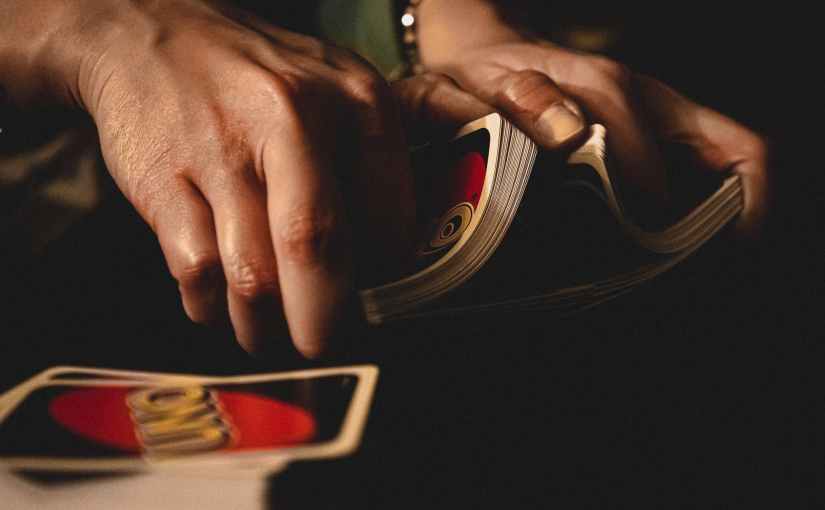
Last night was game night at our house. We played a card game that my children had never played before. To begin, I read them the instructions on how to play the game, how the game is scored, and how to win. After reading the last of the instructions, I looked up to find my kids staring at me as if I had just read them the instructions in gibberish. Or Swahili. Or Swahili gibberish. Which is extra hard for native English speakers to understand.

I’ve seen that look before. In fact, it feels as if I’ve seen that WTF-ish look every time I’ve ever played a new game with anyone, ever.

The simple fact is that games are complicated. It’s very difficult to absorb the complexities of a new game as the rules of the game are read to you. And if you take a moment to step back, you quickly realize is that everything in life is a game. Not just sports, or things that Milton Bradley and those good-timing Parker Brothers dreamed up. EVERYTHING is a game. Including:

  • business
  • investing
  • real estate
  • relationship building
  • entrepreneurship
  • test taking
  • sales
  • technology
  • surfing
  • riding a bike
  • coaching
  • cooking
  • gardening
  • driving
  • flying
  • writing
  • art
  • mechanics
  • parenting
  • That thing couples do that turns them into parents

Learn By Playing

To learn a new game you simply have to play it. There is no way around it. You have to learn the rules as you go. You learn through the process of playing. Not by absorbing an overview of the rules of the game before you start.

Far too often we delay playing the most interesting games (entrepreneurship, investing, writing, pickleball) until we have studied it completely. But studying the games of life is largely procrastination. Learn 10% ahead of time, and then start. You’ll learn the rest on the chutes and ladders.

Key Takeaway

You don’t learn how to play the games of life by reading the instructions. You learn by actually playing the games. The details reveal themselves as you go. The games you will play are far too complicated to comprehend through simply reading. So start playing. Clarity will come quickly when you are rubbing against the rules rather than reading them.

It’s your turn.

*If you know someone who could benefit from this message, please share it with them.

The hard truth about word-of-mouth marketing.

Lately, my advertising and ideas agency The Weaponry has been enjoying a lot of word-of-mouth marketing. Which means that happy clients and partners have been telling others about us. As a result, we have been getting a lot of new opportunities. Which we love.

However, it is important to remember that word-of-mouth marketing doesn’t begin with your customers. And it doesn’t start with an advertising agency either. Unless, of course, you are an advertising agency. Which we are. (Which kind of confuses things.)

Where does it come from?

Word-of-mouth marketing originates within your organization. It is a result of a job very well done. It stems from great products, great services, and great experiences. All of which come from great processes and great people. Which is some real Tony The Tiger stuff.

When a customer gets all that they want and more from you they can’t help but tell other people about you the next time they find a relevant opportunity to share. It’s fun to tell others about the smart decisions we made and the great experiences we had. It’s enjoyable to share good news and inside information. Like Michael Jackson said, ‘Tell them that. It’s human nature.’

Word-of-mouth marketing is usually considered free advertising. It is not. Far from it. In fact, all the time and attention you pour into delivering a great product or service are like buying advertisements. Your special product or service is the media. It carries a positive message about your brand to your customer. They simply push that same message along to others. Like one of those Newton’s Cradle ball knocking thingies.

Newton’s Cradle. The Ball Knocking Thingie

Key Takeaway

Your great product, or service, is the media on which word-of-mouth marketing is carried. Make your offerings great. The better they are the bigger the media space you have bought to carry great words about your brand.

*If you know someone who could benefit from this message, please share it with them.

There is nothing like being together in person.

Last week I had a film shoot in California. It was a multiday shoot with a new division of a company we have been working with for many years. Thanks to Covid, we had never actually met any of the clients we worked with on this shoot in person.

The shoot represented more than just another day out of the office. It meant that we began an official relationship, in person, with 7 new people. It was a great reminder that some people are much taller and some are much shorter than they appear online.

The Insight

Everything changes when you meet in person. The conversations are different. The connections are different. The chemistry is different. The compliments feel different in person. And there is much less asking, ‘Can you guys hear me?’

You can’t experience the full pull of human magnetism on the phone or via video conference. Zoom doesn’t allow for the simultaneous conversations that happen naturally among teams when they meet in person.

The warmth of a smile and the heartiness of a laugh feel different in person. The power of a handshake or a hug dwarfs the impact of an online wave. As a result, you leave the in-person experience with a greater affinity for one another. And you remember why you are supposed to brush your teeth and wear pants to meetings.

The power of the in-person experience is why we can’t all work from home all the time. While the flexibility of virtual teams offers several advantages, it eventually creates a disadvantage. Because in-person connections are more powerful than online. And you leave yourself vulnerable to stronger in-person relationships developed with someone else. It’s true at work, at school, and in our personal lives.

Key Takeaway

See your people in real life. You create stronger bonds with your clients, coworkers, friends, and family when you are together in person. The energy exchanged in person is powerful. Leading to a more meaningful experience. And a stronger desire to see each other again. Which is the key to long-term relationships.

*If you know someone who could benefit from this message, please share it with them.
Have you written a book? Or want to?

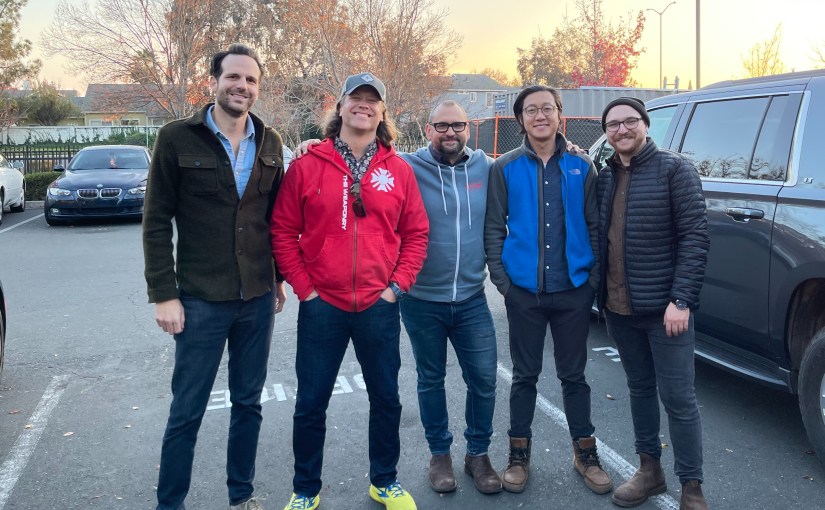
I am in the final stretches of publishing my first book titled What Does Your Fortune Cookie Say? And there is still so much I don’t know about publishing and successfully promoting a book. However, I know how to ask for help. And I know there are a lot of published authors in my universe. If you are a published author I would love to have you join an Author’s Zoom call.

We’ll talk about your author’s journey. Which is like a hero’s journey if authors were heroes, fighting for those in need with word processing software. We’ll discuss what went right, what went wrong, and what you would do differently next time. You know, the basic advice you would give to pre-published you with the wisdom and experience of authorized-you.

The Author Zoom will be author-to-author education. It will also be a chance to promote your book. Which is reason enough to attend. #amIright

The preliminary discussion guide:

  1. Tell us about your book?
  2. How did you publish it?
  3. What was the best thing you did to promote it?
  4. What did you do wrong?
  5. What were your most important learnings?

If you are a published author and would like to join, please leave a comment, or message me directly here or at adam@theweaponry.com. I plan to have this Zoom call in December so that we can all hit the new year with actionable new knowledge.

Epilogue:

If you haven’t published a book, but have been thinking about it, and would like to join the Zoom as a student, please let me know. And please pass this along to any authors or aspiring authors you know. And if you know any Arthurs, let’s get them there too.

How to make magic with just 10 minutes.

It’s remarkable what you can do with just 10 minutes. In fact, it only takes 10 minutes to kickstart your biggest, wildest ambitions. You can sketch out an initial plan for anything. And in doing so, you perform the most important work of the entire process.

Things You Can Do With Just 10 Minutes:

  • Outline a vision for that business you want to start.
  • Begin researching a career change.
  • Start writing a book, blog, or screenplay. (Or get crazy and write a screenless play.)
  • Book travel to that destination you’ve always dreamed of visiting.
  • Create your bucket list.
  • Hit Zillow to look for a new home.
  • Find a class you want to take to expand your skillz. (Remember what Napoleon Dynamite said about skillz.)
  • Start reading that book you’ve always meant to read.
  • Sign up to volunteer your time.
  • Introduce yourself to someone you want to meet.
  • Listen to 5 Minutes of Funk by Whodini, twice. (That’s my jam!)
  • Book tickets to an experience.
  • Start learning an instrument.
  • Complete 8 Minute Abs. Then watch a Chuck Woolery commercial break.

Key Takeaway

You can always find 10 minutes. And in those 10 minutes, you can do the most important work of all. You can begin. You can plan. You can sketch. You can outline the process. You can unfold the roadmap and detail the journey. And once you do, you’re sure to find 10 more minutes to take the next step.

*If you know someone who could benefit from this message please share it with them.

A valuable Thanksgiving lesson from a lifetime of eating.

When I tell people that I was a discus and hammer thrower at a Big 10 university it often surprises them. I simply don’t look the part. I am often asked if I was bigger back then. I wasn’t. But I sure tried.

When I was in college I would always eat 3-to 5 plates of food at dinner. In fact, I remember my Grampy Sprau, who was a life-long farmer saying, ‘I have never in my life seen anyone who can eat more food than you can.’ I probably should have been concerned given the fact that this observation came from a man who fattened Angus beef cattle for a living.

Grampy was right. I was really good at eating large quantities. My friends frequently encouraged me to enter eating challenges where if you eat the entire Belly Blaster or Gastronormous Burger you get the whole meal, and diabetes, for free.

A couple of decades of hindsight have revealed that there was a major, long-term advantage to such eating. But it certainly wasn’t caloric.

The Insight

Because I ate so much in college, the people who I sat down with at the start of my meals were usually long gone after I finished plate #2. Which meant that new people would come to sit and eat with me. Or I would grab another plate and sit down with another table of people.

As a result, I would eat dinner every night with twice as many people as everyone else. This just seemed like fun at the time. We were simply hanging out, talking, eating, and stacking empty plates.

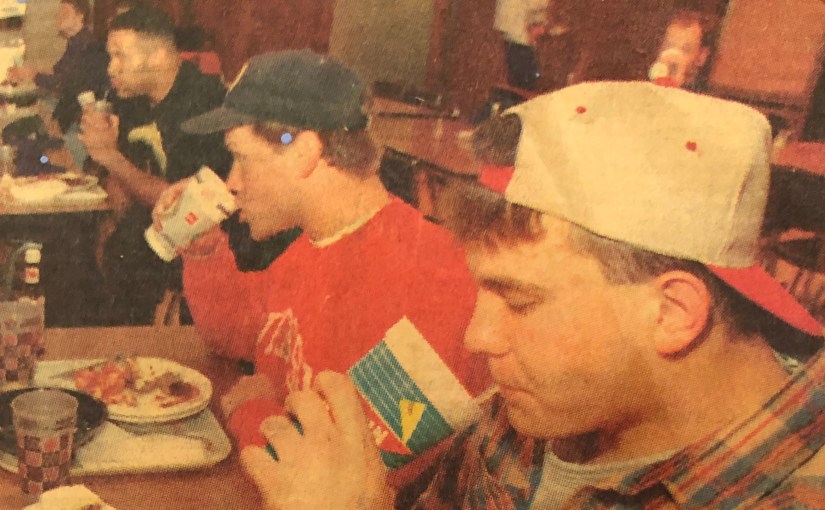
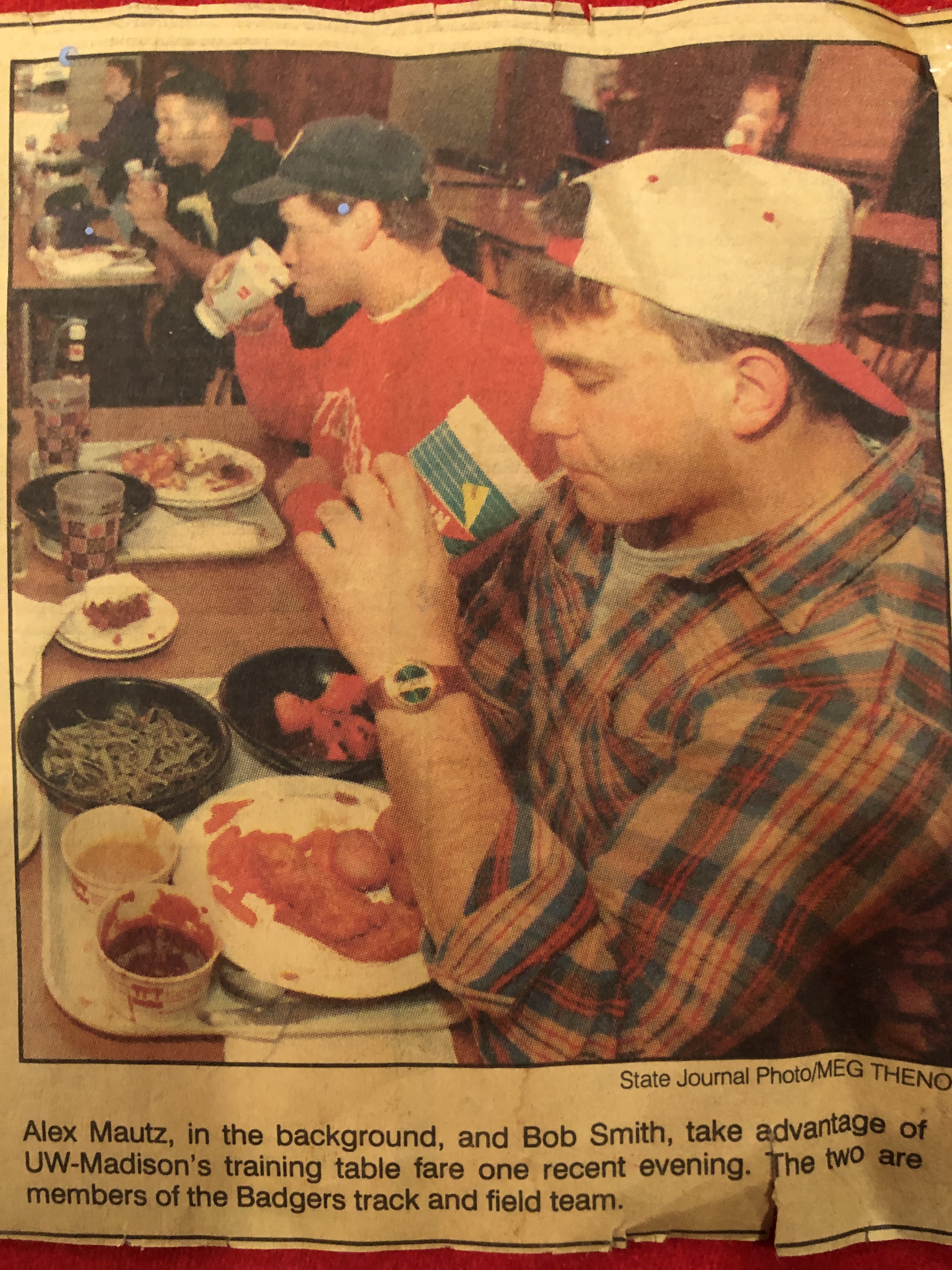
This picture of me and my teammate Bob Smith appeared in the Madison newspaper when I was in school. Bobby and I could really throw down some food back then. The paper mislabeled me as my teammate Alex ‘Big Drawz’ Mautz. My late, great, hilarious friend Manny Castro is in the background.

However, as I now look back at that time, after years of grabbing coffee, professional networking lunches, and business dinners, I recognize the real value. I was developing relationships and maintaining friendships with twice as many people as everyone else. I was doing what they would later call networking without even trying. It was a product of my need for food. And my naturally social nature.

As a result, I developed a lot of strong friendships in college. The value of those relationships has multiplied over time, just like any good investment.

Today, I realize that my strong and supportive network has been key to my entrepreneurial success. But more importantly, it has contributed significantly to my happiness and sense of belonging. Because at the end of the day, those are the things that matter most.

Key Takeaway

Enjoy the social benefits of eating with others this Thanksgiving. Take advantage of every opportunity you have to meet more people and strengthen your relationships. Engage in discussions during your meals. Ask questions. Share conversation starters. Be a facilitator. As a result, you can help create shared experiences around your table that will turn into memories that will be enjoyed for a lifetime.

*If you know someone who could benefit from this message, please share it with them.

A lesson from the most exciting game I ever played.

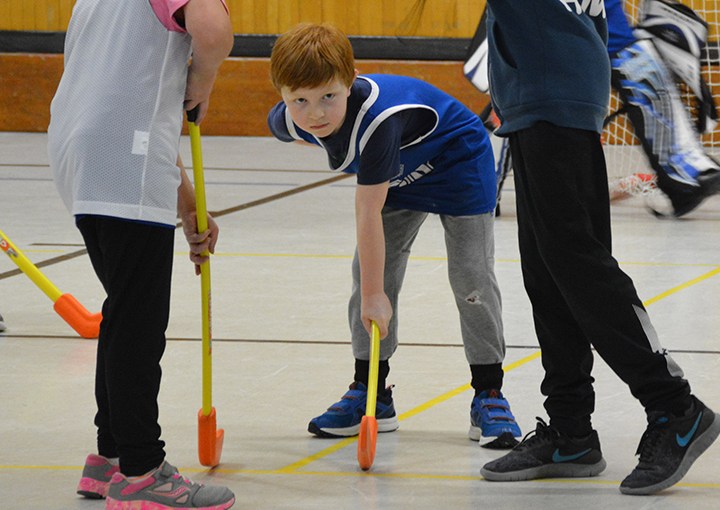
When I was in 4th grade I was in a tense floor hockey game in gym class. Yes, we’re talking about floor hockey. In gym class. (Cue the Allen Iverson incredulous stink face.)

In the last game of the 4th-grade gym class floor hockey season, my team was down by 2 goals with under 2-minutes remaining on the clock.

With 1 minute and 45 seconds to go in the game, I scored a goal on a slap shot from 30 feet out. Suddenly, my team was down by just 1 point. And in my head, I started singing ‘Bring out your best, Budweiser Light…’ which was a popular ad campaign jingle from my youth. (Good job appealing to the 10-year olds Budweiser!)

Then, with just 30 seconds left in the game, I assisted on a goal to tie the game up.

We then rotated positions and I played goalie for the final 30 seconds. Suddenly, the DJ in my head faded down the Budweiser jingle and pushed play on Eye Of The Tiger.

With under 10 seconds left in the game, I stopped a shot on goal from one of the 5 Ryans in my class. With a MacGyver-like awareness of the ticking clock, I instantly gathered the puck and shot it from my own goal, across the entire gym floor, past all the defenders, and into the opposing goal to win the game. And I lost my little 4th-grade mind.

Over the next 13 years of my athletic career, I participated in 2 high school state final four football games, 4 high school state track meets, 2 New England high school track championships, 3 Big 10 Conference track and field championships and several track meets with 30,000 to 40,000 spectators. But to this day, that floor hockey game, with that ending, and my role in it, remains one of my favorite and most confidence-inspiring memories of my entire life.

Key Takeaway

It is never too late. There is always a chance. Keep believing. Keep going. Keep trying. Find the soundtrack in your head that ignites you. And believe in miracles. I do. Because I feel like I have helped make them happen. And you can too.

*If you know someone who could benefit from this message, please share it with them.  

I have finally seen a digital copy of my book.

I am in the process of publishing my first book called, What Does Your Fortune Cookie Say? The book, which has been picked up by independent publisher Ripples Media, shares 80 important life lessons the universe is trying to share with you. Fortunately, the universe shared them with me first and asked me to share them in both hardcover and kindle form. (The universe can be very prescriptive.)

Today, I am far from the romantic notion of writing a book. The fun and fulfilling creative process, and storytelling part of book writing are done. Now I have plunged deep into the mechanics of publishing. We are kerning and leading and deligaturizing. It’s a real literary party up in here.

Learning

I am learning a lot. Including that I am not nearly as irritated by my proofreader as she thinks I have the right to be. I value her like a friend who tells you when you have spinach in your teeth. Or that your fly is open. Or that you have spinach in your fly.

The PDF

I met a fun milestone last weekend. I received a PDF of the fully typeset book on Saturday morning. It was incredible to see a digital copy of the book. It finally looks just like a book. Or at least a Flat Stanley version of a book.

What Does Your Fortune Cookie Say? is about 50,000 words, which I was told is a good number to hit for a full-fledged book. (And I don’t want to write an empty-fledged book.) However, I was surprised to discover that the book is 280 pages long. That seems like a lot to write. Which I guess I did.    

On Sunday, I sent a PDF of the full book to some trusted friends to provide a review for the book jacket and for Amazon. It marks the first time anyone but me, my editor, and my proofreader has been able to read the entire book. I felt like a chef at a restaurant sending a new dish out to the dining room for the first time. I hoped the dishes wouldn’t be hurled back at the kitchen door by an angry mob of tastebud-abused patrons. 

The Feedback

I have started to receive their reviews and I am blown away by the things they are saying about the book. They are digging it. They are finding valuable takeaways. They find it to be a quick, and enjoyable read. And I am relieved to not be ducking e-books hurled at my e-head.    

Key Takeaway 

Create that thing you always wanted to create. Share it with the world. Find your proofreader and editor types to help you focus and sharpen your ideas. Your trusted inner circle will provide feedback to help you strengthen and propel your work. The world will be better with your contribution. And you will be better for having shared it.

*If you know someone who would benefit from this message, please share it with them.