I am asked about my entrepreneurial journey a lot. It seems that far more people are interested in starting their own business than ever sail their own entrepreneur ship. If you are considering starting your own business, either as a side hustle or as your main hustle, here are 4 things that I have done that I highly encourage you to do too.
1. I Took Action.
Everyone has a dream. And I dreamed of starting my own advertising agency for a long time. But to actually start your own business you have to move beyond dreaming to doing. Starting in the fall of 2015 I took an endless series of small actions that led me to today. My business, The Weaponry, will turn 8 years old next month. So if you want to make sure you don’t die with your dream still inside you, take action to make it real. (Also look both ways before you cross the street.)
As a professional creative thinker, I take lots of risks with idea exploration. However, I am fiscally conservative. I have been cautious with our expenditures, our office space and our staffing size. I have been conservative about leaving cash in the business, versus taking it home as part of my return. As a result, The Weaponry has strong reserves to outlast downturns. This was a key reason I didn’t panic at the disco in 2020 during the Covid Cray Cray Fest.
3. I Planted Seeds.
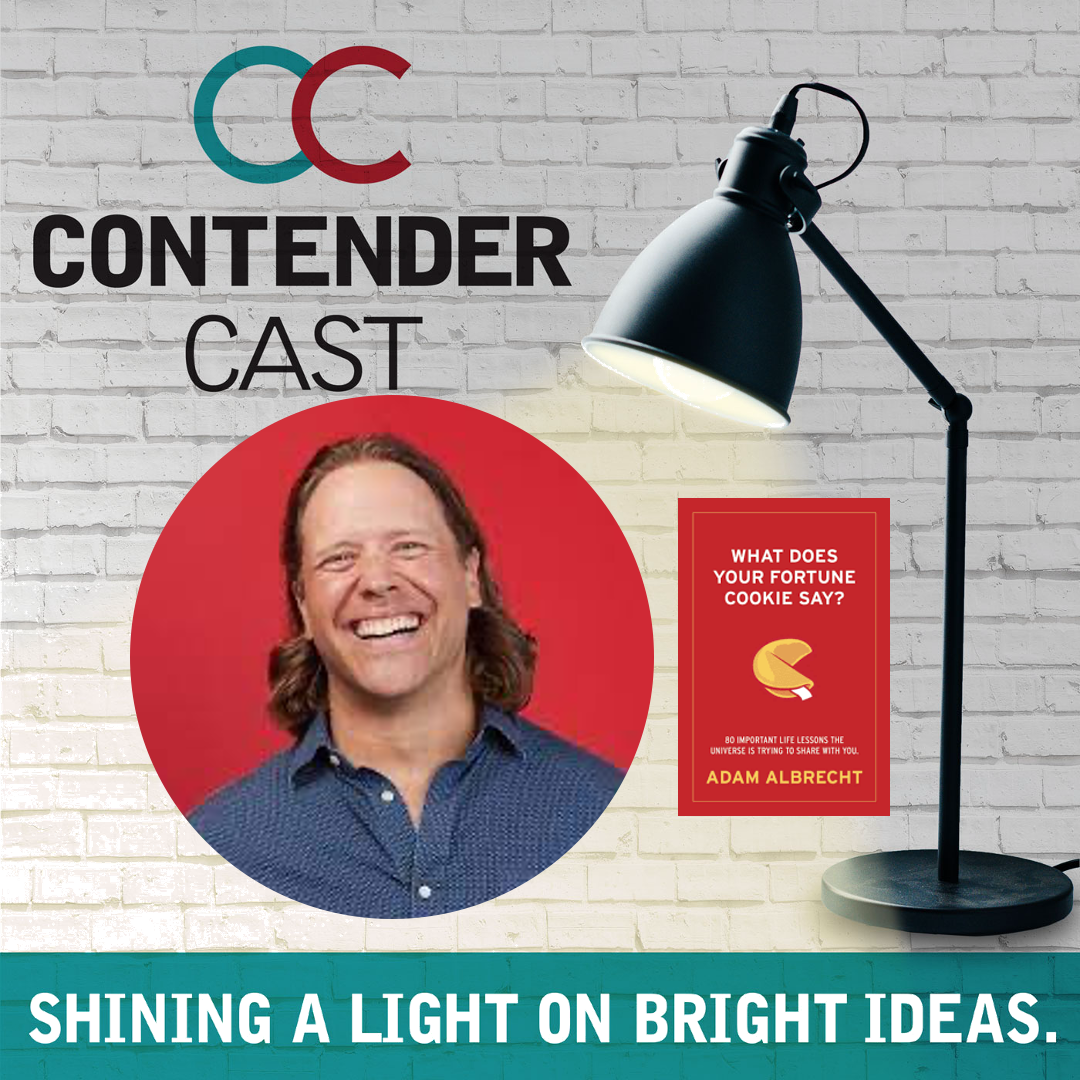
Business development is critical to creating a pipeline of opportunities. Over the years I have stayed in touch with old friends. I’ve made one hundred billion new friends. I have had phone conversations, chocolate milk meetings and lunches. I have volunteered my time. I have guest lectured and given talks. I write a blog. I wrote a book called What Does Your Fortune Cookie Say? I co-wrote a book titled The Culture Turnaroundwith Jeff Hilimire. I have given interviews and served on committees and boards.
All of those things are like planting seeds. You never know when they will sprout or what they will turn into. So keep planting seeds and watch what happens, with Andy Cohen.
4. I Delivered
The best source of new business is a happy client. And you develop happy clients by delivering for them. (Especially if you are an obstetrician, or a milkman.) The Weaponry has grown by keeping our clients happy and expanding our work with them. We are also expanding by having happy clients leave for great new jobs and bringing us with them to their new companies. I have a really great team. And I appreciate all that they do for our clients. It is why we are still here, and still growing strong.
Key Takeaway:
To develop a successful business you have to take action. Without action, you are just a dreamer. You have to save money so that you are prepared to weather the storms that will surely come. You must keep planting seeds by creating and nurturing relationships and providing value to others. Then you must deliver the goods. Nothing grows a business like happy customers. None of it is easy. And none of it is that hard. It is simply the price you have to pay to get what you want in life.
*If you know someone who could benefit from this message, please share it with them.
I have been thinking a lot about my Pivotal Days lately. Last week I shared a post about the importance of knowing your Pivotal Days. These are the days that have the biggest impact on your career and your life. They are the days that alter your path and your trajectory. And perhaps your tax bracket, zip code and Wikipedia page.
The reason it is so important to know your Pivotal Days is that they help you develop wisdom. Wisdom does not come from experience. It comes from reflecting on your experience. When you analyze your past you learn and grow. By reflecting on your most positively impactful days you learn how to create more of them. Because success leaves clues. Just like bad criminals. #BlackLeatherGlove
Reflecting on my Pivotal Days has taught me the following:
Take action. My advertising career started when I literally got off the couch and made a phone call. I stopped overthinking and procrastinating. I dialed 10 numbers. And my life changed. Boom.
Ask For What You Want. It’s a very simple premise. But it opens more doors than you can imagine. (Unless you have a really good imagination, in which case it opens all those doors that you can accurately imagine.)
Prepare for your opportunities. Not all of the magic happens on the Pivotal Days. Preparation fuels dreams. In many cases, you have to do the hard work ahead of time. So when the opportunity arises on those big days, you are ready to shine bright like a diamond.
Take Risks. Sometimes the gold is on the other side of the gap, and you have to risk the leap to get it. This happens when you take a new job, become an entrepreneur, make an investment, write a book or ask that special someone for a date. Especially when that special someone is a co-worker and it would be super awkward if it didn’t work out. (But it did work out.)
Bet On Yourself. You have to believe that you are the pivot point. You are the secret ingredient. That you have the superpower. That you have the invisible key to unlock success. When you believe that you are the difference maker you should go all in on your abilities. There is no safer bet in the world than to bet on yourself. Because you can stack the deck in your favor through your hard work, determination and resiliency.
Enthusiasm Matters. There have been several pivotal moments in my life and my career when my enthusiasm got others excited. They bought into a vision because I was so bought in. They believed that I had both the right vision and the energy to make the vision come true. Be that person. Energy is contagious. Like yawns. And giggles in church.
Key Takeaway
Know your pivotal days. Reflect on them. Understand what contributed to them. Because when you understand the causes of your pivotal days you can create more of them.
*If you know someone who could benefit from this message, please share it with them.
In the story of your life, some days matter more than others. A lot more. In fact, in most careers, there are ten days that make all the difference. The actions you take on those 10 pivotal days not only have an outsized impact on your career, but they also have a transformational impact on your life. These are the days that songs, books and movies are written about. These are the days that will help the actor playing you in the movie about your life win the big awards. So make sure to take good notes for them.
If you take a little time to reflect on your career it is not hard to find your 10 pivotal days. The days that changed the trajectory or accelerated the velocity of your career. The days that earned you new respect, new responsibility and made you more money. The days that you didn’t have vomit on your sweater. (Mom’s spaghetti.)
Here are my 10 Pivotal Days.
The day I got off the couch and called Paul Counsell, The CEO of Cramer Krasselt, and asked for an informational interview. This was the first domino to fall in my career. I got an interview. It lasted 5 hours. I made people laugh. I got a job. Everything else happened because of this call.
The first new business pitch I was in. The client started the meeting by telling our agency we had no chance of winning the account. But I had seen the movie The Secret of My Success. I knew I was the Michael J Fox character. And I had prepared as if this was the biggest moment of my career. Which it was. We won the account. Boom goes the dynamite.
The day I met my wife Dawn. We met at work. The impact she has had on my career growth and entrepreneurial journey can’t be overstated. She is my greatest cheerleader. Like the Toni Basil to my Mickey.
The day I accepted the job as the Creative Director at Engauge. Taking on a new job with new responsibilities in a new jack city with all new coworkers and clients turbocharged my growth and development. It changed my family’s lives too.
The day of my first Nationwide TV commercial shoot. We filmed a Corvette doing donuts in a cul-de-sac in Charlotte, North Carolina, in 100-degree heat. The new clients that I met that day, the challenges of the shoot that we overcame together and the strong friendships I developed with them had a huge influence on me both professionally and personally. But this day was as important for what I didn’t do as it was for what I did do. (Which I know sounds like a lot of do-do.) I wrote a story about that day here.
The day I became Chief Creative Officer of Engauge. The new level of responsibility and opportunity to impact an organization was monumental. My learning, exposure and influence increased tremendously. I was ready to leave Engauge for this kind of opportunity. So when it came to me, it felt like the end of the book The Alchemist. (Which you should read if you haven’t.)
The day I was picked to be part of the pitch team when Engauge was being sold. Being part of the 4-person leadership team that met with all of our potential buyers offered me an advanced degree in business. That process taught me critical lessons that prepared me for my entrepreneurial journey. Like Jamal Malik in Slumdog Millionaire.
The day I was encouraged to start my own agency. I got 2 calls the same day in August of 2015 from former clients. In both conversations, the callers talked about wanting to work with me, but not wanting to work with my current agency. Which led to a discussion of starting my own agency. All the other dominoes had led to this. (Except for the Domino’s that delivers pizza.)
The day I left my job at Moxie to start The Weaponry. It is one thing to think about or talk about starting your own agency. It’s another thing to do it. I had been ramping up The Weaponry by doing night and weekend side work for 5 months. But jumping made everything different. Like Camp Randall Stadium before the 4th Quarter.
The day that The Weaponry signed its first retainer client. The Weaponry had generated significant cash flow over its first year and a half. But it wasn’t predictable. Once we landed our first retainer client we had the stability to hire staff and lease an office. It was when we Pinocchioed from a startup to a real business.
Key Takeaway
Know your pivotal days. They are valuable to identify. Because they provide clues to your success. They show you what mattered most along your career journey and your story. By knowing your pivotal days, you are also able to recognize when the next pivotal days come along. When you understand how situations and opportunities lead to transformation you better prepare to make sure those opportunities go your way.
*If you know someone who could benefit from this message, please share it with them.
Imagine for a moment you got the news that you have one day to live. Just one. And it’s not Groundhog Day in Punxsutawney. (Nice try though.) You have enough time to say goodbye to your closest friends and family. But not enough time to add to your life resume in any meaningful way. I know this is a bummer. It’s supposed to be.
Now, take a moment to reflect.
What do you regret not doing during your time on the planet?
Travel?
Starting a business?
Writing your book?
The relationship you left unrelated?
Being scared?
Not giving back?
Not being your true self?
Too little time with loved ones?
That person you murdered?
Not buying life insurance?
The good news is, as far as I know, you have more than one day left.
The even better news is that you now know what to do with your time left. Do those things you would regret not doing now. Or stop doing the things you would regret not stopping now. That way, when you get to the real end of your story you will have more ‘I dids!’ and fewer ‘I wish I hads.’
The Proof
I gave myself this Regret Test on the eve of my 40th birthday. The regrets that surfaced inspired me to start my own business (The Weaponry), write a book (What Does Your Fortune Cookie Say?), travel more internationally, coach my kids’ sports teams, take redeye flights home from work trips to maximize time with my family and donate blood. The Regret Test offered the most important question I have ever asked myself. I encourage you to do the same.
Key Takeaway
Regret is a powerful tool. It helps you recognize the relative value of alternative outcomes. Tap into the power of regret to inspire your next actions. And start doing the things you wish you had done now, before it is too late.
*If you know someone who could benefit from this message, please share it with them.
I was listening to a podcast over the weekend while mowing the lawn. I always listen to something educational while doing yard work. I imagine that I am a professional landscaper, working for the man, and I plan to bust out of my lawn jockey job by learning as I mow.
In the podcast, the interviewee told the host that he went to business school to get his MBA because he wanted to learn how to start and run a business. When I heard this I laughed out loud. In fact, I laughed so loud that I heard myself over the roar of the lawn mower, despite the fact that I was also wearing ear protection.
The idea that you need an MBA to start a business is hilarious. I launched The Weaponry, the advertising and ideas agency I lead, 7 years ago. I studied Psychology and Journalism in college. I took only one business class at the University of Wisconsin. But I did stay at a Holiday Inn Express.
The Knowledge You Need Is Everywhere
There has never been a better time to start a business. There are countless books on the topic. There are only slightly more countable podcasts. (Although it is odd to compare the relative countability of countless things, no?)
You can follow the blogs and social feeds of entrepreneurs to learn from them. And many you can reach out to directly through social media by slipping into their DMs.
Entrepreneurship is not a secret club you get into by attending to an Ivy League business school. You can learn everything you need to know through self-directed education. And through a little trial and error.
Adam Albrecht’s Entrepreneuerhsip 101
If you really want to become an entrepreneur here is what you need to know:
To start a successful business you need to:
Offer a product, service or experience people want or need.
To learn from other great entrepreneurs check out the How I Built This podcast wherever your favorite pods are cast.
Key Takeaway
You can be an entrepreneur without an MBA, without going to business school, and without going to college. You just need a strong desire to start your own business. The keys to successful entrepreneurship and business ownership are available at your local library, your local bookstore or your local Amazon website. Inspiring stories and examples are available on podcasts, in magazines, and in books. There are no barriers to entrepreneurial education. Which means there are also no excuses. If you think entrepreneurship is the next step in your career then get going. There is nothing stopping you but you.
*If you know someone who could benefit from this message, please share it with them.
In 2014 I moved to Atlanta. The amazing advertising agency I worked for had been acquired by a public holding company a year earlier and the new company wanted me at the Atlanta headquarters. I had been banana-splitting my time between Atlanta and Columbus for 3 years at that point. And I was happy to finally move to the ATL full-time. But I could tell the new holding company was going to make things very different. And I expected a plot twist. And I wanted to write the script for that twist myself.
Shortly after moving to Atlanta, I began looking beyond the horizon to plan for the next step in my career. I was looking for the next great ad agency to join within a circle of acceptability near my nearly retired parents and my mother-in-law (who was not actually a lawyer). After living in 3 states in 8 years I was making plans to set the circus down someplace where my 3 children could enjoy middle school and high school in one town.
I had conversations and meals with many different agencies. But like those guys combing the dessert in Spaceballs, I didn’t find what I was looking for. Not to say there were not a lot of great people and great agencies. But I could afford to be choosey. I had a new job. And a jar of Jif.
The conclusion I came to was that the business I was looking for in the place I wanted to live, with the culture I wanted, with the compensation I expected, did not exist. So I decided that I would create my own business. Within a year I had a full-fledged passion project on my hands. I spent my nights planning and building what would become The Weaponry. And it checked all my boxes. Because I designed it specifically so that it would.
Creating your own business means that you get to create your own dream scenario. Like Wayne and Garth. You get to decide what you do every day. You get to decide where you live, what the culture is like, and who you work with. Better yet, you never have to apply for a job, wait for a gatekeeper to reply to you, or wonder why some other employer didn’t like you more. Which is pretty fricken great.
Key Takeaway
If you are not finding the place you want to work, consider creating that place yourself. Don’t wait for someone who doesn’t know you or recognize your full potential to get back to you. Don’t let other people close doors on you. Take control of your future. And your income. And your happiness. It’s easier than you think. I started the advertising and ideas agency The Weaponry 7 years ago. Along with asking my wife Dawn to marry me, it was one of the 2 best decisions of my life. If you have questions about how I did it, email me at adam@theweaponry.com. Or reach out to me on the socials. I’m typically @adamalbrecht. If you know someone who really should start their own business please share this with them too.
Remember when we used to line up to pick teams on the playground? Did you love that? Did you hate that? Your response to this question is likely related to where you were typically picked. If you were picked early you probably loved that process. If you were frequently the last kid to be picked you are probably still suffering from PTSD, or Playground Team Selection Damning.
While you are no longer getting picked for Dodgeball, as an adult you are still being picked for teams. Yes, the adult world is full of teams. And they are always looking for strong new members. But we’re not talking about the NFL, MLB, NHL, or OPP.
The adult teams include employers like businesses and non-profits. They include governments, associations, bowling teams, and 80’s cover bands.
On most adult teams your physical advantages no longer matter. It is your mental advantages that get you noticed. And the number one way you get drafted by an adult team is to demonstrate that you get things done.
On the adult teams, the valuable positions go to people who do what they say they will do. You get recruited by delivering results. By being dependable. By always showing up on time, and by not leaving until the goods have been delivered.
Adult teams recruit and promote adaptability. If you are flexible and deliver under every condition and in every climate you will find yourself in demand.
We place a high value on resourcefulness. If you are a problem solver who can find a way to complete the mission in less-than-ideal situations you will have team leaders lining up at your door to add you to their team. And if those leaders didn’t select you for Red Rover back in the day, then it’s time for you to have the last laugh.
Key Takeaway
Do what you say you will do. Get things done, no matter what. Develop a reputation as a problem solver. And delivers results regardless of conditions. Because resourceful adults are a team’s most valuable resource. So focus on your own accountability. And the best opportunities will find you.
*If you know someone who could benefit from this message, please share it with them.
I always loved the idea of being an entrepreneur. But like most normal people, I started my career as an employee. I worked for my first employer for 10 years. I worked for my next employer for 9 years. I liked my jobs. But I always knew that in my dream scenario I wanted to own my own business. I bet your dream scenario has a similar entrepreneurial ending. And maybe a swim-up bar.
After years of semi-scientific research, I have concluded that there are 3 great times to start your own business. I have published my findings below for your evaluation.
The 3 Great Times To Start Your Own Business.
When you are first out of school, and have nothing to lose.
When you retire, have plenty of money and time, and have nothing to lose.
When you are 40ish, have a lot of experience, skills, contacts, and confidence. And a lot to lose.
The first 2 paths are popular for obvious reasons. Like the-nothing-to-lose part. When you are right out of school, you aren’t giving up anything. And at the end of your regularly scheduled career, you get to choose an overtime period. Which is fun. And only threatens your shuffleboard time.
I am a mid-career entrepreneur. Jeff Hilimire started his entrepreneurial adventure while still in college. We’re both happy with our decisions.
Track Switching
But how in the world do you switch from the employee track to the entrepreneurial track mid-career? Even more challenging, how do you do it if you have a really successful career and are well compensated? How do you make the transition when you have a significant mortgage? And car payments? And kids? And a spouse you really want to keep? Plus, there is the insurance thing. And the annual company Christmas party with all the free alcohol! How do you walk away from all that gravy?
Dream it up and make it happen.
You can do it!
Well W-2 Nation, I did it. And it has been an amazing experience. When I turned 40, I realized that if I died then and there, on the dance floor, while doing the Electric Slide, my greatest regret would be that I never started my own advertising agency. So I resolved to start my own business within the next 2 years.
I launched The Weaponry, an advertising and idea agency, 6 years ago. Today, we have 26 clients, 2 offices, health insurance, dental insurance, and a matching 401(k) plan. (Never forget the k, or all you have is an area code.) We are looking at a 50% year-over-year revenue growth rate. And most importantly, I got to create the dress code.
Make the move!
Now, I want to help you begin your mid-carer entrepreneurial adventure. What lies below the fold is the collection of tips, how-tos, and advice I wish I had 7 years ago. This isn’t how-to-build-a-unicorn stuff. I’m not talking about a Zuckerberg, Gates, or Jobs path, where you drop out of college and start a trillion-dollar business. I am talking about advice for regular people, with regular careers, who want to use their experience as a launchpad to entrepreneurial success.
That’s what I did. And you can too. Here’s how, brown cow.
20 Key Steps To Becoming A Mid-Career Entrepreneur.
Surround Yourself With Entrepreneurs. Entrepreneurship is a mindset more than anything. It helps to spend as much time as you can with other entrepreneurs. It helps rewire your brain to see opportunities and become a problem solver. It will help you develop your risk tolerance. Because once you are around entrepreneurs who are enjoying the rewards of their risk tolerance you will realize the nice homes, cars, vacations, and freedoms are well worth the wager. Ask your Mentorpreneurs all the questions you can think of. They will want to help. And by hanging with your Mentorpreneurs, you realize it is far riskier to leave the control over your income to someone else. Plus, you quickly realize that you can create anything you dream up. Like the word Mentorpreneur.
2. Become really great at what you do. When you are great at what you do you become sought after. And when people seek you out, it means you no longer need your employer to develop opportunities for you. Because you can create those opportunities for yourself. This is called career capital. The more you develop the easier it becomes to call your own shots (shots shots shots!) When your clients at your day job are more in love with you than the company you work for you have a green light to start your own business. And green means go, Mario!
3. Develop And Maintain Your Network. People work with people. And they love to work with people they like and trust. Continuously expand and strengthen your relationships. The more people who like and trust you the better. Those people will become customers, partners, connectors, and referrals. And those are the 4 most important people in an entrepreneur’s life. (After the supportive spouse and great coworkers.) If you’ve neglected this area of your career, it’s time to get to work. When I started The Weaponry I quickly realized I had done much of the hardest work of entrepreneurship decades earlier through my relationship-building.
4. Save Your Money. By having reserves in your bank account or investments you can tap into, you buy yourself running room to start your own business. Most people can’t consider starting their own business because they don’t have the luxury of not having a dependable paycheck for several months. Don’t be that kid. If you don’t have the money on hand yet, start your Run-My-Own Business Fund today. You might not need the money. Or not much of it. But simply having it available provides the confidence to jump, like David Lee Roth.
5. Live Below Your Means. As your income increases, don’t let your expenses rise at the same rate or you will always need your current level of income. That’s a problem. You’ve heard of the golden handcuffs of a high-paying job that keep people locked into their employer. But the most dangerous career situation is the one where you need your current income level to support your lifestyle. Because you will never be able to downshift into a lesser-paying situation, even temporarily. And the first move an entrepreneur needs to make is downshifting into a lesser-paying situation for an undefined length of time. That is the price of entry. That is the entrepreneurial initiation ritual, my friends. Tip #4 helps you bridge that gap. My dip only lasted about a year. But it really made me hustle. And hustling helps you make money. #dothehustle
6. Don’t Quit Your Day Job. To combat the money challenges outlined in the previous points, don’t do something rash, like quit your job. Hold onto your job as long as you can. It will be the primary source of funding for your startup. Use your current job to help pay for the expenses of your next job as long as you can. Work on your startup at night and on the weekends. Like Shania Twain said, no one needs to know right now. Not quitting your day job allows your startup to gain speed, momentum, and cash flow. Not quitting until you have to makes it much easier to jump from the Employee Train to the Entrepreneur Train. If we were swinging from ring to ring on a playground, think about not letting go of the ring you are holding until you have your hand firmly on the next one. And if you never have a firm grip on the next ring, then you never let go of the one you were already holding. No harm. No foul. You tried. You can be proud of that.
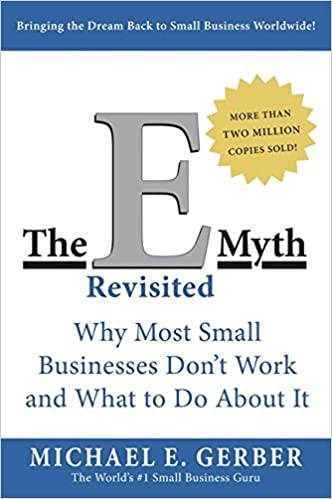
7. Read The Book The E-Myth by Michael Gerber. This book is the bible on how to start and run your business the right way. (Only there is no Jesus.) I followed all of the guidance in this book before launching The Weaponry. It helped me think about the whole process the right way, and avoid a lot of problems. When people tell me they are planning to start a business, or are floundering in their startup, I always recommend they read this. And everyone always thanks me. If I were you I would hit the link above and order the book right now. Tip #8 can wait.
8. Create Your Legal Entity: It’s easy to create a legal business entity. Start simply by applying for your FEIN. Which is your Federal Employer Identification Number. It’s like your business’s social security number. This ID number enables you to do everything the way the government and IRS want you to. With this in hand, you can file your legal business entity with your state as an LLC (Limited Liability Company), Corporation, Limited Partnership, General Partnership, or as a Sole Proprietor. I set up an LLC. (Yeah you know me.) It’s quick and easy. Then you can open your business bank accounts and get your company credit card. With these things in place, you have your financial and legal structures ready to roll. Which means you won’t need to ask your customers to pay you in cash. Or chickens.
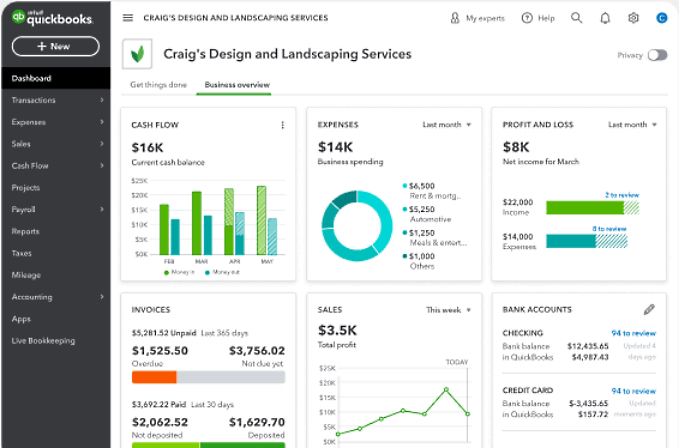
9. Get Quickbooks. Quickbooks is the accounting software that makes it easy to track and manage your accounting. You connect all of your bank accounts and credit cards to this. It makes it easy to create and send invoices (bills) and to know what is due and when. It also provides reports (profit and loss, profitability, balance sheets, etc.) and dashboards that help you manage your business. Get this going as soon as you can afford to. It will become the backbone of your accounting system. And your scoreboard. Best of all, Quickbooks is not the book equivalent to quicksand.
10. Get A Good Bookkeeper. Bookkeepers are God’s gift to entrepreneurs. They are reasonably priced specialists who have a valuable skillset that you likely don’t have. They can help you stay on top of your accounting while enabling you to spend more time on the things only you can do. Like finding paying clients. And putting on your deodorant.
11. Collect Recognizable People And Logos: You can start your business by working with anyone. But the goal should be to collect recognizable names as customers. That could mean that you work with well-known brands or people that other people know. When you share the kinds of brands or people that you work with you are elevating and legitimizing your brand by using theirs. If you work with individuals, work with the most popular most trusted, and most respected people you can. Their decision to work with you will carry more weight than say, your grandma. Sorry, Grandma.
12. Get involved in your community. The more involved you are in your community the more you will be connected to others and the opportunities they can introduce you to. You could be involved as a volunteer, member, attendee, or sponsor. You are going to want strong ties to the people around you and this is one of the best ways to get to know as many people as possible. Even better, when you support your community you will find that your community supports you too. It’s a thing.
13. Grab Chocolate Milk. Entrepreneurs understand the power of spending time with other people. Getting together for chocolate milk, (my preference) or coffee (most of America’s preference) is not about the beverage. It’s about the sharing and comparing of experiences and ideas. Through the process is sitting down with another person and talking you discover new ideas and resources. It creates a great transfer of knowledge and experience. It is the best way to tap into another person’s perspective and network. You could also meet for breakfast, lunch or drinks. Or fricken caramels. It’s all ah-bu-trary. #namethatmovie
14. Start A Blog, Podcast, Or Regularly Published Knowledge Share. It is not about who you know. It really is about who knows you. The more people who know about you, what you know, and what you are doing, the better. I started a blog right when I launched The Weaponry. And it has been a great vehicle to share my thoughts, ideas, successes, and learnings with the world. By doing so, my business and I are both top of mind when people have relevant opportunities. Podcasts, newsletters, columns, and social media channels all work too. The key is to share information and value with the world broadly so that more people than you could reach through individual messages know about you, your skills, philosophy, and eventually your business offering.
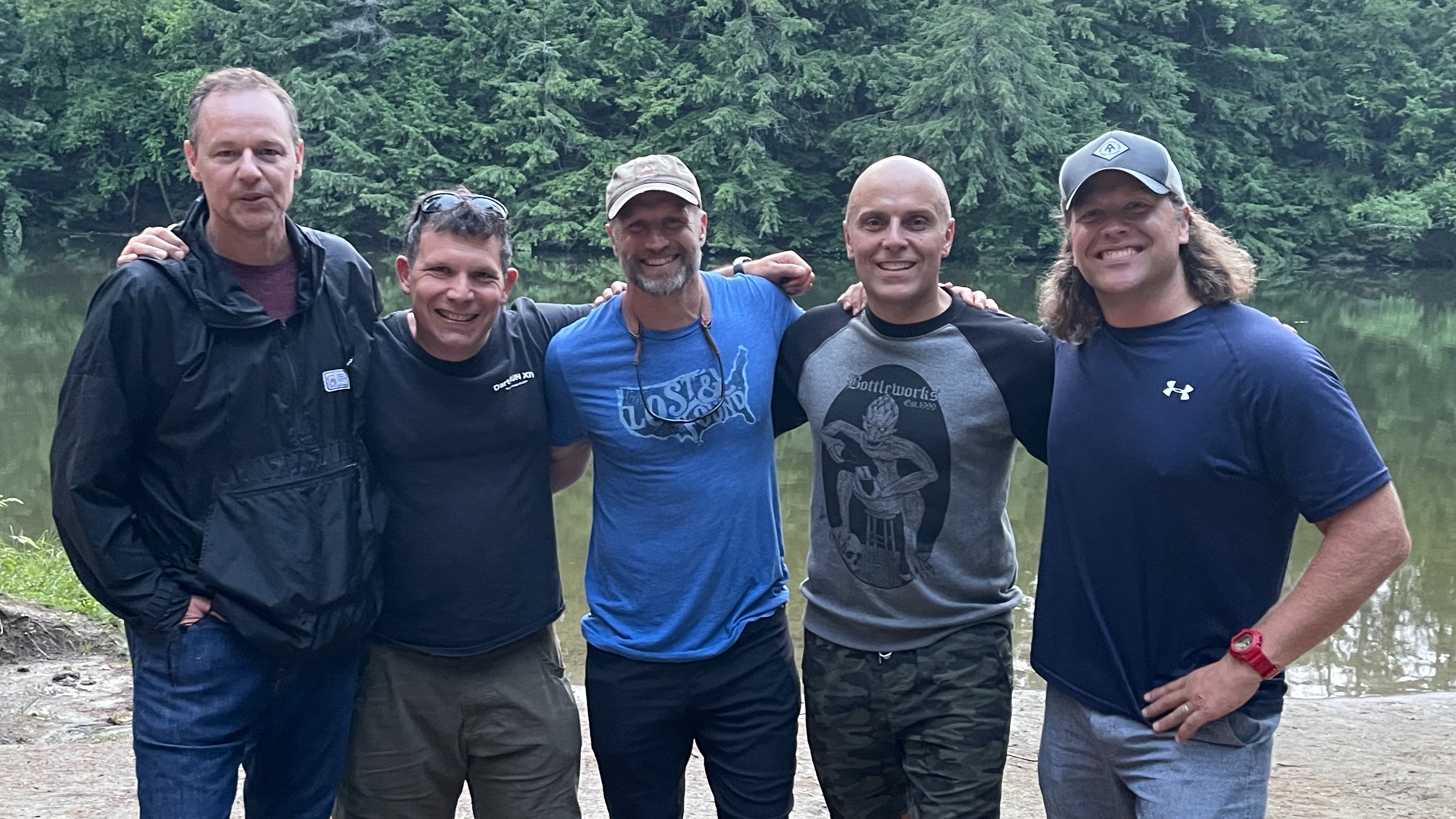
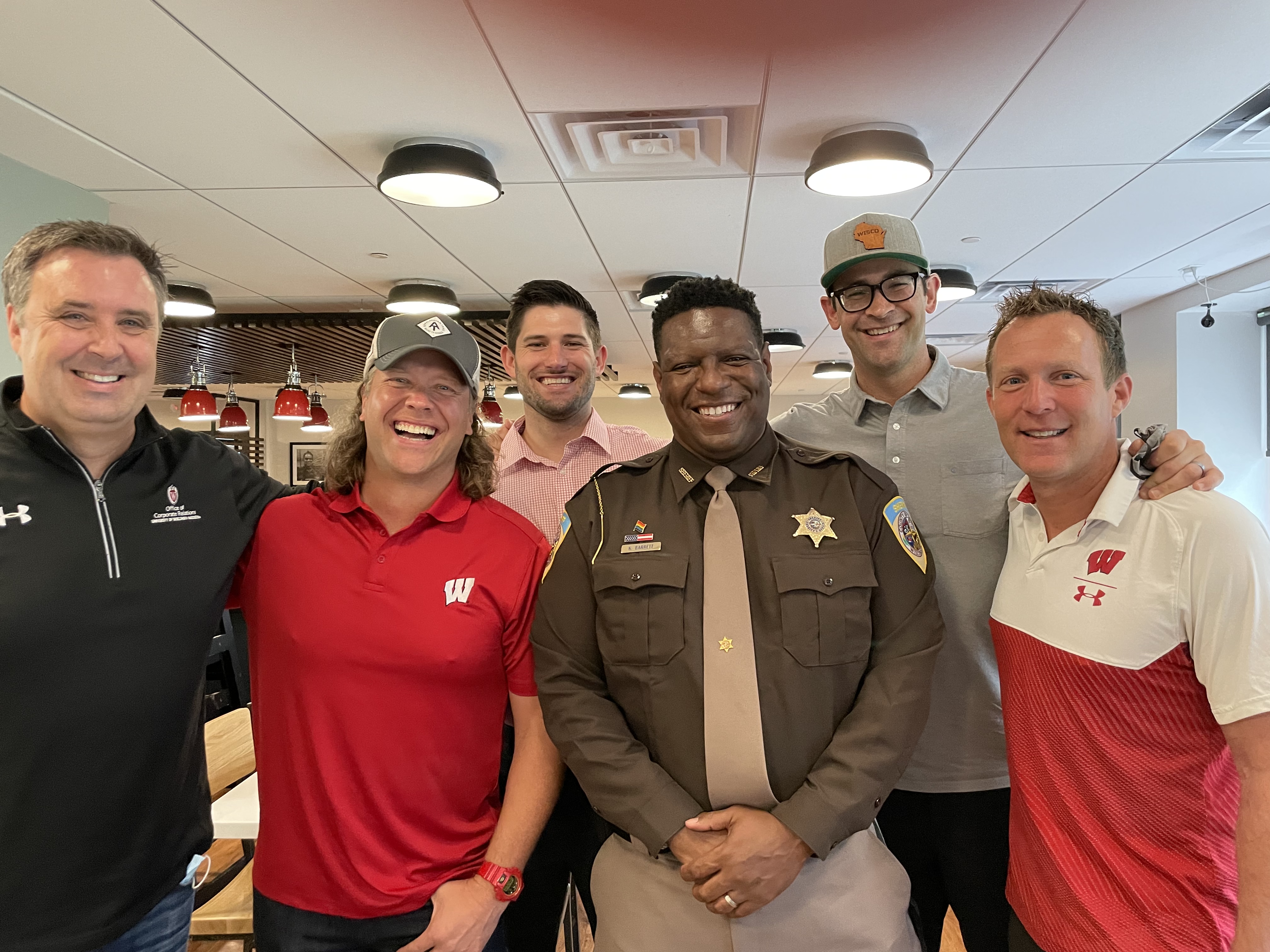
Me and my crew.
15.Find a supportive spouse. In the middle of your career, you are likely to have a spouse or life partner who is tied to your success or failure. Their support and encouragement are critical to your success. My wife Dawn has been amazingly supportive. She never batted an eye or raised an eyebrow when I shared my entrepreneurial vision with her. I would share this post with your partner so that they have an idea of what you are trying to do. That way they can help and support you as much as possible. If they are not supportive you have an important decision to make. And that’s all I have to say about that.
16. Read Read as much as you can about business ideas, successful companies, leaders, and entrepreneurs. This is the greatest entrepreneurial hack there is. Learn all you can from others who you admire and want to emulate. Read about how other Founders did what they did. There is no end to what you can learn from others. Read books, online articles, and blogs. Listen to podcasts and audiobooks as you commute. Drink that knowledge in. Create your own curriculum. And give yourself your own, self-directed advanced degree. You can even walk across your own stage and hand yourself an official-looking piece of paper. That would be weird. But you could do it.
17. Grow Your LinkedIn Connections. LinkedIn offers the best measure of your network. Create a profile if you haven’t already. Become an active user. Add everyone you meet to your LinkedIn profile by sending a custom invitation reminding them of how you know them or why you want to connect. This will become ground zero for raising your profile and staying in touch with your broader network and the opportunities they bring. Like, comment, and share content from other people. Make people who don’t know you curious about who you are. Insider Tip: LinkedIn offers an audio icon next to your name that let’s you share how your name is pronounced. Click on mine to see how it works.
18. Learn As Much As You Can About The Business You Are In Now. While you are still employed by someone else, take advantage of the experts in the organization. Learn from the finance or accounting teams. Talk to HR about how benefits, recruiting, and reviews work. Talk to sales about how they generate leads and close deals. Talk to operations about what makes them such smooth operators. Talk to IT about, well, IT. You can learn about all of the things you are going to need to know as an entrepreneur while in your current job. Think of it like studying. Your coworkers will love your interest in their work. And they will be flattered when you start your own business and credit them as your sliver mentor in their specialty. You’ll also know who would be a good resource to hire after your non-compete clause expires.
19. Write down your plans. It’s one thing to think about starting a business. It’s another to write down a plan to make it happen. Once you have a vision for your dream business, write it down. The more details the better. That written plan becomes your blueprint to build it for real. I followed the written plan approach from The E-Myth, and it gave me great structure and clarity around what I was creating. Do this too. Also carry notebooks. Not only are they great for capturing spontaneous ideas, but if you get shot in the notebook, it just may save your life.
My great client-friend Nicole Hallada was one of the first people I told about The Weaponry.
20. Talk To Former Clients About Your Plans. Your best prospective future clients are your past clients. When I launched The Weaponry I discussed my plans with several former clients. Within the first week of discussions I had 5 clients tell me that if I created a business they would send work our way. That confidence, interest, and demand in my offering made it much easier to jump. 4 out of those 5 former clients became future clients. The other one is living with constant regret. Right Chad?
Key Takeaway
Starting your own business in the middle of your career can sound intimidating. But the more you know, the easier it is. You can do it. Utilize the knowledge of those who have gone before you. Most of it is easier than it seems. With the tips above (that I wish I knew when I was starting out) you will be able to start taking steps today. Then simply never stop. If you need a Mentorpreneur, just reach out to me through Linkedin. Tell me I sent you.
*If you know someone who wants to start their own business and could benefit from this message, please share it with them.
My 16-year-old daughter Ava has a new job this summer. She is a cashier at our local Piggly Wiggly grocery store. The store name sounds both deliciously made-up and midwestern. Ava doesn’t know it yet, but it will also provide her with a fun talking point for all future job interviews.
Like any eager Dad, I like to talk to Ava about her job and what she is learning about life, business, and pigs. In my head, I imagine that our talks will be an important part of her success story. Like Robert Kiyosaki’s childhood talks that inspired the book Rich Dad. Poor Dad. In reality, she’s probably going to write a book called Nosey Dad. Annoying Dad.
Ava really enjoys her job at The Pig. The store is central to our community and she gets to see people she knows all day long. When she gets home from work I like to greet her with questions like, How was work? And, How was the paper-to-plastic ratio today? And, What are the Bosleys having for dinner tonight?
The Bigger Lesson
Last night I asked My-favorite-child to share the greatest lesson she has learned from her job so far. So she did. And the answer was far better than I was expecting. Which is why I am writing about it now. Here’s her answer.
What’s the greatest lesson you have learned from your job so far?
I’ve learned that a good job is not so much about the actual work you do as much as it is about who you are doing it with.
I expect that in your actual career the kind of work probably matters more. But the key to happiness at work is to surround yourself with people you enjoy spending your time with.
The wrong people can make you miserable, even if you enjoy what you are doing.
But the right people can help you enjoy what you are doing, even if you are not crazy about the work itself. And even if it’s not your dream job.
Being surrounded by the right people will help you do your job better than when you are around miserable people. Because when you are around happy people who take pride in their work, you will want to too.
Happy people rub off on each other, and lead to better customer service.
I’ve now learned that both good and bad atmospheres build on themselves. But in opposite directions.
Last summer my work environment was terrible, all the way from the top managers to the lowest levels of the staff. It was a hard place to work. And toxic.
But this summer, the work environment is so positive and enjoyable that the positive relationships between coworkers keep building, and then spill over to positively impact the customers’ experience.
-Ava Albrecht (16)
My deep-thinking cashier.
Key Takeaway
A good job is less about the work you do and more about who you do it with. Find work you like to do, and people whom you enjoy spending time with. And you will win at life. And work.
*If you know someone who could benefit from this message, please share it with them.
Most high school seniors will graduate within the next week or two. High school commencement is one of the most exciting events in a human’s life. And with good reason. The best, most interesting chapters of your story start after high school. Unless, of course, you were in an epic high school-based movie. In which case, it’s all downhill from here. (You can check the 50 Greatest High School Movies of All Time here to make sure you weren’t in one).
As you begin down the yellow brick road of life you will constantly encounter new challenges and opportunities. You will find people who are trying to help you, people who need your help, and people who just want to steal your slippers.
You’ll benefit from as much good advice from those who have traveled the road before you as you can get. So please allow me to contribute a little worthwhile advice from someone who has been there, done that, and discovered some secrets to a successful journey.
An Open Letter to High School Seniors.
Dear Seniors,
Four to ten years from now, when you graduate from college, finish your military obligations, or give up on your Hollywood/Nashville/YouTube/Lottery dream, you will start focusing on your real career. When you do, everyone will tell you that you need to start building your network.
But they are wrong. You need to start building your network now. So before you throw your binders in the trash, your graduation cap in the air, and carve your initials into the wood paneling of the senior lounge, you should begin building your professional network.
WTH Is A Professional Network?
Your professional network is a collection of the people you know that may be able to positively impact your professional career. The people in your network, or community, will be able to help with career advice, finding a job, and connecting you to other people and businesses that are important to your career advancement. You will also be able to provide the same sort of help to others in your network. Because it takes a village to keep a child from moving back into their parents’ basement.
Who Are My Connections?
Your connections are your friends, your family, and your teachers. Your connections are your friends’ parents. They are the adults you know from church, and the extracurricular activities you’ve participated in. They are your coaches. They are the kids you competed both with, and against, in sports. They are the kids you know from camp (like that one girl who played the flute).
Starting A Connection Collection.
The best career move you high school seniors should make right now is to create a profile on LinkedIn and start collecting your connections. LinkedIn is an online social networking site for the business community. And right now is the best time to start collecting your network. By starting now, you will collect the most connections. And the more connections you properly maintain, the stronger your network will be. It’s kinda like being popular in high school. Only this type of popularity can dramatically impact your salary (your salary is the adult version of an allowance).
Grow As You Go
You will want to continue collecting your friends and acquaintances throughout college, trade school, military service, your walkabout, or your creative exploratory period. Every time you meet someone new, don’t just think about adding them to Snap or Insta. Sure, do that too. But definitely add them to LinkedIn. Granted, the filters on LinkedIn aren’t as good as Snapchat. But having a good job makes you look better than any photographic editing or augmented reality can.
It’s All About The Network, (and the Benjamins)
Eventually, everyone is going to tell you to network and build your network, and that it is all about your network. That’s just an adult way of saying:
Stay in touch with the people you know, because it will connect you to opportunities, advice and endorsements that will prove highly beneficial down the road.
Why Start As A High School Senior?
You know a lot of people now that you are going to forget. Those kids you go to school with are going to do amazing things with remarkable organizations. And they are going to have opportunities for you, but only if you stay in touch. You are also going to have opportunities for them. Even better, in the real world, there are things called referral bonuses. Which means you can make extra money for helping your organization find good talent. #cha-ching
Monitoring Your Classmates
Adding your friends to LinkedIn is like putting a tracking device on them. It will allow you to collect intel on each person, like where they went to school, what they majored in, and where they worked after college.
It also puts a tracking device on you, so that others will remember your educational track, your career path and your special interests and activities. That way your connections will know when their opportunities intersect with your skills, interests and abilities.
The Adult Rock Stars Around You
Your neighbors, teachers and friends’ parents are more successful and connected than you know. Four or five years from now you could end up in a job interview with them. Or with their friends or relatives. When that happens, you will want every advantage you can get. Like a good endorsement from someone who knew you were always such a good kid. (You were always a good kid, right?)
Trust Me. I Know.
I started my career in advertising as a copywriter. But I always envisioned becoming an entrepreneur and someday starting my own ad agency. 19 years later, that’s exactly what I did. In 2016 I launched my own advertising and idea agency, The Weaponry.
Do you know who my very first client was? My friend Dan Richards, whom I have known since 7th grade. Dan is the Founder and CEO of a badass company called Global Rescue. Which means that Dan and I went from high school classmates, and football and track teammates, to summer job coworkers, to trusted business partners. We have helped each other launch highly successful companies.
Today, one of my important clients is Sarah Wilde at Sonic Foundry, an innovative technology company based in Madison, Wisconsin. But Sarah and I have also known each other since 7th Grade, and we grew up together in Norwich, Vermont.
Sarah helped plan a couple of our Hanover High School class reunions. And I planned the most recent one. At that reunion back home in New England, we talked about potentially doing work together. Since then we have launched 2 completely new brands together from dust. As we would say in Vermont, that’s wicked awesome.
Note To Self
They say the best day to plant a tree is 20 years ago. And the second-best day is today. The same holds true for building your network. Start now by collecting your connections before you leave high school. But if you are already in college, serving your country, or in the middle of your career, and you haven’t been building your network, start now. (By now I mean after you read the next paragraph.)
Key Takeaway
There are amazingly talented people all around you. So start collecting them today. It’s the very best way to assure an abundance of everything you will need later in your career. By doing so you may help one of your high school classmates find their dream job. Or launch their own business. Or they may help you launch your dream business. I know. Because it happened to me.
-Adam Albrecht
Founder & CEO of The Weaponry
+If you realize that this is worthwhile advice, you might also like my new book, What Does Your Fortune Cookie Say? It is full of more lessons like this. It features 80 of the best life lessons I have learned since graduation. Good luck graduates! It just gets better from here.
* If you know a recent graduate that you think could benefit from this message, please share it with them.

























 Adam Albrecht Blog