One of life’s great secrets is that you can rewrite your past to serve you better today. In fact, your past is simply a tool for you to use to empower today. Like a Sawzall. Or a squeegee
Too often, we cling to the pain, shortcomings, or embarrassments of past events, which will do nothing to help you today. So let it go, like that girl from Frozen.
We all have successes and failures. You can build your story using either, just as The 3 Little Pigs had their choice of building materials. But if you want to protect yourself and keep the wolves at bay, choose wisely.
Your backstory and the identity it creates for you are two of your greatest assets. And as you modify and update your history, it will change both what you believe you are prepared for and what you deserve.
That crafting and re-crafting of your own history will shape your future. Because your story becomes more valuable through your own interpretation.
Nobody likes a sob story.
But they love a comeback story.
Or an ugly-duckling-transformed-into-a-beautiful-swan story.
Or an ain’t-nothing-gonna-break-my-stride story.
I have been working on a major writing project in which I set up a string of my life events that lead to what seems like a pre-destined outcome. I am using specific pieces of my history that, when linked together, create a compelling and convincing narrative. I am not fabricating anything. I am simply editing my own history to create a clear and compelling story built on real events. But I also eliminate anything that detracts from the story. Like any good writer would do. (I’m finally figuring some things out.)
Today, when I am discussing potential business deals or speaking opportunities, I share an edited version of my personal or professional story that aligns with the opportunity. The stories are always true. But they can create very different historical records of my past. I focus on sharing only my experiences that qualify me for the work in question. In fact, when discussing these projects, I could also create real stories that build a case for why I am not qualified for the same opportunities. I won’t. Because that would be stupid. But I could. And people do it all the time.
How To Create A More Valuable History
Tell yourself a great story about how your past is empowering you today. You can do this by simply dropping the bad stuff from your personal narrative. (Did you even know you could do that? You can! And you should.) #DropItLikeItsHot
You can also leverage your challenging past. Tell yourself and everyone else how you have used the tough things you have experienced to get you where you are. Or you can tell the story of how you are using your difficult past to propel you forward on your current path. Or the path you are about to embark on. (Come aboard. We’re expecting you…)
Key Takeaway
Your history exists to serve you. Not to hold you back. Magnify the positives. Minimize or drop anything that doesn’t help. Craft great stories. Apply lenses that improve the optics on events, accomplishments, experiences, and setbacks. And use your history as a springboard to set you up for even greater success tomorrow.
*If you know someone who could benefit from this message, please share it with them.
10 years ago, in the fall of 2015, when Donald Trump was still best known as the star of The Apprentice, I began publishing the Adam Albrecht Blog.
I had just read a book by Jeffrey Gitomer called Little Black Book of Connections, where Gitomer wrote about the importance of having a platform to broadcast your ideas. By doing so, you can share your experience and perspective with many people at once. Which is a far more effective and efficient way of connecting and staying in touch with people than communicating one-on-one. Like Hall & Oates.
At the time, I was planning the launch of The Weaponry, the advertising and ideas agency I have led for the past 9.5 years. I had already dabbled with 6 different blog attempts at that point. In each case, I stopped writing almost as quickly as I started. I simply didn’t have the motivation or the habit to keep them going.
But The Adam Albrecht Blog stuck. Like bubble gum in hair. I spend as much time writing each week as I do eating food or exercising. I spend as much time writing as I do commuting to and from work each week.
All this writing has changed my life. The blogging has led to writing books, which have led to amazing speaking opportunities all over the country. (I would also be happy to speak in any of the other 135 countries where my blog has been read.)
The writing keeps my thinking sharp, like aged cheddar. It creates something of value to contribute to the world 2-3 times each week. Remember, your value to others is directly related to your contribution.
Additionally, because I share all of this writing on broadly visited platforms, I am often top of mind when other people have relevant opportunities. Which means I get more than my fair share of great opportunities. Which is the whole point of advertising.
The Math
This is my 1,100th blog post. It’s a crazy big number to think about. But it’s a simple example of small, consistent efforts compounding over time. 1,100 published blog posts over 10 years equals 110 posts per year. That means, on average, I have published a new blog post every 3.3 days. Or 2 blog posts per week, consistently for 10 years.
If all this math talk sounds like the teacher from Charlie Brown to you, just know that I have written a lot over the past decade. And while I have shared a pile of ideas, lessons and insights with the blog-accessing world, the person who has learned the most through this process is me. Because if you don’t learn a great deal from writing that much, you probably aren’t all that smart to begin with.
11 things I have learned from publishing 1,100 blog posts.
You can’t get to 1,100 without the first step.
1. Get started.
While a journey of 1000 miles begins with a single step, a blog of 1100 stories begins with a single post. I started with a post titled The Perfect Agency Project, which I published on November 9th, 2015. (That was also the name of the blog for the first few years.) Two days later, I followed up with a post titled The perfect agency could be like the DMV. On November 17th, 2015, I published the seminal work, The A-holes Rule. And I was off and writing.
Those first 3 posts gave me a taste for what could be. Just like Neil Armstrong said, it was the first small step that mattered most. If you want to create a blog, podcast, YouTube channel, newsletter, column or any other knowledge share, don’t overthink it. Just get started. That is the pass/fail of any undertaking. Action is the best teacher. You can figure out the rest as you go. Need more help here? Try reading Why you should be an Imperfectionist, like me.
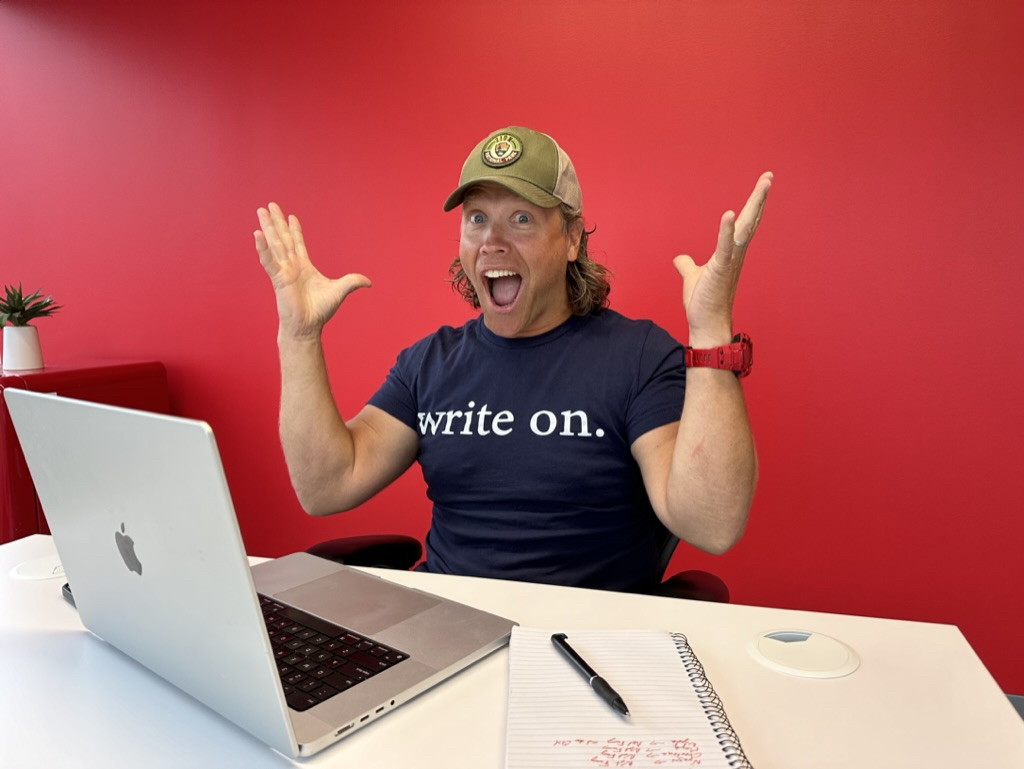
This is my blogging in-action shot.
2. Write About Things You Really Care About.
This makes all the difference. Don’t just write about things you think you should write about. Choose things you really care about, and really think about. It will mean you have a deep well of inspiration. I write regularly about advertising, entrepreneurship, business, creativity, and self-improvement and human relationships.
Unlike a magazine, newspaper or professional blog, the beautiful thing about a personal blog is that you don’t have anyone telling you what you can and can’t write about. I have developed a rule not to complain in my blog posts. But other than that, anything goes. Including these random posts about the fly that landed in my ranch dressing and a strange encounter I had at my local Piggly Wiggly.
3. Create A Strong Writing Habit.
I quickly realized that the best time for me to write is first thing in the morning. I wake up at 6 am and write for an hour, Sunday through Thursday. I don’t think about it. I just do it, automatically. Like Nike.
My writing habit was created in the first year, and it made everything easier. Find a time that works for you every day, or every weekday, or every weekend day, and make it happen. Then watch the production pour in. As Will Durant (not Aristotle) wrote, “We are what we repeatedly do. Excellence, then, is not an act, but a habit.” If you consistently write, you are a writer. And as Matthew McConaughey said, “All write, all write, all write!”
4. Don’t Worry About Readership.
I would love it if every blog post was read by millions of people. But I learned early on that even when you write really good posts on really important topics, you never know what is going to be read and what won’t. You’re blog relies on a series of algorithms to get in front of people. Whether you are posting it on WordPress, sharing on Facebook, LinkedIn, Medium or other platforms, the algorithms play gatekeeper. So write to positively impact just one person, and you have created real value. I also learned that it is valuable to create your own newsletter so that you control the channel. So write good posts that offer value. That is all you should ever care about. Well, that and human rights.
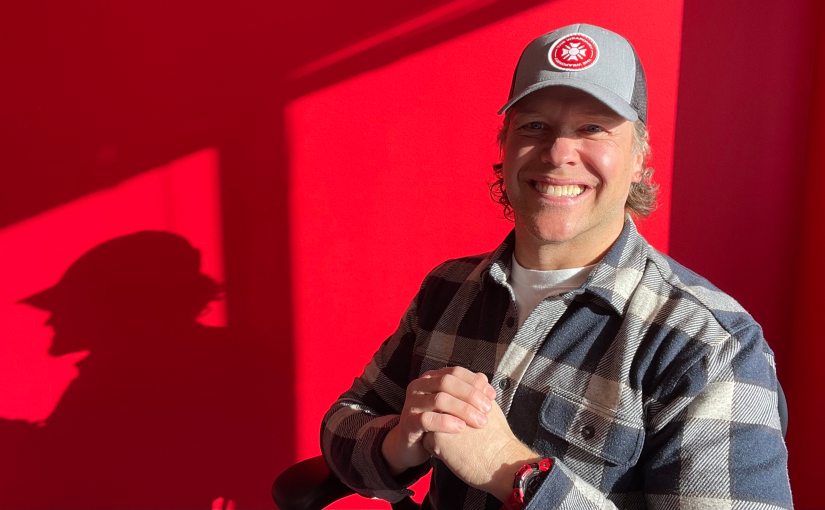
I’ve never heard this guy sing, but I can tell he has a distinct voice. Or he couldn’t rock that hat.
5. Create Your Own Voice.
I have discovered that my favorite writing style mirrors my speaking style. So I write the way I talk. Which is full of random asides and pop culture references. Because that’s the way my mental machine works.
But I have also landed on a recipe that creates a distinct flavor for my writing. I want everyone who reads my work to learn a little, laugh a little and lift a little. Which means my writings should be educational, humorous and optimistic. Most non-fiction writing is educational. It’s the addition of humor and optimism that makes my writings more Rocky Road than vanilla. Find your own flavor. Blogging is great for helping you find it. Just keep writing and experimenting until you find a style that suits you. Like a business suit, jumpsuit or birthday suit.
6.Start A Draft Whenever You Have An Idea.
Inspiration for posts can come from anywhere. When inspiration strikes, write the basic idea into a quick draft on your phone, computer or notebook. I currently have hundreds of unpublished drafts. In fact, my blog is so drafty I am regularly served ads for weather-stripping. Your ideas are likely to disappear if you don’t write them down. Having several drafts started gives you plenty of options to work with on days when you are less inspired to write something new.
7. Posting Brings Good Things.
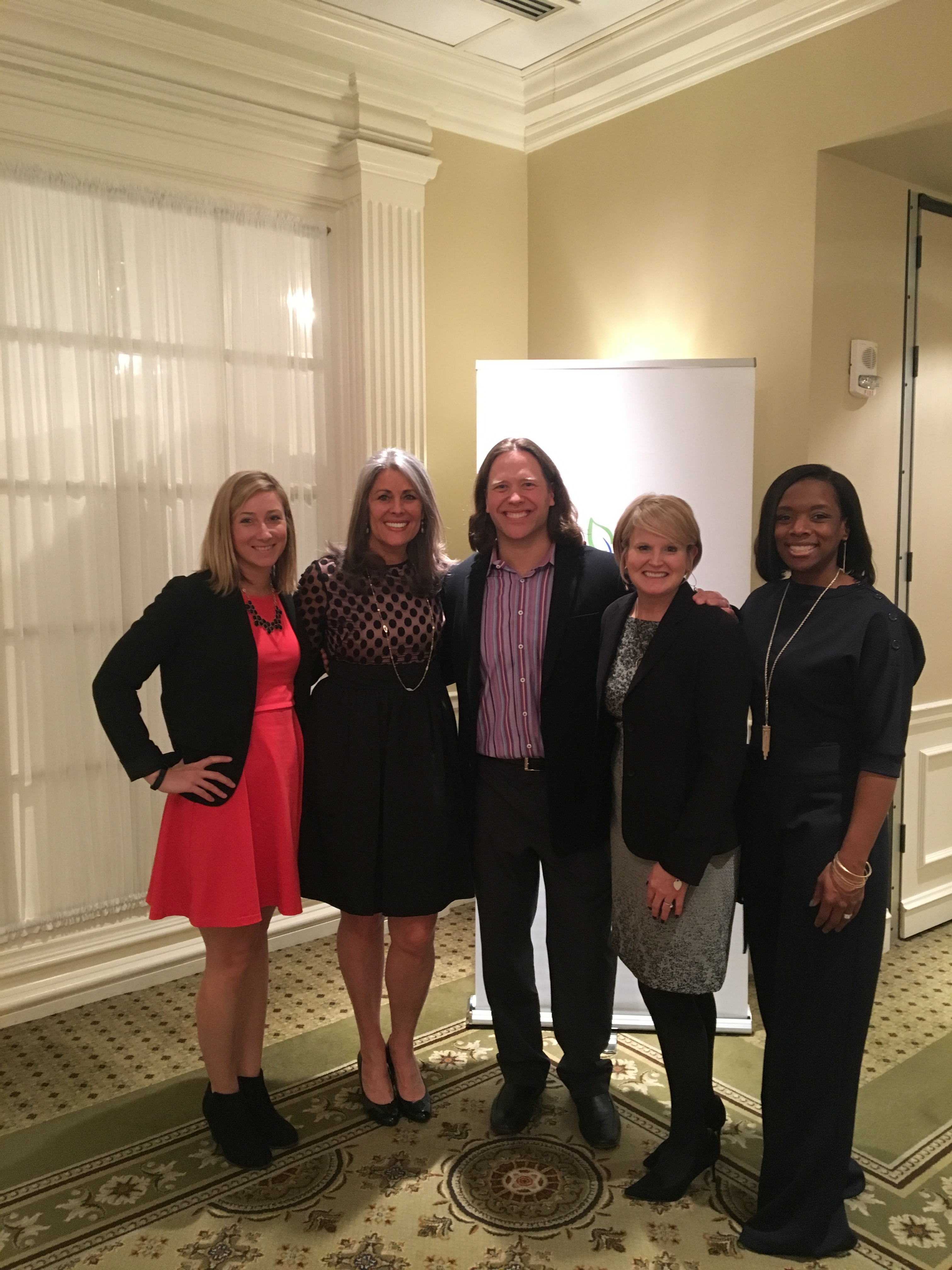
Every time I publish a post something good happens. I get an opportunity or an introduction. I hear from a friend or family member. Or I get a kind, thankful or supportive comment from a reader. And sometimes, I get asked to emcee a charitable luncheon by my friend Stacy Sollenberger (second from right), where I meet a future employee who helps bring great new opportunities to The Weaponry. Or my friend Tim McKercher forwards a post to Vanilla Ice, who tweets the post out to the world. You know, that kinda stuff.
8. There Is Always Something To Fix.
When I look back at my published posts I feel like Michael Jackson looking at his face. Because there is always something I want to change. Always. I would add another example, smooth a transition, insert another joke. (Or take out a joke I would no longer make.) But the blog posts must get published. Published is better than perfect. It’s a blog. Not a book. You get a round of writing. A round of improving. And then you have to push that post out of the nest to fly or flop.
9. The Real Impact Is Not Measured In Views, Follows, Likes Or Comments.
Let me address measurement one more time. After having published 1,100 posts, I am certain that you can not measure the impact of a blog in views, followers, likes or comments. The true impact of a blog is in how it impacts a life. It is in how the story, insights, information, motivation or inspiration you share improve the lives of your readers.
Blog posts are meant to help in some way. That help is not measured in likes and comments. It is measured in things like confidence, reassurance, life lessons learned, successful actions taken, and opportunities seized. Never lose sight of this. The real impact of your blog may not be recognized for years, or even decades. Be patient. And just keep writing.
10. The Blogger Learns More Than The Reader.
When I first began writing my blog I expected to teach others a bit about the things I write about. But I learn more than anyone else. Regular writing forces a lot of self reflection, and analysis. You start viewing everything in life as lessons and insights worth sharing. The writing and editing process teaches you to clarify and refine your thinking. You draw scores of new connections and aha’s along the way. #takeonme So regardless of whether or not anyone ever reads your writings, you will profit from the writing itself.
11. You Can Create A Massive Library Of Knowledge.
My regular blogging habit over the past decade has resulted in an estimated 550,000 words published. That is the equivalent of 11 full-sized, 50,000 word books. That means I have written a shelf worth of books for your home library. It is my contribution to the compounding pile of human knowledge. And it would take you a long time to read it all. The quantity of information, insights and experiences I have shared is almost beyond my own comprehension. But, like Sonny Bono, I am glad I have shared so much. It has provided as least one more perspective for others to consider as they navigate their own adventure.
Key Takeaway
Blogging pays off. But it pays off slowly. You have to be patient. And persistent. When you are, the cumulative effect of writing and sharing good work regularly increases your value to others. Which in turn becomes valuable to you in ways that are both monetary and life-i-tary. Blogging keeps your voice and your viewpoint top of mind for others. Which means that you are both recently and relevantly recalled when opportunities surface. It works for me. It can work for you too. And despite all the tips it really comes down to this:
Think, Write, Review, Publish, Repeat.
Thanks for reading. I really appreciate your time.
*If you know someone who could benefit from this message, please share it with them.
A good friend called me this week to tell me he had started a new business. Because his new entrepreneurial adventure would require him to sell himself to others, he asked me for my best advice on how to build a personal brand. I’m not sure if he asked me because I have spent my entire career building brands, because he admired my personal brand, or because he wanted to understand where I went wrong. I was afraid to ask. After a moment of reflection, I shared my best advice on building a personal brand. And here it is for you.
Influencers know something that other people don’t:
It is not about who you know. It really is about who knows you.
The more people who know about you, what you know, and what you are doing, the better. The Kardashians have built an empire on this simple principle. And the fact that so many people can actually spell Kardashian is proof that it works.
The first thing you should consider when building your personal brand is to start a blog, vlog, podcast, newsletter, social media feed, or other regularly published knowledge. (Which would include having your own TV show like the Kardashians.)
When I first started The Weaponry, I also started The Adam Albrecht Blog. It has been an amazing vehicle to share my thoughts, ideas, successes, and learnings with the world. Literally. My blog has been read in over 150 countries. Who knew there were over 150 countries? (Geographers and cartographers knew. There are actually 195 countries.)
A regular commitment to sharing your knowledge and experience through blogging helps build your personal brand and reputation. For the past 9 years, I have shared my thoughts, experiences and perspectives two to three times per week. This creates a steady stream of value-adding content that I can then share on various other channels, including LinkedIn, Facebook, X, Medium, Reddit, Instagram and Threads. However, as of this morning, we Americans can no longer share our expertise or best dance moves and lip-syncing skillz on TikTok. Because apparently national security is more important.
As of this publishing, I have written and published 1,045 blog posts that I can share across my social media ecosystem. As a result, my business and I are both top of mind when people have relevant opportunities. I regularly hear from people that I haven’t seen in a long time who tell me that they think of me often. This is what sharing your content does for you. This makes it great for building your brand but terrible if you are in the witness protection program.
Podcasts, newsletters, vlogs, columns, and social media channels all work too. The key is to share information and value with the world broadly so that more people than you could reach through individual messages know about you, your skills, experience, philosophies, and your business offering.
While you may create your platform to help support your business, you never know where your platform may lead. My blog readers encouraged me to write a book. Which sounded crazy-hard, until 2020, when I suddenly had plenty of time on my over-sanitized hands to do crazy-hard things. I published my first book in 2021, building on the content I had first created for my blog.
My first book, What Does Your Fortune Cookie Say?, created amazing new opportunities for me as a paid speaker, and as a guest on TV shows and podcasts. Those opportunities helped raise my profile, and enabled me to share more about my business and my personal perspective on a wide range of topics.
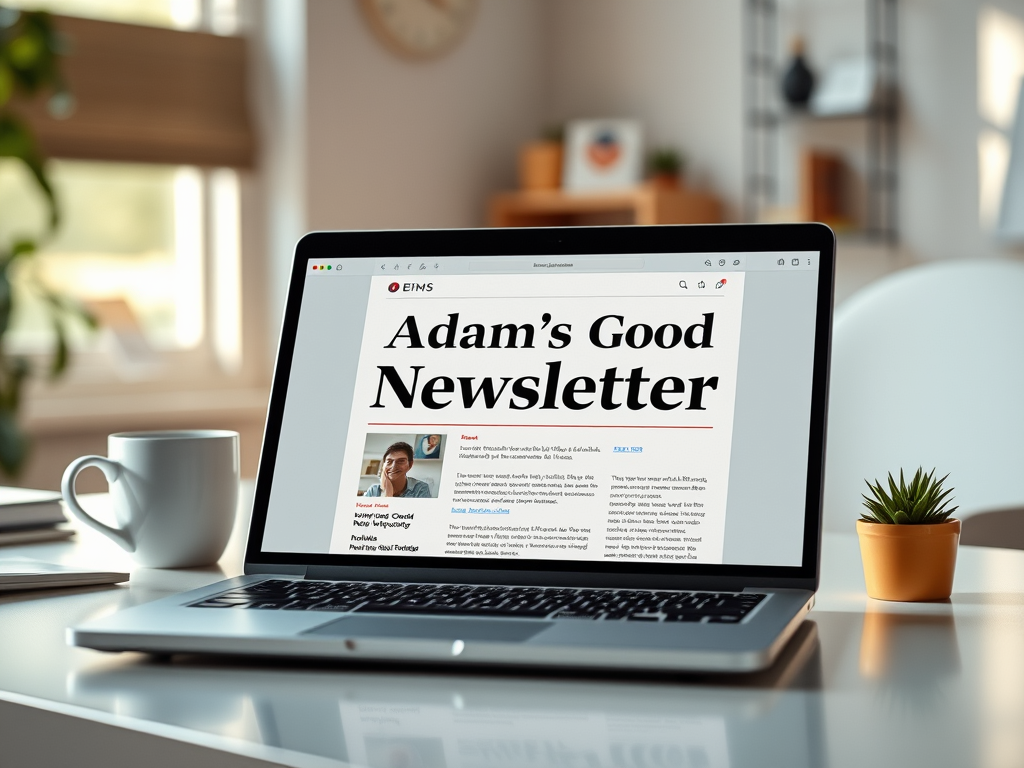
In 2024 I also started publishing Adam’s Good Newsletter. The reach of the newsletter now exceeds the reach of my blog. And the newsletter is a great vehicle to share good news and information about all of my activities, interests and offerings.
Having your own newsletter also means that you own a media channel. While Facebook, LinkedIn and X continue to modify their algorithm to their own advantage, making it harder and harder for you to share your message without paying for exposure, like at those clubs, you control everything about the way your message is shared in a newsletter. And the audience you develop for your newsletter becomes one of your greatest assets.
What’s more, a newsletter created through a newsletter service provider like Mailchimp (which I use), Substack or others, enables you to see when readers have opened your newsletter, and which links interested them enough to click on them. This feedback enables you to create an even more valuable offering, both for your readers and for yourself and your business.
Key Takeaway
Always remember, it’s not about who you know. It’s who knows you. Develop a platform to share what you know and what you are experiencing with others. This not only creates value for your audience, it raises your profile. It means that people will think of you more often, even when you are not thinking of them. As a result, you won’t just seek out your own new opportunities, the dynamic flips, and both people and opportunities find their way to you. Which changes everything. Kinda like a TikTok ban.
*If you know someone who could benefit from this message, please share it with them.
Everyone who has ever shopped for a home knows the term curb appeal. It refers to the immediate impression that a home makes when you pull up to it. It’s the real estate version of judging a book by its cover. Only it’s a really big book. And the cover features a circle driveway, begonias, and a couple of garden gnomes.
Brand Curb Appeal
Brands and businesses have to think about their curb appeal too. You have an opportune moment to impress your potential customers when they first encounter your brand. That first impression can either help sell or unsell customers before you even mention the advantages of your non-caloric, silicon-based kitchen lubricant on cereal. Or sledding hills.
Personal Curb Appeal
But it’s also important for us to think about our own personal curb appeal. When people encounter you for the first time what do they see? What do your clothes, shoes and hair signal? What does your posture say about you? What message is your face sharing with the world? Do you have RBF? Or PMF? (Post Malone Face)
Is there something in your personal curb appeal that helps you stand out from the crowd and makes you interesting, unique and memorable? If not, think about what that could be. What’s your signature attribute? Just as a home benefits from a beautiful door, noteworthy landscaping or remarkable lighting, you also benefit from your memorable differentiators.
If you don’t yet have any memorable differentiators, now is a great time to discover something that serves you well. It could be something about the way you dress. Hats, shirts, ties, pants, belts, socks and shoes are all great options for creating interest and distinctiveness. So are other accessories, like watches, glasses, purses, canes and monocles. And you will really stand out if you rock 2 monocles at once.
But your personal curb appeal can also be enhanced by the way you carry yourself. Your visible energy, warmth, friendliness, happiness, charisma, kindness or professionalism can make a strong first impression, even from across the room, or across the street. Those attributes help make you immediately noticeable, likable, recognizable, and several other ables that are able to create immediate and lasting advantages for you.
Key Takeaway
It is important to consider your personal curb appeal. A home’s curb appeal helps increase the perceived value of the home. Your personal curb appeal will do the same for you. It helps you get noticed. It helps people remember you. It will inspire others to seek you out. Which helps improve your network and exposes you to more and better opportunities. You’ll find that life is better when great people and great opportunities are magnetized to you.
*If you know someone who could benefit from this message, please share it with them.
Great opportunities are created through your interactions with other people. This means that your engagement with other humans is core to your experience on the planet, and presumably on the international space station.
However, before you can develop new friends, partners, collaborators, employers, employees or supporters you need to be discoverable. Like a Bluetooth device. And the easier you are to be found the easier it is for opportunities to find you.
The best way to be found is to do the opposite of what you would do if you were on the FBI’s Most Wanted List. Or Sasquatch. Or Olivia Newton John’s ex-husband. Because to be discovered by others, you must do things that raise your profile so that you ping on other people’s radars.
You can be discovered in a few simple ways.
Show up. Be visible in the real world. Go to events. Be seen in public. Meeting people for meals or beverages isn’t just about showing up for the person you are meeting with. It is also about raising your visibility to everyone else at those establishments. This creates both a higher level of awareness and chance encounters. It increases your level of familiarity with others. That is where real relationships start. It’s also why the Loch Ness Monster never gets invited to birthday parties.
2. Share messages. Create and share your messages with the world. Make them easy to find. This includes blog posts, columns, letters to the editor, news releases, message board posts, podcasts, and video content. You can share social posts on any and all social media. Comments in those same places too. This makes it easier for people to see your name, your ideas and your personality. By sharing your messages you are reaching many people at the same time. This could be dozens, hundreds, thousands, or even millions of people simultaneously. Which is much easier and more scaleable than sharing your message one-on-one, like Hall and Oates.
3. Talk Value. This happens when you do something good, interesting, surprising, or noteworthy, and others start to talk about you when you are not around. This means that others are amplifying your message for you. When others share messages about you, recommend you, promote you, wonder about you, ask about you, or admire you aloud, your message spreads far beyond your ability to share on your own. This is how people like the Kardashians, Mother Teresa, and Santa got famous.
Key Takeaway
Great things happen as a result of awareness. Make sure you are being seen, heard, and talked about for the good things you do. That’s how great people and great opportunities discover you.
*If you know someone who could benefit from this message, please share it with them.
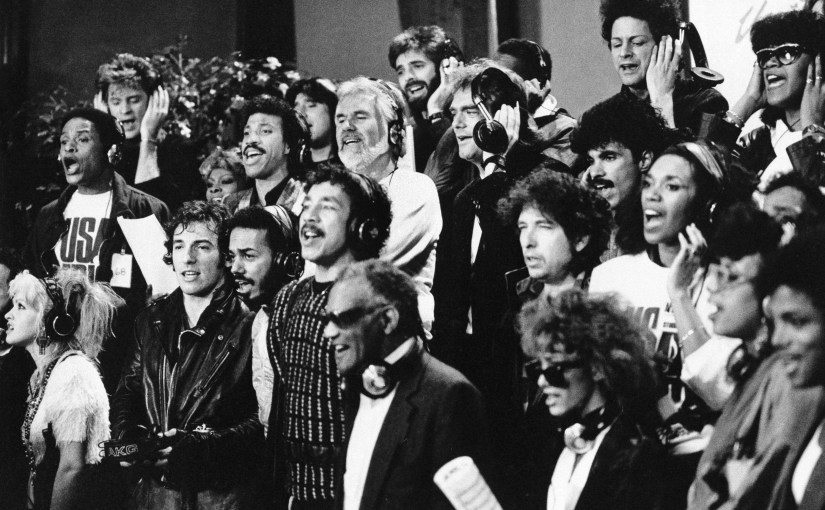
I love the song We Are The World. It was one of the biggest hits of my early childhood. It is up there with other timeless classics like Karma Chameleon, Rhinestone Cowboy, and Pac-Man Fever.
We Are The World, was written by Lionel Richie and Michael Jackson, and produced by Quincy (Don’t-Call-Me-Adams) Jones. The song features 50 of the biggest musical acts of the 1980s, plus Dan Akroyd.
The iconic song was recorded after the 1985 American Music Awards show and was released by the supergroup USA for Africa. It is catchy, beautiful and poignant. It tells listeners that it’s time to help aid the people of Africa who were suffering from devastating food shortages because of famine. I’m guessing it’s one of the most uplifting songs about starving ever recorded.
Listening Now
When I hear the song today, the thing that stands out is that I can instantly recognize each of the singers’ voices. Despite the fact that there are 21 soloists in the song. And each of them only sings a line or two. So why is it that nearly 40 years after the song was released I can still identify each voice?
Different is Better Than Better
Because each singer’s voice is unique. They all sound distinctly different. When you listen to the song you realize that one reason these singers became popular is that they have their own unique sound. Which makes them special and easily identifiable, even when they aren’t wearing their signature glove.
Developing Your Voice
If you have a business or work in marketing or advertising, you have to think about developing your unique brand voice. It is how you get recognized and remembered. It is how the Search & Rescue team spots you in the Sea of Sameness. You need to position your brand as different from everyone else. Unless you are a counterfeit brand. If that’s the case you should study every move your model brand makes. And every breath that your model brand takes. I’ll be watching you.
Study To Stand Out
Know what others in your category do and say. But then either do or say different things, or do and say the same things differently. And say, say, say what you want. That’s how you stand out. Like Paul McCartney and MJ.
Your Personal Brand
If you have a personal brand, and we all do, think about developing and nurturing your own unique style. This could be your own unique way of talking, walking, acting, or dressing. You can distinguish yourself with all of those things or anything else that feels unique and interesting to you.
Through my blog posts and books, I have developed my own writing style. Which is typically laced with pop culture references and random things I think are funny. Like the bones in my elbows.
My personal goal is to help everyone who reads my writings learn a little, laugh a little and lift a little. (Lift as in spirits, not dumbells.) I believe this is why I receive so many requests for speaking engagements. (But it could just be that other speakers are unavailable.)
Through the advertising and ideas agency, The Weaponry, I help brands create their own unique voice every day. I highly encourage you to find your way of standing apart from the crowd. Positive differentiation will ensure that more great opportunities find you simply because you own a distinct space in the minds of the opportunity holders. And that is a valuable place to be.
Key Takeaway
Discover and develop your unique brand voice. This is true whether you have a business brand to nurture or a personal brand to perfect. Stand apart from the crowd to get noticed. And people will be much more likely to recruit you to be part of their supergroup.
*If you know someone who could benefit from this message, please share it with them.
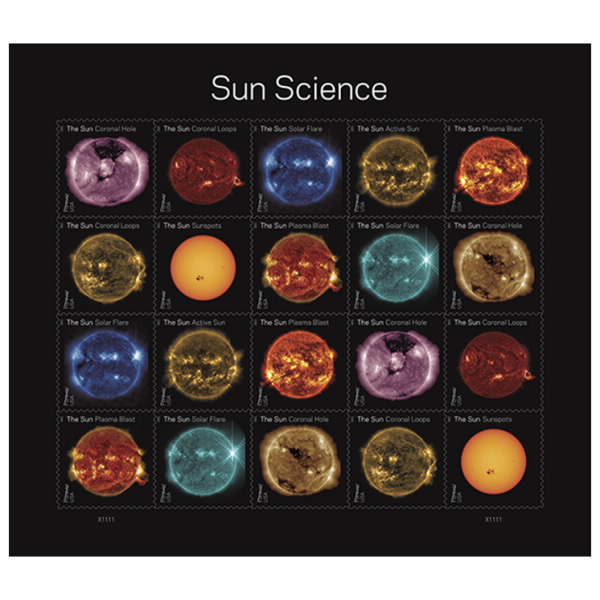
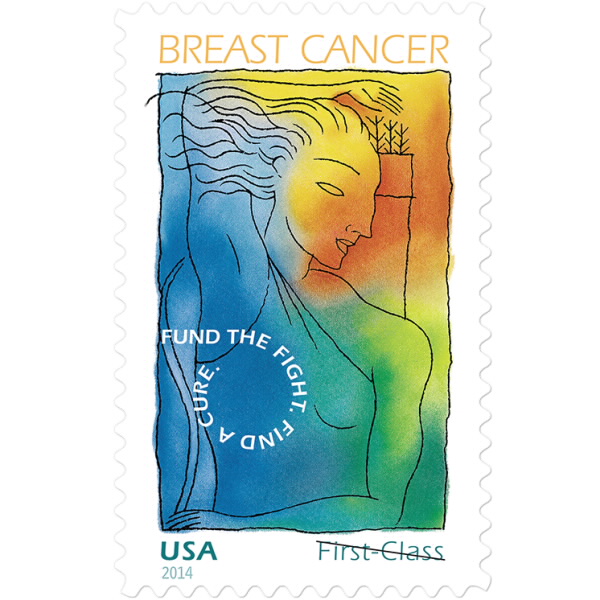
Last week I needed to mail a check. Yes, this sometimes still happens. I went to the drawer where our mailing paraphernalia lives and pulled out a sheet of stamps. And I paused. I was struck by just how artful, detailed and interesting the stamps were. Then my wife Dawn said, ‘Don’t use those. I bought those for Johann.’ (My son Johann is really into trains, as you can read about in Never Be Afraid To Ask For What You Want.)
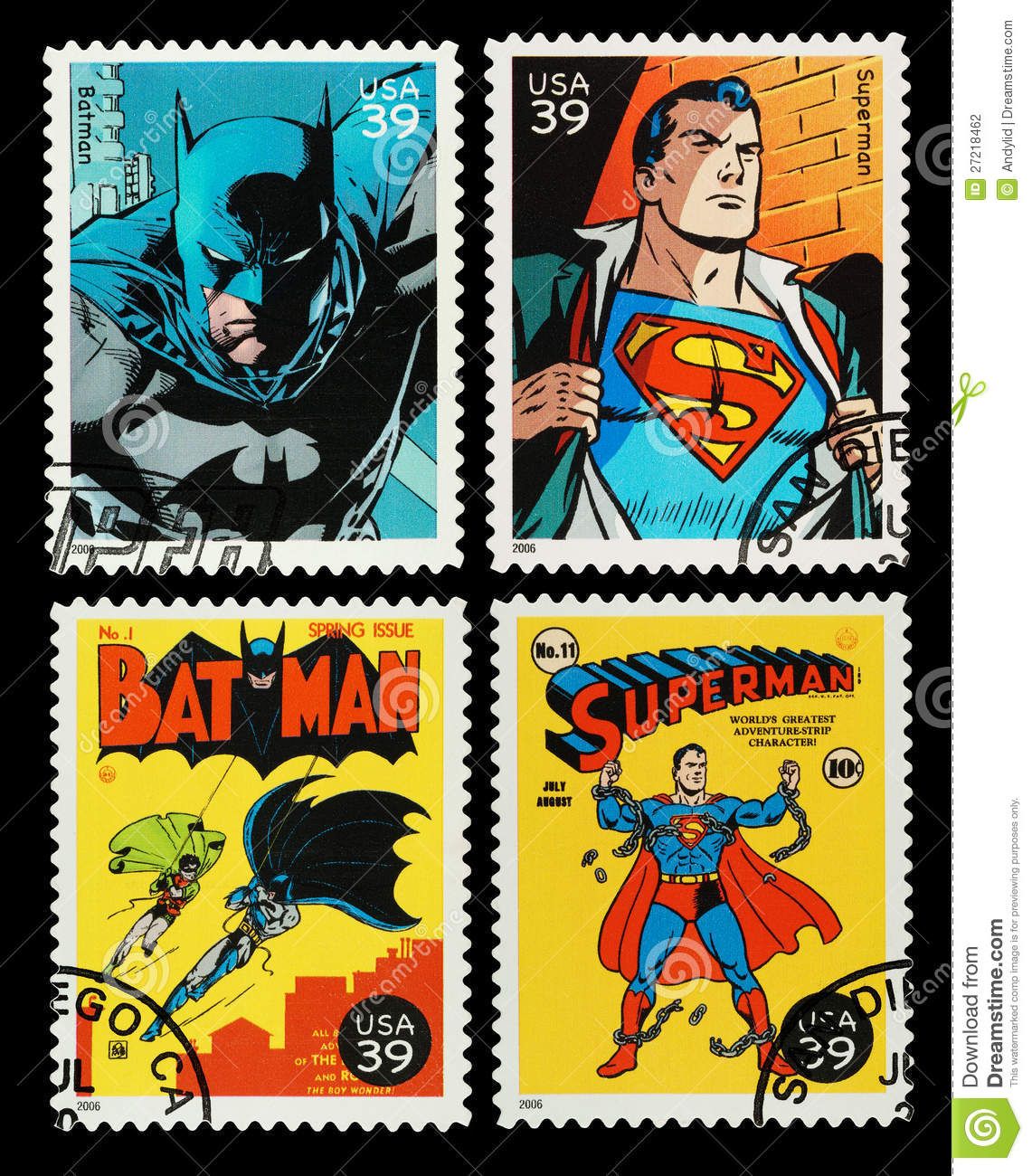
The stamps that got me thinking.
As I examined the stamps in our Stampatorium, spending far more time engaging with them than I ever imagined I would, I realized the US Postal Service could teach a master class on creativity. Because they infused massive creativity into a space that required none.
The postal stamp has no reason to be cool or interesting. After all, its only job is to tell the Postal Service that the delivery fee has been paid. It could simply say PAID, and it would have met the minimum requirement. Heck, it doesn’t even need to do that. It could be a black square that you put on your white envelope and that would serve as a signal that the fee had been paid.
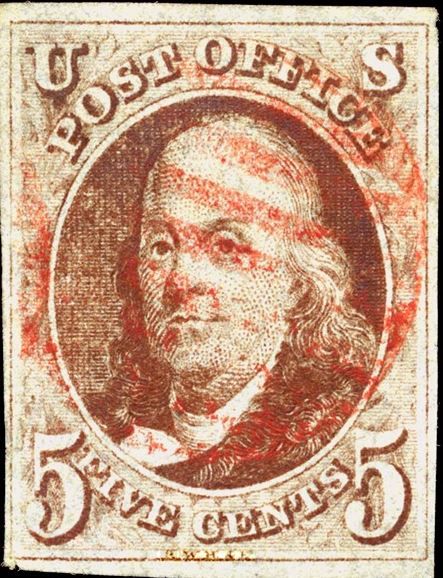
America’s first stamp from 1847. I think that is the guy from the Ben Franklin Stores. Although it looks like one of the guys from the 80s Hair Band Reunion Tour, who is now in his 80s.
Pushing The Envelope
Instead, the US Postal Service has created an endless parade of tiny works of art to adorn our envelopes. They are ever-changing, covering every season, every category of honor and commemoration you can think of. And plenty that you would never have thought of. But don’t worry, the Director of Stampology at the USPS has spent a lot of time thinking about it for you.
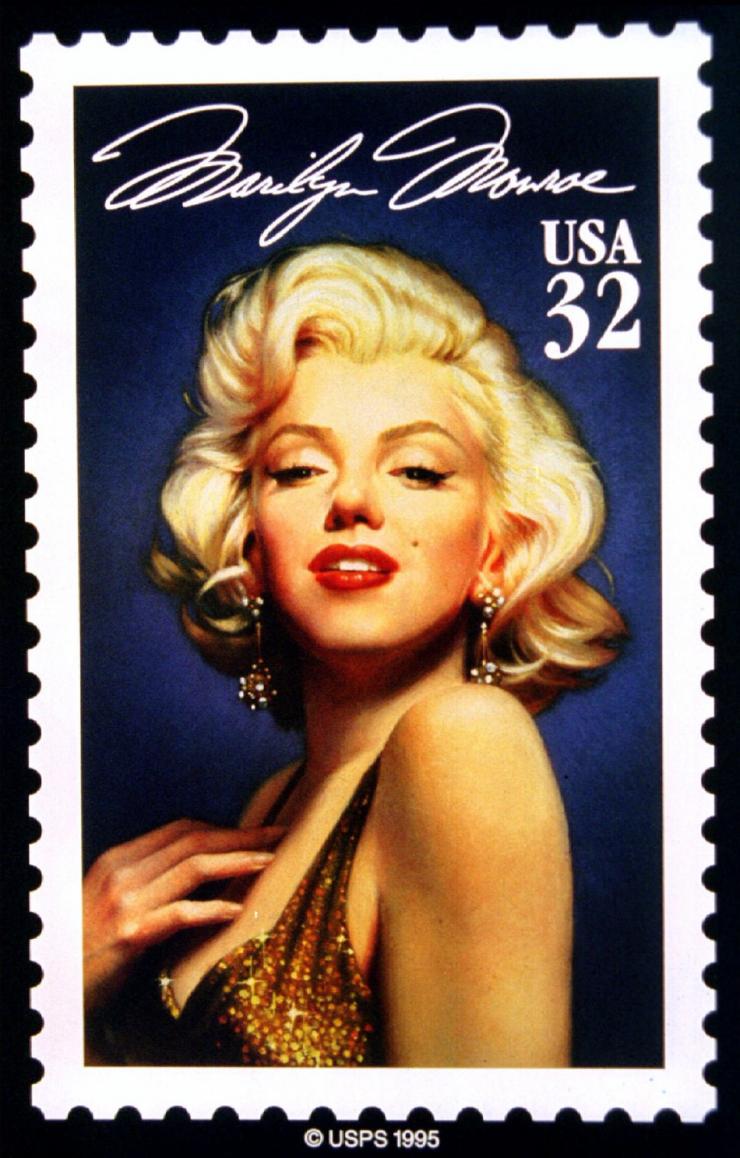
Some Super Stamps
As a result, stamps not only are interesting to look at, they often tell an interesting story, or teach a valuable lesson, within the bounds of a one-inch square. In fact, they do such a great job, that people collect them, trade them and sell them. In fact, my head high school track coach, Tom Jennings, had an entire business selling stamps, that all started with a stamp collection he had when he was a kid. And the only reason a kid starts collecting stamps is that stamps are cool and collectible.
Why Hello Stamp!
The Big Question
The postal service saw an opportunity to turn a tiny, forgettable touchpoint into their hallmark. Which should inspire all of us to ask:
Which touchpoints could I turn into differentiators or signatures for my business or personal brand?
As the postal service has shown us, anything can become a signature element of our brand. Just look around. Find the most boring element within your brand, or within your personal ecosystem, and do something interesting and differentiating.
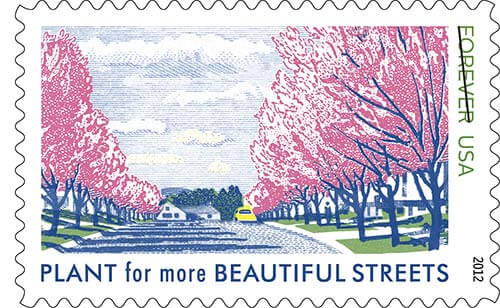
Beautify America though stamps and plants.
My Calling Card
Can’t think of anything? Call me at 614-256-2850. If I don’t pick up you’ll get my voicemail greeting which always has a non traditional message. In fact, people often text me and tell me they are about to call just to hear my voicemail greeting. Which means people call me who don’t even want to talk to me because I have made something boring interesting. You can do that too.
Find your special thing. The thing that didn’t have to be special. That usually isn’t. But that you made special. That thing will not only add joy, intrigue, or interest to others, it will make you more memorable.Which means that when opportunities come along, you will be thought of first.
*If you know someone who could benefit from this message, please share it with them.
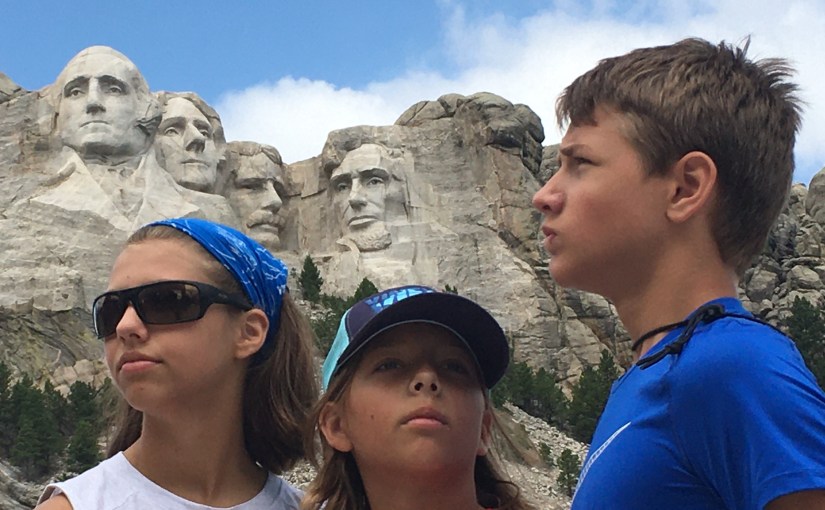
South Dakota is an out-of-the-way place. It’s beautiful, but out of the way. Probably like you. Which is why the people of the state wanted to come with something to attract others to come see just how beautiful it is.
Doane ‘How you Do-ane’ Robinson had the idea to create Mount Rushmore. Ok, so they actually re-created Mount Rushmore. The carved it up and put the faces of American presidents on the mountain for national appeal. It was a crazy idea. And it worked like crazy.
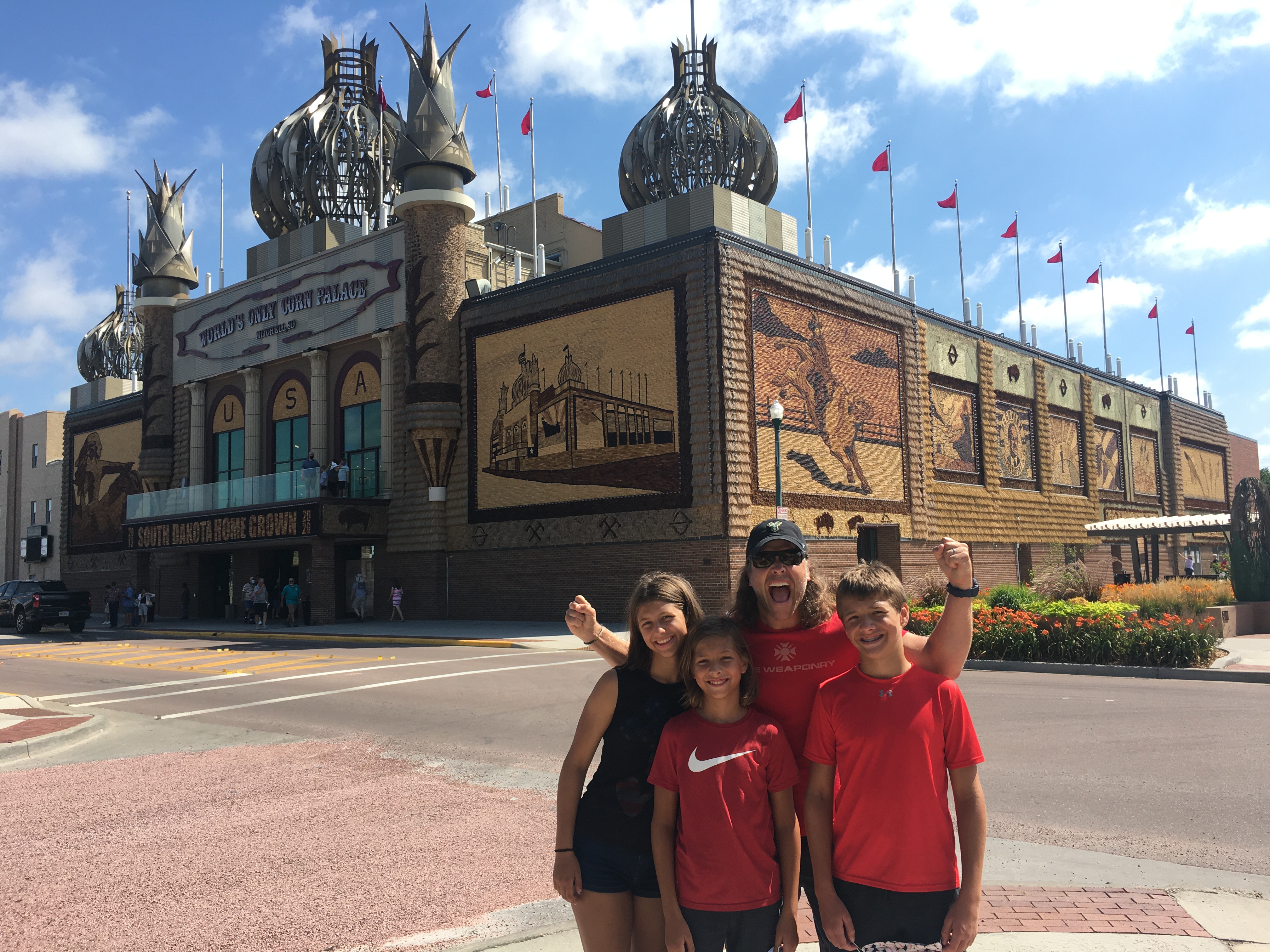
Now, 2 million people each year make the the pilgrimage to far western South Dakota to see the great faces. In the process, many of them travel across the entire state, spending money at The Corn Palace, Wall Drug and some of the state’s finest prairie dog farms.
Mount Rushmore is an amazing marketing idea. It is a man-made attraction that attracts visitors and their spending money from all over the world. But anyone can do what South Dakota did. Whether you are a state (you are probably not a state), a city, a brand, a business or a person trying to attract more attention, you can create your own Mount Rushmore.
You can create something interesting, surprising or intriguing. You can do something unusual or epic. Provide value to others. Give people a good reason to come see you, and they will come see you. They will give you their time, money and attention. Then give them a great photo op and they will help spread the word for you for free. #hashtag
Key Takeaway.
Big ideas and big actions lead to big rewards. By thinking bigger you can draw people to you, even if you are in an out-of-the-way place. Like South Dakota (Mount Rushmore) or Waco, Texas (Mount Chip and Joanna). Just give people something interesting to see or do. And they will give back to you much more in return.
*If you know someone, someplace, or some brand that could benefit from this post, please share it with them.
Over the past year I have helped several brands introduce new logos. It’s always exciting to freshen up a brand’s core mark. A new logo is a powerful way to offer a more contemporary, more stylish and more relevant brand image to the world. Logos are like clothes and hairstyles. If you don’t re-examine them periodically, one day you’ll wake up and realize that you’re sporting the wrong decade.
Your Signature
Just as a logo serves as the identifier for a product or organization, your signature serves as a signature mark for your personal brand. Whether you are John Hancock, Dale Earnhardt Jr. or Zoro, your signature represents you when you are not around to represent yourself. The kicker is that the mark that you make mindlessly today will be around to represent you for centuries to come. Seriously.
Which begs the question…
When was the last time you revisited your personal signature? It’s probably been a long time. Most people put very little thought into it. But I would like you to think about creating a new autograph. A new signature. A new stamp of approval. A new (insert your name here).
Steps to re-branding your signature.
Grab a piece of paper and a pen
Sign your name the way you normally do
Explore making it more legible
Explore making it more professional
Explore making it more fun
Explore making it more distinct
Explore making it taller
Explore making the letters rounder
Add an initial or two.
Add a flourish, icon or ownable mark.
Key Takeaway
You signature makes an impression every time you make it. Every check, document and permission slip you sign makes a statement about you to the people who read it. So put a little more thought into. If it’s bland, messy or Kindergartenesque, take this opportunity to make an evolutionary or revolutionary update. Experiment, play and practice until you find something that feels more like your personal brand today. Don’t stop until you find an option that you would sign off on. If you find something you like, or have put real effort into this in the past, I would love to hear about it.
I wish the world was funnier. Funny is one of the most precious commodities. If they traded funny on the Chicago Mercantile Exchange I am certain it would make people forget all about wheat, hogs and butter. I know of nothing that draws two strangers together faster than funny. Except maybe blackholes.
I am a naturally happy person. But sometimes I wish I knew more funny people who entertained me and made me laugh. I’m willing to bet that your life would be even more enjoyable if you knew more people that made you laugh more often too.
The workplace is the perfect place to get a good laugh. It provides a never-ending mix of new, odd and surprising situations. In fact, I want my ad agency, The Weaponry, to be the world’s funniest place to work. Meetings should be funny. Lunchtime should be funny. The holiday party should be funny. I want to make this a place where we can laugh at ourselves, at the things we don’t know, at our mistakes and at the predicaments we find ourselves in. Finding the humor in our shared experiences helps us bond. And it helps us through the challenges and setbacks that naturally come with hard work.
I’m considering a policy that says that if you can make me laugh you get hired. The rest we can train. Heck, maybe we can train the funny too. I’ve tested a lot of funny things over the course of my career. Not all of it hit the mark. But I have never been deterred. I keep what works and tweak what doesn’t.
To that end, here are a few things that I like to do or say that are proven to make even total strangers laugh.
The Unpleasantry: It is common (and polite) in our culture to end an interaction by saying, “Have a good day.’ or “Have a great weekend!’ or ‘Have a good night!’ The expected reply is to simply repeat what the other person says. Or to say ‘Thank you.’ Or ‘You too.’ I prefer to say, “Don’t tell me what to do!’ That always get’s a laugh.
The Fritz Astaire: You know that moment when two people are about to run into each other, then both try to step out of the way, but they actually step in the same direction, so they end up taking awkward steps and getting nowhere? I love it when that happens! It gives me a chance to say, ‘Thanks for the dance.’ That always gets a laugh. Or I get punched in the eye by my new dance partner’s significant other.
The Family Connection: You ever notice how people introduce themselves by inserting, ‘My name is (NAME) by the way.’? This is one of my favorite things. I love to respond to this introduction by asking, ‘Are you related to any other Bytheways?’ It usually takes a moment. But laughter eventually follows. Of course, I don’t distingusih between people laughing at me and people laughing with me.
I encourage you to find your own ways to make the world a funnier place. And if you find yourself with some really good material, please try it out on me. If you have skills that apply to advertising, all the better. The Weaponry is always looking for talented and funny people to akwardly run into in the hallway. Have a great day, Bytheway!
















 Adam Albrecht Blog