How to create your powerful habit train.

It was either Aristotle or The 7 Dwarfs who said ‘We are what we repeatedly do.’ Which means that just as your DNA creates your body, your habits create your identity. So while you may feel as if your identity was written in the stars, in reality, it is written on your calendar.

When you do something every day it transforms you.

  • Exercise every day and you become fit.
  • Read every day and you become intelligent.
  • Write every day and you become an author.
  • Save money every day and you become rich.
  • Meet new people every day and you become popular.
  • Refuse to wear clothes every day and you become a nudist. And tan.

Personal Revelation

Most of the great things that have happened to me are because I first established strong habits.

  • I have exercised regularly since I was a freshman in high school. Several decades later I am still as strong as I was when I was 18. And although I am slower, my complexion is better.
  • I have a strong reading habit. I read physical books at home. And I listen to audiobooks while I drive. As a result I arrive at work smarter than I was when I left home. And I arrive home smarter than I was when I left work. If you do that every day for decades you will end up a lot smarter than you look.
  • I make a point of developing and maintaining relationships. I make a habit of reaching out to people regularly by phone, text, email or through social media. I invite people to get together and add another chapter to our friendship or familyship. One of the common regrets in life is not creating or maintaining your relationships. I will not have that regret.

The Habit Train

If you want to establish a strong new habit it is easier than you think. Because your day is already packed with habits. And the best way to establish a strong new habit is to attach it to an existing one, like cars on a freight train.

Example:

1. When your alarm clock sounds you turn it off (Habit)

2. You get up. (Habit)

3. Unless you have a bionic bladder you go to the bathroom. (Habit)

Now you have a 3-Habit Train headed down the track every morning. The key is to add more cars to your habit train.

Here’s how:

After you get up, and before you go to the bathroom, make your bed. This new habit is pretty easy to establish because you simply declare that before you go to the bathroom you will make you bed. You already know you are going to perform the habits directly before and after making the bed. Linking your new habits to your established and automatic habits quickly makes the new habit automatic too.

But Don’t Stop There.

After you go to the bathroom (and wash your hands, please), attach another habit.

My next habit is to drink a large glass of water to jumpstart a healthy day. This is where you might have coffee or tea. (Habit)

Then add another positive habit it your train.

Make this one a power habit. Think of it like adding another engine to your train. Power habits could be exercise, reading, or meditation. Something that adds real power to you as a human.

After my initial power habit (getting up at 6 am), my next power habit it is writing.  By 6:10 am I am either writing a blog post or a chapter for a new book.

I write for at least an hour at least 5 days every week. By the time I close my laptop to move on to the next habit in my morning routine my habit train is flying down the track, and I am making progress towards larger life goals.

You can create several habit trains that run at different times of day. Or you can make your entire day a nonstop habit train for maximum impact. They say that if you want something done give it to a busy person. It’s because their habit train is already rolling. And any task that gets added to the train will naturally head down the track with them. It’s a powerful way to progress through life. Choo Choo.

Key Takeaway

Habits have a transformational power. Like interest on a financial investment, repeated postive actions create compounding rewards that create massive personal and professional advantages. Link your habits into habit trains. Feel them build momentum every day. They will take you farther than you can even imagine.

*If you know somone who could benefit from this message, please share it with them.

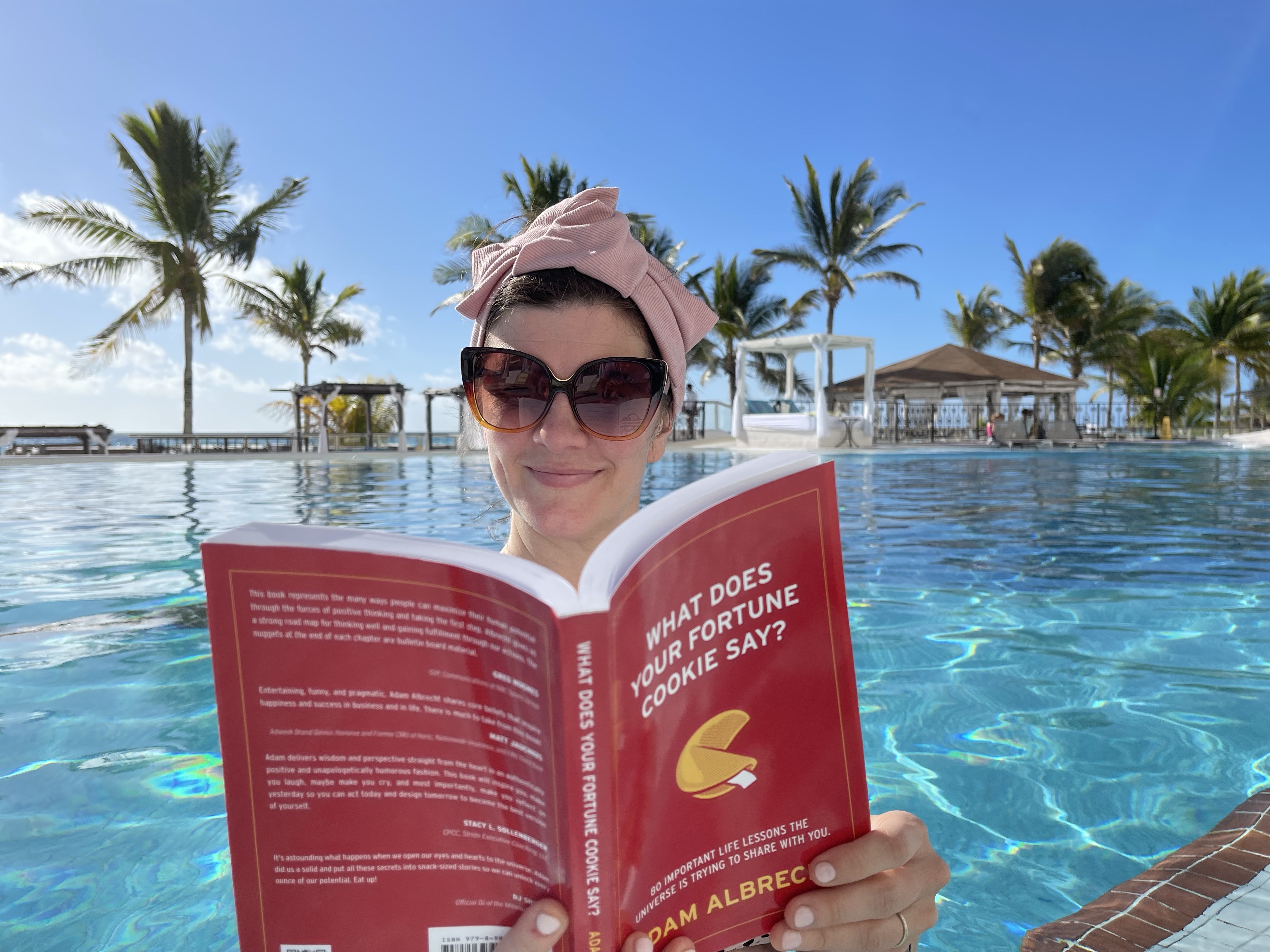
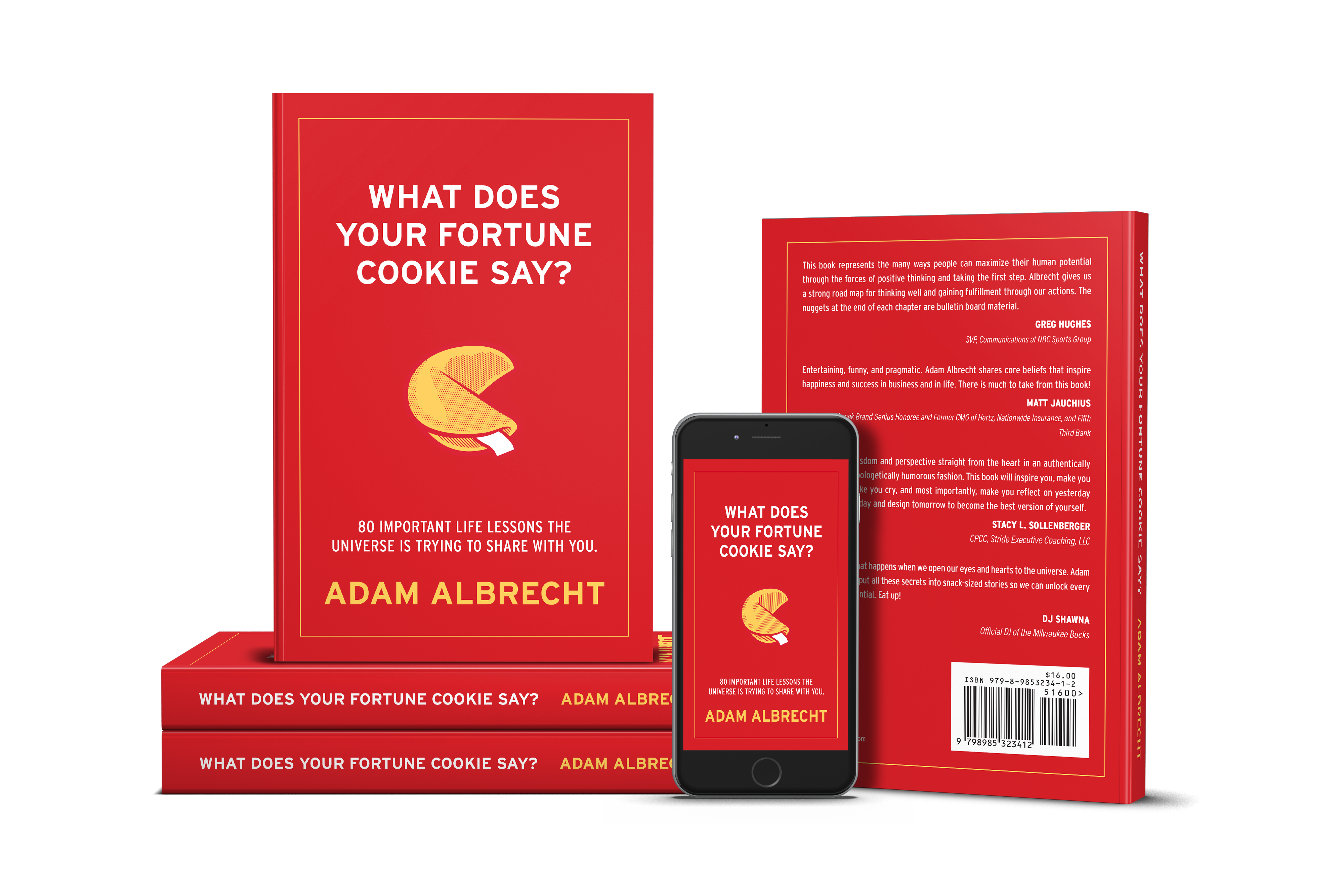
+If you like this lesson you’ll enjoy my new book What Does Your Fortune Cookie Say? from Ripples Media.

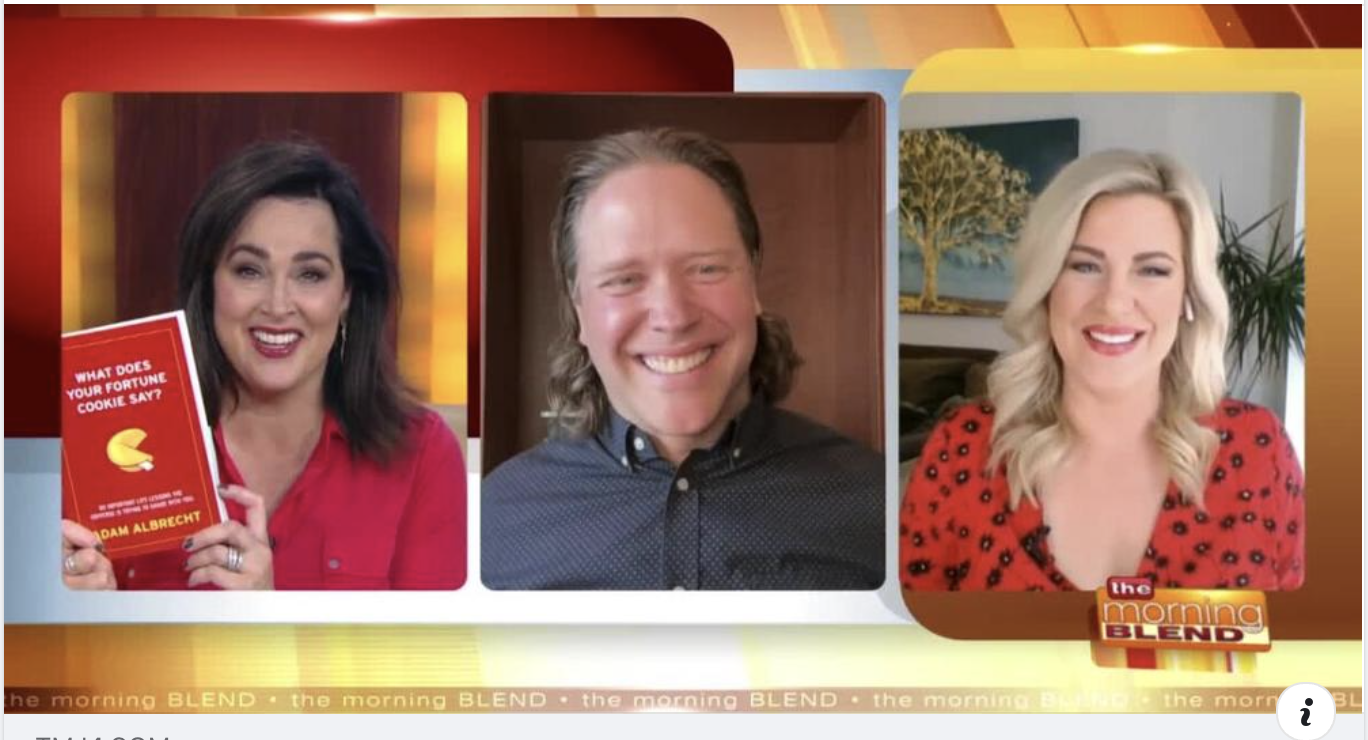
To see me on TV talking about habits check out this fun clip from the Morning Blend morning show.

The reason you make mistakes is because you are human.

Easter is not about eggs.

It’s not about baskets and bunnies.

It’s not about bonnets and brunch. (Despite the Pavlovian response I just had to the word brunch. #drooling)

Easter is about forgiveness.

Easter is a reminder that we all make mistakes. That we all fall short of the ideal. That we often offend or disappoint others through our actions or inactions.

We are imperfect humans. Despite our best efforts and intentions, we don’t always do the right thing. (Sorry Spike Lee.)

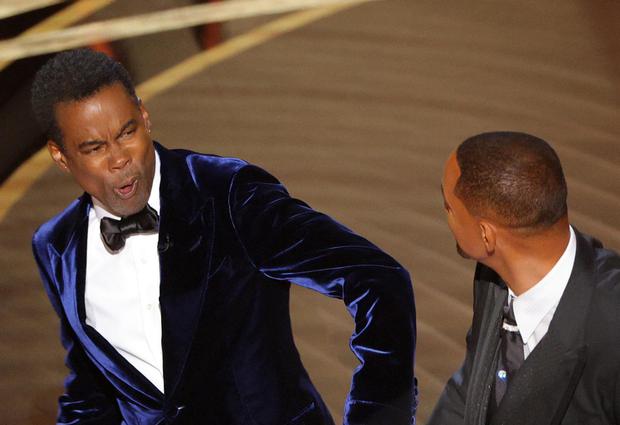
The human mind is the most complicated of all machines. Our outputs are not always logical. Just ask Will Smith.

Remember that you are on your own learning journey. And so am I.

Canceling a human for making a mistake is a mistake.

You’re only human. You’re supposed to make mistakes.

-Billy Joel

It is far better to celebrate growth and improvement through the infinite Earthly game of trial and error.

Forgive others. Forgive yourself.

Key Takeaway

You have been forgiven by a higher power. That is the great news of Easter.

Pass it on.


*If you know someone who could benefit from this message, please share it with them.

+For more life lessons I have learned on my journey check out my new book, What Does Your Fortune Cookie Say? from Ripples Media.

The most valuable lesson you can learn from your local news team.

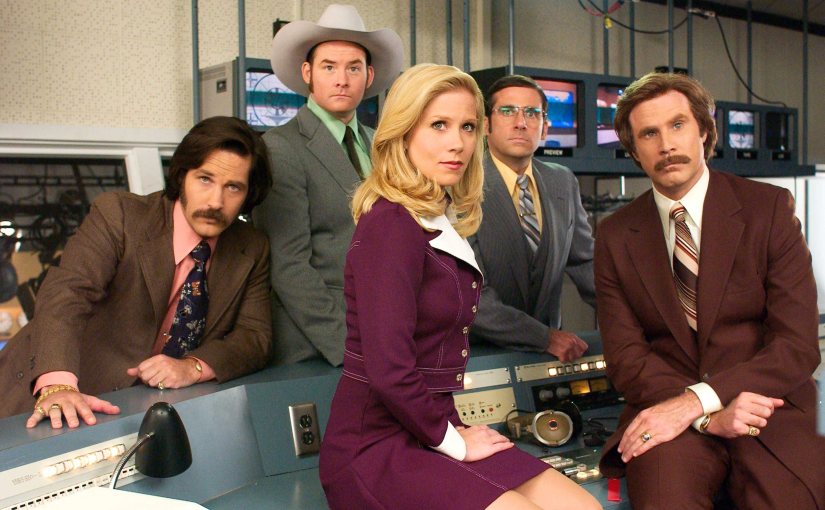
I love the movie Anchorman. It’s a hilarious look at a local TV news team. It has everything you could possibly want in a movie, including Will Ferrell, a gang fight between rival news crews, and a totally random musical number. The movie is dense with classic quotes. And it taught me what San Diego means in German.

The movie also teaches you about the 5 roles that make up a local news team.

  1. The Anchor. The leader of the crew. He or she delivers the general news. They greet the viewer at the top of the show and get to deliver their catchphrase at the end. #StayClassySanDiego

2. The Co-Anchor They are like the Vice President. They help deliver the main news, offer a banter partner, and appeal to a slightly different audience. The anchor and co-anchor are often different genders, ages, races, hair colors, or mustache styles, depending on how evolved management is.

3. The Sports Person. They share updates on local, and national sports news. They typically seem the most athletic-y. They were often former athletes and really into sports. They may have considered becoming a PE teacher but realized they don’t want to wear sweatpants all day.

4. The Investigative Reporter This is the reporter who helps expose the wrongdoings in the community. In school, they were the tattletale and probably got picked on a lot. Their job is their revenge.

5. The Weatherperson. They report the weather. They are usually fun and outgoing. They typically seem like they would be the most fun to hang out with. The community usually loves them and they love them right back. I have some Weatherperson friends including Mark Baden at WISN12 in Milwauke. Pete Bouchard at NBC 10 in Boston and I played football together in high school. And the Meteorological Badass, Jim Cantore of The Weather Channel, grew up one town over from me in Vermont.

One of These Things is Not Like The Others

While these 5 work together as one crew, they offer 2 distinctly different types of information to viewers. The Anchor, Co-Anchor, Investigative Reporter and Sports Person report, recap and summarize significant events that have recently happened. Which is valuable.

However…

The Weatherperson’s great value is not in recapping what happened in the past 24 hours, but in shedding light on what will happen next. Sure, they will tell you what the temperature was that day, how much rain or snow fell, and maybe what time the sun came up and went down. But like Bob Dylan sang, you don’t need a weatherman to know which way the wind blows.

The Weatherperson is uniquely valuable in predicting future weather. And they have gotten really good at this. The science of meteorology and weather forecasting is astounding. They are able to predict what the future holds in terms of temperature, cloudage, windage and precipitation. They have the ability to forecast conditions by the hour, even many days in advance. That is freaking amazing!

The Weather Person’s knowledge and insights about future weather enable you to make important decisions and preparations. They provide information that helps you decide what to wear, and what actions to take when. The forecast helps you plan the activities for the day or week ahead. And they let you know when you should apply extra glue to your toupee.

Forecasting Your Life

Taking a cue from the Weatherperson, there is another highly valuable skill that you should develop that will have a major positive impact on your future. It doesn’t involve quitting your job and running off to join the weatherperson circus. I’m suggesting you hone and polish your skills as a Regret Forecaster.

Dedicate time each day, week, season, and year to forecast your future regrets. This will include things you did do that you wish you hadn’t done and things you didn’t do that you wish you had. By doing so you are able to predict future outcomes while there is still time to alter them. While hindsight is said to be 20/20, regret forecasting can help you dial in your foresight with great accuracy too. And it costs a lot less.

There Are 4 Major Things That People regret.

  1. Not doing the foundational work you should have when you should have done it. (Doing the work, saving money, getting the education, exercising etc.)
  2. Not taking the risk you should have taken. (Starting the business, writing the book, traveling to interesting places. Changing jobs.)
  3. Not developing, maintaining or reigniting relationships. (There is an unpredictable time limit on these activities. Because most of your friends and family are mortals.)
  4. Having done the wrong thing. (Think cheating, lying, murdering, unprotected sexing.)

The older I get and the honester I become with myself the better my regret radar becomes. Today I find myself regretting less and less. Not because I don’t care. But because I care more. Because I have taken more time to think about the future and the end of my days and the unfinished business, missed opportunities and untended relationships. I use the regret forecast to feel the sting today. Which inspires me to act now. And prevents me from murdering others.

Key Takeaway

Start calibrating your regret radar now. Write down the 4 areas of your life to examine. See what pings. Start addressing that today. Do the work now that will matter later. Take the chances you know you should. Avoid the wrong, because that is always right. And most importantly, develop and maintain as many relationships as you can. At the end of your days, that will matter most.

*If you know someone who could benefit from this message, please share it with them.

+For more of the best life lessons I’ve learned so far check out my new book, What Does Your Fortune Cookie Say? from Ripples Media.

The Weaponry Turns 6 today! Here are 6 things I’ve learned along the way.

On the eve of my 40th birthday, I sat down and wrote about the things I was most proud of from my first 4 decades on The Big Blue Marble. It was a fun process. I thought about my family and friends. I thought about my wins. My adventures. My career successes. I thought about that time I petted a hummingbird in the wild. (I have now done that twice!) And I thought about how I was creating a better person every day. (Not in a Mary Shelley kind of way)

Then I shifted my focus to my unfinished business. I asked myself this very simple question.

If you died tomorrow what would you most regret not doing?

-39.99 year-old Adam Albrecht

The first and most obvious answer was that I had not tried to start my own advertising agency. So I put that at the top of my list. And I got to work on a plan to avoid that regret. The more I thought about it the more real the plan became. I was like Joaquin Phoenix in the movie Her. Or maybe like the dudes in Weird Science bringing their project to life.

To start your own business you need the support of your family. A couple of mums and pumpkins don’t hurt.

Go Time!

When I was 42 years old, I did it. I launched the advertising and ideas agency The Weaponry.

That was 6 years ago today!

Simply trying to start my own agency would have eliminated the regret. Because I put a premium on simply trying. It was the not-trying that I knew would have bothered me most when things started heating up at the crematorium. It’s a major bonus that things have worked out and that The Weaponry is thriving 6 years later. Plus, most businesses don’t last past 5 years. And I never wanted to be like most people. Except maybe Johnny Most. (Bird Steals The Ball!)

Just keep swimming!

Earning and Learning

I have learned a lot from starting my own business. And fortunately, when I started planning the business I also created this blog to share what I was learning along the way. (Cue Dana Carvey’s Church Lady saying ‘Well isn’t that special!’)

6 Things I Have Learned About Business.

`1. Every year in business is a success in itself. Leadership’s primary responsibility is to keep the business in business forever. Each anniversary is proof that we are doing our jobs. Just like we should be thankful for each day on top of the topsoil, having your doors open is a success. Although today businesses don’t even need doors. Kinda like a Jeep Wranger in summer.

2. You have to keep looking for ways to improve. I am always thinking about the gap between the ideal version of The Weaponry and who we are today. So the mission becomes to continuously work on closing that gap. We meet every Friday to talk about ways to improve our processes and strengthen our weaknesses. You have to call that stuff out into the light in order to be able to address it, work on it and improve it. Fall in love with that process and you’ll fall in love with business. Kinda like Lee Majors in that TV show where he was the stuntman.

3. You need great people. Our team is amazing. We are loaded with nice people who like to collaborate to get great team results. We take a lot of pride in doing what we said we would do. Our team members love to solve problems for our clients. The team is quick and productive. They are great at accumulating knowledge and applying that knowledge to create more and more value for our clients. They are smart people who are really enjoyable to be around. Recruiting and working with a great team has been one of the greatest rewards of the past 6 years.

4. You have to keep adding new clients. Like Lucille in that Kenny Rogers song, a client could leave you at any time. The decision-makers could quit, get pushed out, die or simply change their minds at any moment. So you have to always be growing your business with new clients because you can’t protect yourself from all client attrition through hard work, great ideas and excellent customer service alone. Plus, you need to create a diverse portfolio of clients to protect against shifts in markets, dry spells, spending cuts, or making a client so wildly successful that they no longer need to do anything to help their business thrive.

5. You have to have fun. Fun comes in a lot of different forms. And I love to have fun in everything I do. Including business. Here are just some of the things I find fun at The Weaponry.

  • Learning new things.
  • Game Planning
  • Problem Solving
  • Meeting New People
  • Sending out job offers with a lot of funny non-traditional language.
  • Saying silly things in meetings.
  • Making clients smile and laugh
  • Storytelling
  • Travel
  • Typing funny comments into the chat during Zoom meetings
  • Creating new stuff
  • Getting new swag
  • Eating lunch together
  • Winning new business
  • Helping our clients grow
  • Wowing our clients
  • Putting on a show
  • Receiving compliments for a job well done.
  • Being told we are fun
  • Baking humor into our setup slides.
  • The humorous final slides of our presentation.
We love to laugh. Like that song in Mary Poppins.

6. You have to be paranoid that the business will collapse. I am never comfortable with our success. I am afraid that if we are not careful everything we have been doing and building will go away. You can’t ignore the opportunities to get better. You can’t let things slide. Just like you should try to win over your spouse again every day, you have to be concerned that things could go bad with your clients if you take your eye off the ballpoint. And if you worry enough, and do something about it, the bad things will never happen.

Key Takeaway

A great business is simply a collection of great people running great processes, contributing great value to customers, having fun, and worrying that it will all end if they are not careful. I am extremely thankful for all of our Weapons, our great clients, and our partners who work as a trusted extension of our team. Here’s to 6 fun years. Let’s keep this thing going forever.

*If you know someone who could benefit from this message, please share it with them.

+ To see more of the lessons I’ve learned throughout my career check out my new book What Does Your Fortune Cookie Say? from Ripples Media.

There are no A-holes allowed at our agency. In fact, we baked the rule into our logo.

I’m not a huge fan of rules.  Creative people as a species are naturally averse to them. But if you want to develop a business with a strong culture you need some rules to guide you.

When I joined my first advertising agency executive team our first order of business was to create some simple rules to govern the organization. Because we believed that a great organization is made of great people who enjoy working together the first rule we unanimously agreed on was the ‘No Assholes’ rule. For those not familiar with the rule, or the obviousness of the phrase, it means that your organization will not tolerate people who act like A-holes.

Prevention

Preventing the A-holes from joining your team isn’t easy. Because they are on their best behavior in interviews. Sometimes we sniff them out (yeah, I said it). But often they sneak past our filters.  So as much as we try to prevent an A-hole from getting into our organizations in the first place, they get in. So now what?

The Problem

You just get rid of them, right?  After all, no one likes an A-hole. Unfortunately, it’s typically not that simple. Because let’s face it, there are a lot of talented A-holes. The drive, intelligence, confidence and will of a typical A-hole make things happen. It’s common for them to make a quick impact and create immediate wins.

But that upside comes with an equally significant downside. Because A-holes are uncomfortable to be around, they drain morale and sap energy. The unfortunate reality is that when you retain an A-hole, it sends a terrible message about your values to your most valued employees. You’ll watch them drop like flies.  Among the employees that you retain you’ll lose untold dollars in productivity as co-workers gather to talk about what an A-hole the A-hole is.

Of course, the worst problem of all occurs when the A-hole develops a close relationship with the client.  Because then the agency has to decide whether they want to lose the valuable contributions of the A-hole and irritate or lose a client.

Removal

I recommend a proven 2-step process to handle such problematic employees.  

  1. Ask a handful of cross-functional team members if they think the co-worker in question is an A-hole.  
  2. If the consensus is yes, put on your scrubs and perform an Assholectomy.

No Compromise

There simply is no room for the distraction, the division and the drama caused by A-holes. Accepting them tells the rest of the organization that it’s okay to be an A.  That can’t happen. Because eventually enough people will leave, or threaten to leave that you have no choice but to get rid of the jerk anyway.

After implementing the A-hole rule in the past, I’m proud to say we purged several very talented but very difficult people. And the culture, vibe, productivity and love for the organization improved as a result.

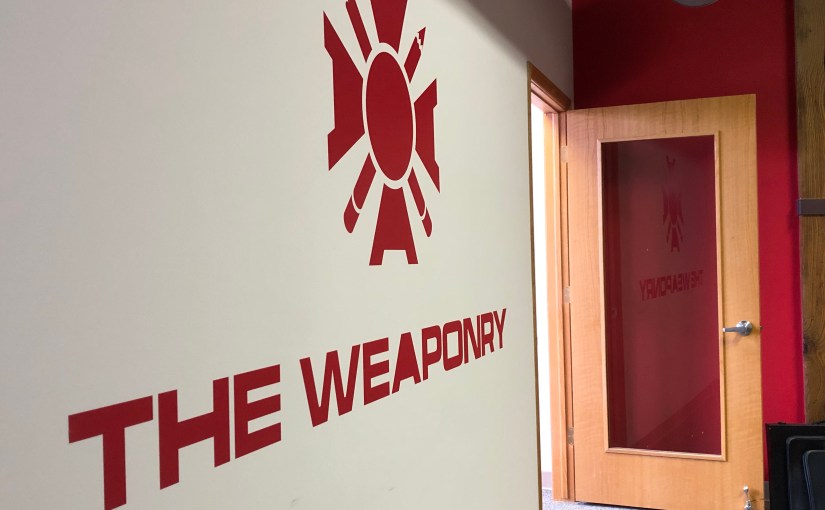
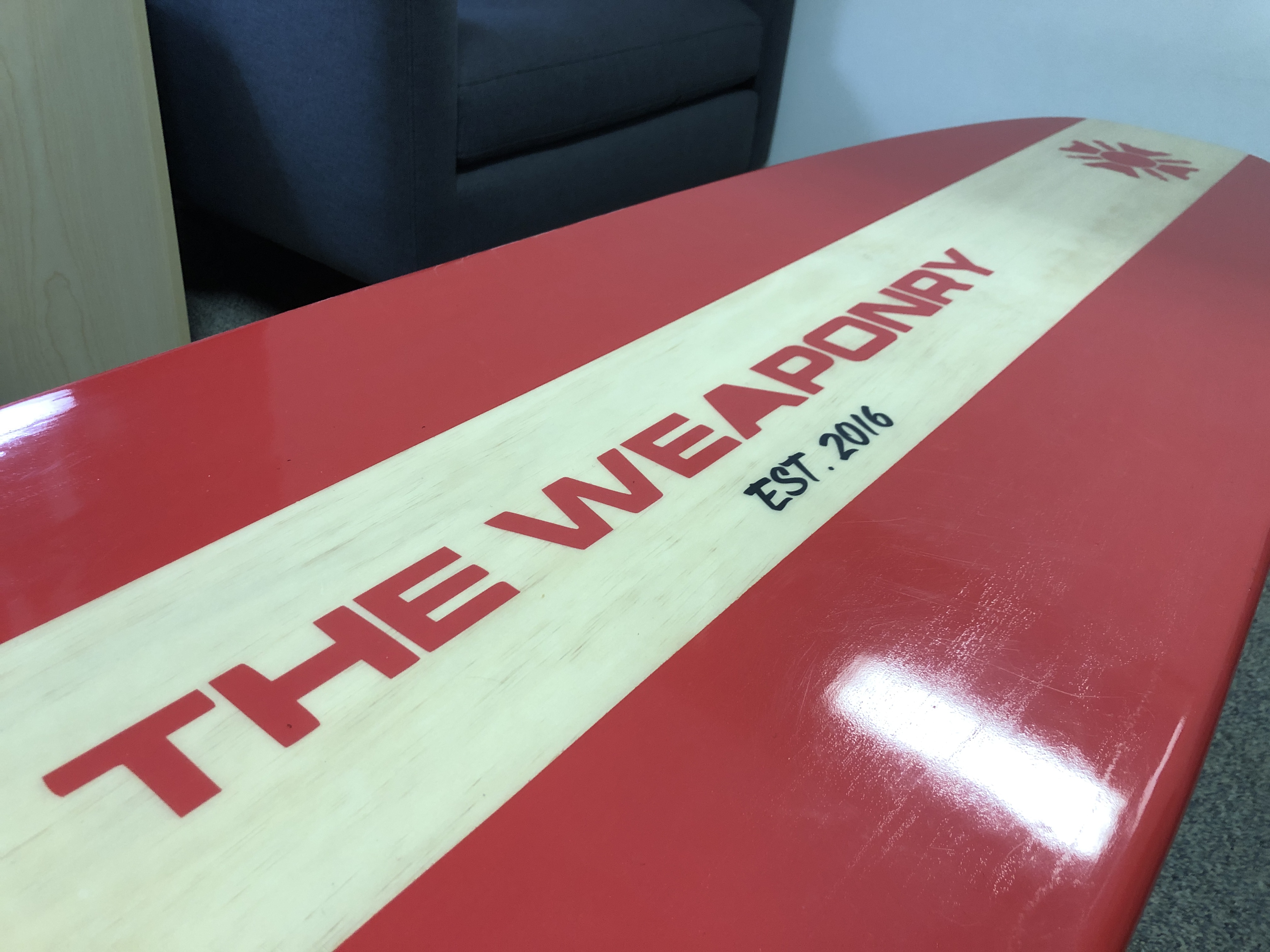
That’s why when I started The Weaponry I wanted it to be rule number one. I felt so strongly about it that we designed the rule right into our logo. We purposely removed the A-hole from the letter A in the word Weaponry. It is a constant reminder of our persona non grata.

Notice the A? Notice there is no A-hole?

Key Takeaway

Don’t be an A-hole. And don’t let A-holes on your team. They kill the culture and they ruin the fun. If an A-hole does sneak onto your team get rid of them quickly. It will send a message to the rest of your team that you care about them. And it shows that you care about creating an enjoyable work environment for your team. Which is worth more than all the A-holes combined.

*If you know someone who could benefit from this message, please share it with them.

+For more of my foundational life and business philosophies check out my new book What Does Your Fortune Cookie Say? from Ripples Media.

Beware, the rewards switch with time.

There are 2 ways to think about life.

  1. You can focus on The Now.
  2. You can focus on The Next.

When you think about The Now you are encouraged to do the things that are rewarded now. Sleep in. Relax. Have fun. Indulge. Spend. Eat. Drink. And hang out with Mary.

When you think about The Next you do the things that are rewarded next. You wake up early. Work. Focus. Study. Save. Exercise. Build. Carefully monitor your food, drinks, and activity with Mary. (And Ben and Jerry.)

Focusing on The Now is immediately enjoyable. Focusing on The Next makes now less enjoyable in most ways. (Sorry, Charlie.)

But beware, the rewards switch.

In a literal blink, you are past The Now and into The Next. And what is rewarded in The Next is the opposite of The Now. Which is what makes life and the decisions you make so interestingly complicated. And it is why I encourage you to tie the following quote to your decision tree:

“It almost always happens that when the immediate consequence is favorable, the later consequences are disastrous, and vice versa.

-Frédéric Bastiat, French Economist.

Key Takeaway

Always think about the long-term consequences of your actions and inactions. Invest your time, energy, and growth into a much larger payout in the future. A delay of gratification is most often rewarded with compounded interest in The Next. And it’s always well worth the wait.

*If you know someone who could benefit from this message, please share it with them.

+For more ideas on how to enjoy a better future, check out my new book What Does Your Fortune Cookie Say? from Ripples Media.

The new place you can now find my new book.

During the Covid Lockdown of 2020, I had a lot of extra time on my hands. (And on the rest of my body too.) To take advantage of all that extra time I decided to write a book. I published my paper baby just days before Christmas of 2021. Which means that the past 4 months have been full of exciting new experiences.

My book What Does Your Fortune Cookie Say? from Ripples Media was uploaded to Amazon, on December 16th. It went live on December 18th. I ordered a copy and had the first physical copy of my book on December 19th. That Amazon is pretty amazing.

The moment this unassuming driver showed up with my first copy of my first book. (And I’m just assuming he was unassuming.)

As soon as I shared the news that my book was available I had friends and family members across the United States share that they had purchased the book. First, they sent me pictures of their orders or notes that they had bought the book. Then they started sending me pictures of their new books in hand. Which is mindblowing.

I have now seen pictures of my book in Canada, all across the US and in Mexico. (Keep the pictures coming!)

What Does Your Fortune Cookie Say? has now been featured on Television and podcasts. I have been in local newspapers too.

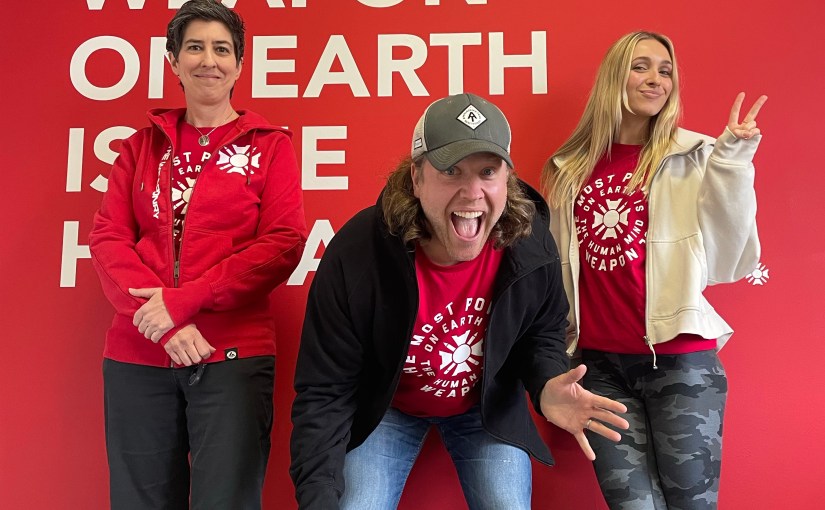
Molly, Me and Tiffany on The Morning Blend. They wore red to coordinate with the book. I didn’t get the memo.

Covid Strikes Again

Because of a massive spike of Covid cases due to the Omicron variant, my in-person speaking opportunities and book talks have been largely delayed. My talks begin in earnest in April. Which is exciting for me. (But less exciting for Earnest and April.) I already have speaking events scheduled through the fall. (And I would be thrilled to add more.)

Now At The Library

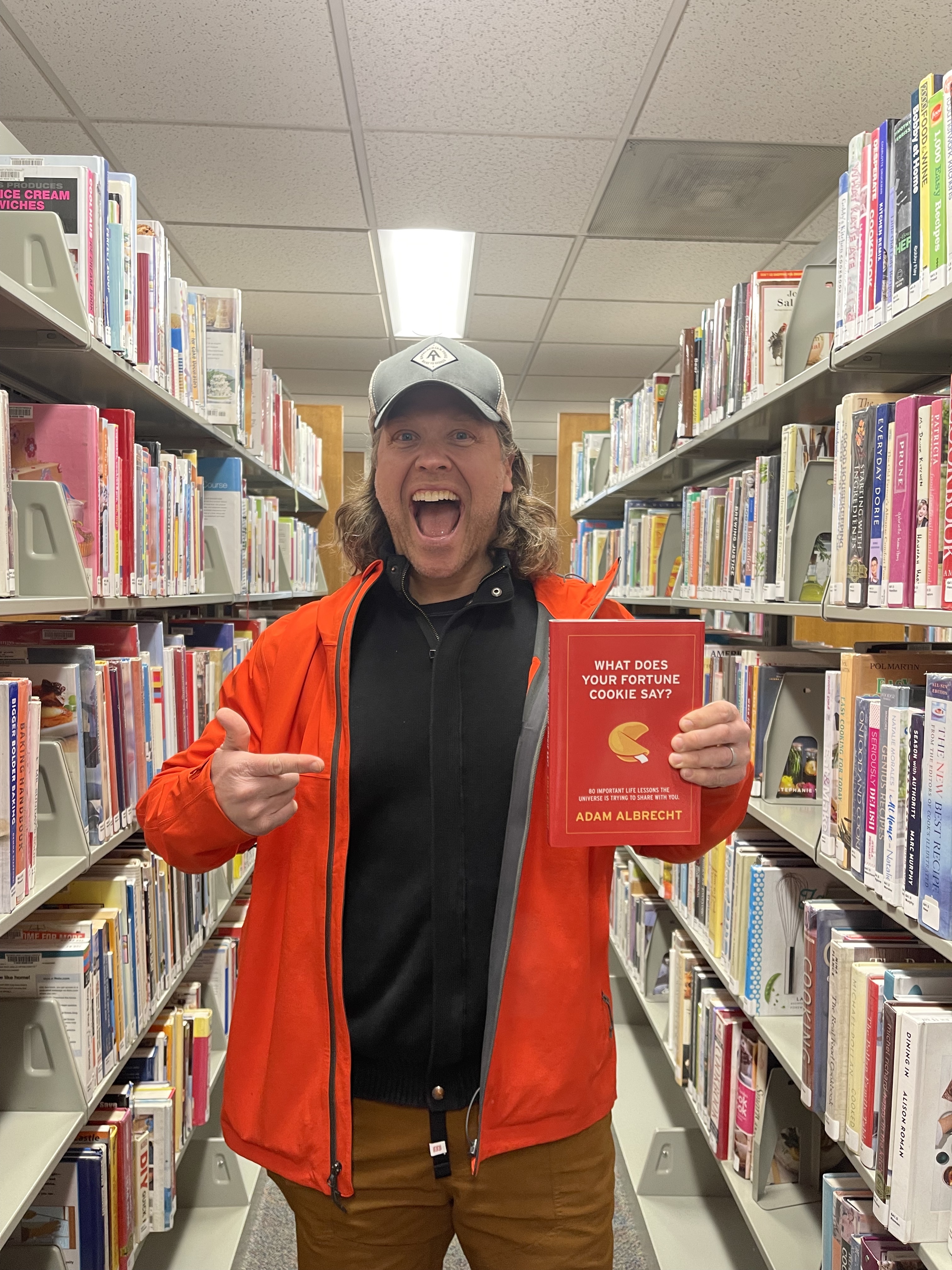
Last week I had another new first. I donated a copy of my book to my local public library. As a new author, I was very curious about how the process of donating a book to the library worked.

Here’s how it happened.

  1. I sent an email to my local library introducing myself as a resident of the community who had recently published a new book. I shared that the book contained 80 of the most valuable life lessons I have learned throughout my life. I also shared links to TV appearances, newspaper articles and Amazon reviews to prove that this book was legitimate and worthy of a little shelf space at the local library. As a bonus, I added that I hadn’t been shushed at a library for many months.

2. I got no response.

3. I stopped by the library unannounced with a copy of my book and told the person at the check-out desk that I was a local resident that would like to donate a new book I wrote. The young man told me that I should talk to the woman at the information desk.

4. I walked 50 feet to the information desk and told the woman at the desk the same thing I told the young man at the front desk. She told me that she could take the book. So I handed it to her. And that was pretty much it. She told me it would take about a week for it to be added to the system. But they would try to work on it between all the shushing they had to do.

There was no ceremony. No confetti. No certificate of literary citizenry. And I didn’t get to meet Dewey Decimal.

Donating my book to the library day!

A few days later my daughter Ava announced that she was looking on the library website and found What Does Your Fortune Cookie Say? available for checkout. I immediately logged in to see it too. Then I requested my own book from the library. Which was pretty cool. Yet also pretty dumb, since I have about 200 copies of the book at my house already. But I wanted the experience.

Stopping by to check out my book from the library. (Frank is never there.)

Yesterday I stopped by the library to pick up my own book. I entered the library and went into my semi-quiet mode (because I don’t have a Full Library internal setting. I walked to the area of the Frank C. Weyenberg library where they hold reserved books for pickup. And I found my book waiting for me.

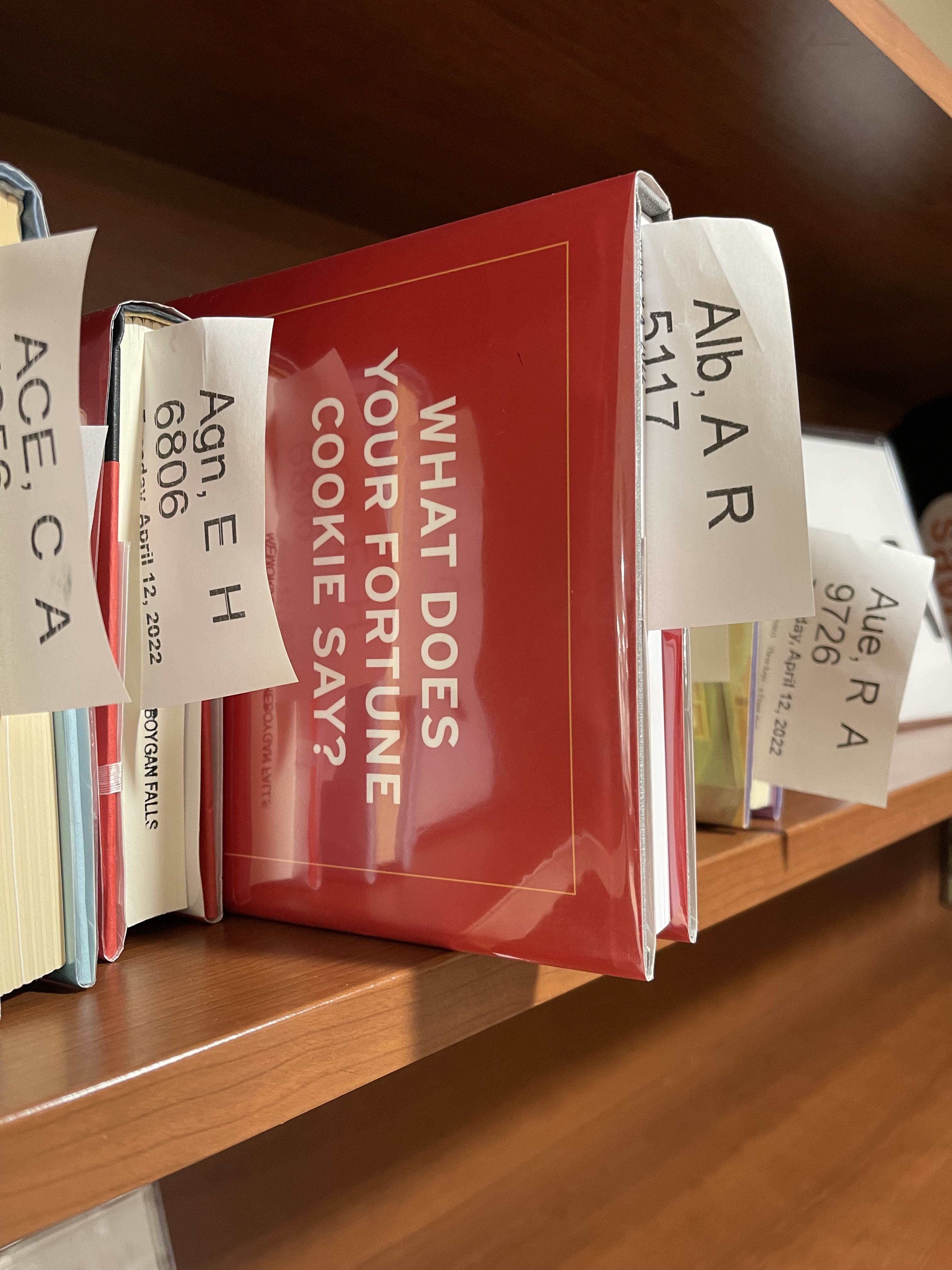
Myself on a shelf!

It was interesting to see the book in library form. It looked like my book, but more official. It had a formal clear plastic protective jacket. I felt like my book had won the library equivalent of a Green Jacket for winning The Masters. Or a yellow jacket for induction into the NFL Hall Of Fame.

The book also had new markings. Including a couple of 14 Day Loan stickers, an official system sticker with the number 158.1 and the name Albrecht. Which seemed to be the equivalent to the Dewey Decimal system number, but perhaps newer and Deweyer.

My book, fresh from the library’s tattoo parlor sporting new ink.

The book also had an official barcode for checkout. This was my favorite part. It made it official. Seeing that barcode on my book let me know that my book, with my carefully collected and curated body of knowledge, was not just available on Amazon and at Winkie’s in Whitefish Bay, Wisconsin. But it was also now a part of the publicly available body of knowledge in Ozaukee County, Wisconsin. Anyone in Ozaukee County can now access the most important lesson I know for free by clicking this link.

That barcode makes it official. Even if it’s not at a bar.

While the donation process of the book was anticlimactic and unofficially, the book itself looks like it is part of a special club. Which offered a special and unexpected reward.

Me checking out my own book. I practiced catch and release and immediately returned the book for the next reader to enjoy.

Key Takeaway

Share what you know. Create value. Offer it to the world. It may be more valuable than you think. The process itself will help you learn and grow and have more to share with the world.

*If you know someone who could benefit from this message. please share it with them.

+If you’d like to learn more about the book you can visit fortunecookiebook.com. You can buy it on Amazon. And if you live in Ozaukee County Wisconsin you can check it out here.

Do you process your feedback for growth or defense?

When you receive feedback from the world you process it with one of two devices in your noggin.

  1. Your Growth Processer
  2. Your Defense Processor.

The Growth Processer says: I have the ability to get better with this feedback. I can learn and improve and enhance my abilities and capacity. It acknowledges that you have room for improvement, and you have discovered an opportunity to press your advantage further. Think of this as the Billy Joel Processor. Because it starts evaluating feedback by saying, You may be right. I may be crazy.

The Defense Processor says: I should not change. I am already where I should be. The world doesn’t know what I know. There are important reasons for doing what I am doing and I need to defend against change or modification. I need to build a wall to protect my processes, decisions and style. Because they are not only as good as they ever need to be, they are better than anyone else. Therefore, I need to defend against decay. Think of this as the Donald Trump Processor. Because like Franks Redhot, he uses his defense processor on everything. Which offers a sense of confidence and superiority. But it prevents all possibility of growth and improvement. (Because just imagine how many times his hairdresser offered up a less imaginative hairdo.)

Real-World Example (But not from the MTV Show.)

If you are part of a race team you have to always be looking for ways to get faster. Speed is growth in racing. Everything that ultimately leads to speed should be sought out, embraced, and accepted. It’s simple. It’s scientific. It’s how you get better faster.

Key Takeaway

Always look for opportunities to improve. Find the valuable gems in your feedback. Consider everything. Think like a race team. Seek out and soak up everything that presses your advantage forward. It will help you get a little bit better every day.

*If you know someone who could benefit from his message, please share it with them.

+For more ideas on personal growth and self-improvement check out my book What Does Your Fortune Cookie Say? from Ripples Media.

How strong is your personal gravity?

Have you ever noticed that when apples break their stematic bonds with trees that they fall to the ground? Sir Isaac Newton noticed. And with this simple observation, he discovered gravity. Which we have come to know as the planetary pull. Gravity is the force that pulls us towards Earth. It also keeps the moon and all of the satellites in orbit. Including the Georgia Satellites. (So don’t give me no lines and keep your hands to yourself.)

But planets aren’t the only ones that create gravity. All heavenly bodies do. And you do too. Even if your body is no longer heavenly.

However, not all gravity is created equal. Which is why you feel like you weigh less on the moon than you do on the Earth. It’s why you feel heavier on Saturn or Jupiter. And it’s why you feel lazy when you are on your Uranus.

Your Gravitational Pull

Your personal gravitational pull is a result of the value you create for others and the energy you radiate. The more value you offer and the more energy you emit the more personal attraction you create.

There is an easy way to evaluate your own gravitational pull. Just look at the people you are attracting and ask yourself these 3 questions:

  1. What kind of people are you attracting? This indicates the quality of your gravity.
  2. Are you attracting many or are there few? This indicates the quantity of your gravity.
  3. Is their orbit growing closer to you or drifting farther away? This indicates your relative growth.

Key Takeaway

The great sign of growth and improvement as a human is to look at who is in your orbit. As you grow wiser and kinder you will attract more and better people. Positive energy attracts. Negative energy repels. Dedicate yourself to improving your personal gravity. It will not only improve your own life, but it will improve the lives of those around you. It will attract more great people to your orbit. And that, my friends, is heavenly.

*If you know someone who could benefit from this message, please share it with them.

+If you’re interested in more ideas on personal growth and self-improvement, check out my new book What Does Your Fortune Cookie Say? from Ripples Media.

The valuable life lesson Will Smith could use right now.

Everyone makes mistakes. Will Smith reminded us of that on Sunday night. And if you are a learning, growing, improving human your mistakes make you better prepared for the next challenge life throws your way. And life is going to throw more challenges your way. It’s what life does.

Early in my career, I made a mistake kinda like Will Smith’s. Granted, there were no Oscars involved. It was not on national television. I wasn’t mad at Chris Rock for saying that my wife looked like one of the fittest, most beautiful Hollywood actresses of all time. (You go Demi!) And I didn’t actually touch anyone.

But I did overreact to a coworker who had done something wrong.

In the moments that followed my overreaction, my boss gave me one of the most valuable lessons I have learned in my career. He simply and calmly told me:

When you are right, don’t respond in a way that makes you have to apologize.

It was great advice. It perfectly reframed my mistake for me. I could see that I was in the right, until I wasn’t. Yes, I had been wronged. But I became wronger. The court of public opinion would have acquitted me, until my behavior was such that they could no longer support me. #IWishIKnewHowToAcquitYou…

For two decades now that piece of advice has been written into my decision-making code. When I am processing how to respond to aggravations, slights, irritations, and insults I frequently access that code. And it always helps me make better decisions. As a result, I don’t give my power of rightness back to those who have wronged me.

Key Takeaway

When you are right, don’t respond in a way that makes you have to apologize.

*If you know someone who could benefit from this message, please share it with them.

+For a full collection of the best life lessons I have learned check out my new book What Does Your Fortune Cookie Say? from Ripples Media.