Here’s the other reason reading is so good for you.

Reading is better for you than you know. Yes, reading is a great way to learn things. That’s why I read Judy Blume novels in middle school. But that’s only part of the benefit. Just as importantly, reading is mental exercise that helps you maintain your mental strength and fitness. Which means that reading can help prevent your brain from getting any softer and flabbier than it already is.

One of the most important reasons to read books is that reading for long periods of time is hard. Reading is a grind. And not the kind R. Kelly sang about. Reading is not something you can rush through. It is slow, deliberate, unrushable work. Reading is something you have to do at a walking pace. And walking a great distance takes time and steady effort. That slow, steady effort is how things get done. It is how learning happens. It is how knowledge gets accumulated. It is how brains and the humans that walk them around transform into better versions.

Remember, success, like reading, is slow. So is growth. And wisdom accumulation.

Reading helps you develop your patient pursuit of greatness. Word by word, day by day, you learn to stay with your self-improvement tasks.

If you hired someone else to read for you, which is essentially what you do when you listen to an audiobook, your pace is basically the same. You just read with your ears, rather than your eyes. Which means there really isn’t a way around the pedestrian pace of reading. There is no hack, other than hacking your way through a book like a slow, steady walk from Hackensack to Hacksaw Ridge.

It is often said that the average CEO reads a very above-average number of books each year. That number has been reported to be as high as 5 or 6 books per month, or 60 books per year. The question is, do CEOs start to read a lot once they become CEOs? Or do people who have trained themselves to slowly and steadily accumulate knowledge through reading become CEOs? The answer should be clear.

Brain coach and speed-reading expert Jim Kwik breaks it down like this:

“I went to Amazon and looked at the medium average number of words per book, and it came out to about 64,000 words. So let’s say the average person reads 200 words per minute. We’re talking about 320 minutes to get through a book, which is about 45 minutes a day, to read a book per week. That makes it a little more realistic.”

-Jim Kwik

Have you ever thought about reading in terms of distance? I have. Because I am curious, like George. If all those lines you read in an average book were laid out in a straight line, on the earth, you would read for half a mile. This is according to my calculations of width per line (4 inches) multiplied by number of lines per page (27) multiplied by pages in book (263). Then I converted the inches into miles. Because I read on American roads. And always on the right side.

That steady mental march along mile after mile of words laid out in books improves you along the journey. As you travel that great literary distance, you pick up new words and expand your vocabulary. You gain new knowledge. You learn about people and places and things. (Oh, my!) You improve your understanding of people, history and problems. That’s why reading creates such a valuable adventure.

As you read, you collect knowledge to draw upon to create new and novel products, services, and art. You collect tools that can be used to solve problems. And you accumulate best practices and all the things that people before you learned in much harder ways than reading.

Strengthening your reading muscles helps you develop mental stamina to focus on all kinds of tasks longer. Reading helps you write for longer stretches. It helps you sit still and quiet. (And if I can sit still and quiet, you can too.)

By learning to read books, you become better at reading reports, studies, and briefings. All of which help make you smarter and more informed. And if you ever find yourself in court and they try to throw the book at you, being able to read that book is highly beneficial to you and your lawyer.

But patiently reading books also helps you learn to read the world. Including nature, people, weather, and art. You learn to slow down and pick up on clues all around you. You learn to slowly and patiently observe how the world works and how humans and animals feel. You notice the health of plants. And countless quiet signs and signals from the universe.

So put down your phone and your other electronics. (After you finish this post.) Find books on bestseller lists. Find the greatest books you haven’t read. They get you on track for developing those very valuable reading muscles that will improve your life.

Key Takeaway

Dedicate time to the slow, deliberate process of reading. It helps train your brain to work at its most effective pace. It teaches you patience and rewards you with a steady, long-term return on your invested time. It strengthens your focus and task stamina. And it provides a road map to reach your most important long-term goals.

*If you know someone who could benefit from this message, please share it with them.

+For more of the best life lessons I have learned check out my book, What Does Your Fortune Cookie Say? from Ripples Media. Don’t worry, it’s a quick read.

Collecting Dots: A Valuable Life Lesson from Slumdog Millionaire.

Back in 2008, the movie Slumdog Millionaire hit the big screens. This smash hit was about a young boy in India, growing up on the streets of Mumbai. Through a series of fortunate events, he becomes a contestant on the game show Who Wants To Be A Millionaire. And apparently he wanted to be a millionaire.

The movie was nominated for 10 Academy Awards in 2009, winning a remarkable 8 OSCARS, including Best PictureBest Director (Danny Boyle), and Best Adapted Screenplay. It also won an Adam Albrecht Award for Most Badass Type Of Millionaire.

The thing I loved most about the movie was that every question our hero, Jamal (Mr Slumdog), is asked triggers a flashback to the moment or event where Jamal learned the answer to that question.

I have been thinking a lot about this movie lately, even though I only saw it once, nearly two decades ago. I am thinking about the movie now, because I am recognizing the same flashback effect in my own life. It’s kinda like the flashback scenes from Wayne’s World, but without the wavy lines and sound effects.

Today, as I am digging into my ever-larger collection of knowledge, I often experience flashbacks to the moment I acquired the now-useful knowledge. It is as if I am playing an epic game of connect the dots, and as I connect dots, I am not just drawing a line between the dots; I am understanding the origin story of each dot. Which I recognize is getting pretty deep for dots.

This is happening for 2 reasons.

First, I am thinking about the original knowledge-gain experience as I am dippin’ into my dots. I am not mindlessly accessing the answers. I am watching it happen in my head, as if I were the third person, observing the story.

Essentially, the things I could be doing involuntarily, I am performing voluntarily or consciously, which creates a deeper level of insights and understanding.

Second, I am actively trying to collect more dots. Like a knowledge farmer. Or maybe a knowledge hunter and gatherer. I read books with the purpose of collecting dots, which include facts, trivia and history. I am actively collecting tips, tricks, best practices, insights, study results, good news, quotes and positive examples. I ask a lot of questions. I listen closely to details in my conversations. And I am mindful of the knowledge harvest as it happens. It enables me to sort, label and store the knowledge harvest more effectively. Which means that a great reason I am easily accessing my dots is that I am cataloging them on arrival. Like a nerdy librarian. Which may be the only kind of librarian.

The natural question is, ‘Why am I consciously labeling and sorting the new dots I am collecting?’ I believe that this is a result of blogging and writing books. It is rewiring the way my brain works. (Which is good, because my brain has always had pretty wonky wiring.)

As a writer, it is useful to file, organize and label my dots for future use. But the same approach is also beneficial as an advertising professional, strategist, creative thinker and entrepreneur. In fact, creative thinking is nothing more than connecting dots in new and novel ways.

The Insight

We are as wise and worldly as the dots we collect and the dots we can connect. To become a better thinker, more insightful, more creative, more strategic and more empathetic, collect more dots. As you collect, consider the lessons, insights and knowledge you are gaining as you gain them. This helps you store them more effectively and access them more easily. When you have a greater collection of valuable dots, well cataloged, like spice jars stored alphabetically in your spice rack, you can access them when you need them, and create a greater range of outputs with deliberately nuanced flavors. This is a valuable skill and asset. It improves your thinking, and your value to others.

Key Takeaway

Collect more dots so you can connect more dots. Recognize the value of your dots as you amass them. Think like a prospector, and learn to recognize gems when you see them. When you understand what you have collected, whether it is the results of a scientific study, or a broken heart, it becomes more valuable to your human experience. Because you never know when you will need that information again. But when you can easily access your knowledge, you can profit from it greatly, just like the Slumdog Millionaire.

*If you know someone who could benefit from this message, please share it with them.

+For more of the best life lessons I have learned check out my book, What Does Your Fortune Cookie Say? from Ripples Media.

The best way to get back on course.

There are proven ways to get results in every area of your life. Some methods are universally true. Some are proven to work for you. But when you discover a process that gets you results, use it. And don’t lose it.

I have proven processes:

  • To help me shed pounds when I creep above my target weight. (Like a creeper.)
  • To help me gain strength.
  • To help me put out 3 blog posts per week. (Which is a safe way to put out.)
  • To help me grow my business.
  • To feel closer to God.
  • To wake up well-rested. (Instead of feeling like I rested in a well.)
  • To make my hedges look good.
  • To read 3 books every month
  • To make sure my teeth don’t fall out

But sometimes I get away from my processes. And I gain weight, lose strength, fall off my reading pace, wake up tired, think less about God, write less, and give the Cavity Creeps a shot at my teeth.

When these things happen, and I realize I have strayed from my ideals, goals and norms, it is time to get back on track, Jack. And to get back on track, I give myself a 3-word reminder:

Trust The Process.

You have developed great habits that are proven to get great results over time. But only when you follow the process. If you are not getting the results you have come to expect, chances are that you have gotten away from your best habits.

In those times, return to the process. Resume the great habits. Trust the process. The results won’t come the same day. (Like Amazon.) Or overnight. (Like FedEx.) But be patient. The results will come.

Key Takeaway

Trust your proven processes to get you the results you seek. Give your processes time to work their magic. Your good habits are like the processes in an assembly plant, creating great results. You have to run the process through the full line. And when you do, you will be happy with the final product that rolls out of the factory.


*If you know someone who could benefit from this message, please share it with them.

+For more of the best life lessons I have learned check out my book, What Does Your Fortune Cookie Say? from Ripples Media.

You vs You: The Ultimate Battle for Success.

When you think about the people standing between you and your hopes and dreams, you probably think about your competitors.

Or criminals.

Or cheaters.

You know, the people willing to harm you for their own self-interest.

But do you recognize that the person most likely to prevent you from meeting your goals in every area of your life is you?

The simple, undeniable truth is that you are your own worst enemy.

Your life’s greatest battles will be You vs You.

You are the one who decides not to do the things you said you would do.

You are the one who doesn’t live up to your commitments.

You are the one that cuts corners.

Who sleeps in.

Who mails it in.

Who opts out.

Who half-asses it when a full ass is required.

You are the one who gets too tired.

Or thinks it’s too late.

You are the one who will want rest more than you want reward.

You are the one who gives in to short-term thinking instead of long-term benefits.

You are the only one who can violate your own code of conduct.

You are the person most likely to talk yourself out of action.

Remember, to be great, happy and fulfilled, you have to overcome yourself.

You have to defend yourself from negative self talk.

You have to deny your own excuses.

You have to constantly argue against the valid arguments you present to yourself that would make it rational to quit.

You have to build self-defense systems against yourself.

You have to prioritize your long-term vision, your mission, your purpose and your goals over every excuse you come up with not to do what you know you have to do to be successful.

You have to decide that when you don’t feel like doing the thing, you do the thing anyway.

You have to be a badass today so you are not a sadass tomorrow.

You have to continuously prove to yourself that you do hard things.

In fact, you love to do hard things.

You don’t accept excuses. Not even really good ones, with whipped cream on top.

You have to do everything you can to make future you happier, healthier, wealthier, fitter, and closer to your heavenly ideal than current you.

You have to deny that first fucking marshmallow every time.

Always hold out for the bigger prize.

For the magical power of compound interest.

Focus on the long-term benefits of exercise.

Keep your weight in your acceptable zone.

Getting to the church on time. Like David Bowie said.

Never forget that you are your greatest ally.

You are your own bodyguard. Your own Frank Farmer.

You are your dream defender.

You are the person you can rely on most.

You are the one who writes your own rule book. So you know how to respond when tempted by the fruit of another other.

You are your own best armor.

You are your own biggest cheerleader.

You are the one who says I am not giving in yet.

You are the person who decided to hold on for ten more minutes.

Or to hold out for another day.

You are the one who reminds yourself that the couch and the TV will be there when you are done.

You are the one who sets the alarm. And gets up early. Even on vacation. Even on Holidays.

You do your things, even when the rest of the world doesn’t care if you don’t.

You are the one who sets your own deadlines. And hits your own deadlines.

You are the one who tells yourself that you don’t do what everyone else does.

Your rules are tougher.

Your requirements are harder.

Your standards are higher.

Because in the greatest battles you will ever fight, you have to beat you.

And when you do, you win at life.


*If you know someone who could benefit from this message, please share it with them.

+For more of the best life lessons I have learned check out my book, What Does Your Fortune Cookie Say? from Ripples Media.

Master Your Mindset: The Power of Thought Choices

Your brain is an amazing engine.

It is the ultimate hybrid machine. (Sorry Prius)

It runs on whatever you feed it. 

Positivity. Negativity. Enthusiasm. Cynicism.

Any ity, asm or ism.

Any octane.

Just pour it in the tank.

Your brain can churn it and burn it.

Or shake it and bake it.

You can set your brain to run on optimism.

Or you can set it to crank on pessimism.

It fires in both criticism and support mode.

It can process the profound and the petty. (Including Tom and Richard)

You can stoke your brain with greatness or gossip.

Happy thoughts or sad.

You get to decide.

Every day.

In every situation.

And if you choose a setting and a fuel that doesn’t serve you, you can change it at any time.

Key Takeaway

Your inputs determine your outputs.

And your mode determines your mood.


*If you know someone who could benefit from this message, please share it with them.

+For more of the best life lessons I have learned check out my book, What Does Your Fortune Cookie Say? from Ripples Media.

The Easiest Way To Have A Positive Impact On The World.

I got an email yesterday from Matt Wolf. Matt is the Academic & Career Planning Coordinator at Homestead High School in Mequon, Wisconsin, where I live. And Wolf, in case you hadn’t noticed, is a rock star kind of last name. So, for the rest of this story, I will refer to Matt simply as The Wolf.

The Wolf was putting together a Career Day extravaganza at Homestead. I knew this was happening, because he reached out to me to ask if I knew anyone that would be a great speaker on sports marketing. The Wolf share that students frequently list sports marketing as a career area they are highly interested in. I blame Jake Paul.

So I connected The Wolf with my friend and former coworker Leslie Stachowiak, who, in addition to having a name that would trip up a Spelling Bee champion, works for the Milwaukee Brewers, the Major League Baseball team.

The Request

But now The Wolf was apologetically asking me at the last hour if I could also fill a slot in the career day lineup. He wrote this apologetically because he asks me multiple times a year to come speak to the middle schools in The Quon about my career as the Founder and CEO of the advertising and ideas agency, The Weaponry. And since I volunteer for that job multiple times each year, he was trying to avoid asking me to also volunteer to speak at the high school.

My Most Important Work

What The Wolf doesn’t know is that I think the most important and impactful work I do is having a positive influence on the youth in my community. That’s why I always raise my hand to speak to the middle schools. (I also raise my hand because I use Sure Deodorant.) It is why I speak each year at Career Day at our neighboring Whitefish Bay High School.

It is why I volunteer to guest lecture at The University of Wisconsin, Madison (the most fun university in the history of universities), Marquette University, Concordia University, and basically any school that invites me to come speak.

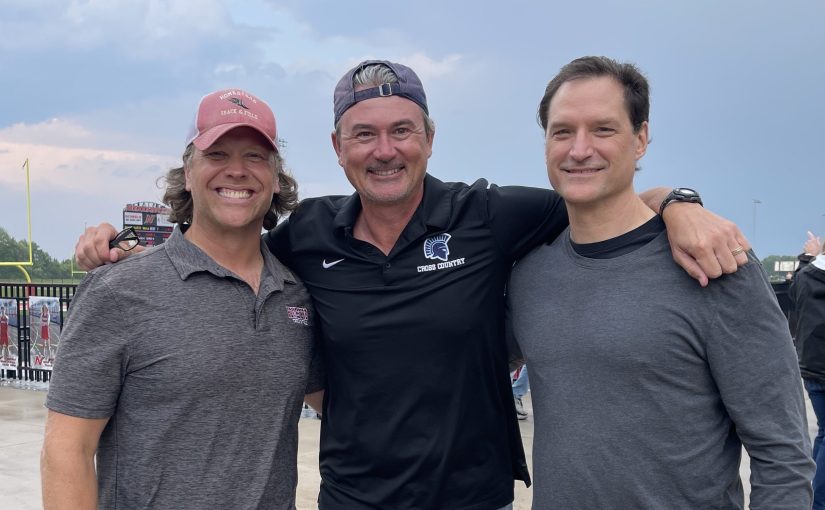
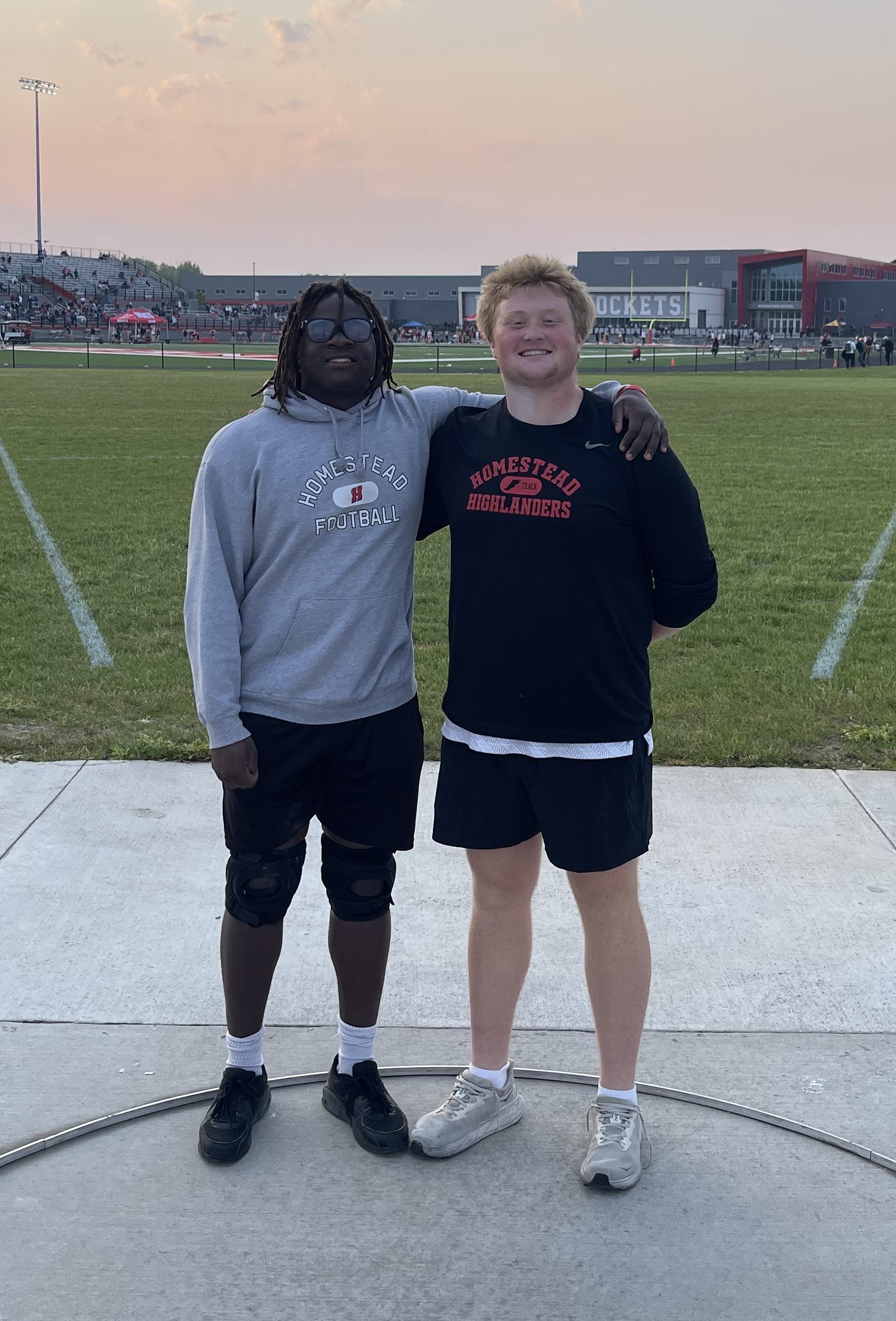
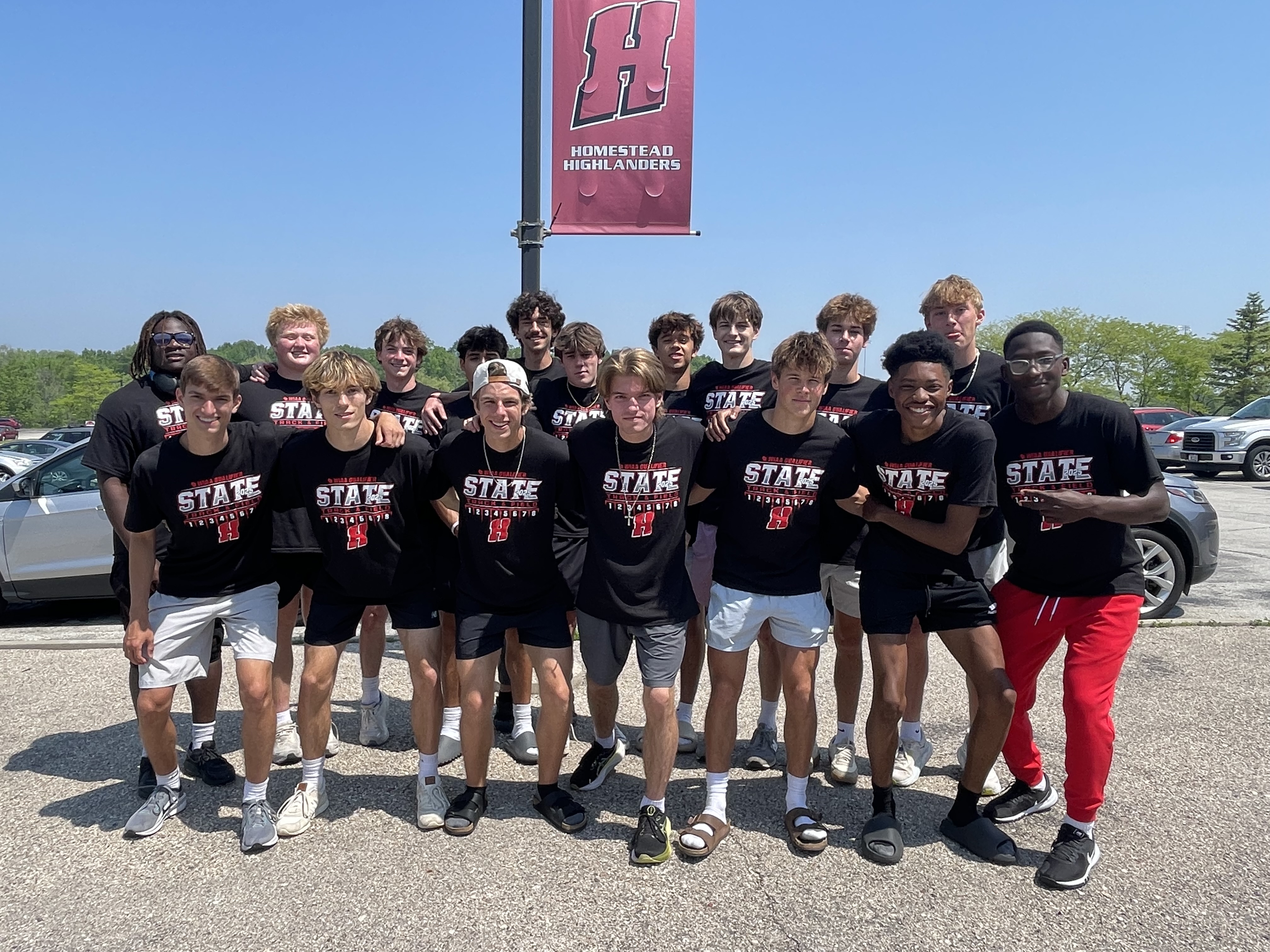
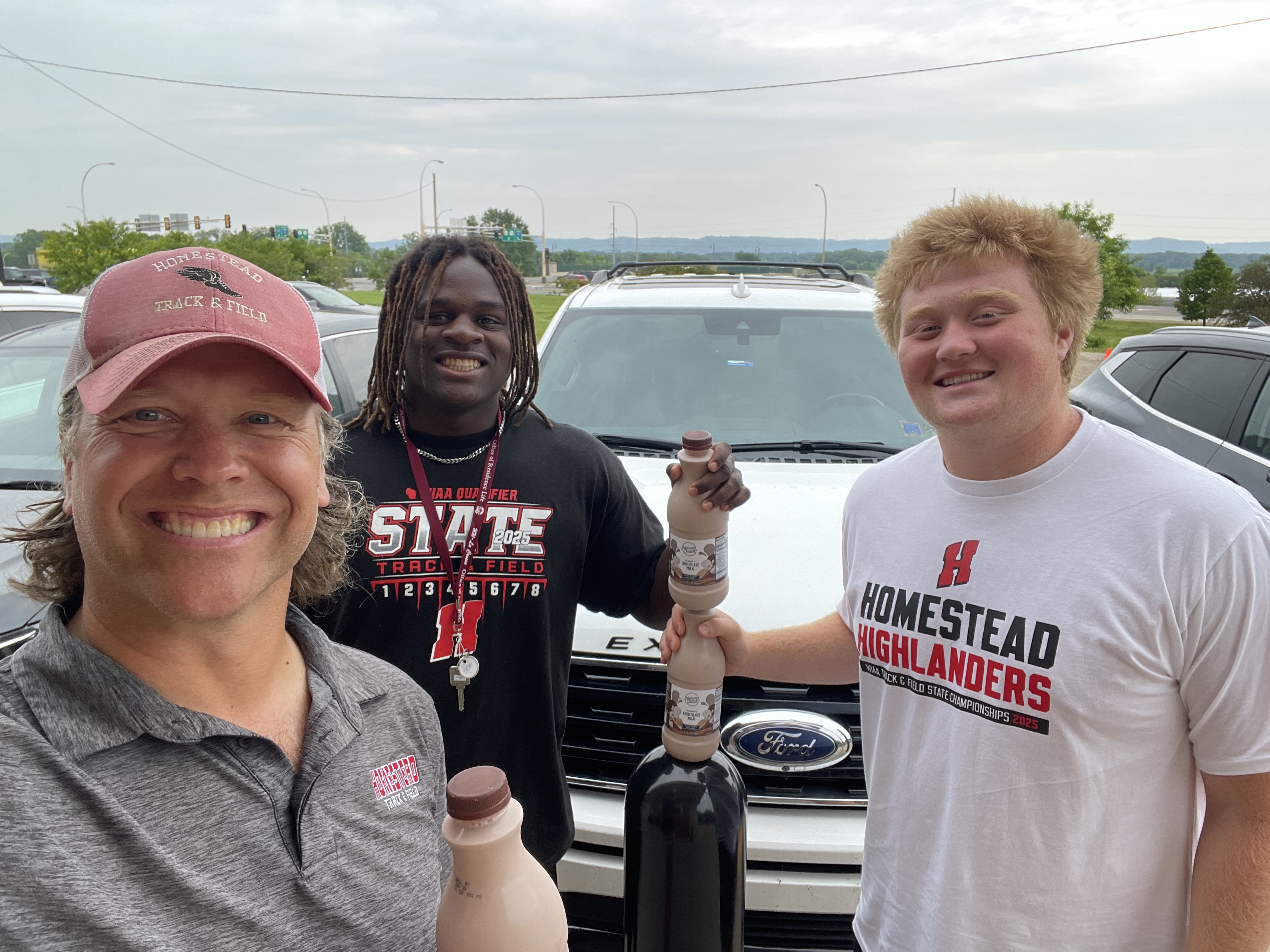
My interest in having a positive influence on youth is also why I coach track and field at Homestead. It is why I also volunteered to coach track and field at Steffen Middle School this year. And it is why I have coached youth football in Mequon for the past 7 years. Which means I have proudly passed a lot of background checks. (The hardest part of those tests is remembering my address from 7 years ago.)

I love teaching life lessons and character development through athletics. Because the life lessons I learned through athletics have benefited me for a lifetime. Plus, there were never any Scantron sheets or number 2 pencils required on the track or football fields.

Not only have I coached these boys on the football field, I have shared my educational and career path with them. I also showed them how to grow hair. It looks like my work here is done.

Helping future generations is why I volunteer to speak with student-athletes at the University of Wisconsin whenever I can. Which is why my great friend Nicholas Pasquarello, Executive Director of the W Club and Strategic Partnerships, invites me to so many events and activities with current and former Badger athletes.

Helping kids is also why I wrote the book, What Does Your Fortune Cookie Say? I wanted my kids and the rest of the next generation to have quick access to valuable life and career lessons it took me decades and a lot of mistakes to learn.

The Answer

So I told The Wolf that I would happily come speak at Career Day next week. Because this type of work is a priority. I can’t think of more important or more impactful work.

Key Takeaway

Please consider sharing what you know with the next generation. And the generations after that. Whether you take time to share your knowledge and experience with the youth in your community, college students, recent graduates, or those navigating careers in your field of expertise, your wisdom and guidance is extremely valuable. You help provide a model and a path for others to follow. You have the ability to inspire others to follow your lead, to develop their skills, and to lean into their interests, passions and strengths. It is the easiest and most rewarding way to have a positive impact on the world.

*If you know someone who could benefit from this message, please share it with them.

+For more of the best life lessons I have learned check out my book, What Does Your Fortune Cookie Say? from Ripples Media.

Embracing Vulnerability: My Sunday Lesson.

On Sunday at church, I sat unusually close to the front of the sanctuary. My wife Dawn and I started a walk n’ talk with Pastor Bill Knapp in the narthex, and ended up walking him down the aisle until we got to the altar. Since we didn’t qualify for the exclusive seating on the altar, we sat in the second pew. Or the second row, if you don’t use the word pew. To me, this is the real first row. Because who sits in the row without a pew rack in front of them? People with nothing to hide from God?

I noticed things from that ultra-close vantage point that I had never noticed before.

  • There were more people wearing jeans to church than I realized.
  • I saw people who walk to the altar for communion but didn’t kneel to partake, presumably because their kneelers no longer kneel.
  • I noticed how the choir files out to the choir-itorium up front, then circles to the back of the church to grab a little bread n’ wine. (Emphasis on the little.)
    • I discovered the patterns the distributors use to return to the beginning of their side of the altar after working across the altar to distribute the Jesus goodies.

The Children’s Sermon

But I also witnessed something interesting during the children’s sermon. About 20% of the way through the service, our pastor invited the wee folk to come up to the altar for the children’s sermon.

Within seconds, I saw a young boy dash down the aisle like an eager bride on her wedding day. The boy sprinted to the altar, jumped the 2 steps to the main stage, and hit a hook slide across the wooden floor to a spot at the dead center. And just a foot in front of Pastor Bill. It was such an amazingly enthusiastic Dukes of Hazard way to show up for the word of the Lord that I couldn’t help but admire the young boy’s enthusiasm and aggressiveness.

After all the other kids filed up to the altar and took their seats crisscross applesauce-style, I saw another very young boy slowly approach the altar. This boy looked very timid, and unsure. He squeezed his father’s hand. And as he passed just in front of me, I heard him whisper to his dad, ‘Stay with me, ok?’ I then watched the loving father sit on the edge of the altar, with his arm around his son, so that the boy felt comforted in this scary, vulnerable and foreign situation.

After witnessing both boys approaching the same children’s sermon in the same church with such drastically different styles, I couldn’t help but consider which of these boys I identified with.

The answer came to me quickly and obviously:

Both.

While I love the eager, enthusiastic approach of Hook Slide Sven, and often employ a similarly energetic entrance, there are times when I feel like Timid Teddy.

When I was young, I felt that way a lot in specific new and confusing situations. Over the years, the balance has shifted dramatically. My moments of timidity today are few and far between. But they still happen. I don’t look meek. But I feel like I have no idea what I am walking into. But like Timid Teddy, I go anyway.

It’s important to recognize the value of experience. Anything you do can be scary and intimidating the first time. But do it anyway. Because everything you do is easier the second time. I see Hook Slide Sven at church all the time. He’s altared countless times for the children’s sermon and to sing in the children’s choir. He’s very comfortable in that environment. Which makes it easy for him to show up as his authentic hook-sliding self.

Timid Teddy was trying. Good for him. And good for you when you try something new, go somewhere new, eat something new or wear something new and bedazzled. It’s ok to show up feeling uncomfortable. That’s how you grow, learn, expand your world, and develop life skills and confidence. And once you are confident in a situation, help bring others along.

Key Takeaway

Sometimes you will feel confident, energetic and aggressive going into situations. That’s great. That is you at your best. Embrace and enjoy when you feel like that. It comes with experience. But know that it is ok to feel unsure, unprepared, apprehensive and cautious. The world does a good job of making us feel like that when we are out of our element and out of our comfort zone. When you feel unsure, but go, do, try, ask, join or partake anyway, you are growing. And that is just as valuable. Because when you do, you gain comfort and confidence. And you will soon be sliding into the same situation like Bo Duke, Rickey Henderson, or the boy at my church.

*If you know someone who could benefit from this message, please share it with them.

+For more of the best life lessons I have learned check out my book, What Does Your Fortune Cookie Say? from Ripples Media.

Create Your Big Life List Today.

You have a lot of amazing things you could do in life.

Adventurous travel.

Creating your own business.

Writing that award-winning thing that only you could write.

Doing things so interesting that you find yourself rubbing elbows with people who have really nice elbows.

But are you doing any of these amazing things?

Are you ticking things off Your Big Life List of amazing things that add to your life resume and make your enemies mad that they envy your experiences, accomplishments and elbows?

If so, you probably feel happy, fulfilled and purposeful.

If not, it’s time to jump on it, Kemosabe.

You are not getting any younger. (And after seeing how The Substance ends, you won’t want to try.)

Remember, you don’t know how much time you have.

Start Today

Consider the things you would regret not doing if tomorrow your ability to do was done.

Make a list. (Check it twice. Find out who is naughty and nice.)

Start with the biggest, most important activities.

Set self-imposed deadlines.

They are amazing tools to help you accomplish more.

Reflection

On a recent flight, my seatmate and I were talking about our lives and experiences. She commented on the number of impressive life-listy things I had accomplished. I told her that a Big Bertha-sized drive for me was that on the eve of my 40th birthday, I reflected and wrote a list of all the things I was proud to have accomplished. Then, I turned to consider all the things I had not yet done, seen or experienced.

That list of Things Undone has been a great driver for me ever since. Today, I am keenly aware of the many things I still want to do. So I keep a list. And I set deadlines. And I keep ticking them off.

You can too.

Key Takeaway

I encourage you to write your regret list this week. Find some time when you can reflect on what you would regret not having done, accomplished, tried, seen, tasted, explored, or created if you were to die this year. Then get going. It will lead to a more interesting and adventurous life. A life that you can be very proud of. And it will help you finish your time here with no regrets.

*If you know someone who could benefit from this message, please share it with them.

+For more of the best life lessons I have learned check out my book, What Does Your Fortune Cookie Say? from Ripples Media.

Don’t be a fool. Make sure to get all the value you can from your vacation days.

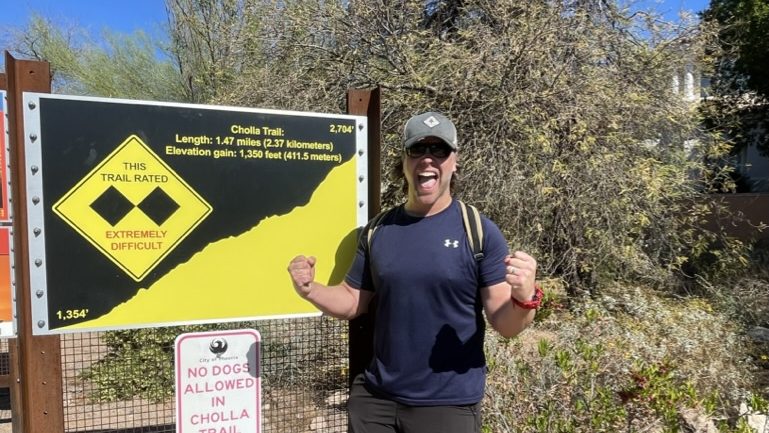
Happy April Fool’s Day! I just returned from a spring break trip with my family. The best thing I came back with was not relaxation or a tan. In fact, my vacations are rarely relaxing. I logged nearly 30 miles worth of desert hikes in Scottsdale and Sedona, Arizona. And my dermatologist would be happy with how much F-ing SPF I used. (Ok, so I don’t actually have a dermatologist. But I do pack a lot of derm, like a pachyderm)

Inspiration

What I came back from vacation with were more memories with my family, new inspiration, and more ideas. None of those things took up any space in my carry- on bag. In fact, the only souvenir I bought on vacation was a single ornament to hang on our Christmas tree. It’s a family tradition. And I’m traditional.

I saw new things. I ate new things. I explored new places that expanded my thinking.

I discovered businesses that made me think about businesses that I could start. And things I could introduce to The Weaponry, the advertising and ideas agency I lead.

People

I met new people at hotels, on planes, and on hiking trails. I also saw my cousins Cher Fesenmaier and Chawn Tipton who live in Phoenix, whom I hadn’t seen since our Grandma Albrecht’s funeral a few years ago. Which was a surprisingly fun funeral. After all, she was 99 and taught us how to have fun. Even at funerals.

Cher, Adam and Chawn in Tempe. Make sure to see your people in real life.

Reading

I finished a book on vacation. (The Splendid and The Vile) I started reading 2 new books. (Barbarian Days and Dave Grohl’s The Storyteller.) Everything you read helps make you more creative. It feeds your brain more material and creates more dots to connect. Vacations would be valuable even if you just stayed at home and read. Your dermatologist would probably like that too.

Appetizers

I got to really dig into some locations that I had only experienced as appetizers in the past. My mom taught me that short visits to new places are like having appetizers. If you enjoy the appetizer, you can come back for more another time.

Memories

Your most valuable possessions are your memories. They are like pieces of art, movies, photos and paintings that you hang in the museum in your mind. The more new experiences you have the more you fill the most valuable gallery in your head. That gallery serves as your perpetual source of inspiration when you need ideas, and as your perpetual source of entertainment and conversation starters when you don’t have the time or money to travel. You get to relive the experiences of your memories over and over in your mind. Even when you are too old, weak, or poor to travel and adventure.

My people in Sedona. 10 out of 10. Can definitely recommend.

Key Takeaway

Make sure to take your vacation time. Use it to do new things. It enhances your creativity in immense ways. You collect new dots to connect to the other dots you already have. This helps you come up with new ideas and combine old ideas in new and novel ways. It expands your world and your thinking. It creates new perspective. It introduces you to new people. It gifts you new stories. And new reasons to laugh. It creates new memories. And sooner or later you realize that your relationships and your memories are your most valuable possessions. Your vacation days help you develop both.

*If you know someone who could benefit from this message, please share it with them.

+For more of the best life lessons I have learned check out my book, What Does Your Fortune Cookie Say? from Ripples Media.

11 Essential Truths About Great Advertising.

Advertising is typically thought of as a creative endeavor. More Art Garfunkel than science. But here are 11 simple truths about making great and effective advertising that every marketer, businessperson and communications professional should know. At The Weaponry, these truths drive everything we do. Here they are in a particular order.

11 Truths About Great Advertising.

1. It stems from great strategy: All great advertising and marketing begins with a great strategy. You have to know how you win. You need to know which of your advantages to leverage. You need to know who your audience is. And what they need to hear from you in order to give you their money, their vote, or their blood.

2. It differentiates. Great advertising sets you apart from the crowd. You are no longer a commodity. You are special. Like that little girl from The Help. This is the power we build into strong brands. It makes you irreplaceable. You want to be seen as a special exception. Be the option that sparkles and calls your customer’s name. They have to think, This is the brand that gets me.

3. You haven’t seen or heard it before. Great advertising feels new. It tickles a part of the brain that has never been tickled before. It offers phrases, imagery, design, or attitude that you have never encountered before. Which helps your advertising land in a new place on the perceptual map. Like new art. Or Chipotle. Which is why so many new food concepts are now described as the Chipotle of their cuisine type. You also know that Chipotle has built a strong brand because when people tell you they are going to grab Chipotle, you don’t imagine them grabbing a smoke-dried jalapeno.

4. You have to earn a longer leash to create it. Great advertising often represents a perceived risk. Because it feels different than what you’ve seen from the brand or the category before. Which means that the client-approver needs to trust the creators. The client approvers must trust that the creators have their best interest at heart. They must trust that this is a smart and calculated departure from the past, or from a norm. (Norm!!!) They must trust that you know what you are doing. This type of trust, which I call earning rope, or earning leash, takes time. Sometimes this is earned through a handful of interactions, like during the new business pitch process. Sometimes this is earned over years of working together. But without first earning trust, advertisers are less likely to jump the gap with you. (Which has nothing to do with mugging people at The Gap. Or minding the gap. Or Michael Strahan.)

5. It avoids layers of approval. Great advertising doesn’t get approved by an army of approvers. The more approvers that are involved, the more likely the work gets pushed right back to the center of the expected range from your category. The people who will be approving the great work should all be in the room or on the Zoom when the great work is presented. They should be exposed to the strategic thinking and the insights that birthed the idea. And they should be able to compare the work in question to the other ideas presented and their relative merits. (Not the merits of their relatives.)

6. It can not be evaluated devoid of the strategy. To judge great creative work you need to know the strategy. This is critical. If you don’t know the strategy the work can’t be right and it can’t be wrong. The strategy represents the aim of the work. Without knowing the aim, you can’t know if it hit the target. Armchair quarterbacks don’t know what the insiders know. You have to know the insider information to judge the idea and the execution.

7. A great idea gets better partners than your budget deserves. Creative people love creative ideas. They are more interested in bringing a creative idea to life than making money. Which means they will often slash their rates or even do work for free to be involved in great creative work that they can add to their portfolio, reel, or website. As a result, a great creative idea attracts talent and resources beyond what you can afford. So great ideas often get favorable treatment and privileges that ordinary work does not. In turn, it gets even greater at each step in the process.

8. You have to sweat the details. To make great advertising, you have to start with a great idea. But then you have to pay attention to all of the details throughout the process. You have to set high standards for every aspect of the work, and then be vigilant, and critical, to ensure that every element is done right. The words, colors, imagery, size of everything, performances, sound, casting, announcer, kerning, leading editing, graphics, photography, and retouching all have to be right. A flaw in any of those areas can ruin the whole thing. Like the pea under the mattress, the fly in the soup, or the toothy grin on Mona Lisa.

9. It causes envy. Great work may seem subjective. And in some ways it is. Supreme Court Justice Potter Steward once remarked that hardcore pornography may be hard to define, but “I know it when I see it.’ The same holds true for great advertising. The measure I always use is that it creates envy. When I see great advertising, I wish I had created it. I wish I had it in more portfolio. I wish I could brag about it. In fact, when I am hiring creative talent that is my requirement. The candidate must have work in their portfolio that makes me jealous. That’s what great advertising does. And indeed, great work of any type should create envy. (Side note: Don’t you wonder just how much hardcore porn Justice Steward has seen?)

10. It drives results. Great advertising can’t be great without driving results. Results don’t just mean sales. Because there are other factors that advertising can’t overcome that impact a final sale. But great advertising must drive interest, or engagement, inquiries, calls, store visits, website traffic, leads, votes or whatever it was intended to do. Ultimately, this is the measure that trumps everything else. (That was not a political sentence.) Agencies and marketers alike win when the work works.

11. It makes people look forward to your next idea. Great advertising flips the dynamics in the favor of the advertiser. The audience no longer sees you as an interrupter. They see you as interesting, entertaining, smart, or funny. They see you as adding value to their lives. And when you do that, the world looks forward to what you do next. They want to know what great idea you will share next. Whether it’s your funny Super Bowl commercials, your engaging content, your frame-worthy print ads, your stunning billboards, or your crazy stunts, great advertising means you are no longer interrupting. You are anticipated. You are sought out. This is the ultimate benefit of great advertising. The gatekeeper is keeping an eye out for you. And when you appear, they invite you to cut the line and make your way inside.

Key Takeaway

Great advertising is fundamentally different than technically sound advertising. It is created differently. It is approved differently. It triggers a different and more valuable response from your audience. Great advertising offers tremendous value and creates advantages that help you win your unfair share of the pie. If your advertising is not great, revisit this list to understand why and where it may have gone wrong. Then fix it. You always have the ability to get it right.

*If you know someone who could benefit from this message, please share it with them.

+For more of the best life lessons I have learned check out my book, What Does Your Fortune Cookie Say? from Ripples Media.