It’s never too late to start doing what successful people do.

There is a great way of doing everything.

  • Work
  • Exercise
  • Sleep
  • Cleaning
  • Whoopeeing
  • Saving
  • Eating
  • Volunteering
  • Tax preparation
  • Brushing your teeth
  • Investing
  • Treating your spouse well
  • Etc. (That simply means there is a lot more stuff on this list. Not that there is a great way to et cetera.)

There is also a far-from-ideal way to do everything. In fact, there are many far-from-ideal options. They make for good reality TV, bad dental hygiene and something we now call comorbidities.

What Successful People Do

Successful people do things the right way. They develop strong habits. They create great processes and systems that ensure that things are done the right way.

Join The Club

But success is not a private club. The doors are always unlocked. And we all have an open invitation.

To join The Successful People Club just start doing things the right way. The way you know they should be done.

Take the actions you know you should take.

That builds momentum.

Success is a result of momentum.

Momentum is a result of executing good habits.

Habits are simply doing the right things the right way regularly.

But it all starts by doing the right things once.

You can do that today.

Then do it again tomorrow.

It’s easier than you think.


*If you know someone who could benefit from this message, please share it with them.

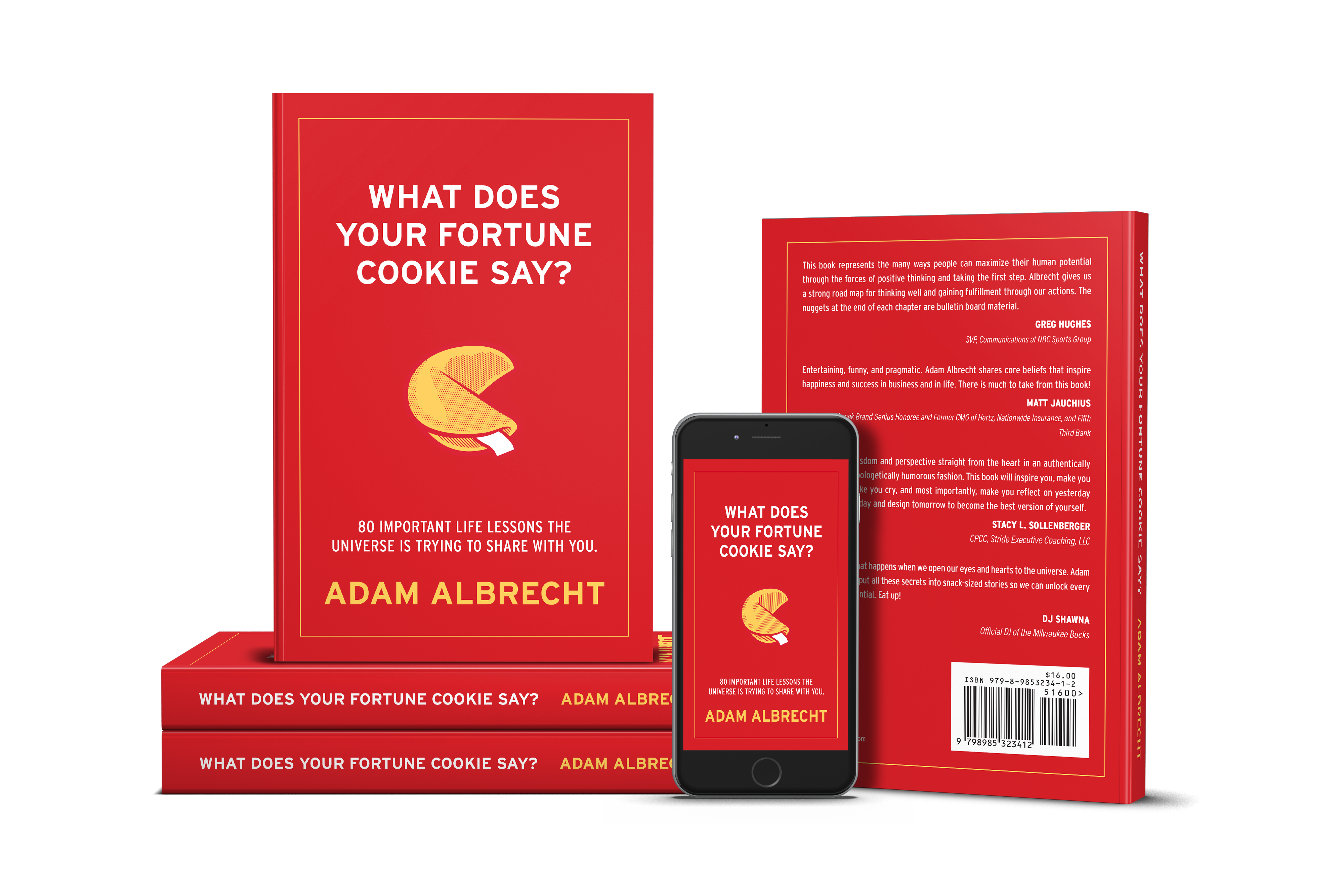
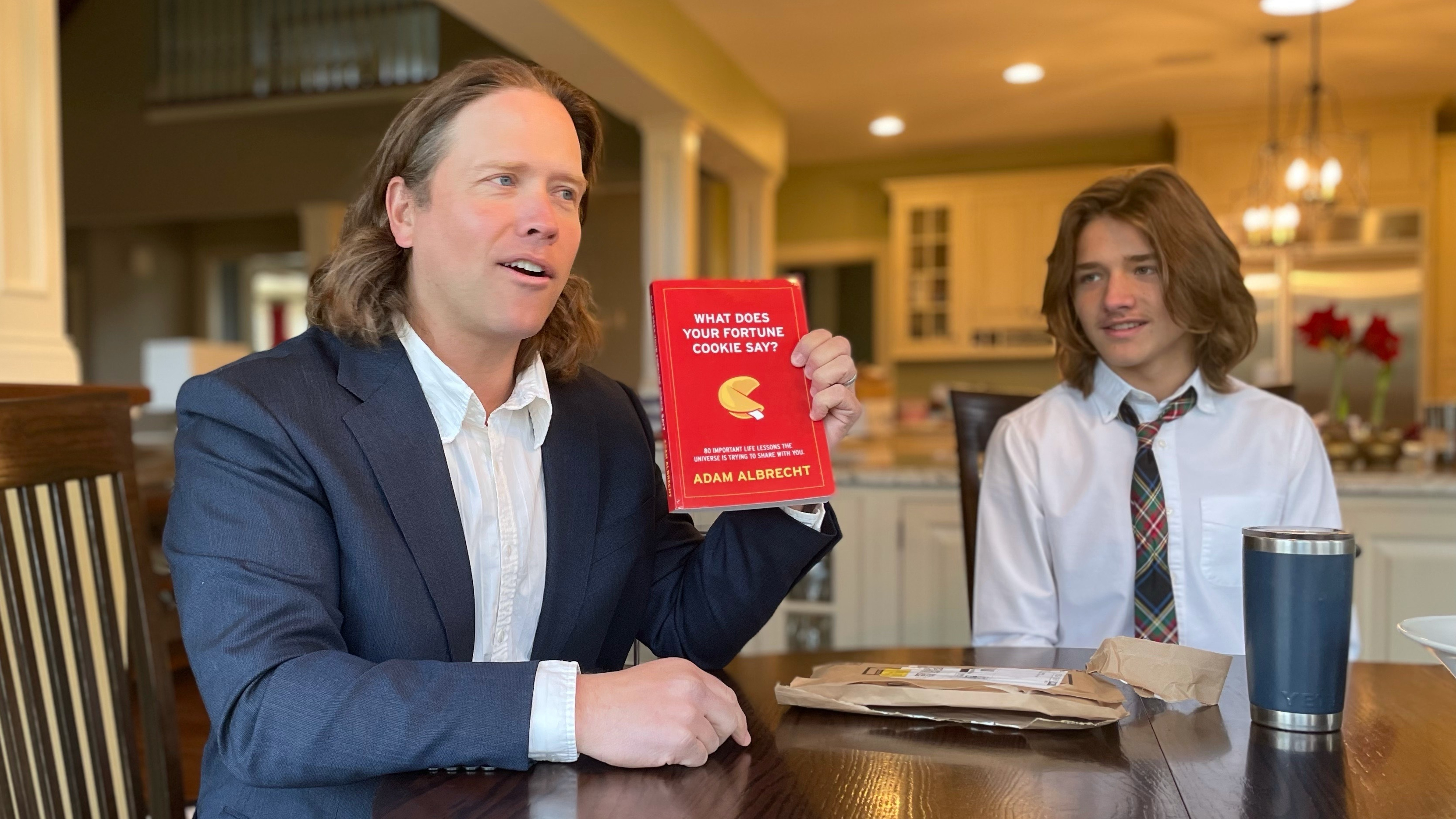
+If you like this type of message, you will like my new book What Does Your Fortune Cookie Say? from Ripples Media. It shares 80 life lessons the universe is trying to share with you.

How highly successful people win even when they are tired.

Sunday was the first day of Daylight Saving Time in America. We all gained an hour of sunshine but lost an hour of sleep. Which is a pretty good trade, unless you are a vampire.

Late Sunday afternoon I told my 14-year old son Johann that it was time for us to go to the gym. Not surprisingly, he told me he didn’t want to go. He said he was tired. I told him that I was too. But that we were going to go lift weights anyway.

When we got into the Jeep I knew it was time for a Father-Son talk. Thankfully, it wasn’t going to be one of those Father-Son talks where you have to use all the anatomically correct language and try not to giggle.

Me and Johann the moment I first held my book.

As we pulled out of our neighborhood and headed towards the gym I told Johann that I was about to share one of the most important lessons I would ever share with him. And I wanted him to listen closely. Here is what I said:

The Daylight Saving Day Lesson

You will always be tired. For the rest of your life, you will be tired every frick’n day. And being tired will always be an excuse you can use to get out of doing anything.

But if you use the I’m tired’ excuse you will never accomplish great things. You will never have big successes. You will never break away from the massive pack of average.

When you are tired, you have to go anyway. Work anyway. Compete anyway. Exercise anyway. Maintain your best habits anyway.

Become the type of person who does things despite being tired. And you will build momentum. You will separate yourself from others who use being tired as an excuse to not do what they know they should do.

You will do special things. You will make something great of yourself. You will make your parents proud. You will make yourself proud. And you will know that you are a badass. A badass who gets tired, like everyone else. But when you are tired and don’t feel like doing hard work you do it anyway. That’s how you win at life.

-Dad

Key Takeaway

You will always be tired. Don’t use it as an excuse. Go anyway. And use it as proof that you are a tough mofo who does the necessary work, even when you are tired. Because that’s what great people do.

*If you know someone who could benefit from this message, please share it with them.

+If we are on the same frequency, you’ll also enjoy my new book What Does Your Fortune Cookie Say? from Ripples Media.

Surround yourself with rockstars who have already done what you want to do.

In 2016, after having been an employee of three successful companies for 19 years, I became an entrepreneur. I left behind the predictable employment, the benefits, the 401(k) and the Free Lunch Fridays.

I pushed all my chips to the center of the table and bet on myself when I launched the advertising and idea agency, The Weaponry. (The chip reference was supposed to be a poker thing. Not a potato chip thing. #JustClarifying)

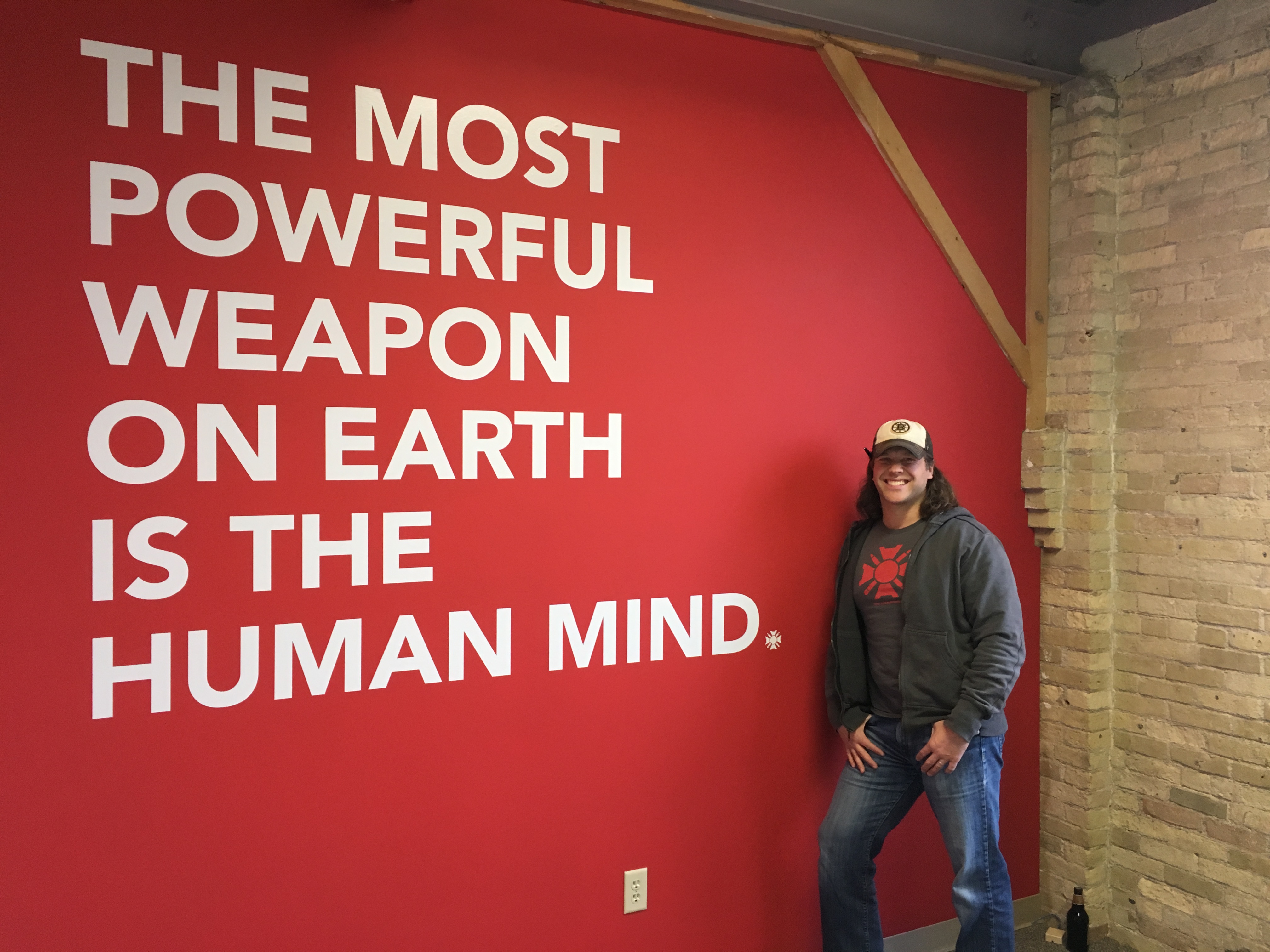
Me and a wall at The Weaponry.

But when I left my job as the Executive Vice President and Executive Creative Director of the largest advertising agency in Atlanta to start my own business it never seemed crazy to me. Because I knew a lot of other people who had started successful businesses. They seemed a lot like me. And they all looked like they were fed, sheltered and clothed. (Wait, yep, they were definitely clothed.)

My man Troy Allen started a design agency before starting the wildly successful Rise Brands.

I knew a bloggle of bloggers before I launched this blog.

I knew a stockyard of people who invested in stocks before I bought stocks.

I knew a neighborhood worth of people who owned rental property before I properly rented my property.

I knew dozens of authors before I wrote my book, What Does Your Fortune Cookie Say?

Writing my own book didn’t seem hard. Not even the hardcover.

Always Remember:

You Are Becoming More Like The People You Spend Your Time With.

Your peer group is your mirror group. To upgrade your likelihood of success upgrade your friends. Surround yourself with doers and diders. It creates positive peer pressure that pushes you to do better, more impressive things. The Joneses I know are badasses. And I want to keep up with all they are accomplishing. (Shout out to Bryan, Jill, Adam, Patti, Garrett, Kristen, Sharon, Courtney, Arnita and Rachel! Sorry you guys didn’t make it into that new truck commercial.)

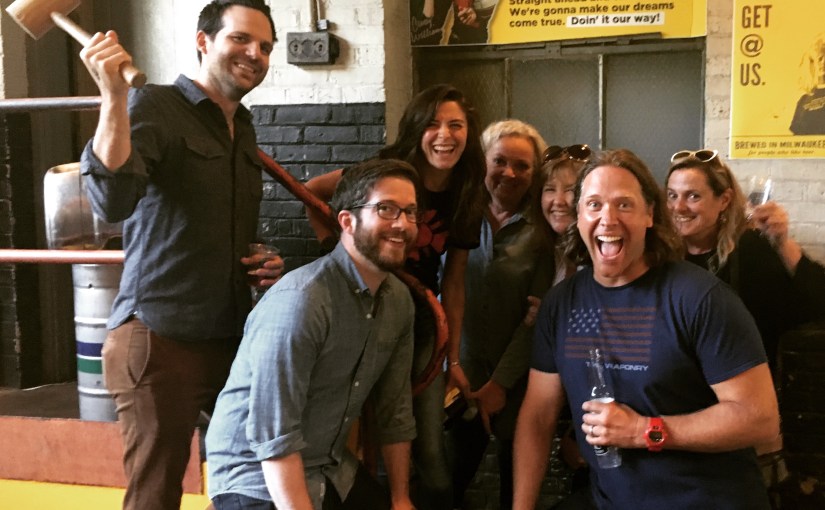
My college teammate Bryan Jones is hard to keep up with, but I am trying.

Key Takeaway

Your friends are your on-ramp to success. Surround yourself with others who have already done the next big thing you want to do. It decreases the perceived degree of difficulty. It increases the odds of you successfully completing the same challenge. And the more successful your peers are the more insight they offer to all you can accomplish in your lifetime.

*If you know someone who could benefit from this message, please share it with them.

+ If this type of thinking resonates with you, you will also like my new book, What Does Your Fortune Cookie Say? from Ripples Media.

Prepare to turn your opportunities into inflection points.

All of the good things that have happened in my life have a common theme. They happened because I prepared to take advantage of an opportunity point. Which means I put in work or research before an important moment. Like a Boy Scout would do. Although I was never a Boy Scout. I heard the Be Prepared motto and felt I got the gist of it.

When my big moments came, I drew on the work or the research I had performed to maximize the opportunities. I performed impressively. I made a strong impression. I drove a result. I became memorable for being prepared, capable, smart, insightful, knowledgable, interesting, thoughtful, or resourceful. Then, I was able to cash in my preparation for rewards. Just like you cash in your tickets for prizes at Chuck E Cheese.

Opportunity Points

Make sure you know what your opportunity points are. Here are a few examples:

  • Competitions
  • Meetings
  • Job interviews
  • Sales calls
  • Tests
  • Dates
  • Sorority rush
  • Meetups
  • Performances
  • Parties
  • Introductions
  • Tradeshows
  • Seminars
  • Auditions
  • Conferences
  • Social media encounters
  • America’s Got Idols

Preparation allows you to convert an opportunity point into an inflection point. A point where things change for you. A new door opens. An angle of growth steepens. The trajectory of your life alters in a positive way. Suddenly, people want more of your time. Which means the value of your time goes up too.

How to capitalize on your opportunities.

To turn your opportunities into inflection points try the following approach:

  1. Look at your calendar. (You do have a calendar, right?)
  2. Identify the opportunity points. (They are everywhere.)
  3. Determine what you could do today, and each day before the event to be best prepared to make that event a moment of inflection. (Start with researching all you can about the people and the topic you will encounter. Don’t be afraid to stalk. That’s how I found my wife. Training and practice are also important.)
  4. Do the prep work you determined would be beneficial. (It is not enough to know what you should do. You gotsta do it for realzies.)
  5. Convert preparation into performance. (Boom!)
  6. Make the most of your moment. (Like in that Eminem song about spaghetti.)
  7. Come out the other side on a new trajectory.

Luck is what happens when preparation meets opportunity.

-Maybe Seneca (But maybe someone else. They can’t find any credible witnesses.)

Key Takeaway

Every week we encounter dozens of opportunity points. Once you recognize them you can prepare for them. That preparation allows you to capitalize on the opportunity. Sometimes the rewards are small and grow over time. Sometimes the rewards hit in major ways that alter your life path immediately. But if you don’t prepare it is as if the opportunity wasn’t even there. Don’t let that happen.

*If you know someone who could benefit from this message, please share it with them.

To achieve great things don’t let preparing turn into procrastinating.

We all have big things we want to do. Goals, dreams, and aspirations are easy to find. Just ask any waiter in Hollywood. What is harder to find is goals met, dreams realized and aspirations achieved.

You can spend a lot of time thinking about the great things you want to do. You can talk about your plans. You can write them down and sketch them out. You can listen to podcasts and read newsletters and books. You can go to seminars, workshops, and meet-ups. And all of those things will feel like progress

But Oklahoma sooner than later, planning and preparing simply turn into procrastination. Because there are only ever 3 things that matter in the achievement process.

The 3-Step Achievement Process

  1. Where you are now.
  2. Where you want to finish.
  3. What you need to do next.

You already know where you are. (You do know where you are, right?) So once you know where you want to finish you have to quickly move your focus to what you need to next. That is the entire planning process.

The rest is doing.

  • If you want to start your own business, you should be working on your product or service, or finding customers.
  • If you want to write a book, movie, or play, sit down and start writing. (Unless you have a standing desk.)
  • If you want to become an investor in real estate or business, freaking buy something.
  • If you want to be an entertainer, start entertaining people.
  • If you want to travel the world, go somewhere you haven’t been.
  • If you want to be a nude model, lose the turtleneck sweater.

Key Takeaway

The difference between dreamers and doers is action. Once you know what you want to accomplish find the next step forward and take it. Once you start moving the next step always reveals itself. Gobble up those next actions like Pac-Man eats dots. Then keep going until you have cleared the board and you are ready for the next level. That’s what achievers do. And you will achieve by taking action.

*If you know someone who could benefit from this message, please share it with them.

8 great ways to overcome your setbacks.

Long-term success is hard. Partially because short-term success isn’t that hard. It’s easy to string together a couple of quick improvements when you start anything new. Because you start everything new at your lowest level. Which means the first few steps often offer quick wins, confidence, and rewards. You just follow the yellow brick road, and all the little people cheer you on and give you new shoes.

Things Get Harder

But then you run into a non-improvement event. Or the unthinkable: Deprovement. Then you take a few steps back. This is especially common when you have really great success right out of the gate. Because you set the bar higher than you have the capacity to clear with your early skills and experience. #childactors

It Happens To The Best Of Us

But setbacks also occur when you have loads of experience. Because what used to drive better and better results stops working. Frustration sets in. Your confidence takes a kick in the tenders. And there you are at the crossroads of success.

This is your movie moment. This is when too many people quit or give up. Which is the only way to truly fail. When you face such challenges, and challenges will be faced, here’s a recipe to move beyond the swirly-whirly swamp of stalled progress, and fulfill your personal legend.

8 great ways to overcome your setbacks.

  1. Short-term goals. Set easily achieved short-term goals that get you moving in the right direction again. Make some of them laughably easy. That way you will both meet your goals and laugh. #winwin
  2. Long-term vision. Remember the big picture. Your long-term goals will not be achieved in one straight push. Keeping the long-term perspective reminds you that this is just a chapter in your story. And adversity helps make every story better.
  3. Focus on the most impactful area of improvement. Find your one thing to focus on that will have the greatest impact. There are almost always small actions that have huge consequences. Find those actions and take them.
  4. Forget your failures. Don’t dwell on your failures. Move past them as quickly as possible. Nike Founder and CEO Phil Knight said, “The art of competing, I’d learned from track, was the art of forgetting. You must forget your limits. You must forget your doubts, your pain, your past.”
  5. Identify with your successes. Remember that the successful you is the real you. The setbacks and stumbles are temporary and will soon be purged. Like Chris Gaines or Sasha Fierce.
  6. Take responsibility for your failures. Take complete ownership of your failures and shortcomings. By taking ownership of them, instead of blaming others or making excuses, you are taking full ownership of the solution too.
  7. Look at other areas of your life. Humans are complex machines. Often a disruption in one area of your life has an impact on other areas. Examine your sleep, your nutrition, your relationships, your other stresses, and your time commitments. Chances are that the challenges you are experiencing in one area of your life are having an impact on other areas of your life as well. Because the hip bone’s connected to the thigh bone.
  8. Believe in yourself. Have faith in your ability to identify the problem and make the necessary adjustments. Lead your own fan club. Because the person who thinks they can and the person who thinks they can’t are both right.

Key Takeaway

Setbacks are a key part of any great story. They force you to improve. Which ultimately makes you stronger, smarter, and more capable to face the next challenge. So embrace your challenges. Then go write your next great chapter.

*If you know someone who could benefit from this message please share it with them.

The Weaponry turns 5 years old!

I always wanted to start my own business. Not because I was an unhappy employee or a free spirit who couldn’t stand to work for The Man. I just like a good challenge. And everything I ever heard about entrepreneurship made it seem like it was the career equivalent to bull riding. Or free solo climbing. Or streaking at the Super Bowl. I knew it was dangerous. The likelihood of failure was very high. But if you are successful, there are few endeavors as rewarding.

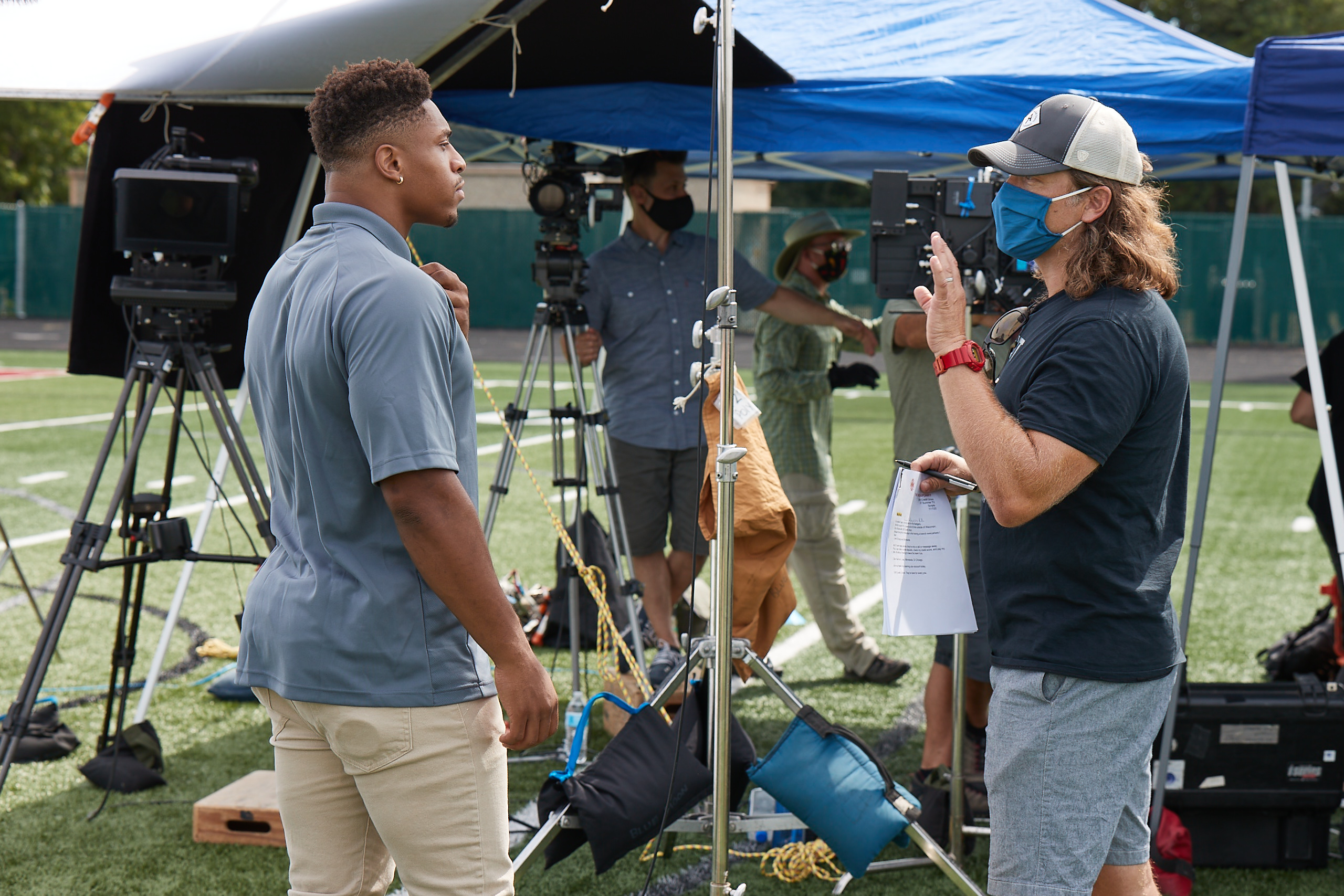
On the set of a recent TV shoot with Jonathan Taylor of the Indianapolis Colts. I tried to steal his necklace, and he tried to defend it. It was all very subtle.

Some Fun Entrepreneurial Facts

  • There are 31 million businesses in the United States
  • 90% fail within the first 5 years
  • Only 4% ever make $1 million a year.
  • The average age of startup Founders is 42 years 
  • A first-time entrepreneur has an 18% chance of succeeding
  • 70% of entrepreneurs were married when they started their first business
  • 60% had at least one child
  • 44% had two or more children
  • 66% of start-up founders pay themselves less than $50,000
  • 69% of American entrepreneurs start their business at home
  • 80% of small businesses are non-employer businesses. 
  • 51% of small businesses make less than $100,000 in annual sales. 

Riding The Bull

With these facts in hand, I launched The Weaponry, an advertising and idea agency, in 2016. I wholeheartedly believed that we would succeed. The statistics didn’t scare me. They motivated me to prove that I was one of the few, the proud, the elite non-failers. Although I am sure the failers also felt confident when they first started out. After all, you don’t jump out of an airplane unless you are highly confident your parachute will open. Unless maybe there were snakes on the plane.

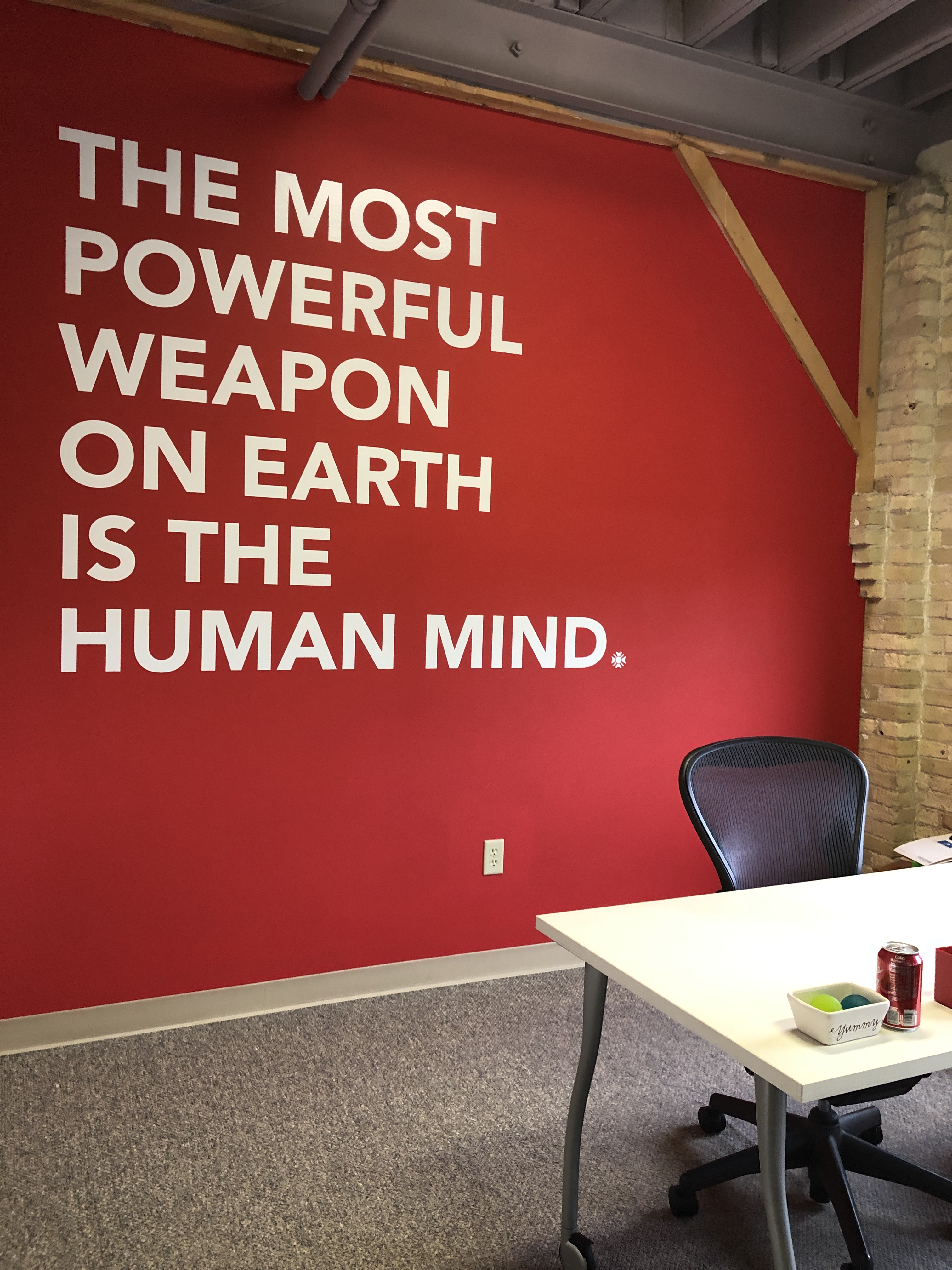
A constant reminder in our offices to think.

Turning 5 Years Old

Today, I am thrilled and proud to say The Weaponry is 5 years old! We gave grown significantly each year. And despite the global pandemic, 2020 was our best year yet. Now 2021 is off to a strong start. We continue to add to our team. And we have added 2 new clients in the past 2 weeks.

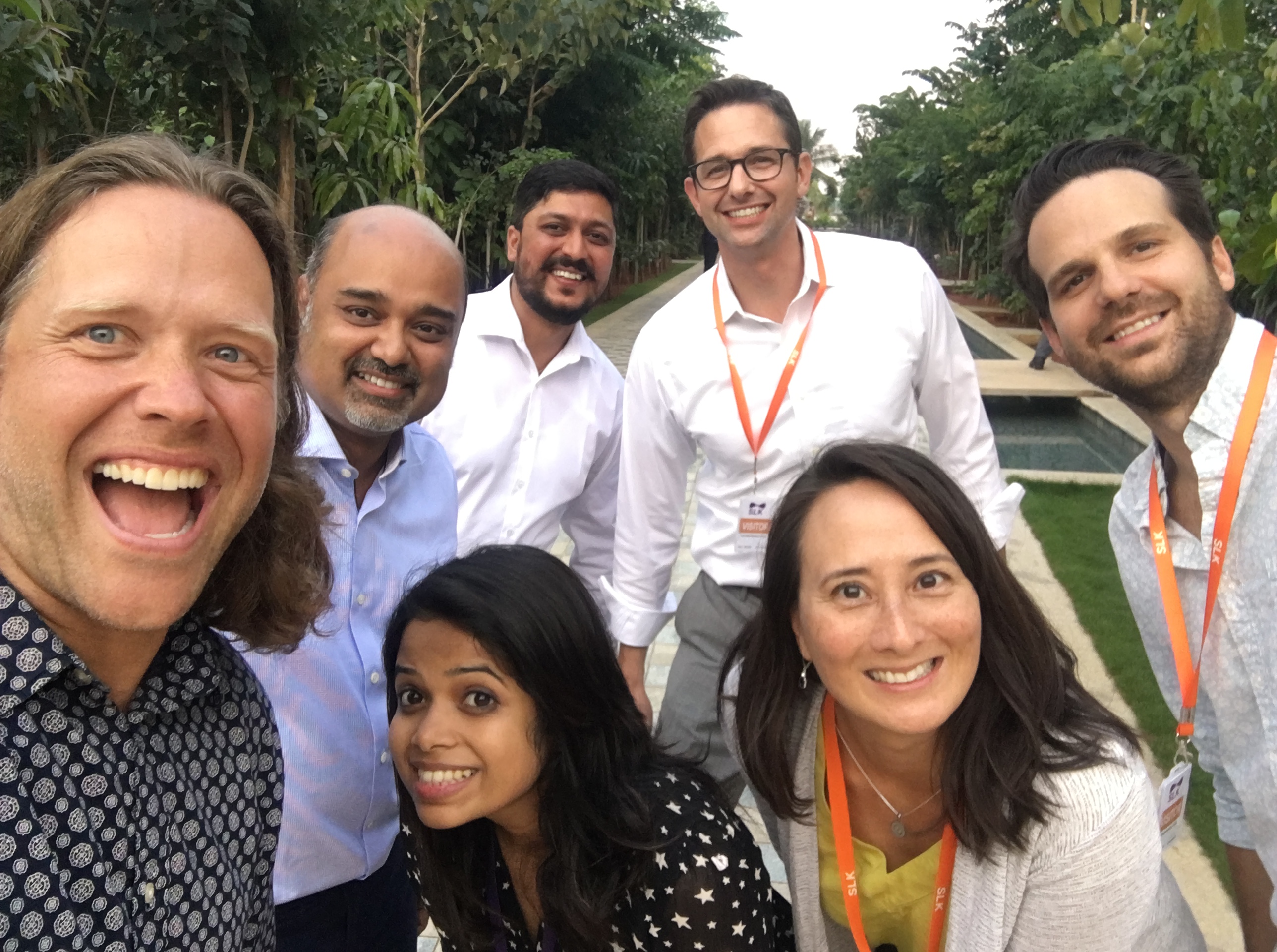
From a trip to India in 2018 to work with our clients Fifth Third Bank and SLK Global Solutions. I didn’t get the White Shirt Memo.

Funner Entrepreneurial Facts

  • The Weaponry has offices in both Milwaukee and Columbus.
  • We have 24 clients
  • We have clients in all 4 US Time Zones.
  • We have clients in 3 countries: The United States, Canada and India.
  • We offer Health Insurance and Dental Insurance
  • We have a 401(k) plan with a 4% match
  • We have two red refrigerators
  • Both of our offices are in Suite #206 (Although the signs say Sweet #206. Because I thought that was funnier. Those are the kinds of dumb things you can do when you start your own business.)
This is where the magic happens.

What’s Next?

I feel as if we have only just begun, like Karen Carpenter. We have much more to accomplish. We expect us to grow and expand significantly. It is clear that we are having great success with happy clients who have hired The Weaponry 2 and 3 times as they have changed jobs. Which I think is the best compliment a client can give you.

Our 3 Pillars of Success.

Before we won our very first client (Global Rescue), I declared The Weaponry’s recipe for long-term success. And unlike that finger-licker Colonel Sanders, I am happy to share it with you.

  1. Great Creative Idea
  2. Excellent Customer Service
  3. A Fun Experience for Everyone Involved.
Me and Dan Richards, CEO of our first client, Global Rescue. We were trying to look tough while wearing polos.

What’s Next?

If we continue to deliver on these 3 points we will enjoy perpetual success. And while I am very thankful to have made it to 5 years, I believe the job of leadership is to keep a business in business forever. To do that we will have to continue to listen, learn, adapt and improve. I am fully committed to it. Just like a streaker.

Key Takeaway

Entrepreneurship isn’t easy. In fact, it offers one of life’s greatest challenges. But if you want to try it, I highly encourage you. It is extremely rewarding in more ways than I have room to share in a concluding paragraph. To dramatically improve your chances of success start a business doing something you know well. Choose work you love to do. And you will have the intellectual equipment and the magnetic pull to get you to 5 years and beyond.

*If you know someone who could benefit from this message, please share it with them.

How to turn your setbacks into success.

Progress is not linear. It zigs and zags. It stalls. It reverses. In fact, progress moves like a good 1980s breakdancer. It often leaves you spinning on your head. And wondering why you are carrying around a large piece of cardboard, and a boombox.

But don’t fear the setback. Setbacks are a profit center. Because, like Alanis Morissette said, every time you lose, you learn. Which means that setbacks are full of education, growth and things you, you, you oughta know. They make you smarter and stronger if you let them.

Obstacles, challenges, and losses provide game film to study. They reveal weaknesses, vulnerabilities, and flaws. And they teach you how to strengthen your weaknesses so you can overcome challenges the next time you face them. Luckily, life supplies a Hong Kong Buffet of challenges to overcome. So you will always have more opportunities to put your loss-based learnings to good use.

Key Takeaway

Don’t lament the setback. Embrace it. Dissect it. It provides a very specific, high level course in personal or professional development. Enroll in that class. Take good notes. You’re sure to come out smarter and more prepared than you started.

*If you know someone who could benefit from this message, please share it with them.

To experience far greater success adapt an experimentality.

If you are like most people, you have enjoyed some success in life. But if you are like almost everyone, you haven’t enjoyed as much as you would like. To enjoy greater performances, better results, and more success you have to experiment. And this requires an experimentality.

An experimentality is a growth mindset. It is willing to learn and try new approaches in order to get better results. It is believing that good is not good enough. And that there is always a better way, José.

Constants

There are 2 parts to your experimentality. First, there are the constants. These are the aspects of your approach that don’t change. Your constants are the parts of your plan that are proven to work. These become elements of your repeatable process. Not only should you have constants in your approach, you should be constantly increasing the number of constants, like Constance.

Variables

The other part of your experimentality is your variables. These are the things you change to test the possibility of driving even greater results. There is more risk in the variables. But you will never change the magnitude of your success without adjusting the variables.

Like a David Copperfield show, this is where the magic happens. Changing the variables is the only way to experience breakthroughs. You have to be willing to try new ways, or you will always get old results.

10,000 to 1.

Thomas Edison said he never failed in his lightbulb experiments. He simply discovered 10,000 approaches that didn’t work. But through experimentation, and changing the variables, he found 1 approach that not only worked, it changed the world.

Without Edison and his experimentality, the world wouldn’t have known the lightbulb, the phonograph or the electric grid. And without Edison, nothing would appear above your head when you have a good idea. Plus, we wouldn’t have, ‘How many (blanks) does it take to change a lightbulb’ jokes. Scary right?

Whether you are trying to change the world, or simply change your world, keep changing the variables. The new approaches, techniques, and inputs are certain to impact your outputs. Some of them will lead to significant, vast, or even epic improvements. It’s up to you to determine which inputs those are.

Key Takeaway

Adopt an experimentality. The only way to get different results is to try different approaches. Keep track of your experiments. Note the impact of each adjustment. Because each one will get you closer to your goals. And one of them is likely to blow things wide open. Keep pushing until you find it. Don’t stop until the lightbulb burns bright.

*If you know someone who could benefit from this message, please share it with them.

Opportunities are like showers. They need time to warm up.

Action and patience are like the chocolate and peanut butter of success. You need both. First, you need to act in order to create conditions for growth and achievement. You need to put the ball in motion. You need to hit start. You need to raise your hand. You need to plant seeds.

But then comes the hard part. You need to be patient. Because the universe doesn’t run on your timeline. The big break you are looking for doesn’t care how much you want it to happen right now, Sammy Hagar.

Opportunities are like showers. They take time to warm up. Which means you need to plan ahead. You need to take action early, so you can create opportunities later. You can’t wait until the moment you need results to get started. Or you are sure to get the cold shoulder, along with a whole bunch of other cold body parts.

Why? It takes time for the warm water of your positive actions to reach you. Remember, each shower works on its own timeframe. It depends on how far the shower is from the hot water heater, the size of the pipe, and how long it has been since you showered last.

Reminder

Once you have met a new contact, prospect, potential customer, hottie or employer, remember that you need to wait on their timing to be right to create a mutually beneficial transaction. If you insist on moving quickly, expect a cold shower.

Key Takeaway

Take initial action. Then be patient. We are all dependent on others. Arriving at synchronization takes time. Let the water warm up before you jump in. The wait is well worth it.

*If you know someone who could benefit from this message, please share it with them.